
Last updated November 18, 2026







Free written scope consultation - allowances, timeline, and change-order rules on paper before a single trade is scheduled
Bathroom Remodeling Warning Signs Every Homeowner Should Know
A soft spot near the toilet base isn’t a “minor thing to watch.” It’s subfloor rot, and it’s almost certainly already reached the floor joist. By the time you smell it, the repair bill has tripled. In Sunrise Manor, where slab-on-grade homes and hard desert water combine to stress bathroom plumbing and tile, we see this pattern in maybe one in five older bathrooms we open up. This guide walks you through the signs that show up before the demolition hammer does, the signs that show up mid-project when a crew starts cutting corners, and the first-90-days signals that tell you something was installed wrong. Read them now, and you’ll save yourself an insurance claim later.
Quick Answer
The main bathroom remodeling warning signs are bubbling or peeling paint near the shower, drywall that feels soft or spongy, grout that keeps cracking in the same spot, a hollow-sounding tile floor, contractors who skip moisture barriers or electrical permits, and vague contract language like “we’ll figure it out when we get in there.” Any one of those is worth a second look. Two or three together usually mean hidden water damage and a scope that will grow.
Styles & brands we work with
- Kitchen remodeling
- Bathroom remodeling
- Home additions & ADU
- Roofing
- Windows & doors
- Driveway & pavers
- Fence
Table of Contents
- Pre-Remodel Warning Signs Inside Your Existing Bathroom
- Reading the Signs of Hidden Water Damage Before Demo Day
- Mid-Project Warning Signs That Your Contractor Is Cutting Corners
- How to Read a Tile Installation in Progress
- The Contract Language That Protects You When Surprises Appear
- Post-Remodel Warning Signs in the First 90 Days
- Sunrise Manor Factors That Make These Signs Worse
- When to Call a Professional
Pre-Remodel Warning Signs Inside Your Existing Bathroom
Start by walking your current bathroom with a flashlight and a notepad. The things you’re looking for are small. That’s the point. A homeowner who catches these early spends hundreds. A homeowner who waits spends thousands.
Here’s what to check, in order:
- Bubbling or peeling paint on the wall opposite the shower, or on the ceiling above it. Paint that lifts in a fine bubble pattern is moisture pushing through from behind.
- Soft drywall near the tub surround or toilet base. Press with your thumb. If it gives, the paper backing is wet and the gypsum behind it is gone.
- Grout that cracks in the same line twice. Grout cracking once is settling. Grout cracking in the same joint after repair means the substrate underneath is moving, and moving usually means wet.
- A rocking toilet. A toilet that shifts when you sit on it has a failed wax ring, and that leak has been feeding the subfloor for months or years.
- Musty smell that doesn’t clear after a fan run and an open window. That’s mold growing somewhere you can’t see.
- Caulk that keeps failing at the tub-to-floor joint even after you re-caulk it twice. The gap is opening because the floor and the tub are moving independently, which points to subfloor flex.
In Sunrise Manor, we open bathrooms in a lot of late-1980s and 1990s tract homes. The original wax rings and the original shower pans on many of those builds are at or past their service life. If your bathroom has never been touched, assume the numbers are worse than they look.
Reading the Signs of Hidden Water Damage Before Demo Day
Water damage in a bathroom rarely announces itself. It seeps. It pools on top of the subfloor, soaks through the underlayment, and sits against a floor joist for months before you notice a thing. What you smell and see is the tail end of a problem that started long before.
Here’s the practical version. Bubbling paint on the wall behind the shower means water has been wicking through the tile assembly behind it. A spongy floor near the tub or the toilet means the subfloor has lost structural integrity. Dark staining on the ceiling below the bathroom, if you have a second floor, means the shower pan or the drain connection has failed. And a floor joist that’s been sitting wet for a year is not a patching job; it’s a sistering or replacement job.
We tell homeowners to look at three specific zones:
- The toilet base and the two feet of floor around it. This is the single most common spot for hidden rot in any bathroom in Sunrise Manor or anywhere else.
- The shower valve wall. The wall behind the shower trim plate. If the plate feels loose or the wall behind it is soft, the valve has been weeping.
- The tub apron and the floor seam. Water runs down the outside of the tub, then gets trapped between the tub and the floor, and stays there.
Get a moisture meter on those zones before you sign a remodel contract. A $40 meter at a hardware store will tell you more than three contractors’ opinions combined. If readings are elevated, the scope needs to include opening up the floor and repairing what’s underneath, not tiling over it.
Mid-Project Warning Signs That Your Contractor Is Cutting Corners
The classic bathroom shortcuts are known. Every inspector has seen them. Every honest contractor has fixed them at someone else’s expense. Here’s what to look for once the demo starts.
No moisture barrier behind the tile
Look at the wall before tile goes up. You should see a waterproofing layer: cement board with a liquid-applied membrane, a bonded sheet membrane, or a proper vapor barrier behind backer board. Bare greenboard with tile glued to it is not waterproofing. It’s a slow leak with a nice face. Ask to see the wall in progress. A crew that has nothing to hide will show you.
Electrical work without a permit
New outlets, a new vanity light, a heated floor, or an exhaust fan on a new circuit all require an electrical permit in Clark County. A contractor who says “we don’t need a permit for that” is telling you they’re willing to skip the inspection. That means no third party checks the wiring, no third party signs off, and if something goes wrong, your insurance company asks why the work wasn’t permitted.
Non-rated drywall in wet areas
Regular drywall has no business in a shower surround, a tub alcove, or directly behind tile on a bathroom wall. Every bit of that material should be cement board, fiber cement, or a manufacturer-approved wet-area backer. If you see a crew hanging standard ½” drywall in the shower, stop the job and ask questions before they tile over it.
No blocking behind grab bars or heavy fixtures
Grab bars, a wall-hung vanity, a glass shower door, and a TV mounted in a bathroom all need solid wood blocking behind the drywall. Bolted into drywall anchors alone, those fixtures pull out. The blocking goes in before the walls close. If you didn’t see it go in, ask for a photo before drywall.
Ventilation installed to nowhere
Every bathroom needs an exhaust fan that vents outside, through the roof or the sidewall. A fan that dumps into the attic or the joist bay just moves the moisture to a spot where you can’t see it. Check the discharge line. If it goes into the attic, it’s wrong.
How to Read a Tile Installation in Progress
You don’t need to be a tile setter to spot bad tile work. You need three checks: sight, feel, and sound.
Lippage
Run your hand flat across the tile field. Adjacent tiles should be flush or nearly so. The industry threshold is a small fraction of an inch for most tile types, and you can feel a bad joint before you can see it. If a tile edge catches your fingertip, that’s lippage, and it means the substrate wasn’t flat or the setter didn’t use the right trowel size.
Grout joint consistency
Stand at the doorway and look across the floor at a low angle. Joints should be uniform. Wavering joints, joints that pinch narrow at the corners, or joints that open up in the middle of a run are signs of layout errors that will get worse as the floor moves through heating and cooling cycles.
The hollow-sound test
Tap a tile with the plastic handle of a screwdriver, or your knuckle, listening for a dull thud versus a sharp ring. A hollow-sounding tile means the thinset didn’t cover the back. Industry standard wants near-full coverage in wet areas. Voids happen when the setter dot-spots the tile (dollops of thinset at the corners) instead of troweling the whole back. Hollow tiles crack within a couple of years. They also let water pool under the tile when a grout joint fails.
We test every shower floor with a water test before the tile goes down, and we check coverage as the floor goes in. If your contractor doesn’t want you looking at the work in progress, that’s its own warning sign.
The Contract Language That Protects You When Surprises Appear
Every bathroom remodel has a surprise behind the wall. Every one. A soft subfloor, a rotted joist, a shower valve that’s frozen in place, an old electrical circuit that wasn’t up to code – something. The question isn’t whether the surprise happens; it’s who pays for it and how you find out.
The language that protects you is the written change order. Not a handshake. Not a text. Not a “we’ll sort it out at the end.” A written change order that arrives before the work begins, spells out scope, spells out price, and gets your signature before a single nail moves.
Here’s what to look for in the contract itself:
- Line-item scope. Square foot counts for tile, brand and model for fixtures, a specific list of what’s being replaced and what’s being kept. Not “bathroom remodel, as discussed.”
- Written allowances. If the contract says “$3,000 tile allowance,” that number should sit next to the brand list and a note about what happens if the customer goes over. An allowance that isn’t on paper is a surprise waiting for a date.
- A change-order clause. Explicit language that says any change in scope, material, or price arrives as a written change order, signed by both parties, before the work happens. If the contract doesn’t say that, the contractor reserves the right to figure it out later.
- Permit responsibility. The contract should name who pulls the permits. If it doesn’t, that’s the contractor’s opening for “we don’t need a permit for this.” Pulling permits and passing inspections is the point.
- A workmanship warranty with dates. Not “we stand behind our work.” A written term in months, and the name of the person who honors it.
“We’ll figure it out” is not a change process. It’s a blank check. Any contractor who says those words about a surprise behind the wall is telling you how the final invoice will read. Barrett & Sons writes the change order first, every time – the price the day you sign is the price on the final invoice, and if scope changes, the change order arrives in writing before the crew touches it. That’s a 29-year habit, not a marketing line.
Post-Remodel Warning Signs in the First 90 Days
The 90 days after a remodel closeout are the tell. A finished bathroom either holds up for the first three months or shows you its problems while you can still call someone back. Here’s what to watch for.
- Grout cracking at the floor-to-wall joint. A hairline crack in the first month means the substrate is moving, and the wrong grout or caulk was used at the movement joint. That joint should be flexible sealant, not hard grout.
- Water pooling at the shower curb or the drain perimeter. The shower pan wasn’t sloped correctly. This is not a “let it dry out” problem; it’s a rebuild.
- Loose toilet. A toilet that rocks within 90 days has a failed install – likely a flange height issue or a wax ring seated wrong. Don’t ignore it. Every day it rocks, it wicks water into the subfloor.
- Exhaust fan condensation or a foggy mirror twenty minutes after a shower. The fan is undersized or not venting outside. Moisture stays in the bathroom, and mold follows.
- Doors or drawers in the vanity rubbing. The vanity wasn’t shimmed level, or the floor underneath settled. Small now, cheaper now, worse later.
- Tile that sounds hollow after three months of use. Call the contractor while the tile work is still inside the warranty window.
- Any new water stain on the ceiling below or the adjoining wall. Call immediately. No inspection fee is worth sitting on that.
A 90-day window is what separates a real workmanship warranty from a “we did our job” handshake. A crew that will come back at day 60 and fix a grout joint is a crew you can call at day 300.
Sunrise Manor Factors That Make These Signs Worse
Sunrise Manor isn’t an easy climate for bathrooms. Two things complicate every remodel here.
First, the water. Clark County municipal water runs hard. Calcium and magnesium build up on fixtures, showerheads, and tile, and the same minerals attack grout. A grout joint that would last ten years in a softer-water market starts breaking down in five here. That’s why the moisture barrier and the tile coverage matter even more in Sunrise Manor than on a coastal job; the grout joint fails earlier than you’d expect, and when it does, water goes where the coverage is thin.
Second, the ground. A lot of Sunrise Manor is built on soils that move with moisture content. The dry season and the monsoon season change the soil volume, and slab movement shows up as grout cracks in the exact same joint twice a year. If your bathroom has grout cracking on a schedule, it’s worth having a foundation check folded into the remodel scope.
We’ve also seen the pattern in the older tract homes off Lake Mead Boulevard and the neighborhoods closer to Nellis: original shower pans that have never been replaced, original subfloors that have been wet since the 1990s, and original wax rings that failed two owners ago. When you buy one of these homes, assume the bathroom is due.
For the broader picture of how a bathroom remodel sits alongside the rest of a home’s improvement plan, see our Barrett & Sons Construction Sunrise Manor home page. If the bathroom remodel is part of a bigger layout change, our work on Home Additions & ADU in Sunrise Manor covers what happens when you’re moving walls or adding square footage. And if the renovation brings new exterior paving – a walkway, a patio, a new drive – our Driveway & Pavers in Sunrise Manor page shows how we handle the outdoor piece, and Fence Installation in Sunrise Manor covers yard work that goes alongside a full-property project.
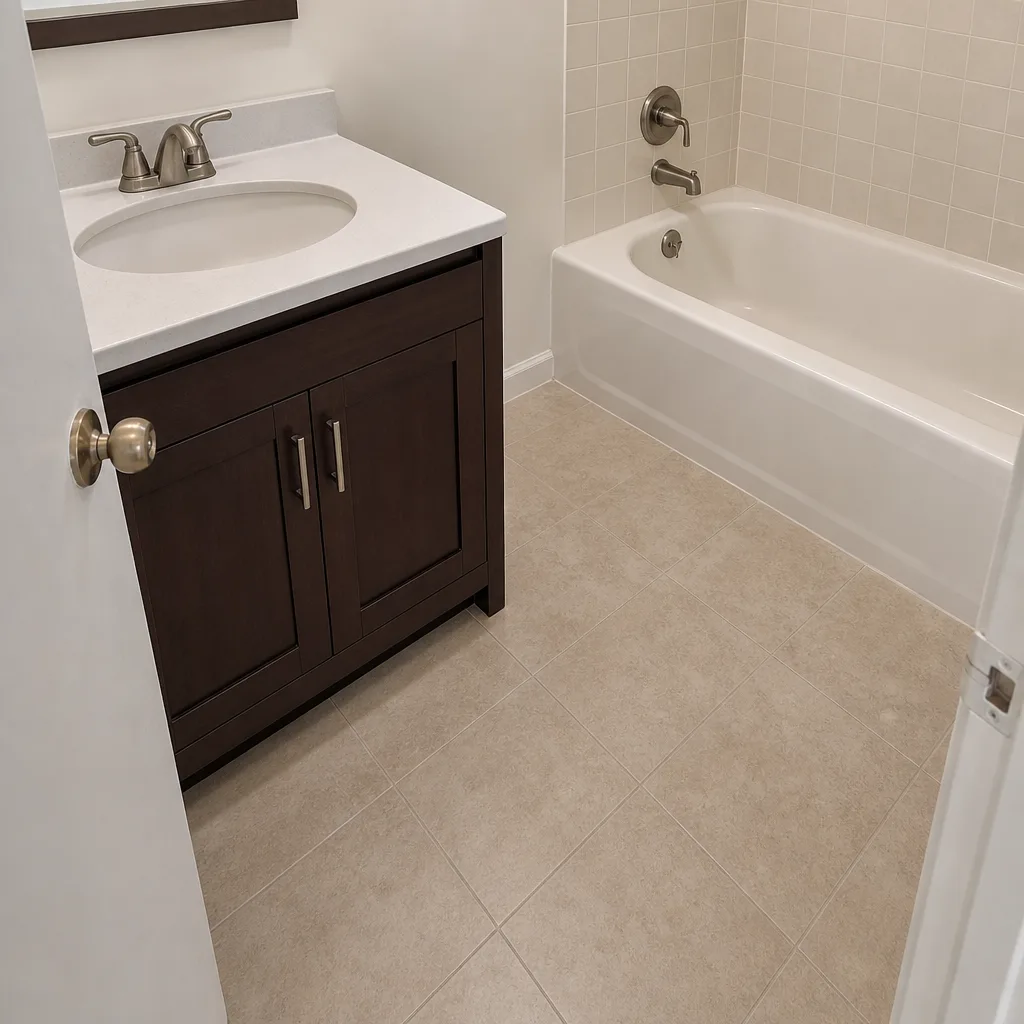
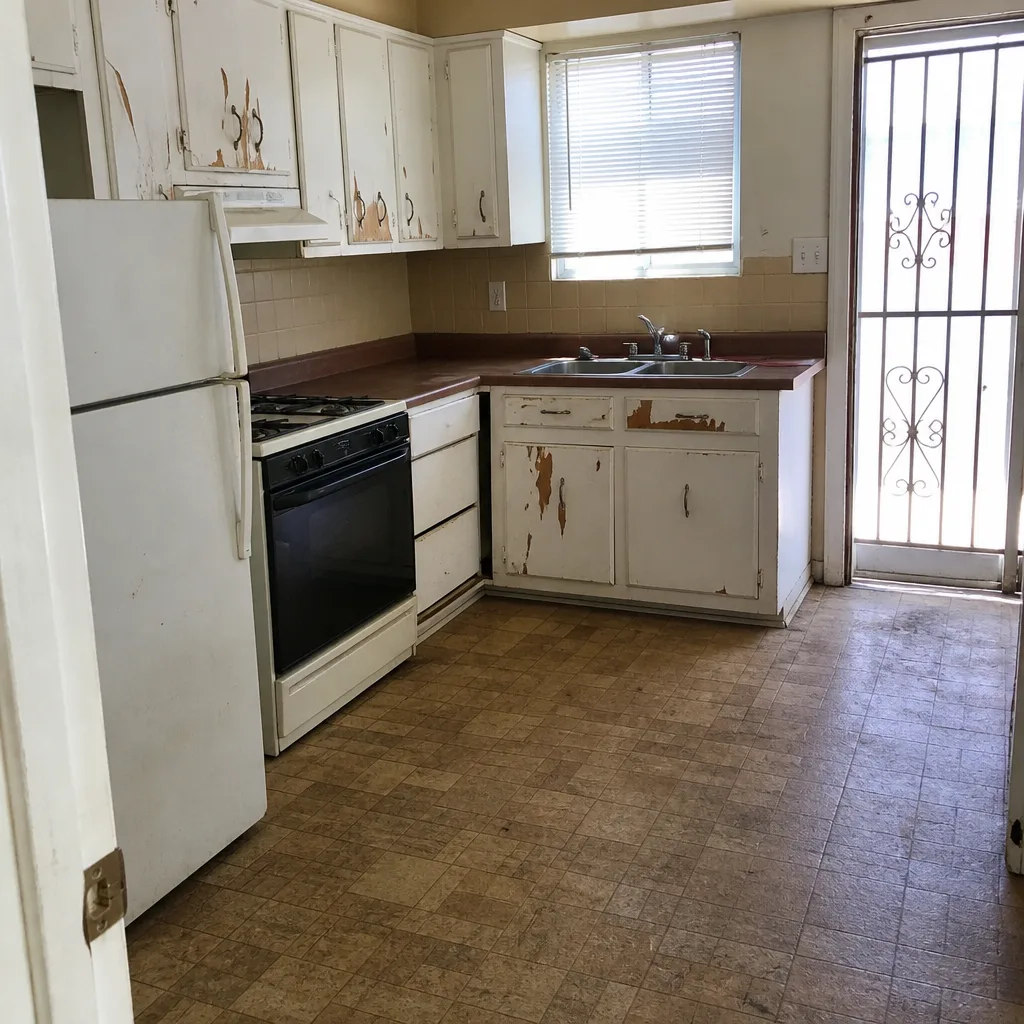
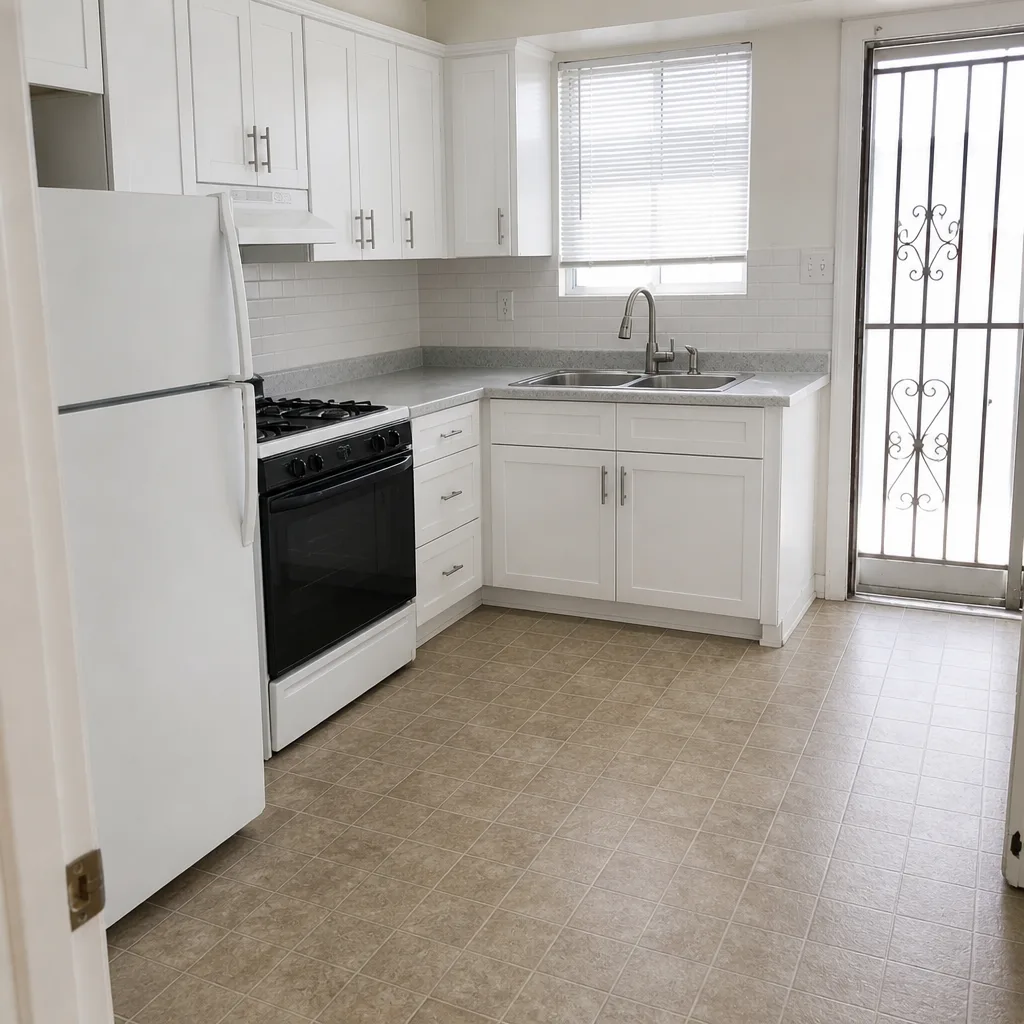
See the difference
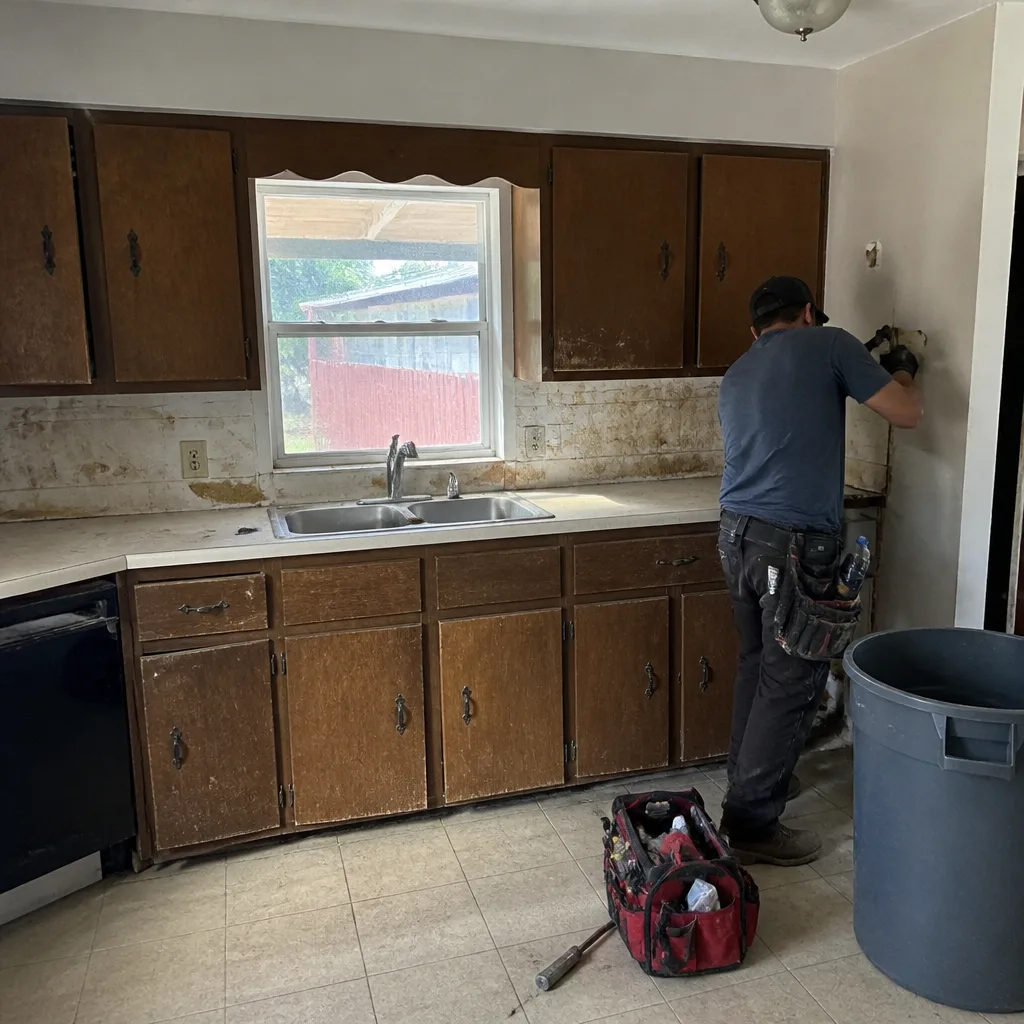 Before
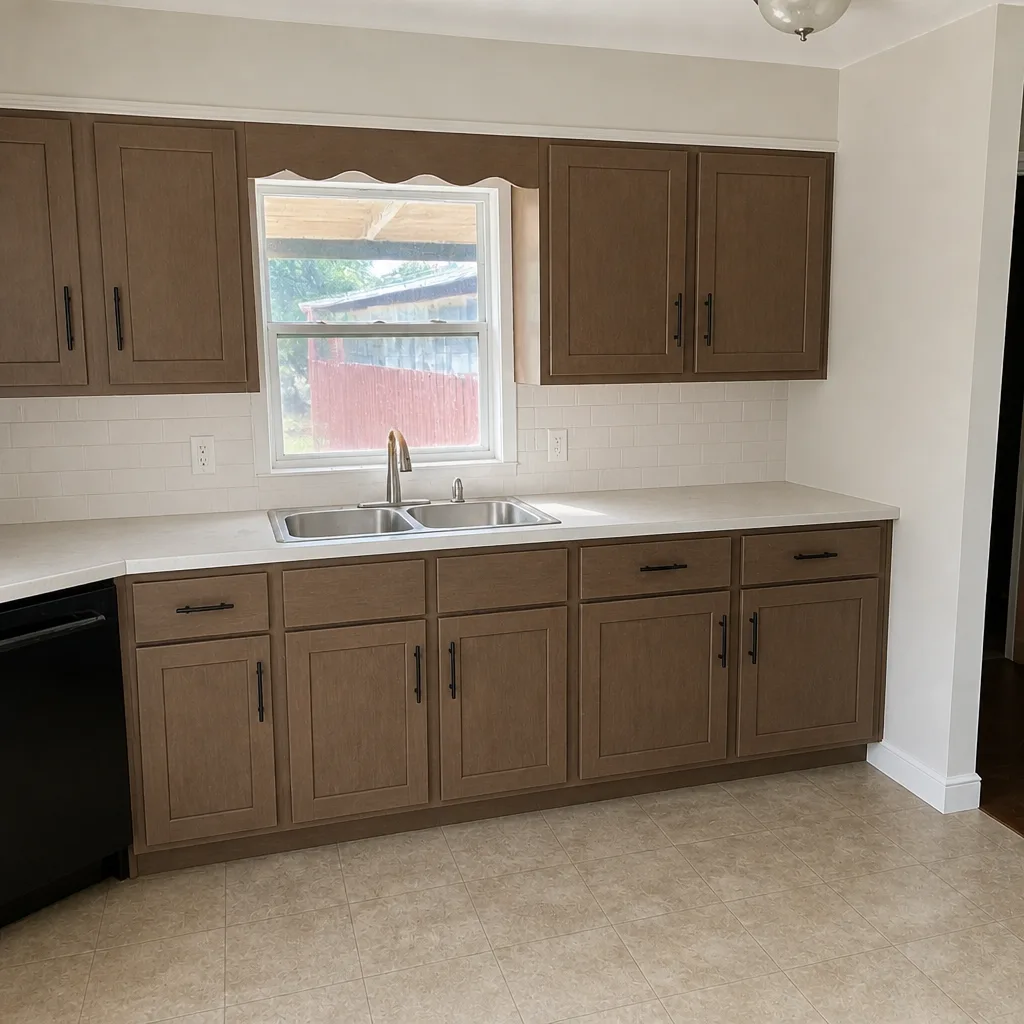 After
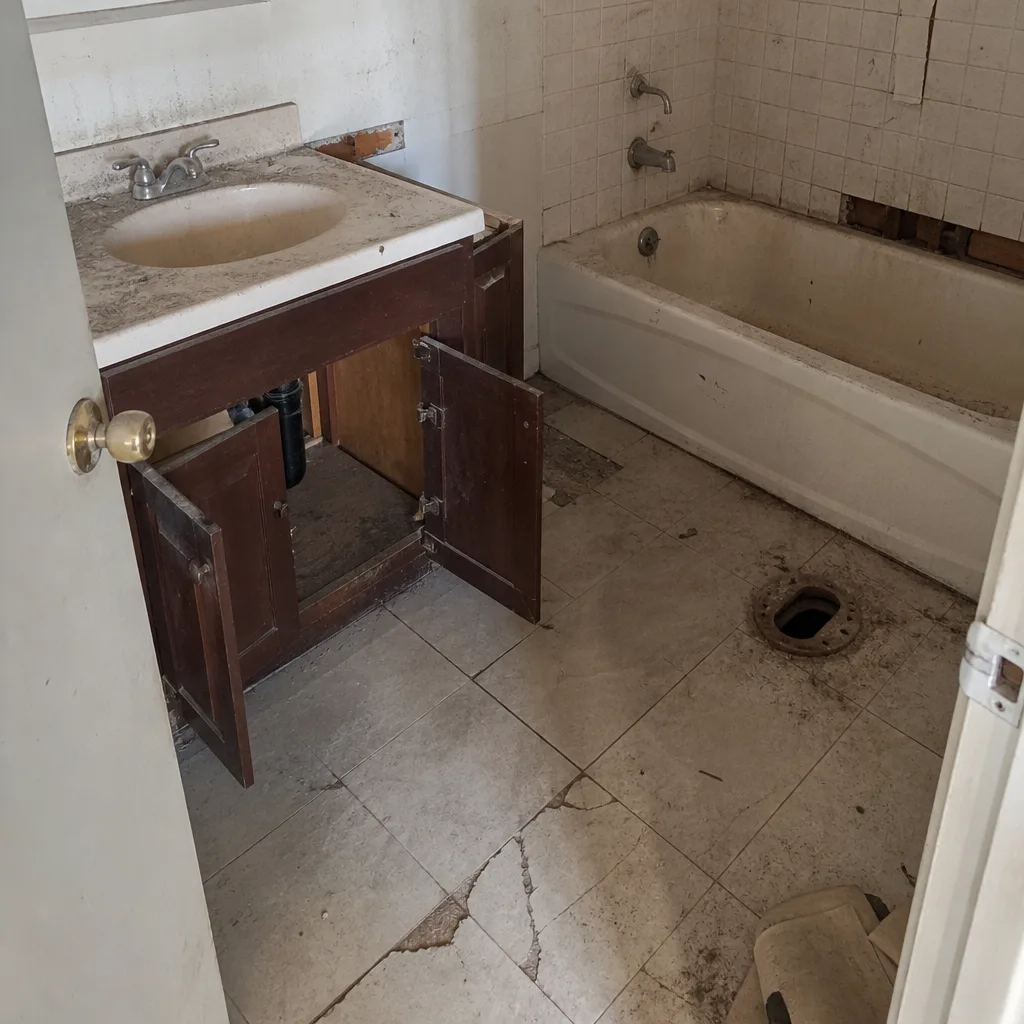 Before
 After
 Before
 After
Common Mistakes to Avoid
- Hiring on the phone quote alone. A number that arrives without a walk-through, a scope, or a look under the sink isn’t a quote. It’s a placeholder. Any real contract in Sunrise Manor starts with a free estimate in the actual bathroom.
- Signing a contract with no allowance schedule. “Tile, fixtures, and finish included” is a phrase with four or five decision points hidden inside it. If the allowances aren’t written, the upgrade conversation happens at the worst possible moment.
- Letting a contractor skip the permit to “save you money.” The savings are on paper; the risk is real. Unpermitted electrical work in a wet room is the single most expensive kind of corner to cut, and the county inspector – who works for you, not for us – never sees it.
- Tiling over a soft floor. If the subfloor gives even a little when you walk it, the tile will crack within 18 months. Fix the floor before the tile, not after.
- Choosing the cheapest shower pan. Fiberglass pans crack at the drain collar, and a cracked pan means water running under the tile. A properly sloped, properly waterproofed pan costs more on day one and saves four figures on day 800.
- Skipping the moisture test on the subfloor. Every remodel in Sunrise Manor should start with a moisture meter reading. It takes five minutes and it tells you whether the surprise behind the wall is small or catastrophic.
- Paying the final draw before the punch list is signed. Hold the last payment until every item on the punch list is done and every inspection has been signed. A contractor who resists that is telling you something.
When to Call a Professional
Call us before demolition if you see any of the following: a soft spot near the toilet, a shower valve wall that feels spongy, grout cracking in the same joint more than once, or a musty smell that doesn’t clear after an hour of ventilation. Call us mid-project if you see a crew hanging standard drywall in a wet area, tiling without a moisture barrier, or wiring new bathroom circuits without a permit on the wall. Call us if you’re 30, 60, or 89 days out of a remodel closeout and something is already wrong; the earlier a fix lands, the cheaper it is.
Barrett & Sons Construction Sunrise Manor offers free estimates in Sunrise Manor – call (844) 312-0069. We’ll walk the bathroom, put a moisture meter on the floor, and give you a written estimate with an allowance schedule and a change-order clause built in. If your bathroom is already done and something is cracking early, call us for a free second opinion on any written estimate or a $40-off repair over $200 to get a trained eye on it. Permits pulled and inspections signed, written change orders on every scope change, and a 90-Day Done Right Promise on every job, because a bathroom that fails at day 89 is not a bathroom we’re willing to sign off on. If a surprise does show up behind the wall, the change order arrives in writing before a single nail moves.
Frequently Asked Questions
The earliest sign is bubbling or peeling paint on the wall near the shower or tub, or a soft spot in the floor near the toilet base. Both mean water has been reaching the substrate for months. Call (844) 312-0069 for a free estimate if you see either; a moisture meter reading settles the question in minutes.
For a typical hall bath or guest bath in Sunrise Manor, a full remodel – new tile, fixtures, vanity, waterproofing, and permit – commonly falls in the $18,000 to $32,000 range. A primary bath with a larger footprint, a glass shower, and upgraded finishes can run $35,000 to $60,000 or more. The number that matters is the one on your written estimate, with an allowance schedule attached. Call us for a free estimate and we’ll put the numbers in writing.
Not without a written change order signed by you before the work happens. Every scope change, every allowance overage, every surprise behind the wall gets priced and signed before a crew touches it. If a contractor can’t explain their change-order process in one sentence, that’s the warning sign. Call (844) 312-0069 and we’ll walk you through ours.
Yes. Every eligible bathroom job in Sunrise Manor includes permits pulled and inspections signed, electrical and plumbing included where new circuits or new drain lines are involved. The permit inspector works for the homeowner, not for us, and a passed inspection is one of the most useful things you get out of a remodel. Call us for the specifics on your address.
A hollow sound means the thinset didn’t reach full coverage under the tile, and in a wet area that void will collect water the first time a grout joint fails. It’s a defect in the install, not a normal tile characteristic. Get a second opinion before the warranty window closes – call (844) 312-0069.
A full bathroom remodel in Sunrise Manor typically runs four to seven weeks from demo to punch list, longer if the subfloor has to be rebuilt or if the layout is changing. The schedule should be in the contract before you sign. Any estimate that promises two weeks for a full gut and rebuild is telling you what they plan to skip. Call us for a written schedule with your free estimate.
The Bottom Line
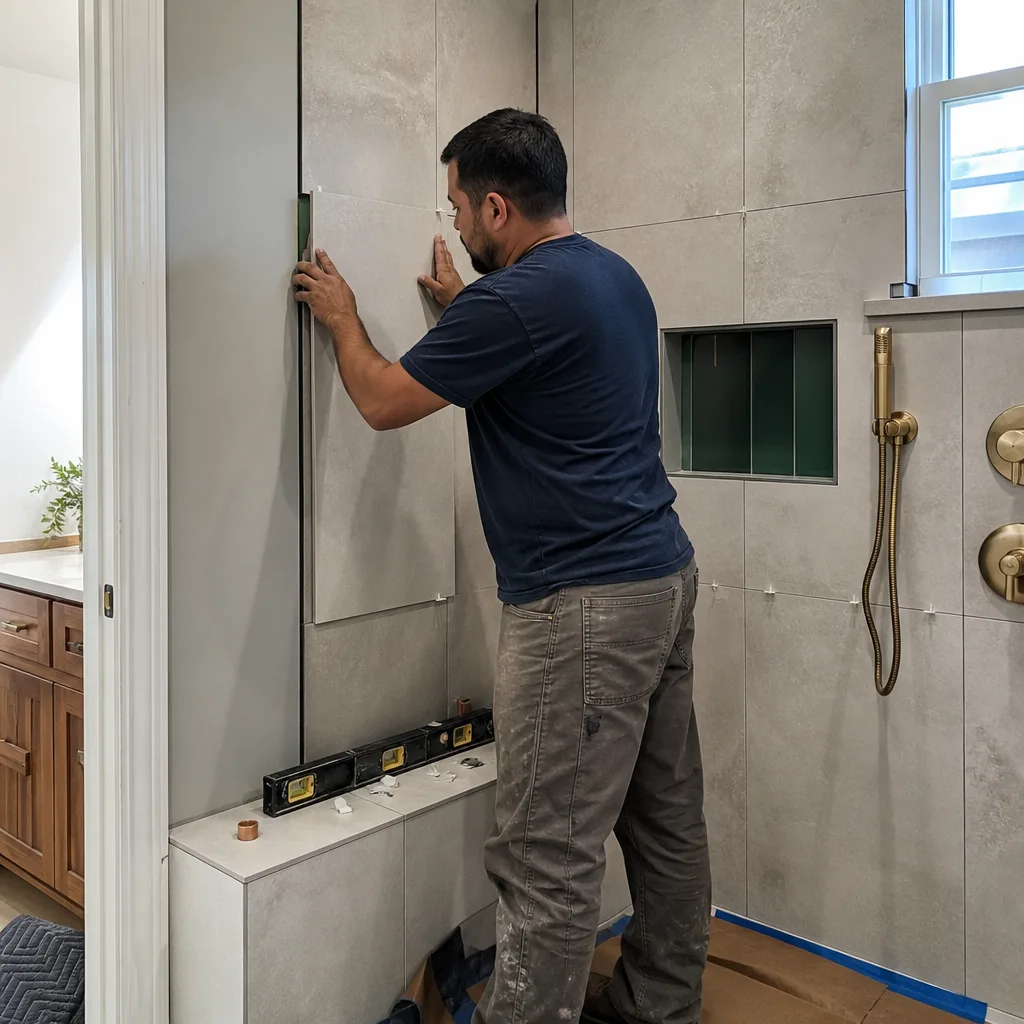
Most bathroom remodel disasters start as small signs: a soft spot, a bubble of paint, grout that cracks in the same joint twice. Learn to read them, and you catch the problem while it’s hundreds of dollars instead of thousands. Mid-project, watch for missing moisture barriers, unpermitted electrical, and wet-area drywall. Read the tile as it goes in – lippage, joint consistency, and the hollow-sound test. Get your contract in writing with an allowance schedule and a change-order clause, and hold the final draw until the punch list is clean. And in Sunrise Manor, assume the original 1990s bathroom is already due.
Barrett & Sons Construction Sunrise Manor is at (844) 312-0069, live answer, every day. Call for a free estimate. Bring us the warning sign. We’ll tell you honestly whether it’s a $200 fix or a $20,000 remodel, and we’ll put the answer in writing.
Written by the team at Barrett & Sons Construction Sunrise Manor.