Last updated November 18, 2026




Free written scope consultation - allowances, timeline, and change-order rules on paper before a single trade is scheduled
How Long Does Driveway & Pavers Take? Timelines and What to Expect
A contractor who tells you a paver driveway takes “three to four days” is telling you crew hours. That’s the time men and machines are actually in your yard. The number that matters to you is the disruption window – from the day the permit application goes in to the day you can park a car on the finished surface without leaving tire marks in the sand. In our experience that window runs closer to two and a half weeks. Knowing the difference before you sign anything changes how you plan the month, where the second car sleeps, and which questions you ask at the bid. This guide breaks the whole schedule down phase by phase, with the weather and permit realities we deal with in Sunrise Manor.
Quick Answer
A driveway paver installation in Sunrise Manor typically takes 3 to 5 crew-on-site days, but plan on 14 to 18 calendar days from permit submission to first vehicle traffic. Most of that gap is permit approval and the 72-hour cure window after joint sand goes in. Weather in the valley can add two to four days between late June and early September.
Styles & brands we work with
- Kitchen remodeling
- Bathroom remodeling
- Home additions & ADU
- Roofing
- Windows & doors
- Driveway & pavers
- Fence
Table of Contents
- Crew Days vs. Calendar Days: The Number Nobody Quotes You
- The Full Schedule, Phase by Phase
- How Long Clark County Permits Really Take
- The 72-Hour Cure Window You Cannot Shorten
- What Sunrise Manor Heat and Weather Do to the Timeline
- Legitimate Delays vs. Scheduling Problems
- Planning Your Life Around the Work
- Common Mistakes to Avoid
Crew Days vs. Calendar Days: The Number Nobody Quotes You
When a bid says “four days,” ask four days of what. A crew can lay down a lot of pavers in a day. What that number leaves out is everything that has to happen around the crew. The permit nobody filed. The base prep that has to dry. The sand cure. The inspections that require a scheduled appointment, not just a phone call. Add those together and a four-day crew job is a two-week life event.
Here’s how the two numbers split out on a typical Sunrise Manor paver driveway of around 600 square feet:
- Crew on site: 3 to 5 working days for demo, excavation, base, and lay.
- Permit approval: 5 to 10 business days on the front end before a shovel hits dirt.
- Inspection scheduling: 1 to 3 business days for base inspection before pavers go down.
- Cure window: 72 hours after joint sand before vehicle traffic.
- Total calendar: 14 to 18 days, weather permitting.
The reason this distinction matters is planning, not paperwork. If you’ve been told four days, you’ll figure the car situation resolves itself by Thursday. If you’ve been told two and a half weeks, you move the truck out of the way, clear the trash cans, and arrange the second vehicle parking before day one. In our experience, homeowners who know the full window are the ones who stay calm through the job. The ones who were sold “four days” are the ones calling us on day five wanting to know why the base isn’t inspected yet.
The Full Schedule, Phase by Phase
Here’s the whole arc, in order, with realistic time attached to each step. This is what we walk every homeowner through when we quote a paver driveway in Sunrise Manor. The schedule below assumes a mid-size driveway, decent access, and a permit that doesn’t trip any flags at the county.
- Design and written quote (1 to 3 days). You pick paver style, color, and pattern. We put scope, allowances, and pricing in writing. This is the only phase where you can change your mind without a change order.
- Permit submission (day 1 of waiting). The application goes to Clark County. Base prep, drainage, and right-of-way questions all get reviewed. Expect a week or more.
- Permit issued (days 5 to 10). This is when the crew gets scheduled. No legitimate hardscape contractor starts before this document lands. Starting early means doing work the inspector can’t sign off on.
- Demo and excavation (crew day 1). Old surface comes out, subgrade gets cut to depth. Usually a full day, sometimes more if the existing driveway was poured thick.
- Base prep and compaction (crew days 2 to 3). Class II base goes down in lifts and compacts. This is the part nobody wants to pay for and everybody regrets skipping. It’s also where the base inspection happens.
- Paver installation (crew days 3 to 5). Laying, cutting, and edge restraint. Most of the visible progress happens here, and it goes faster than you’d think.
- Joint sand and compaction (crew day 5). Sand goes into the joints, plate compactor goes over the field, final cleanup.
- 72-hour cure (days 5 to 8 post-lay). No vehicles, no heavy foot traffic directly on the field. Foot traffic across the drive is usually fine by the next morning; vehicles are not. This is the window homeowners are most tempted to cheat, and it’s the most expensive to cheat.
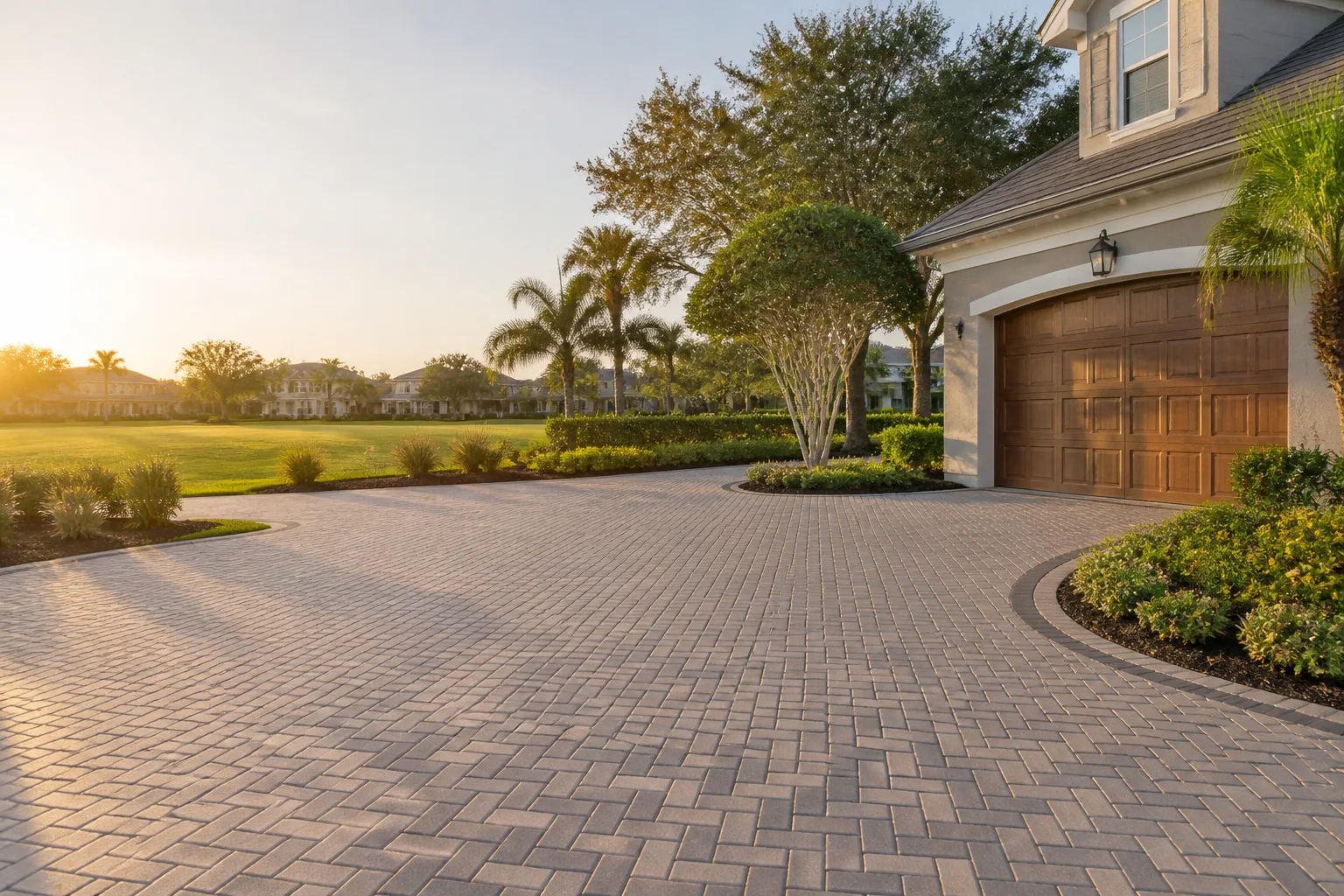
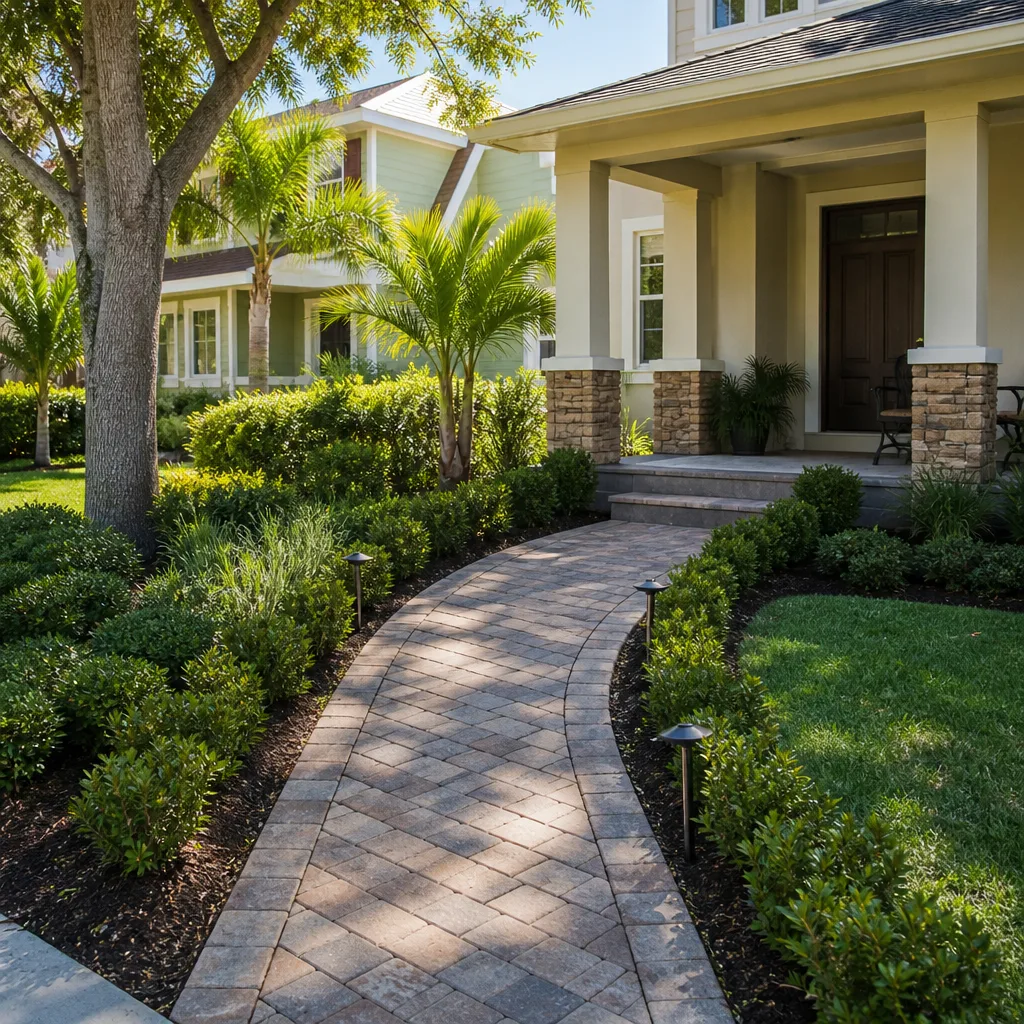
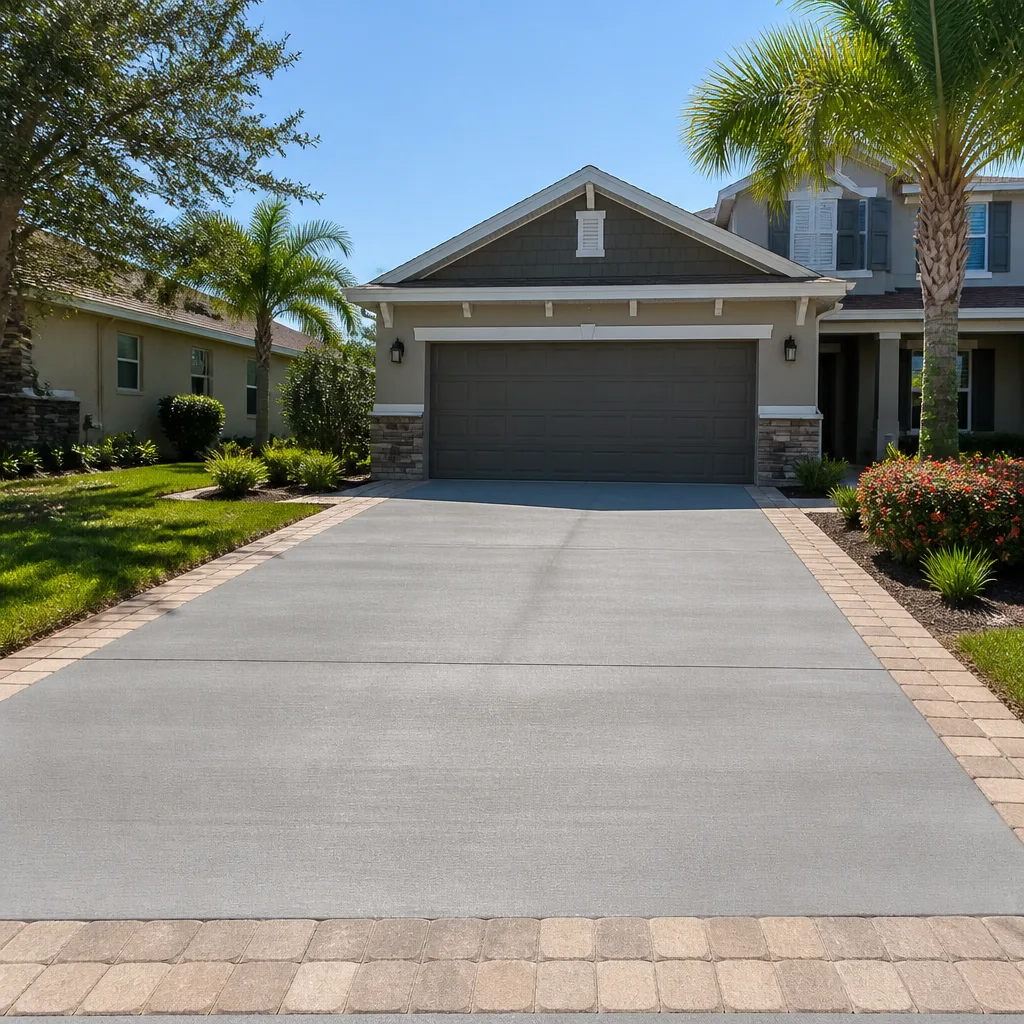
That’s the whole sequence. Two and a half weeks from first phone call to first car back in the driveway. You can read more about material choices and layout on our Driveway & Pavers in Sunrise Manor page if you want the design side before you commit to a schedule.
How Long Clark County Permits Really Take
Permit approval in Clark County for residential driveway work typically runs five to ten business days. It can go longer if the application hits a snag on drainage, right-of-way, or the base depth on your particular lot. Anything over ten days usually means someone needs to answer a question at the counter, not that the county is slow.
We hear the same story from homeowners over and over: the last guy told them permits weren’t necessary. They’re necessary on any driveway job that changes the footprint of the paved surface, connects to the public right-of-way, or re-routes how water leaves your lot. A paver driveway that sheets water onto the neighbor’s yard is going to fail inspection whether the permit was pulled or not. It’s cheaper to know that before the base is compacted.
Here’s what a realistic permit phase looks like:
- Day 1: Application submitted with site plan and drainage detail.
- Days 2 to 4: Plan review. Most residential driveways clear here without comment.
- Days 5 to 10: Permit issued, inspections scheduled. Crew gets the green light.
- During the job: Base inspection scheduled and passed before pavers go down.
Here’s the part that people ask about and the answer is simple: starting the job before the permit arrives is a mistake we won’t make. If a contractor ever suggests it, that’s your signal to walk. Permits pulled and inspections signed on every eligible job isn’t a marketing line from us, it’s the minimum standard. If a contractor can’t put the permit in writing, the rest of the paperwork is going to be just as flexible. If you’re pairing the driveway with other work around the property, Fence Installation in Sunrise Manor usually pulls its own separate permits you’ll want in the same timeline conversation.
The 72-Hour Cure Window You Cannot Shorten
After the joint sand is swept in and compacted, the driveway needs 72 hours before vehicle traffic. Not because pavers are fragile, but because the sand that locks the joints has to settle and consolidate. Drive a car over the field at hour 30 and you’ll leave ruts, break the sand bond, and create low spots that collect water for years.
Here’s what that 72-hour window actually looks like in practice:
- Hour 0: Final compaction, sand swept, site cleaned.
- Overnight: Light foot traffic across the driveway is usually fine.
- Hour 24 to 48: No vehicles. Keep the sprinklers off the field.
- Hour 72: First vehicle traffic, including passenger cars and light trucks.
- Week 2: Heavy vehicles (full-size trucks, RVs, delivery semis) are usually safe, but ask first on commercial-grade driveways.
The reason this matters more in Sunrise Manor than people expect is the heat. That doesn’t shorten the cure window, it just hides the temptation. A sunny week makes the driveway look done. It isn’t, until the sand cures. We’ve seen homeowners pull a car in at hour 36 on a hot Saturday and end up with two low spots in front of the garage door. Fixing it is a day of work and a reseat on two courses of pavers. Waiting until Monday morning would have cost nothing.
What Sunrise Manor Heat and Weather Do to the Timeline
Sunrise Manor runs hot. In June, July, and August, surface temperatures on dark pavement routinely push past 150 degrees by mid-morning. That’s a real scheduling factor, not a small one. Crews adjust start times, sometimes lay off between noon and 3 pm, and shade or wet the sand bed in ways that add hours but protect the finished surface. Installations scheduled in July and August can add one to three working days compared to a March or October installation of the same square footage.
Here’s what the calendar looks like by season in our area:
- October through April: Ideal. Crews work full days, cure window isn’t fighting anything, and the schedule usually lands on the short end of the range.
- May and September: Slightly longer days, slight weather risk from early monsoon storms. Expect the standard 14 to 18 calendar days.
- June through August: Add 2 to 4 days for heat scheduling. Afternoon monsoon storms can blow in during July, and a hard rain on fresh base means re-compacting before the next phase.
- Late July to mid-August: Monsoon season. A 30-minute storm can turn a base prep day into a re-do. Build in a buffer.
Cold isn’t the issue here, but mortar-set borders and any poured elements at the apron do have a minimum temperature. Sunrise Manor winter mornings can hit the 30s, so a March morning job may start later than the crew would like so the mortar doesn’t flash-freeze. That’s a couple of hours, not a couple of days, but it’s worth knowing.
If you’re planning to pair a driveway refresh with a bigger exterior project, the timelines stack. Our Home Additions & ADU in Sunrise Manor page walks through what that looks like when you’re pulling driveway work, additions, and utility changes all in the same season.
Legitimate Delays vs. Scheduling Problems You Should Push Back On
Some delays are real. The county asks a question about drainage and the permit sits an extra three days. Monsoon season dumps two inches of rain on a fresh base and the crew has to re-compact. A truckload of pavers shows up a day late from the supplier. Those are legitimate, and any honest contractor will put the new date in writing and explain the reason.
Other delays are scheduling problems dressed up as weather. A crew that’s “on another job.” A quote that changed after the deposit. A subcontractor who doesn’t show up. Those aren’t delays, they’re warning signs, and they’re worth pushing back on before they eat a month of your life.
Here’s how to tell the difference:
- Legitimate: New date arrives in writing along with the reason and the impact on the price. Nothing gets shifted silently.
- Legitimate: County asks a follow-up question on the permit. The contractor forwards you the county notice.
- Legitimate: Weather event documented with the storm date and the crew’s adjusted schedule.
- Not legitimate: Crew doesn’t show up on day three with no text or call.
- Not legitimate: New price appears on the invoice that wasn’t in a written change order.
- Not legitimate: The reason for the delay changes each time you ask.
This is the reason every scope, every allowance, and every price change arrives in writing before work happens on our jobs. An allowance that isn’t on paper is a surprise waiting for a date, and a date that keeps moving without explanation is the same thing wearing a hard hat.
Planning Your Life Around the Work
The reason we track the calendar days as carefully as the crew days is that driveways aren’t abstract. They hold cars, kids, trash bins, deliveries, and the neighbor who borrows the hose. Disrupting that for two and a half weeks needs a plan.
Here’s what we walk homeowners through before day one:
- Park the second car before the demo crew arrives. Street parking is usually fine in Sunrise Manor, but check HOA or county rules first if you’ve got a long-vehicle situation.
- Tell the trash service and any regular delivery drivers. Most will leave bins or packages at the curb if they know for the first week.
- Clear the trash cans, kids’ toys, and any planters off the front. Crews need access, and moving stuff yourself is faster than moving it twice.
- Plan the walking path. If the driveway is your only path to the front door, ask the contractor to stage a temporary walkway or leave a lane.
- Block the calendar on day of cure. The 72-hour window is not when you schedule the appliance delivery or the kid’s moving day. Plan nothing.
- Keep the sprinklers off. Obvious, but a south-facing Sunrise Manor yard with automatic irrigation will soak the joint sand at the worst time.
If the driveway shares space with a fence replacement or an entry upgrade, the planning is more complex. We walk through Barrett & Sons Construction Sunrise Manor home service pages and a free second opinion on any written estimate if you’ve already got a bid in hand from someone else. Comparing the schedule side by side usually surfaces the difference between a real plan and a hand-shake estimate.
Common Mistakes to Avoid
- Believing the “four day” number. If a bid only lists crew days, ask specifically for the total calendar window from permit to first vehicle traffic. The count you get back should be closer to two weeks, and if it isn’t, ask what’s being skipped.
- Letting a contractor start before the permit lands. It feels like a head start and it costs you in re-work. Unpermitted hardscape in Clark County becomes a problem at resale, and the inspector can’t sign off on work that was covered over.
- Driving on it before 72 hours. A hot week in Sunrise Manor makes the pavers feel set. They aren’t. Two hours of impatience gives you two years of low spots.
- Skipping the base inspection. The inspector works for you, not for the contractor. If a bid shields you from the inspection, the base is the thing you can’t see and the thing that fails first.
- Not asking about heat scheduling in July and August. A crew that plans normal 7 am to 4 pm hours in mid-July will be fighting the surface temperature all day. Ask how they handle it.
- Accepting a verbal change in schedule. Every date change after the contract should arrive in writing with a reason. Verbal is where projects go off the rails.
- Picking pavers off a picture online. Belgard and Techo-Bloc make excellent product, but the color on a screen in a Sunrise Manor July sun reads completely different from the sample. Look at a sample in person or on a local driveway that’s a year old.
For the material side and what patterns hold up in valley heat, our Driveway & Pavers in Sunrise Manor service page covers the details beyond this schedule guide.
See the difference
 Before
 After
 Before
 After
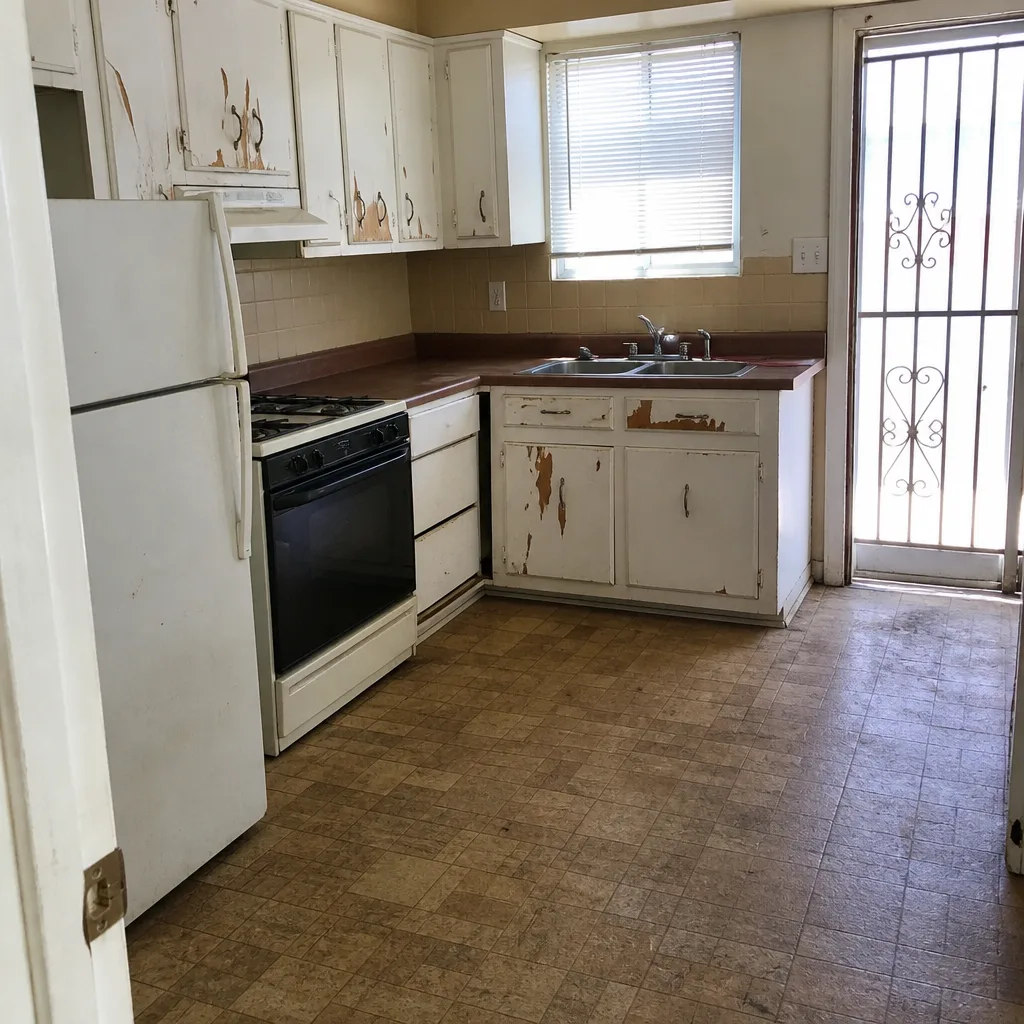 Before
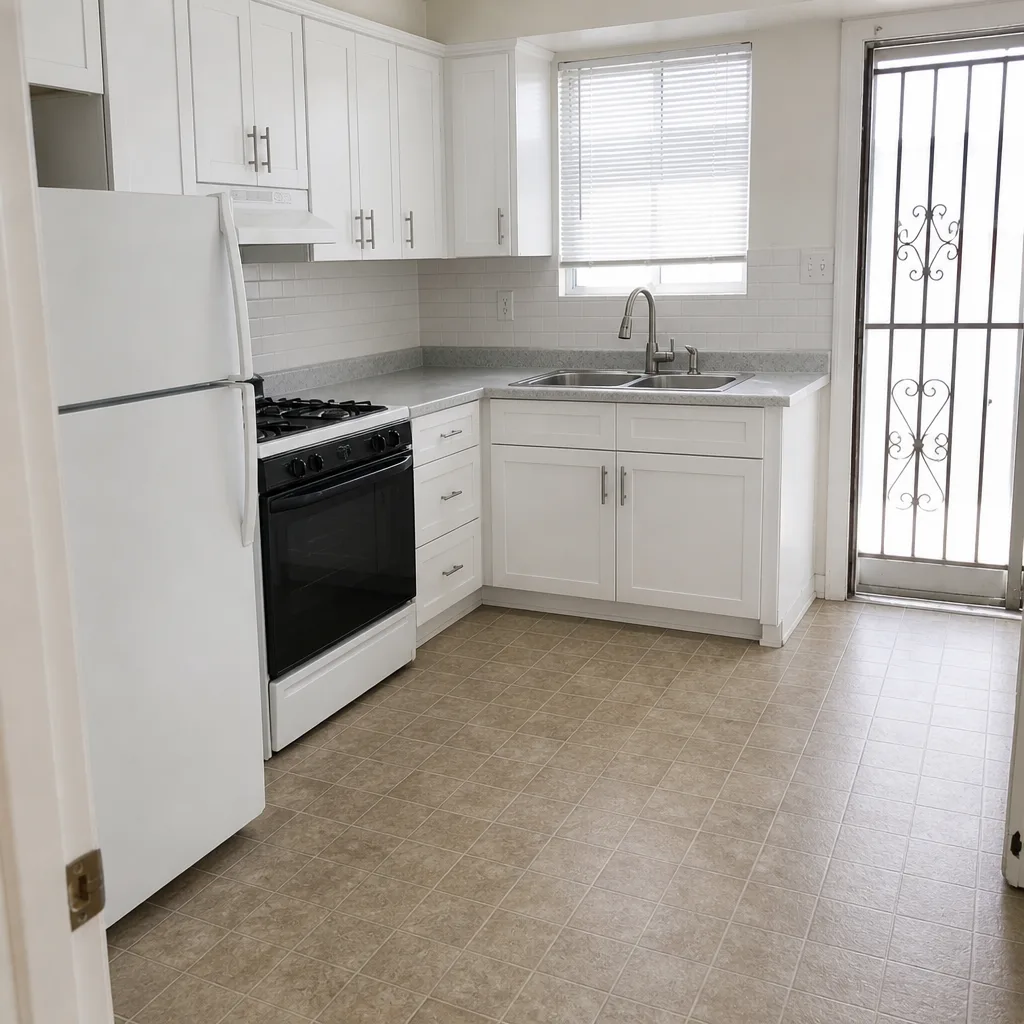 After
When to Call a Professional
Any paver driveway that changes footprint, ties into the street, or reroutes drainage needs a licensed hardscape contractor and a permit. Full stop. Every job with a base inspection, a right-of-way question, or more than 300 square feet is beyond a weekend project, no matter what a video makes it look like. Slope work, retention, and any drive that has to hold more than a passenger vehicle are also pro territory. Small repairs, single-paver swaps, and color touch-ups are the only things worth trying yourself. If you’re unsure which category you fall into, the answer is usually the pro. Barrett & Sons Construction Sunrise Manor offers free estimates in Sunrise Manor – call (844) 312-0069 to get a written scope, a realistic calendar window, and a fixed price before anything moves.
Frequently Asked Questions
Plan on 14 to 18 calendar days from permit submission to first vehicle traffic, with 3 to 5 of those days actually having crew on site. The gap is what surprises people: permit approval takes 5 to 10 business days on the front end, and joint sand needs 72 hours to cure before cars. Call (844) 312-0069 for an exact window based on your driveway’s size and layout.
No. The joint sand needs 72 hours before any vehicle traffic, and that includes your own car. Foot traffic across the drive is usually fine within 12 hours, but tires leave ruts that turn into low spots before the sand sets. Plan to park elsewhere for those three days.
Yes, summer installation in Sunrise Manor can add 2 to 4 days compared to spring or fall. Crews adjust start times, avoid mid-day surface temperatures that push past 150 degrees, and account for July monsoon storms that can undo a base prep day. Late October through April is the fastest window for the same footage.
Most paver driveways in the valley run $12 to $22 per square foot installed, before permitting. That puts a standard 600 square foot drive somewhere between $7,200 and $13,200, with color and pattern pushing the range. Call (844) 312-0069 for a written line-item quote on your actual driveway – estimates are free and there’s no trip charge inside the county.
It shouldn’t, if the bid was written properly. Any change in scope or allowance should arrive as a written change order before work proceeds, not as a surprise on the final invoice. If a contractor won’t put that in writing from the start, that’s your answer about how the rest of the project will go.
Usually yes, if the driveway changes footprint, ties into the public right-of-way, or reroutes drainage. Residential approval typically takes 5 to 10 business days, and a base inspection happens before pavers go down. Any contractor who tells you permits are optional is telling you something about the rest of the job too.
The Bottom Line
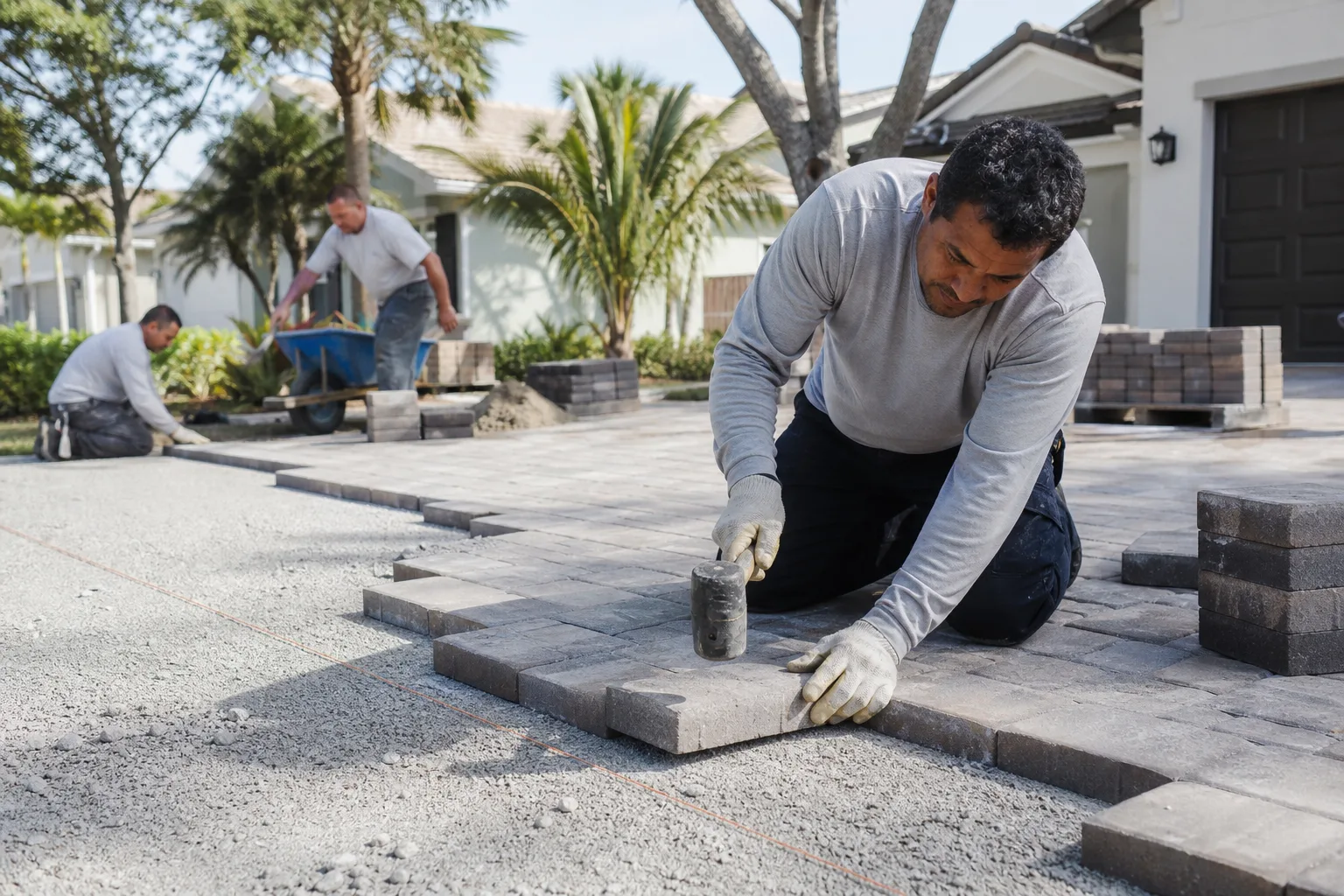
Driveway paver installation in Sunrise Manor is a two-and-a-half-week project, not a four-day one. The crew will be on site for under a week. The permit, the base inspection, and the 72-hour joint sand cure fill out the calendar around that. Plan for 14 to 18 days, add two to four if you’re installing between June and August, and treat any bid that quotes only crew days as a question worth asking. A written scope, a written calendar, and written change orders are worth more than a low number, because the low number is always going to grow as the calendar stretches. If you want a real window for your actual driveway, call Barrett & Sons Construction Sunrise Manor at (844) 312-0069 for a free estimate. We’ll walk the site, put the schedule and the price in writing, and tell you the truth about how long your car is going to be parked on the street.
Written by the team at Barrett & Sons Construction Sunrise Manor.