



Free written scope consultation - allowances, timeline, and change-order rules on paper before a single trade is scheduled
Styles & brands we work with
- Kitchen remodeling
- Bathroom remodeling
- Home additions & ADU
- Roofing
- Windows & doors
- Driveway & pavers
- Fence
See the difference
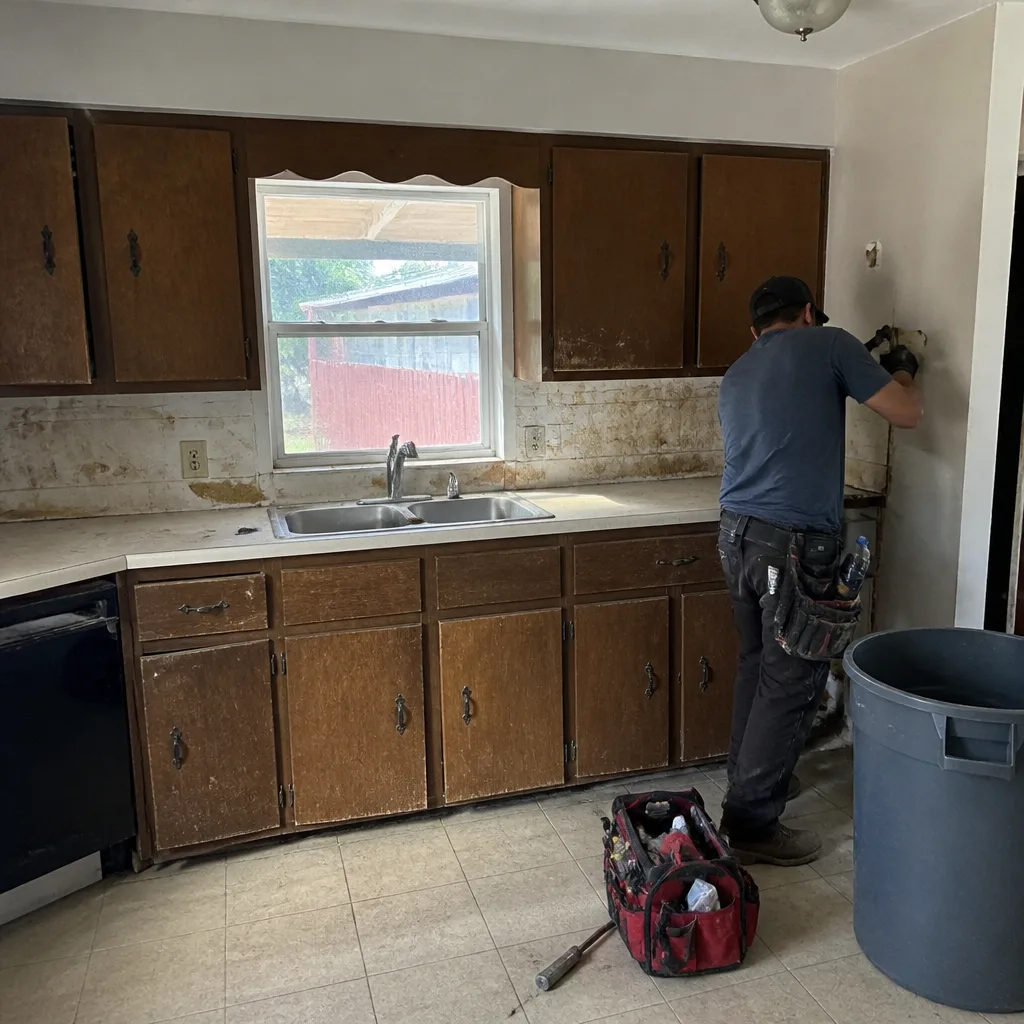 Before
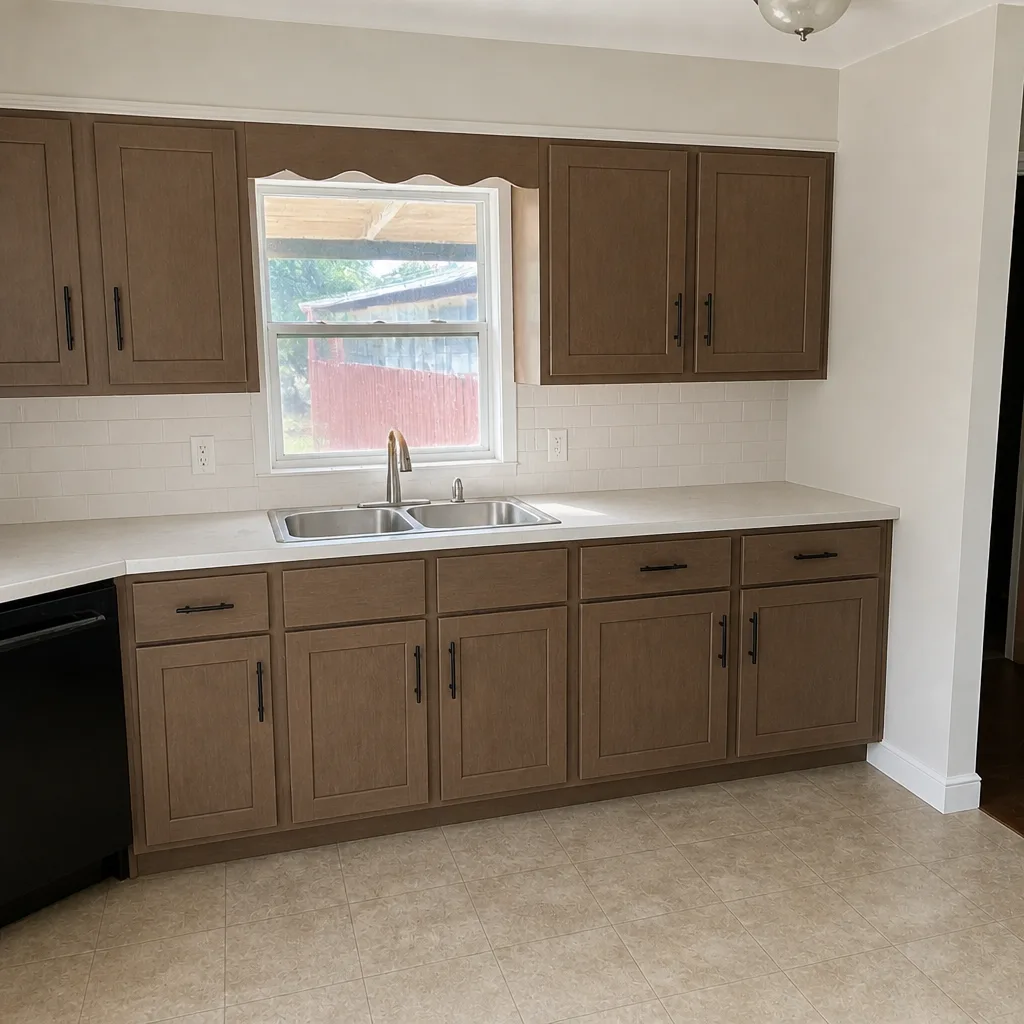 After
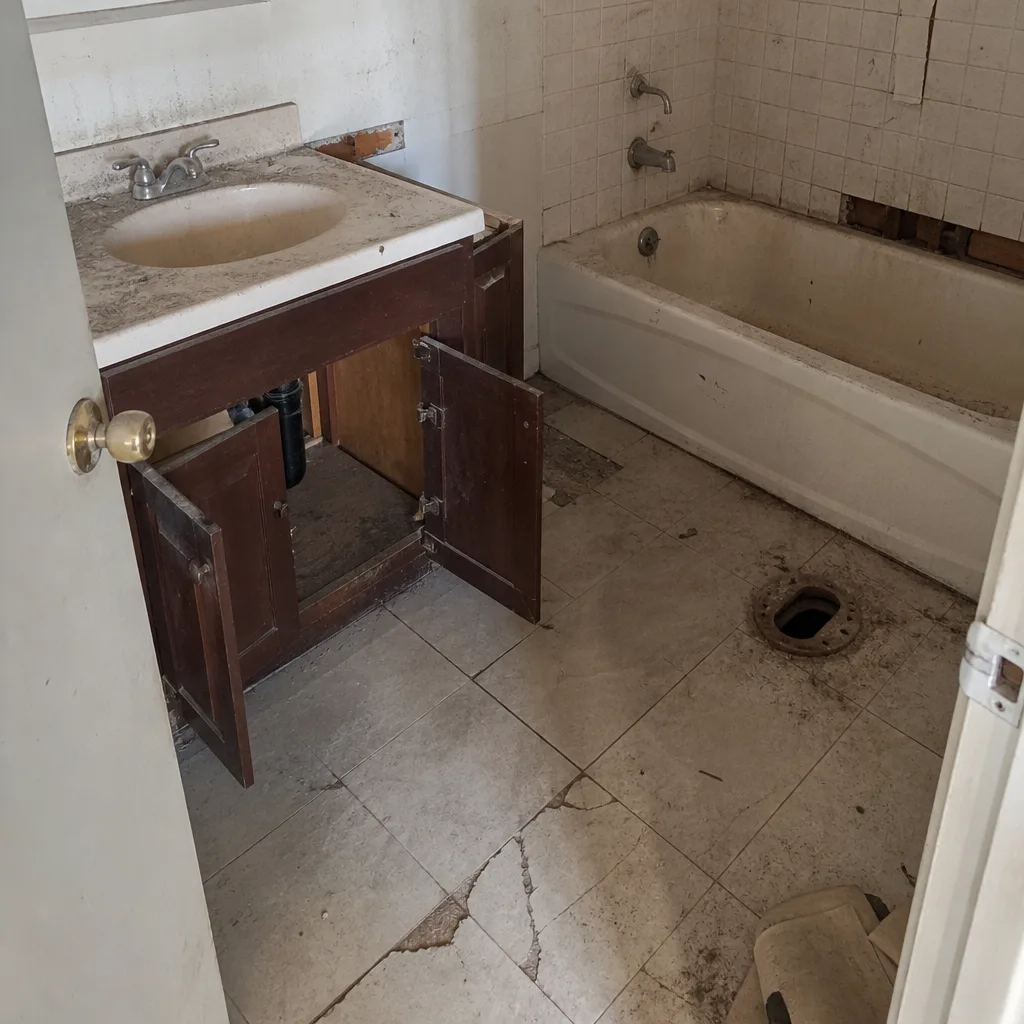 Before
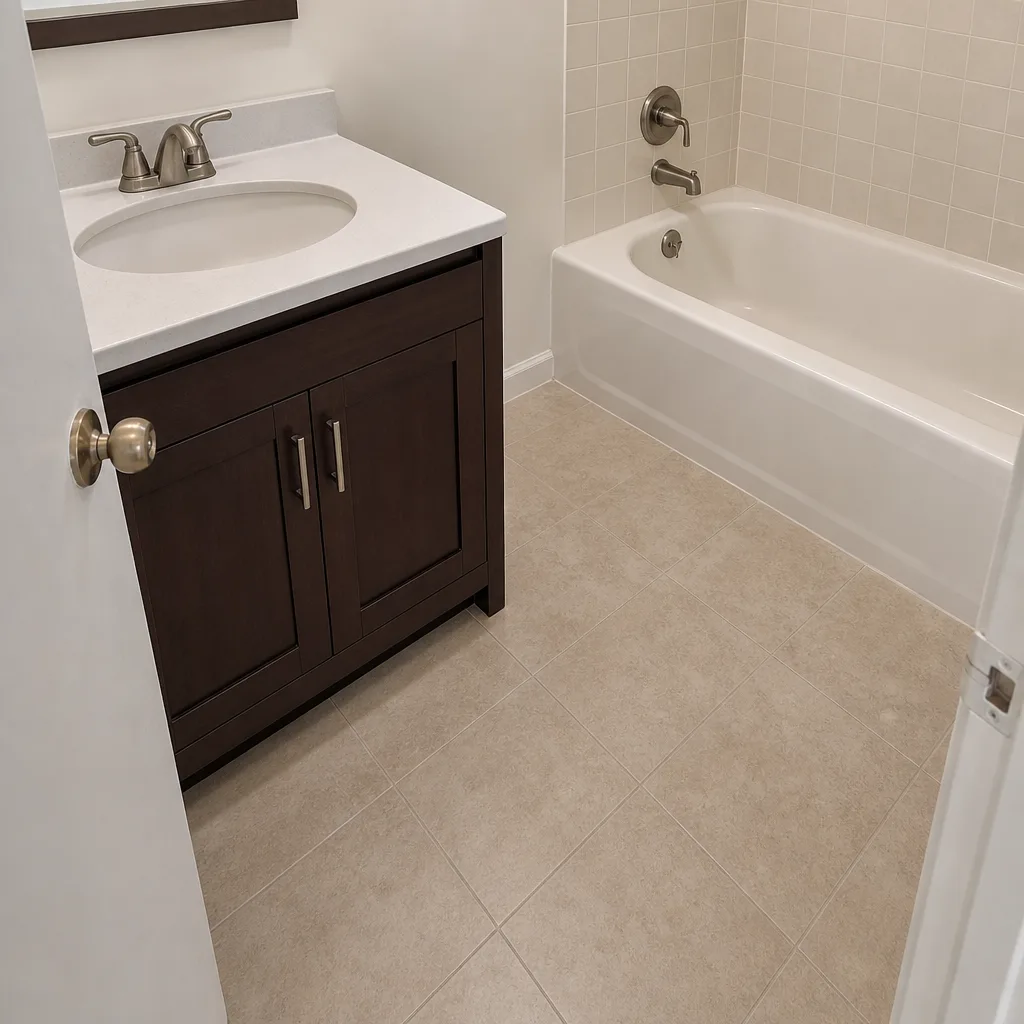 After
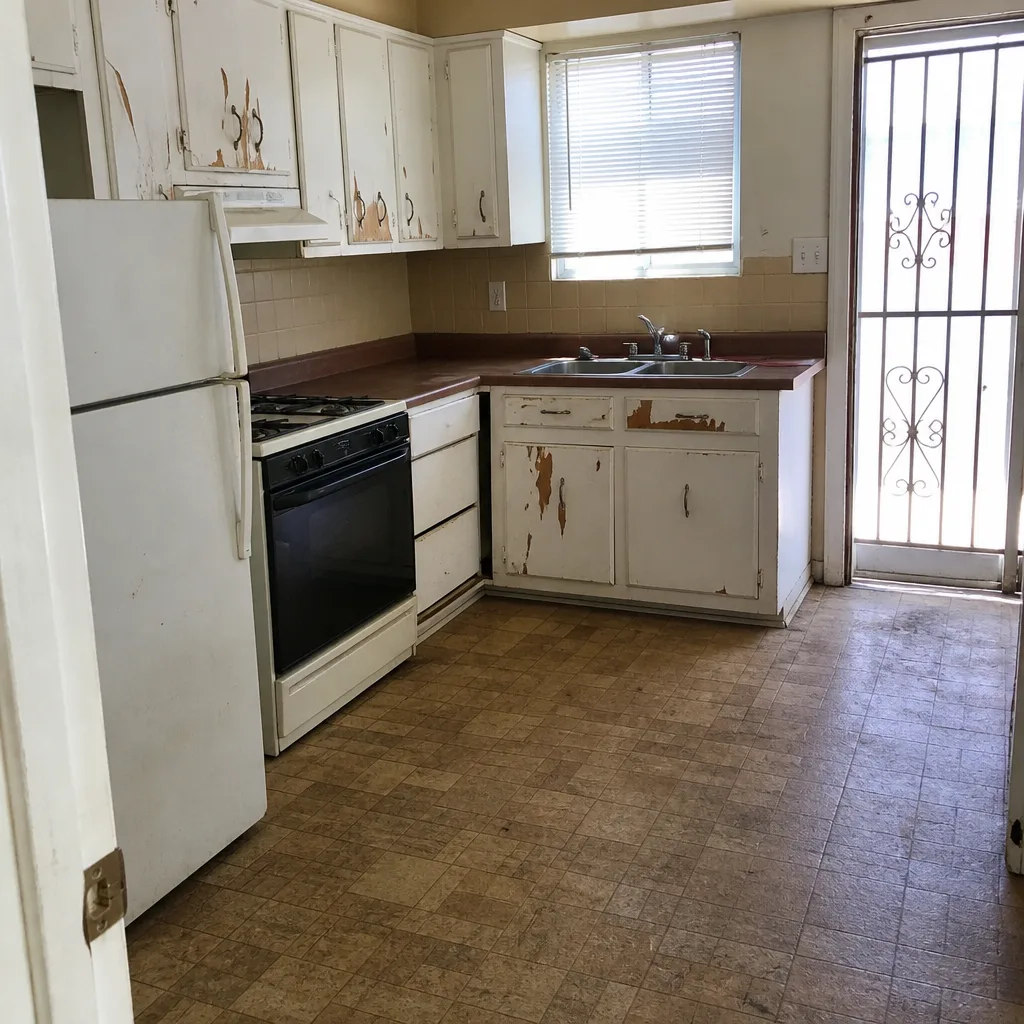 Before
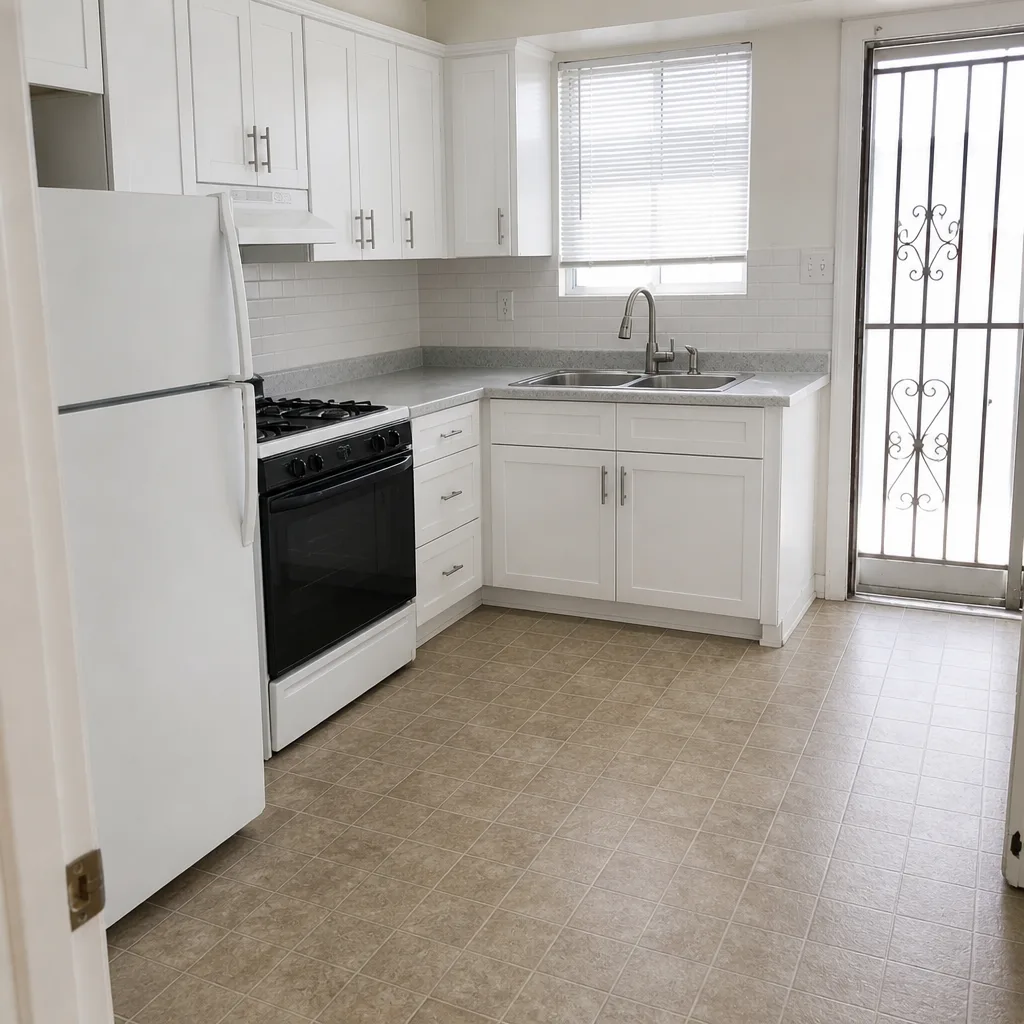 After
What Does a General Contractor Do in Sunrise Manor, NV?
A general contractor plans the job, pulls the permits, hires and sequences the trades, manages the budget and schedule, and answers for the finished work. In Sunrise Manor, that job carries extra weight: because so much of the township’s housing went up without Clark County permits, a good GC is often the first person who finds out what your house is actually made of – and the first person who decides whether to fix it right or paper over it. For a straight answer on your own project, call (844) 312-0069.
Key takeaways
- A GC is your single point of accountability: one contract, one schedule, one number to call when something’s wrong.
- In unincorporated Sunrise Manor, that means county permits and county inspections, not City of Las Vegas ones.
- On older homes, the first real task is triage of prior unpermitted work before design is finalized.
- On Nellis-side tract homes, it means getting the engineer’s stressing plan before anyone touches a post-tension slab.
- Every price change should arrive as a written change order before work moves – not as a surprise at the end.

What the job actually looks like on a Sunrise Manor house
Most guides describe a GC as a scheduler and a buyer. Half of that is right. Scheduling framing, roofing, and finish trades so they don’t trip over each other is real work. So is ordering materials and holding the budget. But here, the paperwork and the diagnosis come first, and they’re where a project lives or dies.
Sunrise Manor is an unincorporated Clark County township. There’s no city hall running its own inspection department over your address, so permits come from Clark County and inspections are scheduled with the county building department. That sounds like a small distinction. It isn’t. An operator who’s used to City of Las Vegas jurisdiction, or who never pulls permits at all, will get the sequence wrong or skip it entirely – and you’re the one holding a stop-work notice or a disclosure problem when you sell.
The permit function, spelled out
Pulling the county permit is step one. The GC then schedules each inspection phase in the right order – footing, slab, framing, rough trades, final – and coordinates the subs so the inspection isn’t failed because someone wasn’t ready. Our crew members treat the inspector as an ally, not an obstacle: the inspector works for you, not for us. That’s why every eligible job we take on includes permits pulled and inspections signed.
Unpermitted-work triage
On the older core streets – the 1950s through 1970s single-story block and wood-frame ranch homes – we routinely find add-on rooms, enclosed carports, and converted patios that were never permitted. Those structures have to be brought up to Clark County code before a new permit can be signed off. A GC’s job is to assess them before the design is locked, price the correction honestly, and put it in writing. Skipping that step is how a straightforward kitchen turns into a four-month surprise.
Post-tension slab coordination
Head east toward Nellis and the housing stock flips. The 1990s and 2000s stucco-on-frame production homes sit on post-tension slab foundations, and those slabs are not something you cut or core on a hunch. The GC’s job is to obtain the structural engineer’s stressing plan before any slab trade starts. Cut a tendon without it and you’ve done structural damage that a warranty won’t cover and a patch won’t fix. It’s a coordination step, not a sales pitch – and it’s the kind of thing that separates a real GC from a guy with a truck and a business card.
Why written change orders matter as much as the framing crew
Homeowners remember the visible work. What they remember longer is the invoice. The administrative side of a GC’s job – documenting every scope change and every allowance adjustment in writing before work proceeds – is what protects you from the bill that shows up six weeks after the last nail.
An allowance that isn’t on paper is a surprise waiting for a date. So we put scope in writing, allowances in writing, and change orders in writing. If a cabinet line comes in higher than the allowance, you see it before we order. If a wall opens up and there’s rot behind it, you see the change order before anyone touches it. That’s not paperwork for its own sake. It’s the difference between a budget and a guess.
On material selection, we work in brands you can look up rather than mystery labels off a van. In a Sunrise Manor bathroom remodel, that might mean Kohler fixtures and a Moen valve you’ll still be able to get a cartridge for in fifteen years. In a kitchen, it’s the cabinet and counter lines we can show you in a catalog, not a photo on a phone.
What a general contractor typically costs here
A GC doesn’t charge a flat fee – the cost lives inside the project, and the ranges below reflect the Sunrise Manor market for the trades we coordinate. These are project ranges, not estimates for your specific house; the only number that means anything is the one in your written scope.
| Project | Typical range in Sunrise Manor |
|---|---|
| Bathroom remodel | $9,000 – $28,000 |
| Small bathroom remodel | $5,000 – $12,000 |
| Walk-in shower installation | $4,500 – $12,000 |
| Kitchen remodel | $14,000 – $45,000 |
| Roof replacement | $8,000 – $20,000 |
| Roof repair | $400 – $1,800 |
| Window replacement | $4,500 – $15,000 |
| Home addition | $45,000 – $130,000 |
| ADU construction | $90,000 – $220,000 |
Two things drive those numbers up or down in this township. First, the climate: the Mojave summer runs weeks over 105°F with single-digit humidity, which cooks flat-roof membranes, wears out swamp cooler pads, and drives the thermal movement that cracks stucco and slab edges. We schedule around dawn starts and afternoon heat because a crew working in the worst of it does worse work. Second, monsoon season – July through September – dumps rain fast enough to overwhelm undersized drainage and flood flat-roof and hardpan-yard lots. If your roof or drainage is already marginal, the repair is cheaper before the storm than after.
For a look at how we run whole-house work, see our home page and the way we scope projects from the first walkthrough.
Common local scenarios a Sunrise Manor GC walks into
After enough years on these streets, the patterns repeat. These are the ones we see most:
- The Nellis-side tract home with a warranty-style failure. A 2000s stucco-on-frame house needs a tile roof repair or a window replacement, and the homeowner wants it done to the same standard as the original build. Straightforward – as long as nobody cuts the post-tension slab without the stressing plan.
- The 1960s ranch with a mystery addition. A converted carport or an add-on room built decades ago without a permit. Before a bathroom remodel or a kitchen remodel can be signed off, that structure gets assessed and brought to code. The triage is the project.
- The large lot that wants a detached shop or a block wall. Plenty of Sunrise Manor lots have room for a home addition or ADU, a carport, or a block-and-stucco wall – which means county permits and inspections on a structure that isn’t attached to the house.
- The flat-roof house headed into monsoon season. Low-slope roof membranes that have baked for a decade, undersized drainage, and a hardpan yard that doesn’t absorb. A roof repair in April costs a fraction of the flood damage in August.
Why the accountability function is the whole job
Everything above – permits, triage, slab coordination, written change orders – comes down to one thing: someone has to answer for the work. That’s the function a GC performs that no individual trade can. The framer isn’t going to call the county inspector. The cabinet installer isn’t going to catch a rotting carport wall. Somebody has to hold the whole picture and be reachable when something goes sideways.
Barrett & Sons Construction Sunrise Manor has been owner-operated since 1998, and that structure is the point: Tom and his sons are on-site most days, so “the GC” isn’t an abstract entity or a call center – it’s a person whose name is on the truck and who lives in the same community as the homeowner. Our technicians have up to 28 years of experience, every eligible job gets permits pulled and inspections signed, and every completed job carries the written 90-Day Done Right Promise: if it isn’t done right, one call brings Tom back to make it right. The local pro we put on your job is licensed and insured as their state requires, and we’d rather you look it up than take our word for it.
If you want to compare notes before you commit to anything, we offer a free second opinion on any written estimate – and no trip charge inside the county.
FAQs
A general contractor manages the whole project – permits, inspections, trade sequencing, budget, and legal accountability for the finished work – while a handyman handles small repairs that typically don’t require a county permit. If your job involves structural changes, an addition, or anything that needs inspection, you need a GC. Call (844) 312-0069 and we’ll tell you honestly which one your project calls for.
Yes, for most structural, electrical, plumbing, and addition work – Sunrise Manor is unincorporated, so permits come from Clark County rather than the City of Las Vegas. The county building department signs off on the inspection phases, and skipping that step creates real trouble at resale. Call (844) 312-0069 for a free estimate that includes the permit scope in writing.
Yes – and on the older core streets, that triage is often the first phase of the project. Prior unpermitted additions and enclosed carports have to be brought to Clark County code before a new permit can be signed off, so a GC assesses them before the design is finalized. Call (844) 312-0069 to walk through what you’re dealing with.
The GC’s cost is built into the project rather than charged as a separate flat fee, so a bathroom remodel runs $9,000-$28,000 and a kitchen remodel runs $14,000-$45,000 at Sunrise Manor market rates. Roof replacement sits at $8,000-$20,000, and additions start around $45,000. Call (844) 312-0069 for an exact quote – estimates are free, and every change order comes to you in writing before work moves.
If you’d rather have it looked at, Barrett & Sons Construction Sunrise Manor offers a no-pressure assessment in Sunrise Manor – call (844) 312-0069 for a free estimate and we’ll put the whole scope in writing before anything starts.
Written by the team at Barrett & Sons Construction Sunrise Manor, serving Sunrise Manor, NV.