
Last updated November 18, 2026








Free written scope consultation - allowances, timeline, and change-order rules on paper before a single trade is scheduled
How Long Does Bathroom Remodeling Take? Timelines and What to Expect
The national average for a full bathroom remodel is 3-5 weeks. But in Clark County, permit processing alone can add 10 business days if the application isn’t submitted before demo starts – a detail most homeowners never hear until they’re already tearing out tile. That gap between the number a contractor promises and the calendar the job actually keeps is where projects go sideways. This guide breaks down a real phase-by-phase schedule, explains what “working days” actually means on paper, and shows you how to pressure-test a contractor’s plan in Sunrise Manor before you sign anything.
Quick Answer
A typical full bathroom remodel takes about 3 to 6 weeks on the calendar, or 20 to 40 working days of actual construction. On a standard Sunrise Manor job, plan for roughly 10 business days of Clark County permit processing and inspection scheduling layered on top, so a realistic start-to-finish window is closer to 5 to 8 weeks from the day you sign.
Styles & brands we work with
- Kitchen remodeling
- Bathroom remodeling
- Home additions & ADU
- Roofing
- Windows & doors
- Driveway & pavers
- Fence
Table of Contents
- Phase-by-Phase: What Actually Happens and How Long Each Stage Takes
- Clark County Permits and Inspections: The Schedule Step Most People Forget
- The Three Most Common Schedule Killers (and How to Pressure-Test Your Contractor)
- What “Working Days” Really Means on a Remodel Contract
- Questions to Ask During the Bid That Expose a Real Schedule
- Why Sunrise Manor Bathrooms Have Their Own Timeline
- Common Mistakes to Avoid
- When to Call a Professional
Phase-by-Phase: What Actually Happens and How Long Each Stage Takes
Every bathroom job moves through the same stages in the same order. When a contractor gives you a total, ask them to break it into something like this. A plan that can’t be split into phases usually means the number you heard was a closing tactic, not a schedule.
- Demo and haul-away: 1-2 working days. Tearing out old tile, fixtures, and drywall moves fast. On Sunrise Manor homes built in the 1990s, we’ve pulled out more than one shower pan to find thin-set over drywall where a waterproof membrane should be, which adds a day for cleanup and re-prep.
- Rough-in plumbing and electrical: 3-5 working days. New drain lines, supply lines, and venting. This is the stage that has to pass inspection before anything gets closed up behind a wall.
- Rough-in inspection: same day to 5 business days. Depends entirely on whether the contractor pre-scheduled the inspection or waits to call after the rough-in is done. More on this below.
- Insulation, drywall, and waterproofing: 3-4 working days. Drywall mud needs time to cure before tile goes on. Products like Schluter membranes change this a little for the better because they’re thinner and faster to install than cement board with a mud bed.
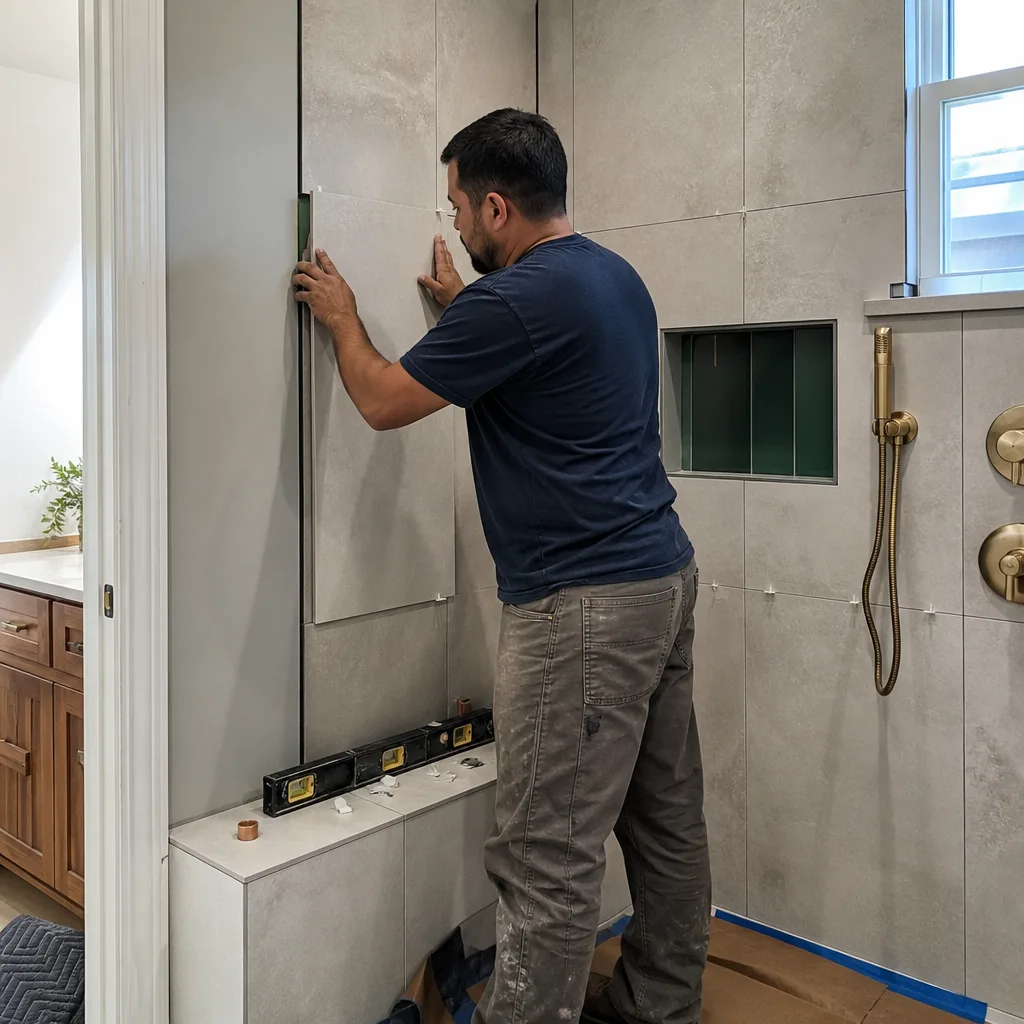
- Tile work: 4-8 working days. Floors, walls, shower pan, and setting time between coats. Larger-format tile is faster to set but slower to cut and lay out.
- Fixtures, vanity, and trim: 2-4 working days. This is where back-ordered fixtures stall a job that everything else finished on time. A Grohe shower system or a Sterling tub that’s on a four-week freight run will sit there waiting while the rest of the bathroom is done.
- Final inspection and punch list: 2-5 working days. Everything gets signed off, then the punch list gets walked and closed.
That’s 20 to 35 working days of hands-on construction on a standard job. The reason homeowners so often hear “3 weeks” and end up living with a half-finished bathroom in week six is almost always what happens between those phases, not inside them.
Clark County Permits and Inspections: The Schedule Step Most People Forget
A full bathroom remodel in Clark County almost always requires a permit. That permit is not a rubber stamp, and the inspection calendar is not on your contractor’s schedule – it’s on the county’s. If the permit application isn’t submitted before demo starts, you can lose 10 business days or more waiting for approval before any rough-in work can be signed off.
The bigger issue is inspection scheduling. Once your rough-in plumbing and electrical are complete, an inspector has to look at them before the walls close. Some contractors finish the rough-in, then call for an inspection, and wait. Depending on the county’s workload and the day of the week, that wait can be several days to a couple of weeks. A contractor who knows the inspection system pre-schedules the rough-in and final inspections in advance, times the phase completion to land right before the inspection window, and keeps the crew productive on another part of the job instead of standing around waiting.
Ask any contractor bidding your Sunrise Manor bathroom this directly: “Do you pre-schedule your rough-in and final inspections, or do you call when you’re done?” The answer tells you whether they’ve planned the schedule or just given you a number. In our experience, the contractors who pre-schedule also carry the permit through to a signed final inspection instead of handing the homeowner a stack of paperwork and telling them “the county will get to it.” The permit inspector works for you, not for the contractor – the sign-off on the wall is proof the work behind it is right.
The Three Most Common Schedule Killers (and How to Pressure-Test Your Contractor)
Most bathroom jobs that stretch past their promise do so for one of three reasons. None of them is hidden. A contractor who’s actually planned the job will have an answer for all three at the bid.
- Special-order tile. If the tile you picked isn’t a stock item, order lead time can run 2 to 6 weeks. Ask your contractor to confirm the tile is in hand – not “on order” – before demo starts. A good plan sequences the tile delivery against the demo and rough-in dates so it arrives the day before tile sets, not the week after.
- Back-ordered fixtures. Faucets, shower valves, vanities, and tubs all have their own lead times. Ask the contractor to give you a written materials list with delivery dates for each item before you sign. If a Grohe or Sterling product is back-ordered, you want to know on day one, not on day eighteen with a hole in the wall.
- Undiscovered subfloor rot. This one isn’t a supply problem – it’s a discovery problem. On Sunrise Manor homes with slab foundations, a slow leak under a shower pan can rot the framing you can’t see until demo. Ask the contractor how they handle a change order when rot is found, what it costs per linear foot to repair, and how many days it adds. If the answer is “we’ll figure it out when we get there,” you’re looking at a schedule that has no plan for the most common surprise on a bathroom job.
The pattern across all three: a real plan has a written answer for what happens when things go wrong, and a written change order arrives before any extra work starts. An allowance or lead time that isn’t on paper is a surprise waiting for a date.
What “Working Days” Really Means on a Remodel Contract
When a contract says “20 working days,” it means 20 days the crew is on site and working. That is not the same as 20 calendar days, and the gap between them is where most timelines fudge.
Working days usually exclude weekends and holidays. They may exclude days the crew is on another job, or days waiting on a supplier delivery, or days when the county hasn’t yet signed off and no one can proceed. Read the contract language carefully. If it says “approximately three weeks” without a definition, you have no real commitment on paper. If it says “twenty working days from permit issuance, weather and material delivery permitting,” you have a schedule you can hold the contractor to.
The other factor in the calendar is trade sequencing. A plumber, an electrician, a tile setter, and a finish carpenter don’t all work at the same time. Each trade arrives, does its piece, and leaves. If the sequence is tight, the calendar stays short. If the plumber can’t get to the rough-in until next Tuesday because the contractor didn’t lock in the sub, the whole job slides. Ask the contractor to name the trades scheduled for your job and confirm the dates in writing. In Sunrise Manor, the good crews are booked two to three weeks out on average, which is a sign the calendar is real, not a sign to walk away.
Questions to Ask During the Bid That Expose a Real Schedule
A contractor who has planned the job will answer these without hesitation. A contractor who’s giving you a number to close the sale will get vague. Either way, the answer tells you what you need to know before you sign:
- “What’s the permit turnaround for a bathroom remodel in Clark County right now, and when do you submit?” A real answer references the county’s current process and a specific submission date.
- “When do you pre-schedule the rough-in and final inspections?” The answer should be at the start, not at the end of the rough-in.
- “What’s the lead time on the tile and fixtures I picked?” A real answer is specific to the products, not a general “a few weeks.”
- “How do you handle a change order for subfloor rot?” The answer should include a written scope, a per-unit cost, and a days-added estimate.
- “What does ‘working days’ mean in my contract?” If the contractor can’t define it on the spot, the contract won’t define it either.
- “Can I get the schedule in writing with the bid?” A written phase schedule with dates, not just a total, is the single most reliable signal that the contractor has actually planned the job.
Ask these questions before you compare prices. A bid that’s $2,000 higher but has a written schedule that holds versus a bid that’s $2,000 lower with a promise on the back of a business card isn’t really a price comparison. The free second opinion on any written estimate is a good way to get a second set of eyes on the schedule itself before you commit.
Why Sunrise Manor Bathrooms Have Their Own Timeline
Sunrise Manor sits in the northeast valley, where the summer heat and the older housing stock both shape a bathroom job in ways a national timeline doesn’t account for.
The heat matters. Setting tile or drywall mud in a house with an unshaded west-facing wall and no A/C running because the panel is off for electrical rough-in can slow cure times and push the tile stage a day or two longer in July and August than in October. A contractor who schedules tile work for early morning in the summer, before the house hits 105 inside, keeps the calendar honest. A contractor who doesn’t may find the thinset skimming over before the tile is laid.
The housing stock matters too. A lot of Sunrise Manor homes were built between the late 1970s and the early 2000s. The older ones often have original plumbing, original cast-iron or galvanized drain lines, and shower pans that were waterproofed with a method that hasn’t been standard for 30 years. When a full bathroom remodel in Sunrise Manor opens up a wall, the odds of finding something behind it that has to be brought up to current code are higher than on a newer build. That doesn’t mean the job is a nightmare – it means the contractor who’s worked in Sunrise Manor before budgets for it and prices the change order in advance, while the contractor from out of town doesn’t and blames the discovery on the house.
If your project grows beyond a single bathroom into something larger, our Home Additions & ADU in Sunrise Manor page covers how a bathroom addition sequences against a bigger build. For the exterior side of the project – a bath addition, a new garage, or a detached unit – see Driveway & Pavers in Sunrise Manor and the Fence Installation in Sunrise Manor pages, since the exterior work has its own permit and inspection schedule that runs alongside the interior.
Common Mistakes to Avoid
- Starting demo before the permit is issued. In Clark County, that can cost you 10 business days of dead time with your bathroom torn apart and no rough-in approved. Wait for the permit in hand.
- Ordering tile after demo starts. Special-order tile can take 2 to 6 weeks. Order it against the schedule, not after the tile setter shows up.
- Believing the total without the breakdown. A “three-week” quote with no phase schedule is a wish, not a plan. Ask for the phase-by-phase breakdown in writing.
- Signing a contract that doesn’t define “working days.” If the contract doesn’t define the term, it means whatever the contractor wants it to mean on week five.
- Leaving change orders verbal. Every scope change and every dollar should arrive as a written change order before the work happens. A verbal change order is a bill you didn’t agree to.
- Skipping the pre-inspection walk-through. Doing a walk-through on the rough-in before the inspector arrives catches the small stuff that would otherwise fail and cost another week.
- Relying on a national average for a Sunrise Manor timeline. The national 3-5 week figure ignores Clark County permit timing and older valley housing stock. Local numbers are the only numbers that hold.
When to Call a Professional
Some bathroom work is genuinely a homeowner’s job – a new vanity, a faucet swap, a fresh coat of paint. But the moment the work touches the plumbing inside the wall, the electrical panel, the shower pan waterproofing, or anything that needs a Clark County permit, it moves into territory where a mistake costs more to fix than the whole job would have cost done right. Rot behind a shower wall, a drain that doesn’t pitch correctly, a waterproofing layer installed wrong – none of these show up until months later, when the damage is already done. That’s the point to call a professional.
Barrett & Sons Construction Sunrise Manor offers free estimates in Sunrise Manor – call (844) 312-0069 to schedule yours, and bring the written bid from any contractor you’re comparing. Every eligible job we take gets permits pulled and inspections signed, and every price change arrives as a written change order before the work touches the wall.
See the difference
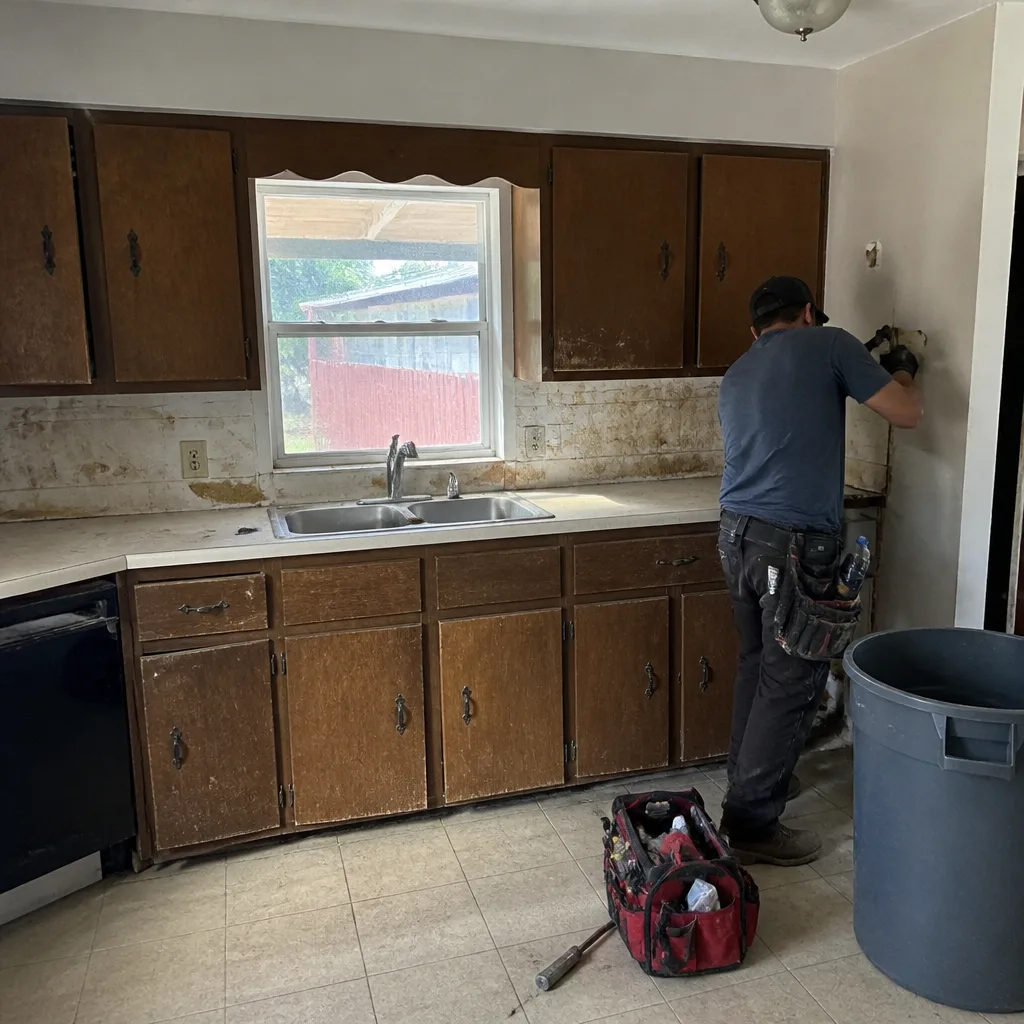 Before
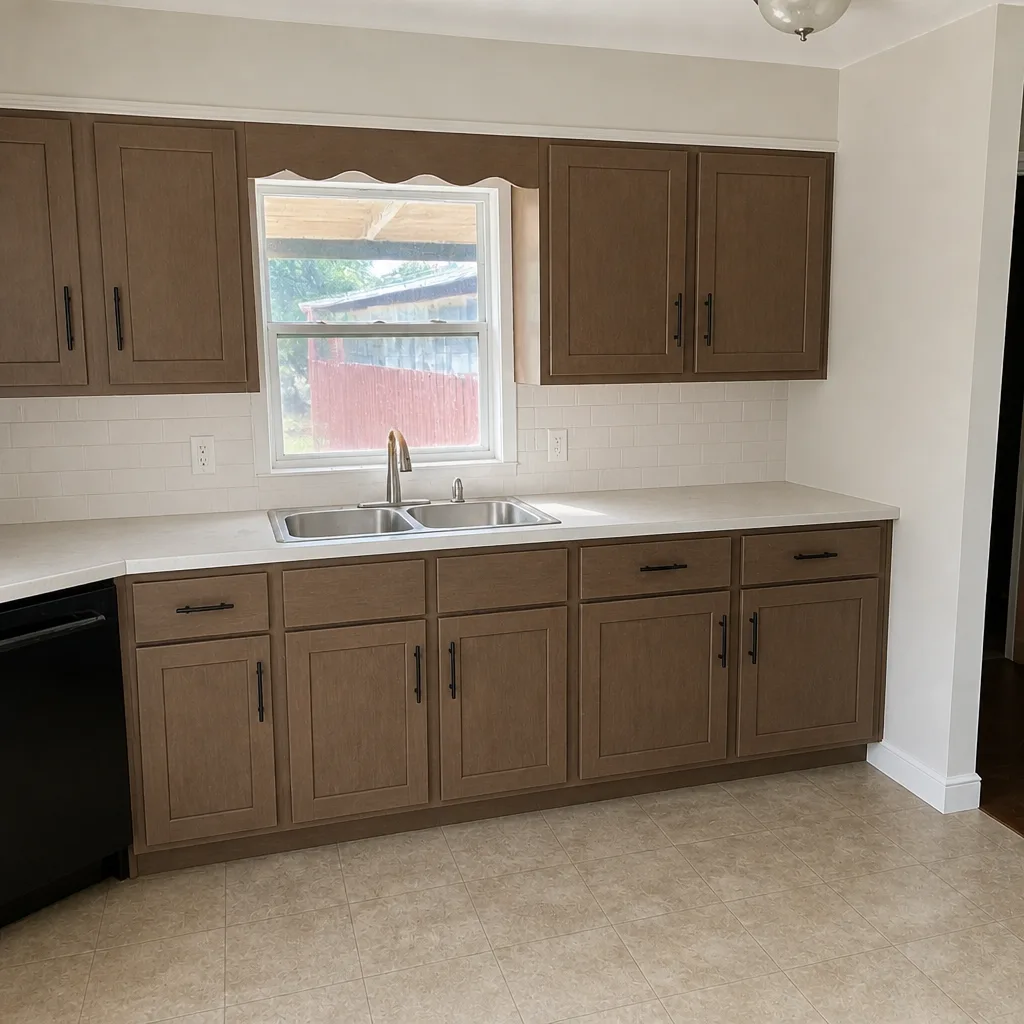 After
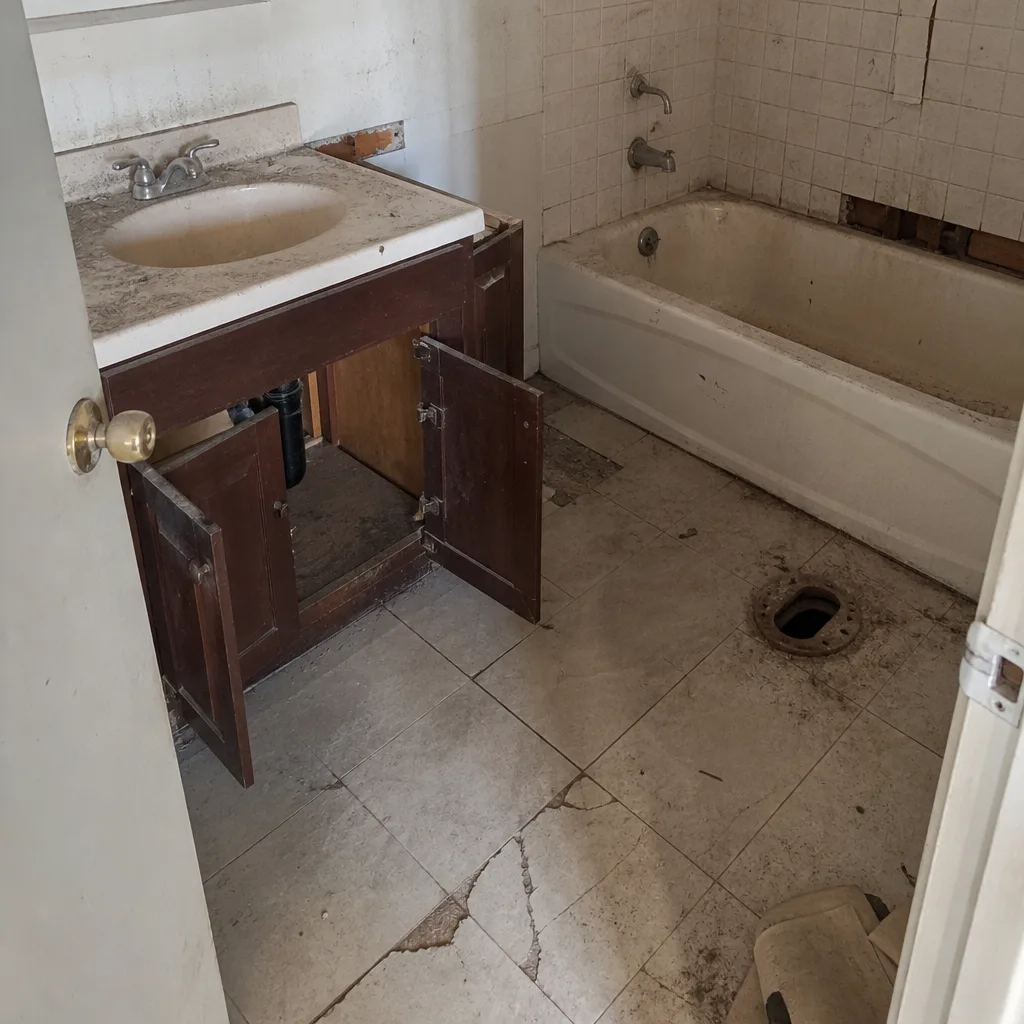 Before
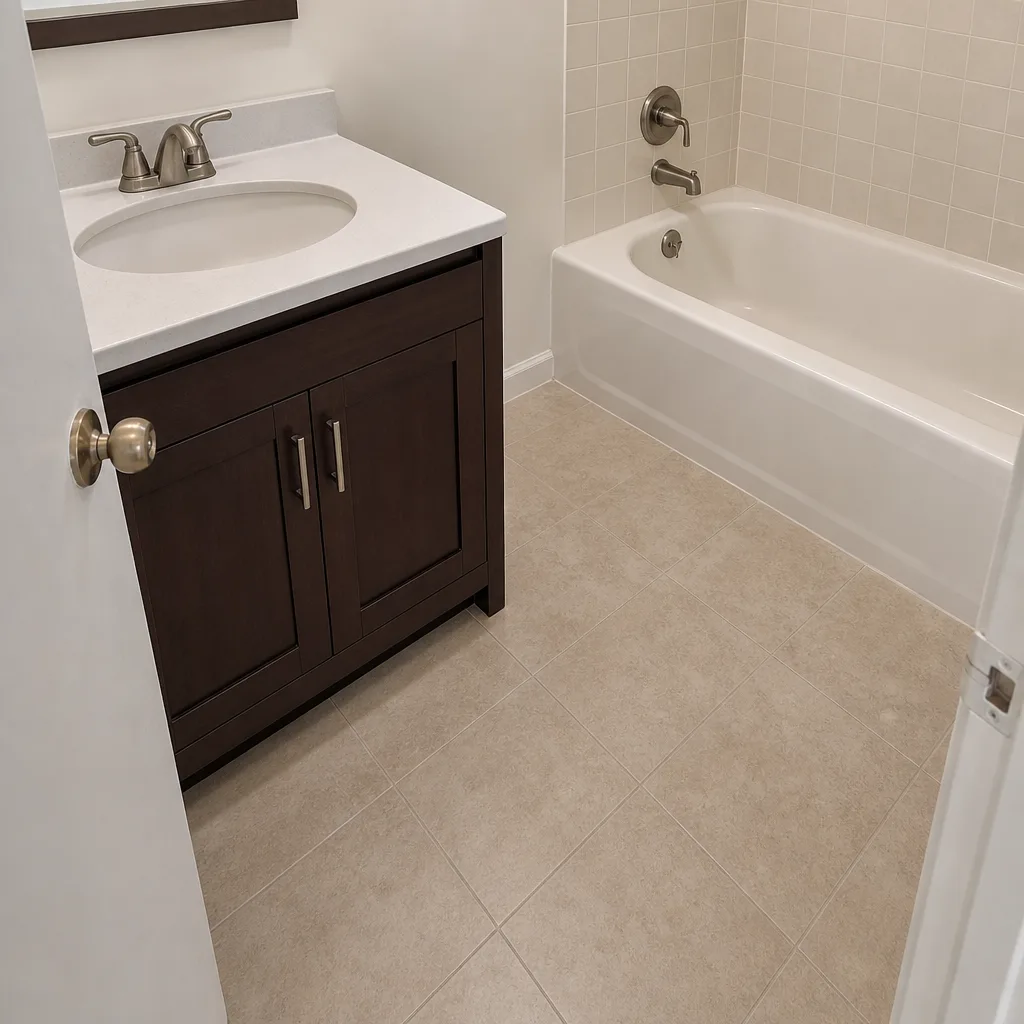 After
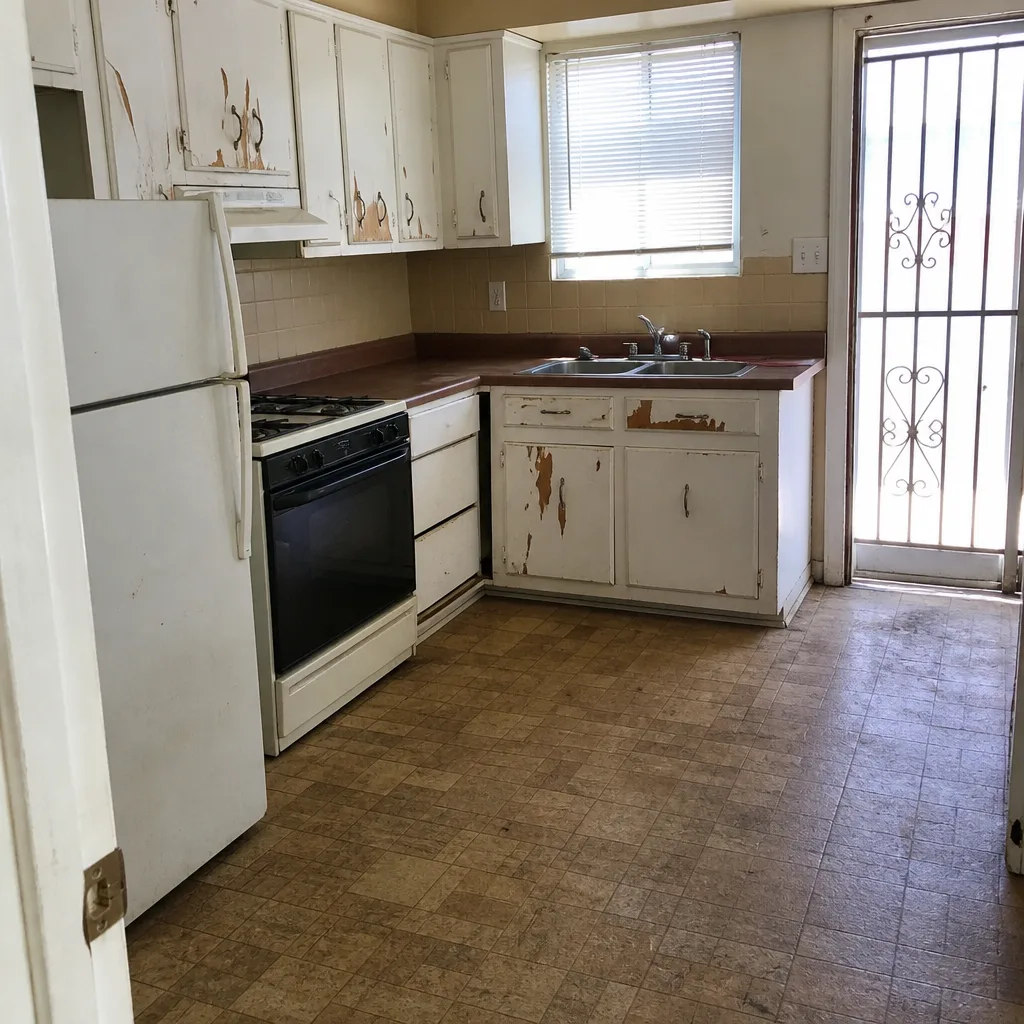 Before
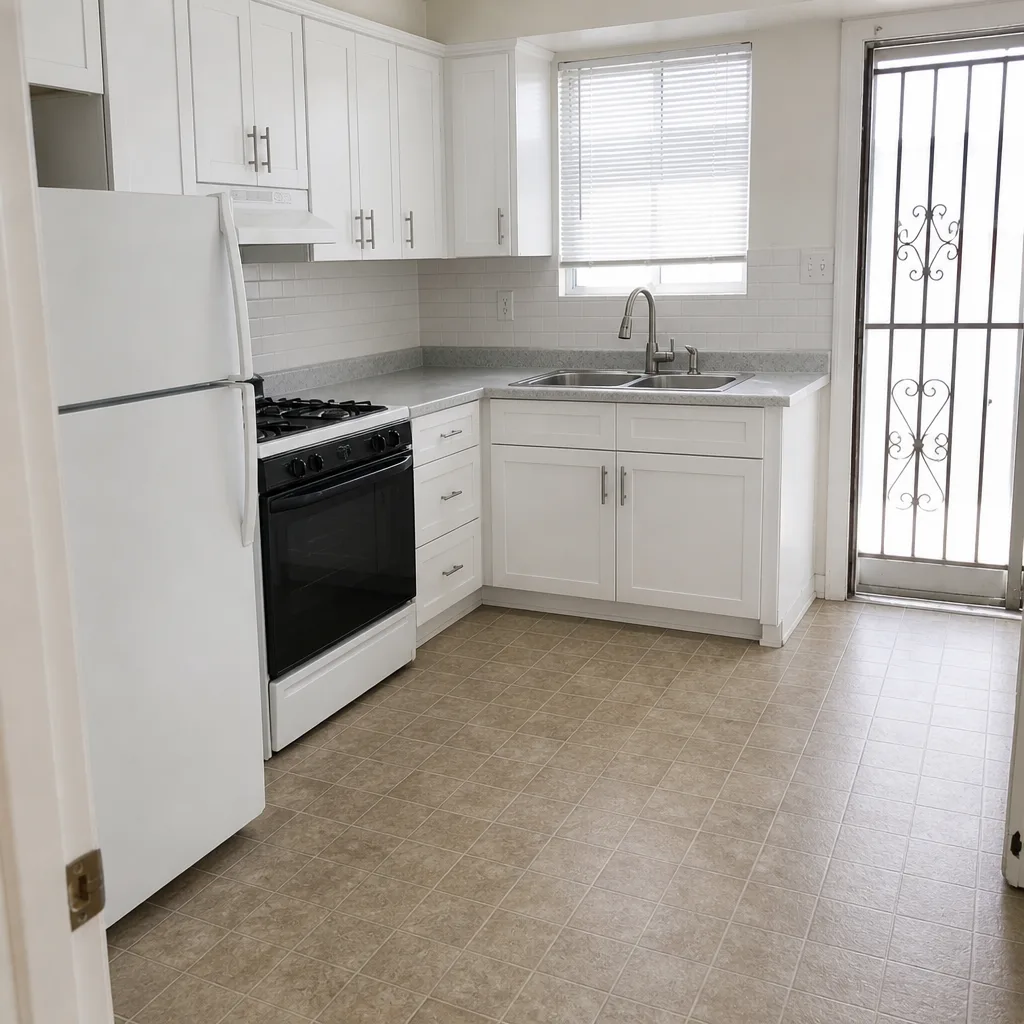 After
Frequently Asked Questions
Plan for 5 to 8 weeks on the calendar from the day you sign, or 3 to 6 weeks of actual construction once you remove the permit and inspection window. That’s 20 to 40 working days of hands-on work plus roughly 10 business days of Clark County permit processing and inspection scheduling. Call (844) 312-0069 for an exact timeline on your specific bathroom – the estimate is free.
Yes, for almost any full bathroom remodel that moves plumbing, electrical, or the layout, Clark County requires a permit and an inspection sign-off. Skipping it can cost you more later when you sell or when an unpermitted change surfaces during an insurance claim. A contractor who pulls the permit and gets the inspections signed is the one you want – and every eligible job here includes both.
Usually because the “3 weeks” quote counts only hands-on days and ignores permit timing, inspection waits, and material lead times. That’s why we ask for a phase-by-phase schedule in writing. If a contractor can’t give you a written schedule with dates, ask why – and call (844) 312-0069 for a free second opinion on the estimate you already have.
Back-ordered fixtures and special-order tile are the two biggest delays, followed by undiscovered subfloor rot found after demo. The fix is a written materials list with lead times and a written change-order process for surprises. Ask for both at the bid, then call (844) 312-0069 if you want a second set of eyes on the schedule before you commit.
For a single full bathroom remodel, yes – most homeowners do. The trick is to plan around one working bathroom in the house during the job. If the house only has one bathroom, ask the contractor about a portable toilet or a temporary plan during the weeks the bathroom is out of service. Just factor it into the schedule before demo starts, not the day you need it.
That’s a change order, not a surprise. A real plan has a pre-agreed per-unit repair cost and a days-added estimate for the most common discoveries. The work stops, the change order is written, you approve it, and then the work resumes. If your contractor won’t put a change-order procedure in writing, that’s the warning sign to walk away. Call (844) 312-0069 to talk through how we handle it.
The Bottom Line
The number a contractor gives you on day one is only as good as the plan behind it. In Sunrise Manor, a full bathroom remodel runs 5 to 8 weeks on the calendar, or 20 to 40 working days of construction, plus roughly 10 business days of Clark County permit processing and inspection scheduling. The three things that blow a schedule are special-order tile, back-ordered fixtures, and undiscovered subfloor rot – and a contractor who’s actually planned the job has a written answer for all three at the bid. Ask for the phase-by-phase schedule, ask what “working days” means in the contract, ask how change orders arrive in writing. If the answers hold up, the timeline will too. If they don’t, you’ve just saved yourself six weeks of living out of a hotel.
Barrett & Sons Construction Sunrise Manor home
Written by the team at Barrett & Sons Construction Sunrise Manor.