Last updated November 18, 2026








Free written scope consultation - allowances, timeline, and change-order rules on paper before a single trade is scheduled
Windows & Doors Troubleshooting: Common Problems and How to Fix Them
If your window is fogging between the panes, the glass isn’t the problem – the seal is. And replacing just the glass unit instead of understanding why the seal failed means you’ll be doing it again in three years. We’ve opened up enough walls in Sunrise Manor to know the pattern: most window and door complaints don’t start at the window or the door. They start at the installation, the weatherstripping system, or the framing and wall behind it. This guide works backward from the symptom to the actual fix, so you spend money once instead of twice.
Quick Answer
Most window and door problems – drafts, fogging, sticking, rattling, water leaks – trace back to a failed seal, worn weatherstripping, a frame that’s moved out of square, or a threshold that’s lost contact with the slab. Diagnose the symptom first, confirm whether it’s a weatherstripping fix or a frame alignment problem, and only then decide between a simple repair and a full replacement. In Sunrise Manor’s heat and slab conditions, that order matters more than the brand on the glass.
Styles & brands we work with
- Kitchen remodeling
- Bathroom remodeling
- Home additions & ADU
- Roofing
- Windows & doors
- Driveway & pavers
- Fence
Table of Contents
- Fogging Between the Panes
- Drafts and Cold Air Coming Through
- Sticking Windows and Doors
- Rattling, Whistling, and Loose Hardware
- Water Infiltration and Wall Damage
- Why Desert Homes Get Unique Door Problems
- What’s Legitimate DIY and What Isn’t
- When to Call a Professional
Fogging Between the Panes: Why the Seal Failed
Cloudy glass in a double-pane or triple-pane window means the sealed unit has lost its gas fill or its desiccant has given out. Moisture is getting into the gap between panes. The glass itself is fine. What failed is the edge seal around the perimeter of the insulating glass unit, and once that seal is broken, no amount of wiping, polishing, or “defogging” from the outside brings the window back to clear.
The important part for homeowners: why did the seal fail? In Sunrise Manor, the answer is usually thermal cycling. Summer afternoons push glass surface temperatures well past what the sealant chemistry was tested for, and the daily swing between a 105-degree afternoon and a 75-degree night flexes that edge seal thousands of times over a decade. Poor installation makes it worse. A unit that’s racked out of square in its frame, or one set with a shim pressing against the glass edge, starts its life under stress and fails early.
What fixes it:
- Replacing just the glass unit (the IGU): Cheapest option and legitimate if the frame and sash are sound and the unit is separately glazed. The IGU manufacturer carries the warranty, not the original installer.
- Sash or window replacement: Required when the frame is warped, the sash is rotted, or the unit is integral to the sash and can’t be reglazed.
- Full replacement: Needed when multiple units on the same wall show fogging, which usually points to a shared installation fault or a run of windows that all reached the end of their seal life together.
If three windows on your north-facing wall in Sunrise Manor fogged within the same year, don’t fix them one at a time. Look at the install.
Drafts and Cold Air Coming Through
A draft is a pressure problem, and you can find it in about five minutes with the back of your hand. On a windy evening, run your palm slowly around the perimeter of the closed window – the sash edges, the meeting rail in the middle of double-hungs, the sill line at the bottom. A draft at the sash edges is weatherstripping. A draft at the sill is often the threshold or sweep. A draft that runs continuously along the interior trim, well inside the frame line, points to the wall and the rough opening behind it.
The difference matters. Weatherstripping is a wear item – a strip of foam, felt, or vinyl that’s supposed to compress and spring back. Sunrise Manor’s sustained heat hardens those materials quickly, and a strip that crumbles when you pinch it needs replacement, full stop. Frame alignment is a different animal: the sash no longer sits flush against the integral seal because the frame has twisted, the hinge side has sagged, or the window has settled out of square.
How to tell which one you’re dealing with before you spend a dollar:
- Close the window and lock it. If the draft drops sharply when locked, your problem is sash tension and weatherstripping, not the frame.
- Run a dollar bill around the closed sash edge. If it pulls out with little resistance at one spot and won’t budge elsewhere, that spot is the leak.
- Look at the gap line against a straightedge. Daylight or a visible taper along one edge means the sash is out of square – weatherstripping won’t fix that.
- Check the interior trim and drywall for cracks radiating from the corners. Cracks there point to the rough opening and a potential insulation or flashing gap, not the window.
Sticking Windows and Doors: Alignment, Hardware, or Foundation?
A door that sticks in July and swings free in January is usually moisture and wood movement. A door that sticks year-round in the same corner, and gets worse each season, is usually settling. This is the single most misdiagnosed problem we help Sunrise Manor homeowners sort out, because it’s tempting to blame the hinge or call a locksmith when the door catches on the strike plate.
Here’s the test. Open the door halfway and let go. If it swings on its own toward the stuck side, the frame is out of plumb. Check the corners of the door frame for a crack in the drywall that runs diagonally from the upper corner of the door up toward the ceiling – that’s a settling indicator, not a hardware problem. Now look at the floor: does the door clear it evenly, or does it drag on one corner? A drag that changes with the season is humidity. A drag that’s been growing for two years is the slab or the foundation.
Sunrise Manor sits on expansive desert soils, and slab movement is real here. If a door has been shaved twice and still catches, or if the sticking shows up alongside cracked interior drywall, a hard-to-close garage door, and a sloping floor, stop adjusting hardware. Get the foundation looked at before you spend money on a new door that will stick too.
If the frame is sound and true, the fix is hardware or alignment:
- Hinge-side binding: Usually needs the hinge screws checked for stripping in the jamb and the door re-hung, not shaved.
- Strike-side catching: The strike plate can be moved a fraction or the latch adjusted.
- Window sash binding: A sash that binds on one side but not the other suggests a shifted frame; a sash that binds seasonally suggests the weatherstripping is too thick for the gap.
Rattling, Whistling, and Loose Hardware
Rattling and whistling in a sustained wind almost always come from three places: sash that isn’t fully seated in the lock, glazing that’s loose in its stops, or trim and exterior caulk that’s lifted away from the wall. In Sunrise Manor’s wind season, a whistle that only appears above about 20 mph is nearly always the meeting rail on a double-hung not making a tight seal when the lock is engaged.
Check in this order:
- Lock the window and tap the sash with one finger. A rattle that stops when locked means the sash tension and the lock point need adjusting, not a new window.
- With the window closed, press lightly on the glass near each corner. Movement here means the glazing stops have shrunk or the glazing tape has failed.
- Walk the exterior perimeter with a flashlight. Caulk that’s cracked or pulled away from the wall is a rattle source and a water path at the same time.
- Check the operating hardware – cranks, tracks, rollers, and locks – for play. Loose handles and crank operators are cheap hardware fixes and don’t mean the window is failing.
Water Infiltration: Where It’s Really Coming From
Water showing up on the interior sill or the drywall below a window is a flashing and drainage question, not a glass question. Water gets behind the window’s exterior surface, and a properly installed unit is set to let that water drain back out through a weep system. When it doesn’t, it enters the wall. In Sunrise Manor, the failure shows up fast: hard water stains, paint lifting on the interior trim, and drywall that goes soft within a foot of the sill.
The three most common paths:
- Blocked weep holes: Paint, caulk, or debris filling the weep holes along the sill means the water sits inside the frame and finds the interior. Clear them with a small pick, not a drill.
- Failed sealant and flashing at the head and sides: Caulk alone is not flashing. A window installed with caulk where flashing belonged will leak within the first sustained rain or the first time a hose hits it from the wrong angle.
- No pan flashing at the sill: If water reaches the rough opening, the sill pan is what carries it out. Windows set without a sill pan, or with the pan tucked the wrong way, are a guaranteed water path into the wall.
One thing to say plainly: tearing caulk and smearing a fresh bead over a leak that’s already reached the drywall doesn’t fix it. It hides it until the next monsoon. If the interior drywall has soft spots or blistering paint, the repair is a wall opening, not a caulk job.
Why Desert Homes Get Unique Door Problems
Sunrise Manor homes deal with a set of door and window problems that contractors from wetter climates don’t see. The heat and the slab are the two big drivers.
Threshold gaps from slab movement. As the slab beneath an exterior door moves, the door frame follows and the gap under the door changes. An adjustable threshold – the kind with a gasket that lifts when you turn a screw – is the fix for a normal gap up to about a quarter inch. Beyond that, the door sweep or the door bottom itself needs attention, and if the movement is ongoing, the foundation is the real conversation.
Screen door frames warped by UV. Aluminum screen frames are durable, but the plastic glazing spline and the screen itself degrade under sustained desert sun. A screen door that’s bowed or won’t seat in its track is often just a warped frame from heat, not a bad hinge. Look along the length of the frame with the door closed – a visible bow that follows the sun-drenched side is UV heat warpage, and it usually calls for replacing the frame or the door, not adjusting the hinges.
Door sweeps that harden and crack. The rubber or vinyl sweep at the bottom of an exterior door is a wear item, and in Sunrise Manor’s sustained heat it goes brittle in a couple of seasons. A sweep that’s cracked, hard, or missing chunks lets air and dust in and lets conditioned air out. That’s a cheap fix and one of the most cost-effective things you can do on an exterior door.
For broader exterior work that ties into door and window performance, our Barrett & Sons Construction Sunrise Manor home page covers the full fit-out.
What’s Legitimate DIY and What Isn’t
There are fixes a careful homeowner can do well, and there are fixes that, done wrong, cost more than if you never touched them. Here’s the honest line.
Legitimate DIY:
- Replacing door sweeps and thresholds with a like-for-like part.
- Adjusting hinges, latch strike plates, and window locks with the right screwdriver.
- Replacing worn weatherstripping on a window or door that you can confirm is still square and true.
- Clearing weep holes and refreshing exterior caulk that has not failed at the flashing.
- Tightening loose crank handles, rollers, and operating hardware.
Not DIY:
- Replacing an insulating glass unit. The IGU carries its own warranty, and a replacement unit set without proper glazing tape, shims, and setting blocks can fail within a season – voiding the warranty in the process.
- Any repair that requires opening the wall, replacing flashing, or re-setting a window in the rough opening. Done wrong, the water intrusion path is worse than the original leak.
- Shaving a door to fix a settling problem. If the frame is out of plumb, shaving hides the symptom and shortens the life of the door.
- Adjusting or re-hanging a door on a frame that shows foundation movement. The fix is the foundation, not the door.
If you’re reworking exterior openings and fencing together, the Fence Installation in Sunrise Manor page covers the yard-side of that work.
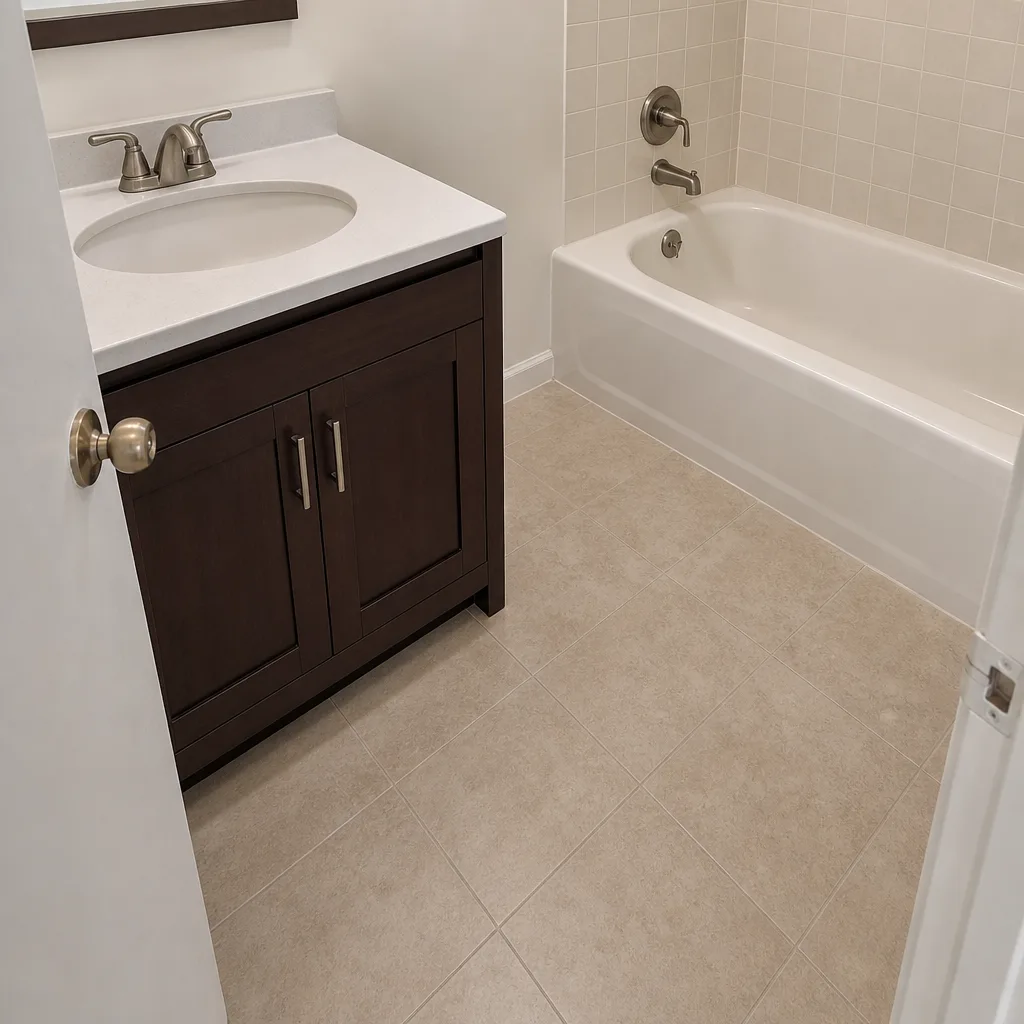
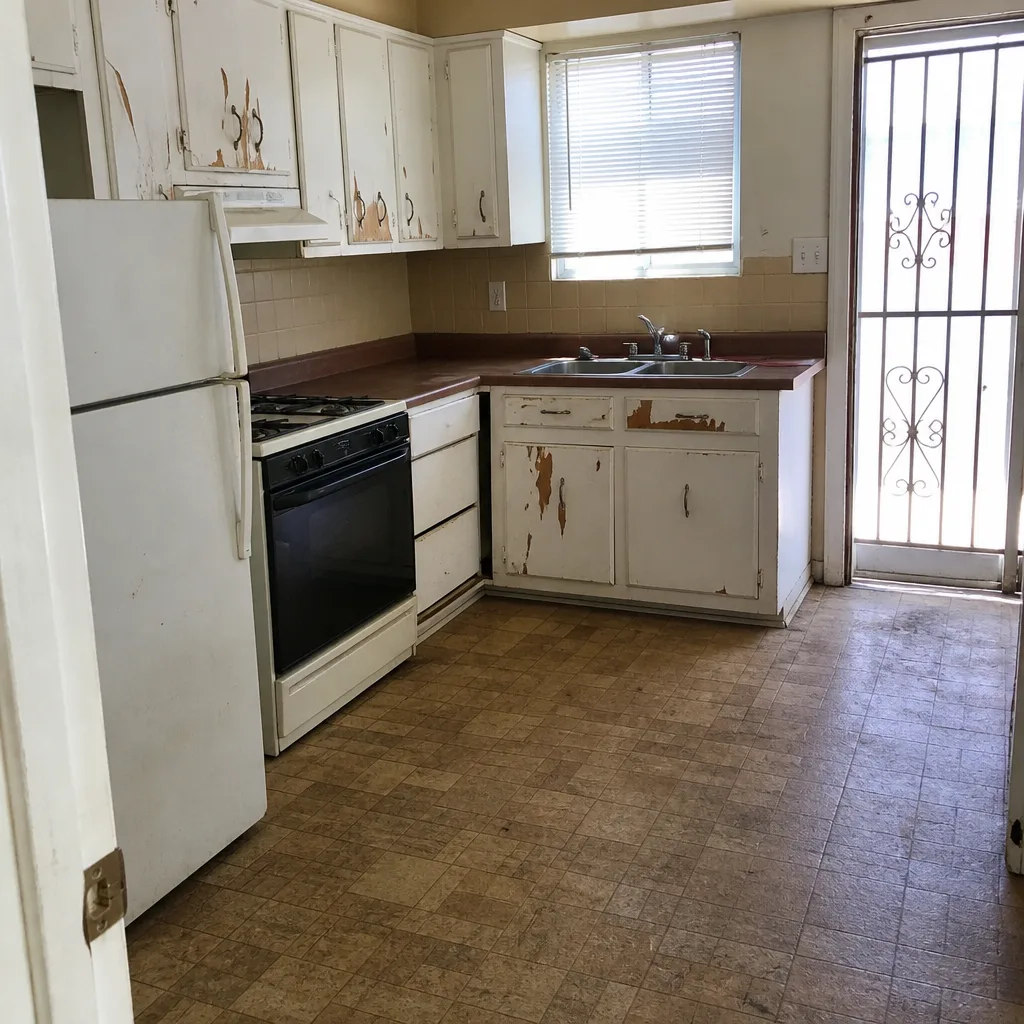
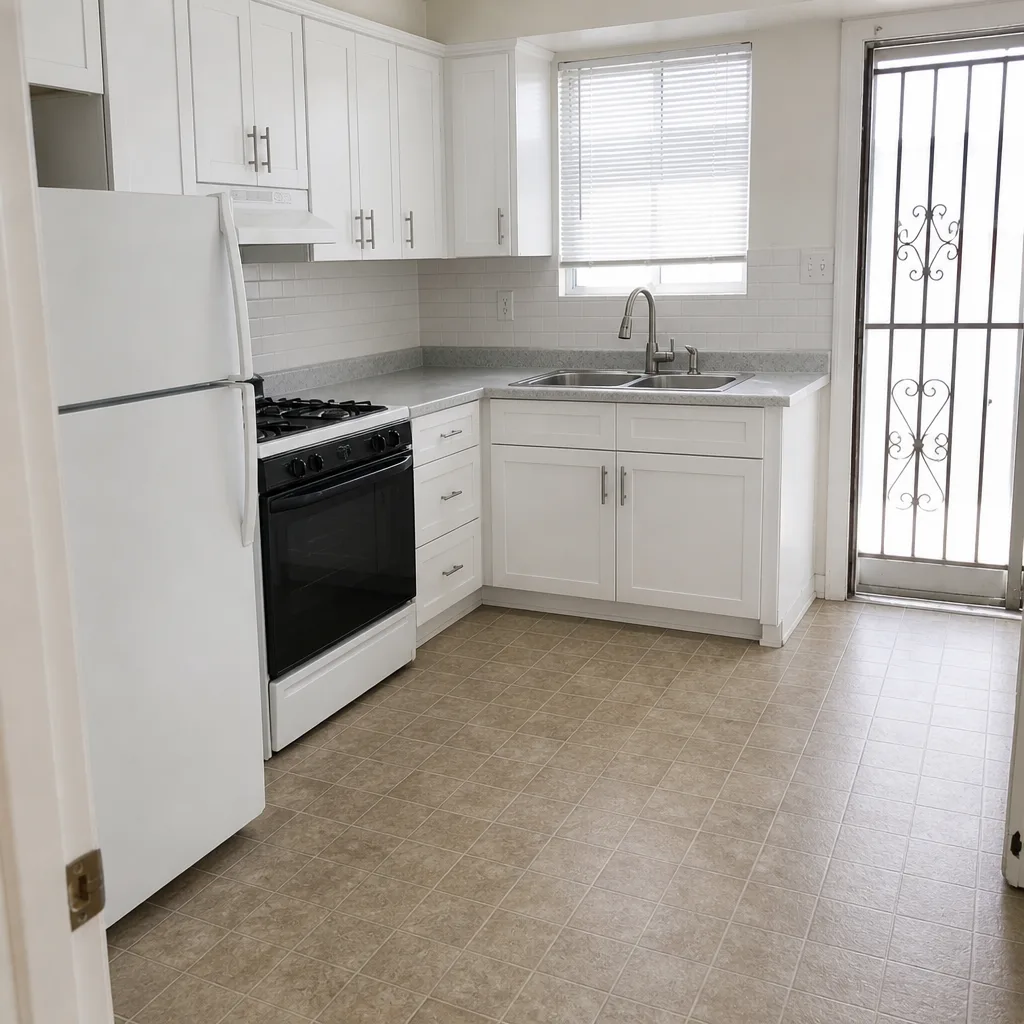
See the difference
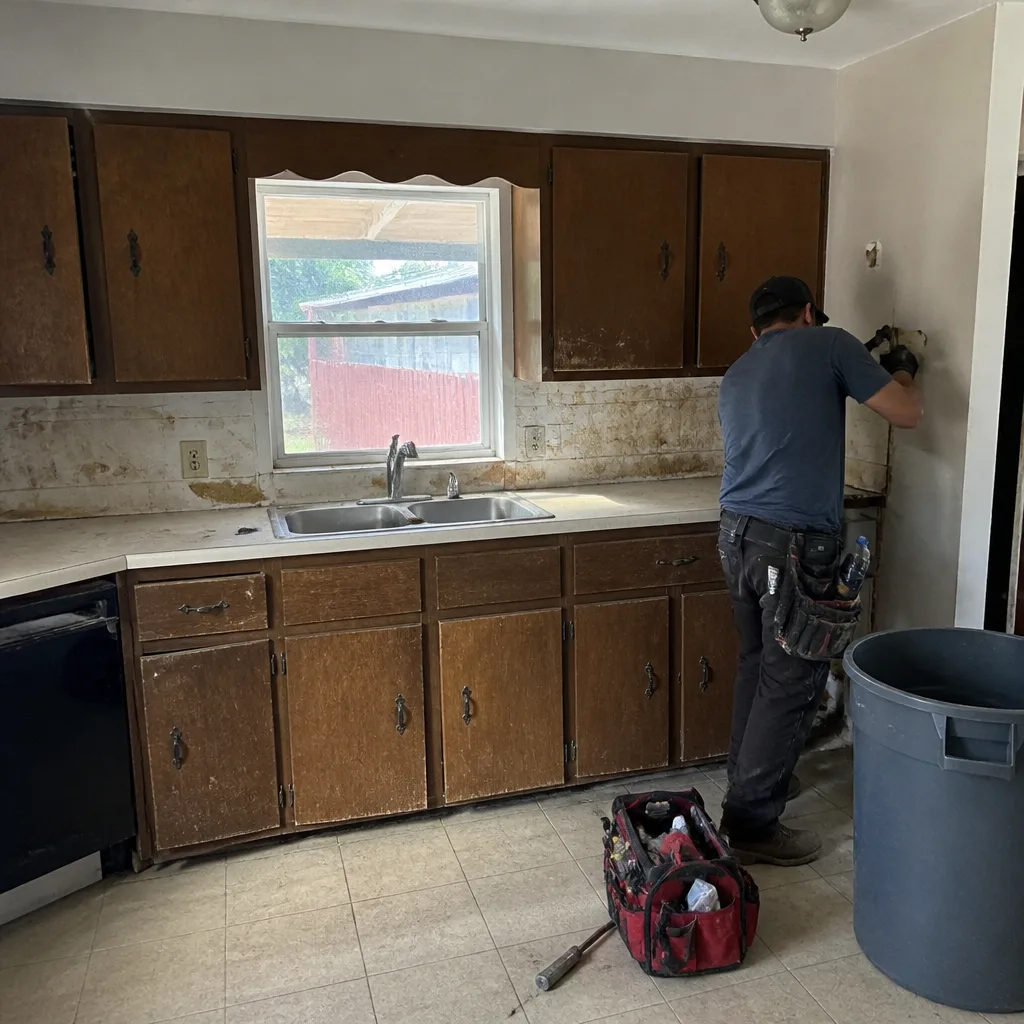 Before
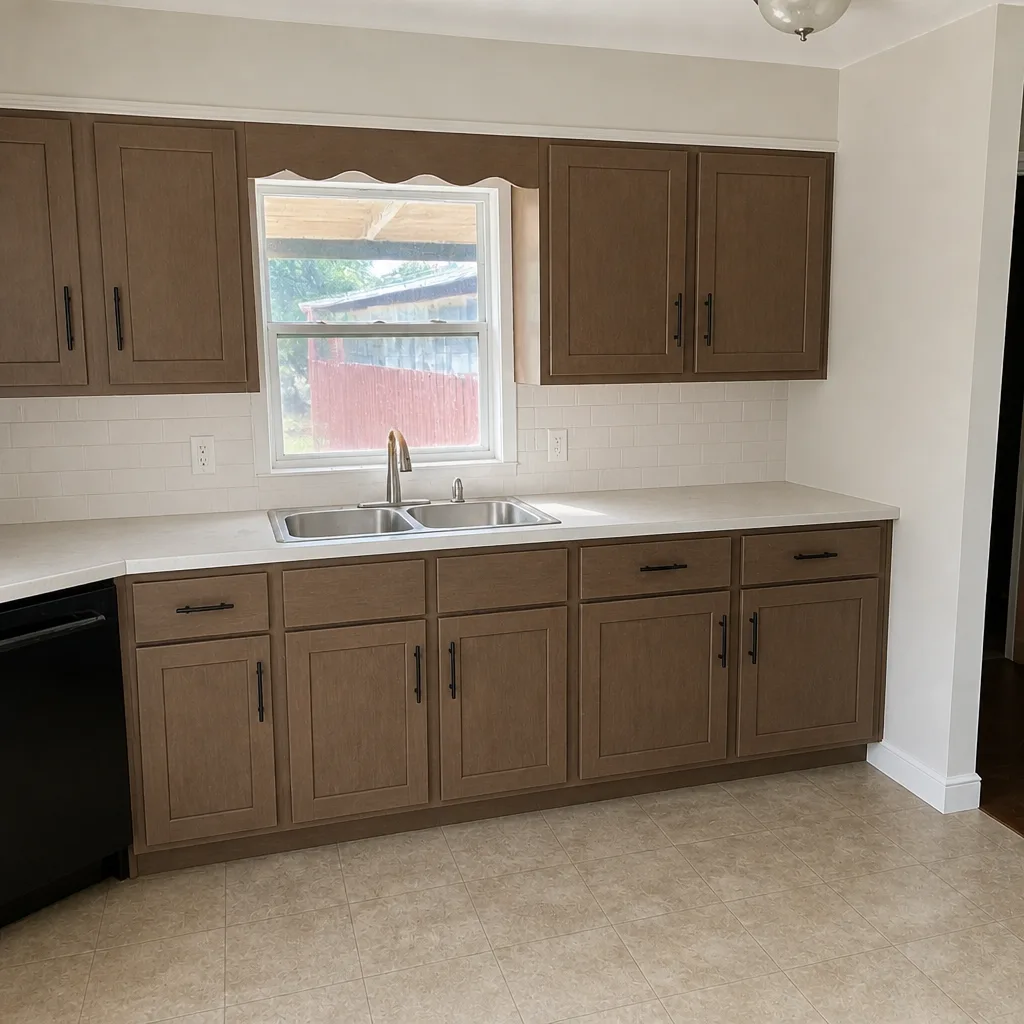 After
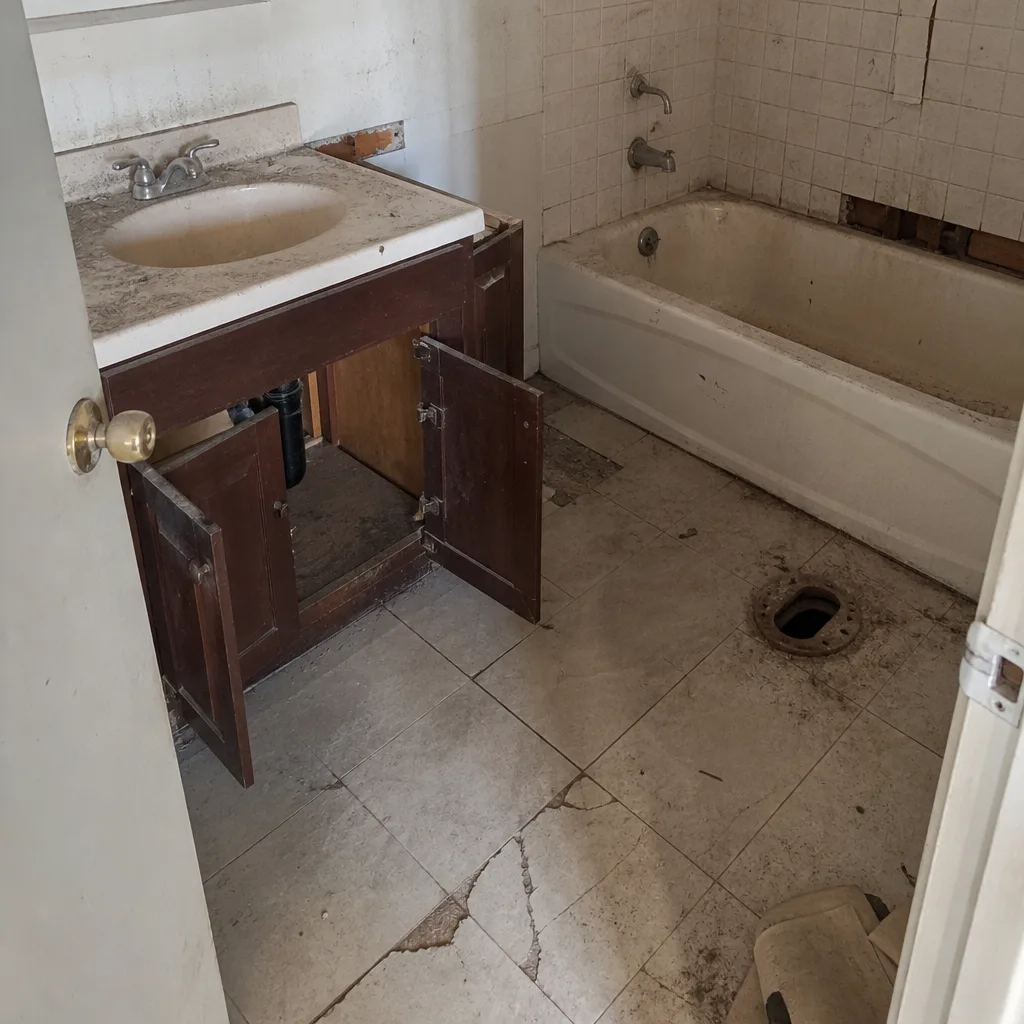 Before
 After
 Before
 After
Common Mistakes to Avoid

- Caulking over a leak that reached the drywall. Fresh caulk on a failed flashing path hides water behind the wall until it shows up as rot. Fix the flashing, not the caulk.
- Replacing windows because the weatherstripping failed. Worn weatherstripping is a wear item on a sound window. Replace the strip, not the unit.
- Shaving a sticking door without checking the frame. A door that’s been shaved twice and still sticks in the same corner is telling you the frame has moved. Shaving shortens the door and postpones the real fix.
- Re-glazing one window without checking the others in that run. If multiple units on the same wall fogged the same year in Sunrise Manor, the install or the sun exposure is the story, not the one glass unit.
- Adjusting hinges on a screen door that’s warped from UV heat. The hinges are fine. The frame is bowing from the sun, and no hinge adjustment fixes that.
- Using the wrong caulk on exterior joints. Standard interior-grade caulk goes brittle in desert sun. Use an exterior-rated product matched to the joint.
- Skipping the sill pan on a window set. The sill pan is what drains water back outside. A window installed without one is a slow leak into the wall from the day it goes in.
When to Call a Professional
Call a professional when the symptom points past the wear items: interior drywall soft or stained near a window, a sticking door with drywall cracks radiating from the frame corners, multiple windows fogging in the same run, water reaching the rough opening, or a door that has resisted two rounds of adjustment. Those are wall, flashing, and framing problems, and a careful repair done right costs less than the water damage from a repair done wrong.
Barrett & Sons Construction Sunrise Manor offers free estimates in Sunrise Manor – call (844) 312-0069. You’ll get a written scope, written allowances, and a written change order before any scope change touches the job. We install Andersen and Marvin windows and doors, and we pull the permits and sign the inspections on every eligible job because the permit inspector works for you, not for us.
Frequently Asked Questions
Replacing just the insulating glass unit typically runs less than a full window replacement, and replacing the whole window unit costs more – the exact range depends on size, frame material, and whether the frame is sound. Fogged units on Andersen and Marvin windows come with brand-supported parts availability, which helps. Call (844) 312-0069 for a free estimate with a written line-item quote – no guesswork on the phone.
Yes, if the frame and sash are sound and the unit is separately glazed. The IGU (insulating glass unit) is the replacement part, and the IGU manufacturer carries the warranty on it. If multiple units on the same wall are fogging in the same year, replacement of the whole run is often the better spend. Call (844) 312-0069 and we’ll tell you which side of that line your windows are on.
Test it first: open the door halfway and let go. If it swings toward the stuck side on its own, the frame is out of plumb. If drywall cracks radiate from the upper corner of the frame, that’s a settling indicator, not a hardware problem. Year-round sticking that worsens each season points to the slab. Call (844) 312-0069 for a free estimate – we’ll help sort settling from hardware before anyone touches the door.
Sustained heat hardens rubber and vinyl sweeps, and in Sunrise Manor’s climate they go brittle within a couple of seasons. A cracked or hard sweep lets air and dust in and conditioned air out. It’s a cheap fix and one of the best cost-per-dollar repairs on an exterior door. Call (844) 312-0069 if you want it checked alongside your threshold and weatherstripping.
No. A new window doesn’t fix a rough-opening, insulation, or flashing problem in the wall behind the frame – the draft stays. That’s why we diagnose before we quote. Running your hand slowly around the perimeter and checking the interior trim for cracks tells you whether you’re dealing with the window or the wall. Call (844) 312-0069 for a free estimate and a straight answer.
Yes – we pull permits and sign inspections on every eligible job. Replacement windows and doors can require a permit depending on the scope and the code path, and we’ll tell you up front if yours does. Every scope is in writing before work starts. Call (844) 312-0069 for a free estimate and a written scope.
The Bottom Line

Most window and door problems trace to the seal, the weatherstripping, or the wall behind the frame – not the window or door itself. Diagnose by symptom before you spend: drafts and rattles are usually wear items, sticking that worsens each season is usually settling, fogging is a failed edge seal, and water on the interior is flashing. In Sunrise Manor, the heat and slab add their own layer: warped screen frames, hardened door sweeps, and threshold gaps that move with the slab. The fixes that are genuinely DIY stay cheap when you stop at the wear items. The fixes that require opening a wall are the ones to hand to a professional. If you’re reworking exterior openings alongside an addition, our Home Additions & ADU in Sunrise Manor guide covers what’s involved. Call (844) 312-0069 for a free estimate – we’ll show you the diagnostic before we quote the repair.
Written by the team at Barrett & Sons Construction Sunrise Manor.