Last updated November 18, 2026





Free written scope consultation - allowances, timeline, and change-order rules on paper before a single trade is scheduled
Construction Emergency Preparedness Guide for Sunrise Manor Homes
When a monsoon microburst takes part of a roof off at 9 PM on a Tuesday, the homeowners who protect themselves best aren’t the ones who search frantically for a contractor. They’re the ones who already have their permit records, their insurance policy number, and a trusted contractor’s after-hours contact sitting in the same folder. That’s the whole game with construction emergencies: not luck, not who answers the phone fastest, but who did twenty minutes of prep months earlier. Sunrise Manor sits in a spot where wind, heat, and aging housing stock line up in predictable ways. In this guide we’ll walk you through the four causes that actually drive emergencies here, the paperwork to have ready before anything fails, how to tell a real emergency from a wait-until-morning problem, and how to handle an insurance claim without sabotaging it.
Quick Answer
A construction emergency in Sunrise Manor is any sudden damage that threatens safety, causes active water intrusion, or will get much worse within hours – typically roof failure from monsoon wind, heat-related material failure, plumbing or structural issues in 1980s-1990s homes, or damage caused by a contractor mid-job. The first action in almost every case is to stop the damage and document it, not to start repairing it. Knowing ahead of time who to call, what your policy covers, and what not to touch is what separates a manageable event from a costly one.
Styles & brands we work with
- Kitchen remodeling
- Bathroom remodeling
- Home additions & ADU
- Roofing
- Windows & doors
- Driveway & pavers
- Fence
Table of Contents
- The Four Causes of Construction Emergencies in Sunrise Manor
- How Risk Changes by Season and Home Age
- What to Have Ready Before an Emergency
- Emergency or Wait-Until-Morning? How to Tell
- The Insurance Claim Steps That Protect Your Payout
- Why “Emergency Contractor” Pricing Is Real
- The Value of Knowing Your Contractor First
- Common Mistakes to Avoid
The Four Causes of Construction Emergencies in Sunrise Manor
Emergencies here aren’t random. In our experience, almost every construction emergency in Sunrise Manor traces back to one of four causes, and each one has a first action that protects you before anyone shows up.
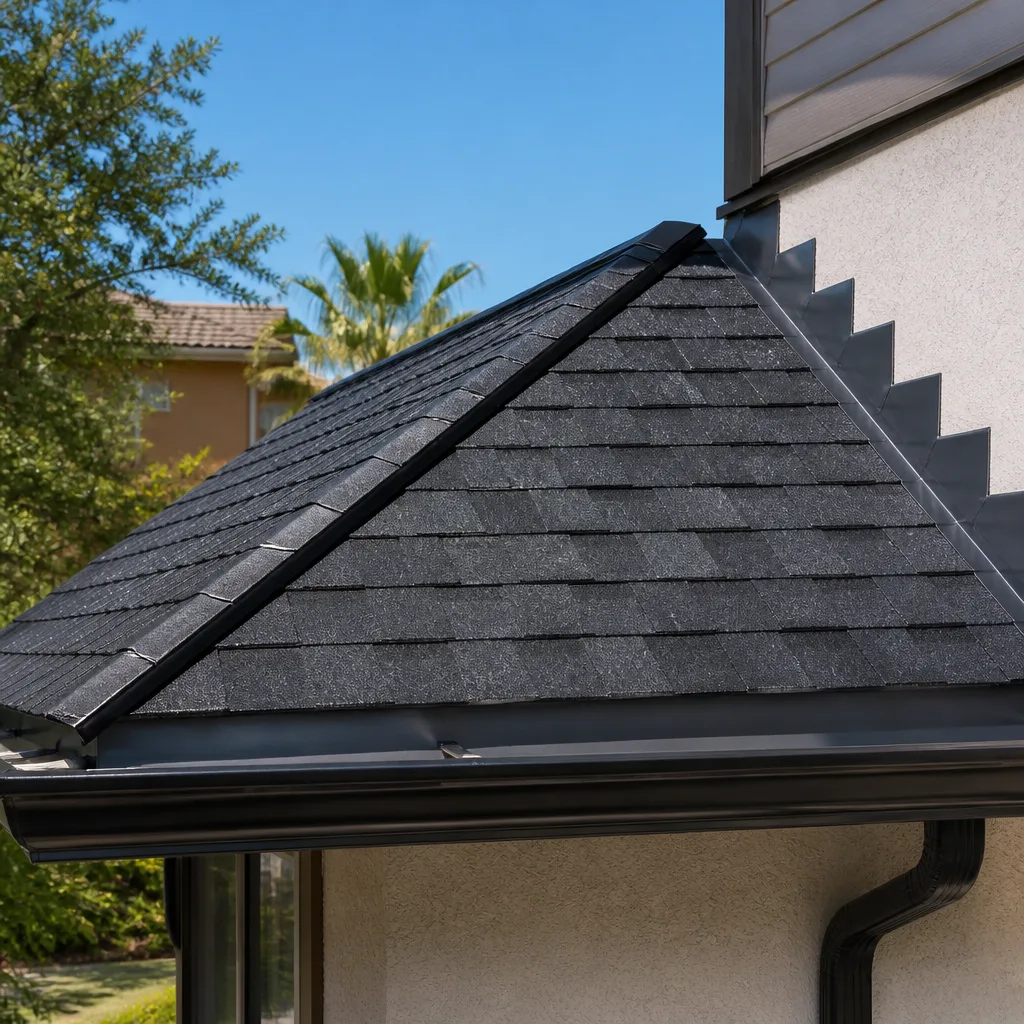
1. Monsoon wind events (July through September). Microbursts and outflow winds routinely peel back shingles, lift patio covers, and drop fences. The first action: get off the roof, stay off it, and photograph the damage from the ground. A loose shingle field is dangerous in wind and deadly to walk on at night.
2. Summer heat failures (May through September). Sustained 105-plus degree stretches punish sealants, caulk joints, vinyl fence components, and asphalt. We regularly see fence posts shear and sealant fail around windows in the hottest weeks. The first action: contain water intrusion with a tarp if the failure lets rain in, and note the date and time – heat-caused failures often become warranty or insurance questions.
3. Aging infrastructure in 1980s and 1990s homes. Much of Sunrise Manor’s housing stock is now 30 to 40 years old. That’s the age when original roofing reaches end of life, supply lines behind walls begin to fail, and original stucco and flashing show their first real gaps. The first action: shut off the water at the main if you see active interior water, then document.
4. Contractor-caused damage. A crew that cuts through a line, removes a load-bearing element without a plan, or opens a roof and leaves it exposed overnight creates the emergency. The first action: stop the work, document everything in photos, and get any change in writing. This is exactly why we put every scope, allowance, and price change in a written change order before work moves – so a surprise never arrives as a bill after the damage.
How Risk Changes by Season and Home Age
The calendar tells you what to watch. Sunrise Manor’s climate is unforgiving in specific, predictable ways, and matching your prep to the season saves real money.
- Spring: Wind picks up and the first heat arrives. This is when cracks in stucco and dried-out sealants around windows and doors start to open. Check caulk lines and flashing now, before the heat locks them in.
- Summer: The highest-risk season. Heat stress on roofing, sealants, and hardscape, plus the start of monsoon. If your roof is 20-plus years old, a summer inspection is cheap insurance against a September leak.
- Monsoon (July-September): Wind and water in the same storm. Roofs, fences, and any structure with a lifted edge take the hit. Know where your tarp is and how to get a roofer on the line.
- Fall and winter: Cooler and calmer, which makes this the smart window to fix what the summer exposed. Roofing and exterior repairs done in fall last longer and cost less than emergency calls.
Home age matters as much as season. A home built in 1985 has different failure points than one built in 2003. Older Sunrise Manor homes often carry original roofing, aging supply lines, and hardscape that’s settled over decades. If you bought recently, find out the actual roof age and the last date the plumbing was touched – that single fact predicts more emergencies than anything else on the property.
What to Have Ready Before an Emergency
The homeowners who come through an emergency best are the ones who can hand an adjuster or a contractor a folder. Build that folder now, before you need it. It takes an afternoon and it’s the single highest-value prep you can do for a Sunrise Manor home.
Assemble the following in a physical folder and a phone-photo backup:
- Permit records. Every permit pulled on your home, with the inspection sign-offs. When you file a claim, proof that previous work was permitted and inspected protects you from a denial. On every eligible job we pull permits and get the inspections signed – and we’ll tell you plainly that the permit inspector works for you, not for the contractor. That paper trail matters when it counts.
- Warranty paperwork. Roof, windows, fence, driveway, and appliance warranties, with install dates. Brands like GAF and CertainTeed on roofs, and Belgard on pavers, carry material warranties worth knowing about before a failure.
- Insurance policy details. Your policy number, the claims line, your deductible, and – critically – whether you have actual cash value or replacement cost coverage. That difference changes your payout on a roof claim by thousands.
- Photos of pre-existing conditions. Walk the property in good weather and photograph the roof, fence, driveway, windows, and every wall and ceiling. Date them. When damage happens, those photos prove what was and wasn’t already there.
- A trusted contractor’s contact. One name, one number, kept where you can find it at 9 PM. A live person answering the phone matters – not a voicemail box, not an out-of-state call center.
We’ve watched claims go sideways because a homeowner couldn’t produce a permit or a “before” photo. Twenty minutes with a camera and a folder prevents that.
Emergency or Wait-Until-Morning? How to Tell
Not every alarming-looking problem needs a middle-of-the-night call. Getting this judgment right saves you money and keeps your contractor’s trust for when you really do need them fast.
Treat it as a true emergency and act now if any of these are true:
- Active water is entering the home through the roof or a wall.
- Anything structural is sagging, separating, or visibly moving.
- A gas smell or sparking is present – leave the house and call the utility and emergency services first, then a contractor.
- A fence or structure is at risk of falling onto a neighbor’s property or a public walkway.
- The roof is open to the sky and rain is coming within hours.
In each case, your safe first moves are the same: stop the water or gas if you can do it safely, keep people and pets clear, and photograph everything. Do not climb onto a damaged roof or attempt structural bracing yourself. High-tension work on roofing, structural framing, gas lines, and electrical is genuinely dangerous, and that’s the moment to bring in a trained professional.
It can typically wait until morning if the damage is cosmetic, if a fence panel is down in the yard with no exposure to a roadway, if a paver or two is displaced, or if sealant has failed but no water is actively getting in. Tarp what you can reach safely, note the time, and call at a reasonable hour. A quick walkthrough of your exterior each spring, like the kind we do for Driveway & Pavers in Sunrise Manor and Fence Installation in Sunrise Manor work, catches most of these before they turn into emergencies.
The Insurance Claim Steps That Protect Your Payout
When a storm or structural failure triggers a claim, the actions you take in the first 48 hours decide how smoothly it goes. Here’s the sequence that works, in order.
- Document before you touch anything. Photograph and video the damage from multiple angles, including wide shots that show context and close-ups of the failure point. Note the date and time. This is the most important step and it happens first.
- Prevent further damage, but don’t repair. Tarp a roof, board a window, stop the water. Insurance policies require you to mitigate damage – but hold off on permanent repairs or replacements until an adjuster has seen it. A replaced roof can’t be inspected, and that can cost you the claim.
- Call your insurer and open the claim. Get the claim number and the adjuster’s contact in writing. Ask directly whether they want an inspection before any repair.
- Keep every receipt. Tarps, temporary materials, emergency labor – itemized and photographed. Most policies reimburse reasonable mitigation costs.
- Get contractor involvement in writing. A written scope, line-item estimate, and clear change orders give the adjuster something concrete to work from. Loose verbal estimates and one phone number on an invoice slow claims and invite disputes. Contractor involvement doesn’t hurt your claim – vague paperwork does.
One thing we’ve seen go wrong: homeowners who hire the first “storm chaser” who knocks the day after a wind event, pay a deposit, and then can’t produce a written contract or license number for the adjuster. Before you sign anything, get a written scope and verify the license. It’s the difference between a clean claim and a fight.
Why “Emergency Contractor” Pricing Is Real
Emergency pricing is a genuine phenomenon, not a myth. When you call a stranger at 10 PM with a leaking roof, you’re paying for availability, urgency, and the contractor’s leverage – and some outfits price accordingly. That’s not always unfair; a crew mobilized at night costs more. But the gap between a fair emergency rate and an inflated one is wide, and the homeowner with no relationship pays whatever the phone quote says.
The protection is simple. Know your contractor before the emergency and you negotiate from a position of trust, with a written quote and a firm scope instead of a panic call. We price work no-hassle and upfront, with written change orders before any scope change touches the job, because an allowance that isn’t on paper is a surprise waiting for a date. When you’re choosing a home pro, ask specifically about Home Additions & ADU in Sunrise Manor scale work and how they handle pricing – a contractor who runs additions with written scopes runs emergency calls the same way.
Two habits protect you here: keep the number of a contractor you’ve already used, and get every price in writing, emergency or not. A homeowner who already has a quote on file for their roof isn’t starting from zero when a wind event hits.
The Value of Knowing Your Contractor First
The single best emergency-prep step is a relationship with a local contractor before anything breaks. Not a business card in a junk drawer – a name you’ve actually worked with, a number that a person answers, and a track record you can vouch for.
Why it matters here in Sunrise Manor: monsoon season doesn’t schedule appointments. When a microburst takes fences down across a neighborhood, the contractors with relationships triage existing customers first. The homeowner who’s never worked with anyone is in a queue behind them. A contractor who’s done a small repair at your house knows your roof, your fence line, and your grade, and can tell you on the phone whether it’s a real emergency.
We answer the phone with a live person around the clock, because the call that matters most tends to come at the wrong hour. And we live close enough that when something’s wrong, we want to hear about it. If you’re building a list of local pros, take a look at Barrett & Sons Construction Sunrise Manor home to see the trades we cover and how we work. Start the relationship with something small – a fence panel, a paver repair – so you know who you’re calling when it’s bigger.
Common Mistakes to Avoid
- Climbing on a damaged roof at night. Monsoon damage often leaves shingles loose and decking soft. It’s a short fall from the roof to a serious injury, and no repair is worth it.
- Repairing before the adjuster visits. A permanent repair erases the evidence. Document, mitigate, then wait for the adjuster’s go-ahead.
- Hiring the first storm chaser who knocks. After a Sunrise Manor wind event, out-of-town crews appear fast. Ask for a license number and written scope first, and verify them before you sign.
- Not knowing your roof’s age. If you can’t say when your roof was last replaced, you can’t predict a summer failure. Find out this week.
- Skipping permits on repairs. Unpermitted repairs can complicate a future claim or sale. Pull permits on eligible jobs and keep the inspection records.
- Keeping paperwork only in your head. Policy number, permit records, and a contractor contact need to be in one place you can grab at 9 PM.
- Waiting to fix summer damage. A lifted shingle in August is a leak by September. Fall is the window to catch it cheaply.
When to Call a Professional
Call a professional immediately when water is actively entering the home, when anything structural is moving or sagging, when a gas smell or sparking is present, or when a roof is open to the elements with rain forecast. Those are the moments that compound fast. For cosmetic damage, a downed fence panel, displaced pavers, or a failed sealant with no active intrusion, a next-morning call is fine – and often cheaper. If you’re unsure, the phone call itself is free, and a quick conversation tells you whether it’s an emergency or a Tuesday job. When in doubt about anything structural, roofing, gas, or electrical, keep people clear and call a trained professional rather than attempting a fix. What you should not do is wait on active intrusion or visible movement, hoping it holds. In our experience, the homeowners who call early spend less and stress less.
Barrett & Sons Construction Sunrise Manor offers free estimates in Sunrise Manor – call (844) 312-0069.
See the difference
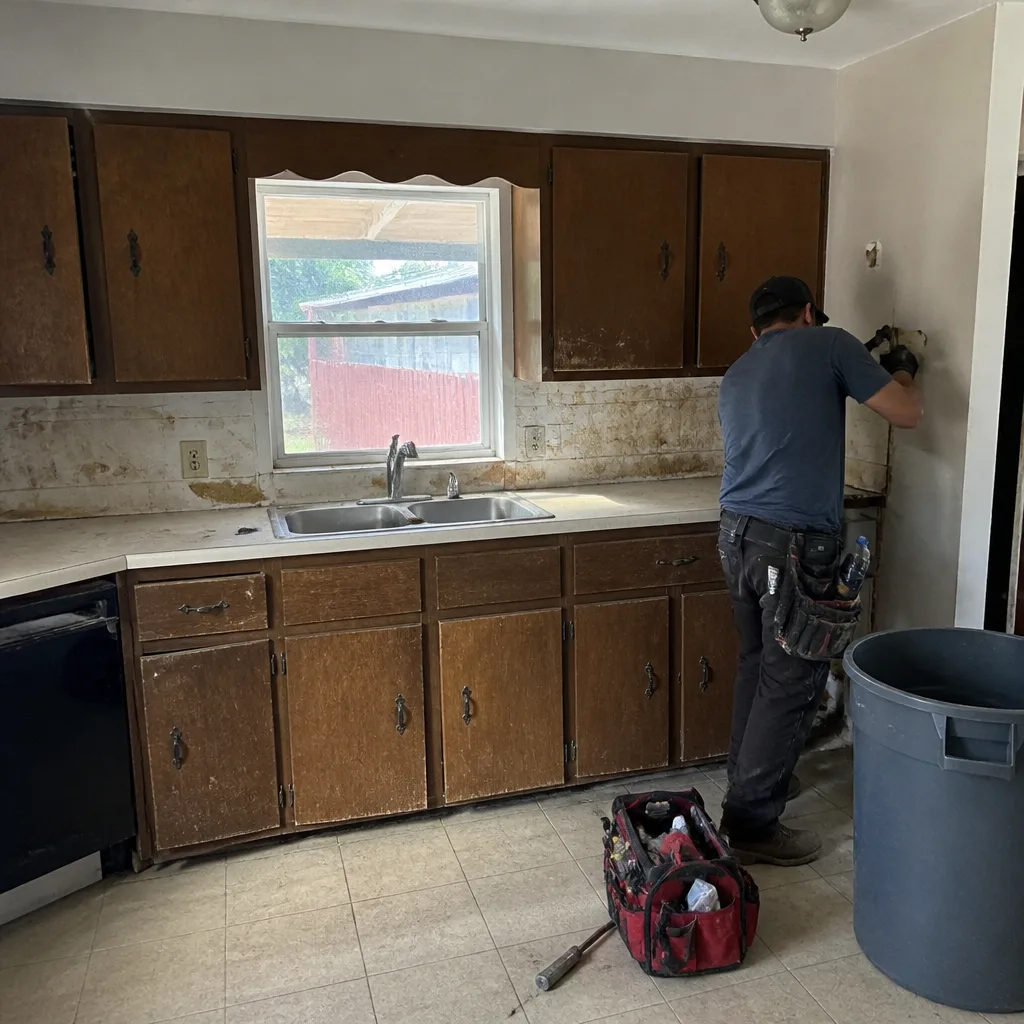 Before
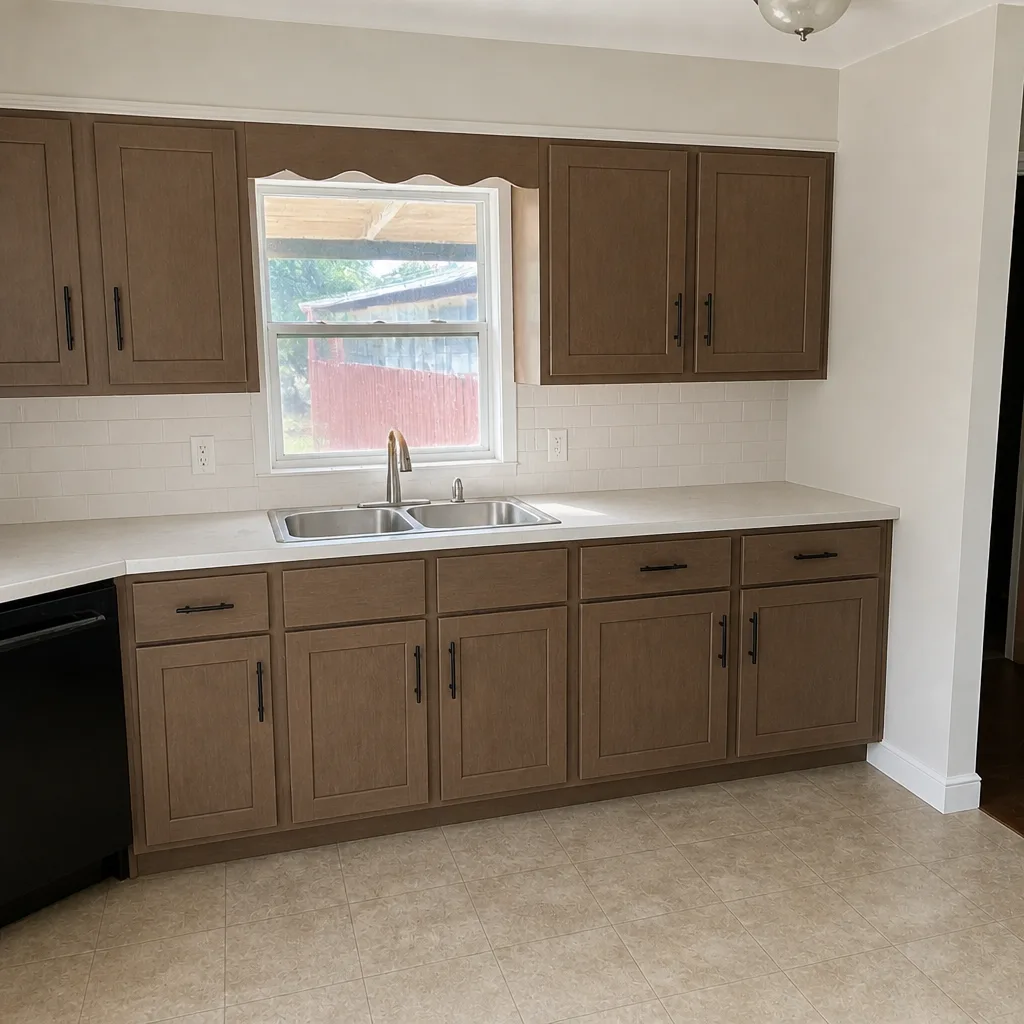 After
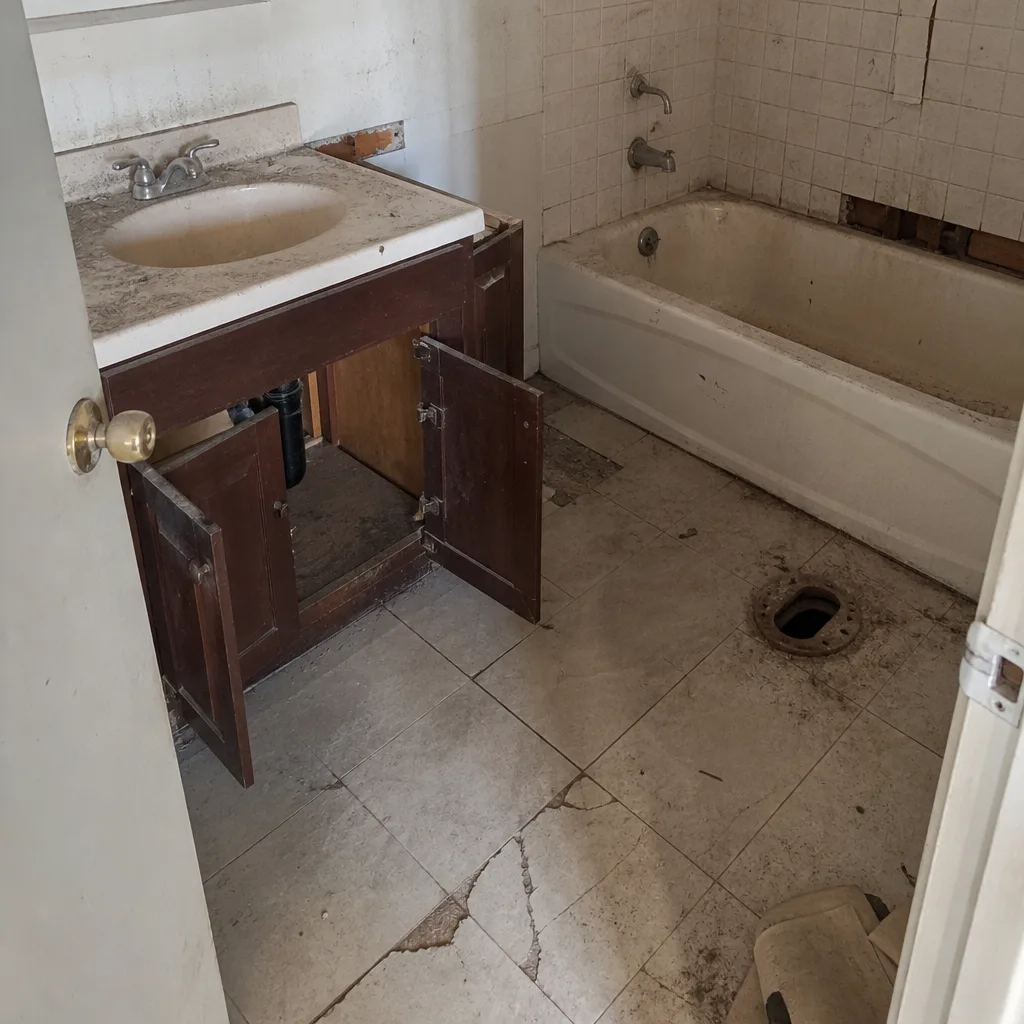 Before
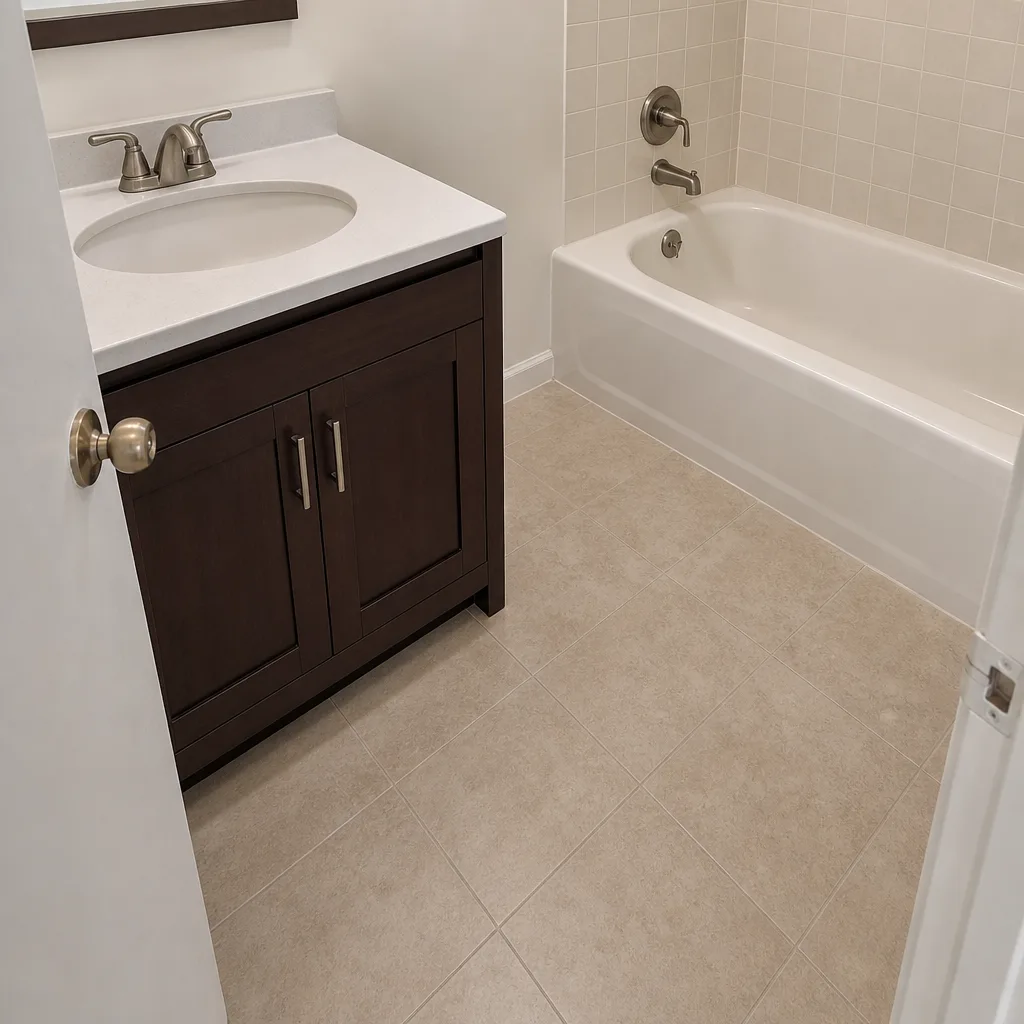 After
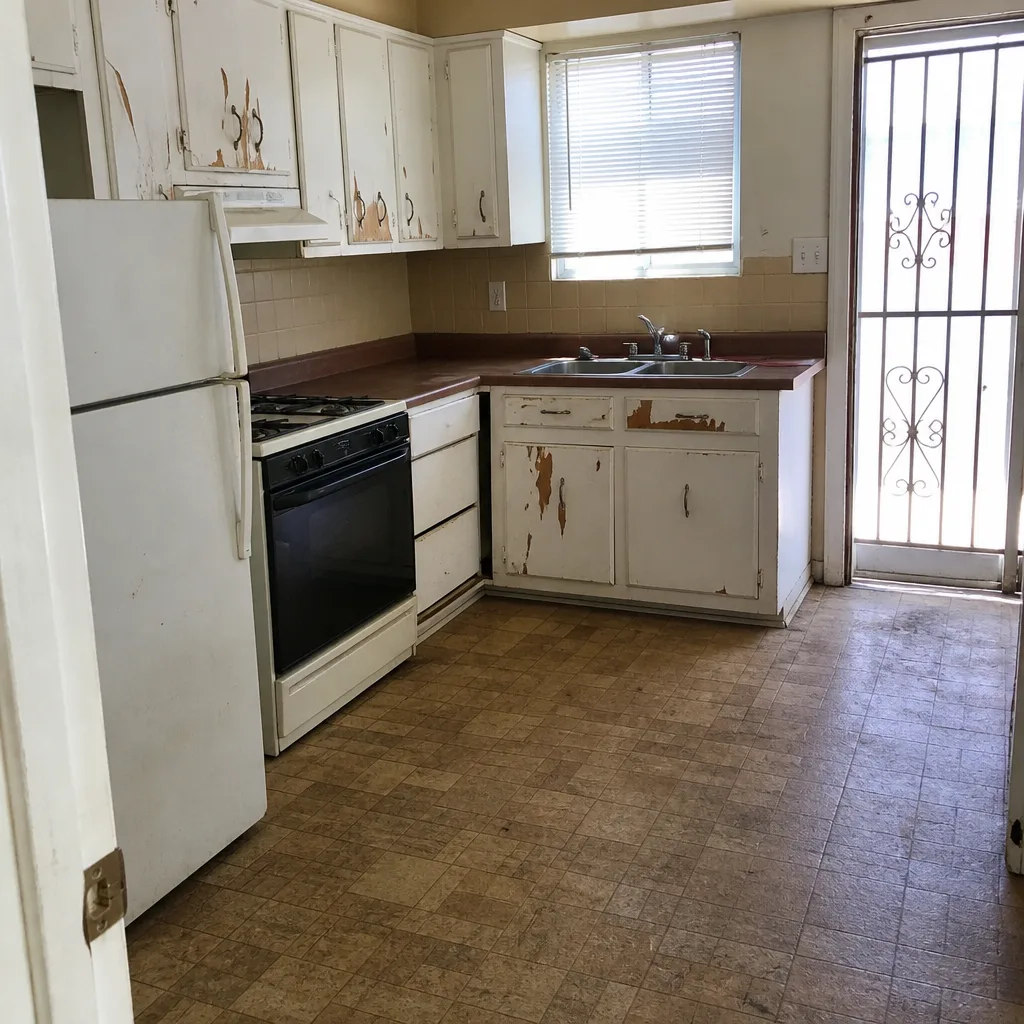 Before
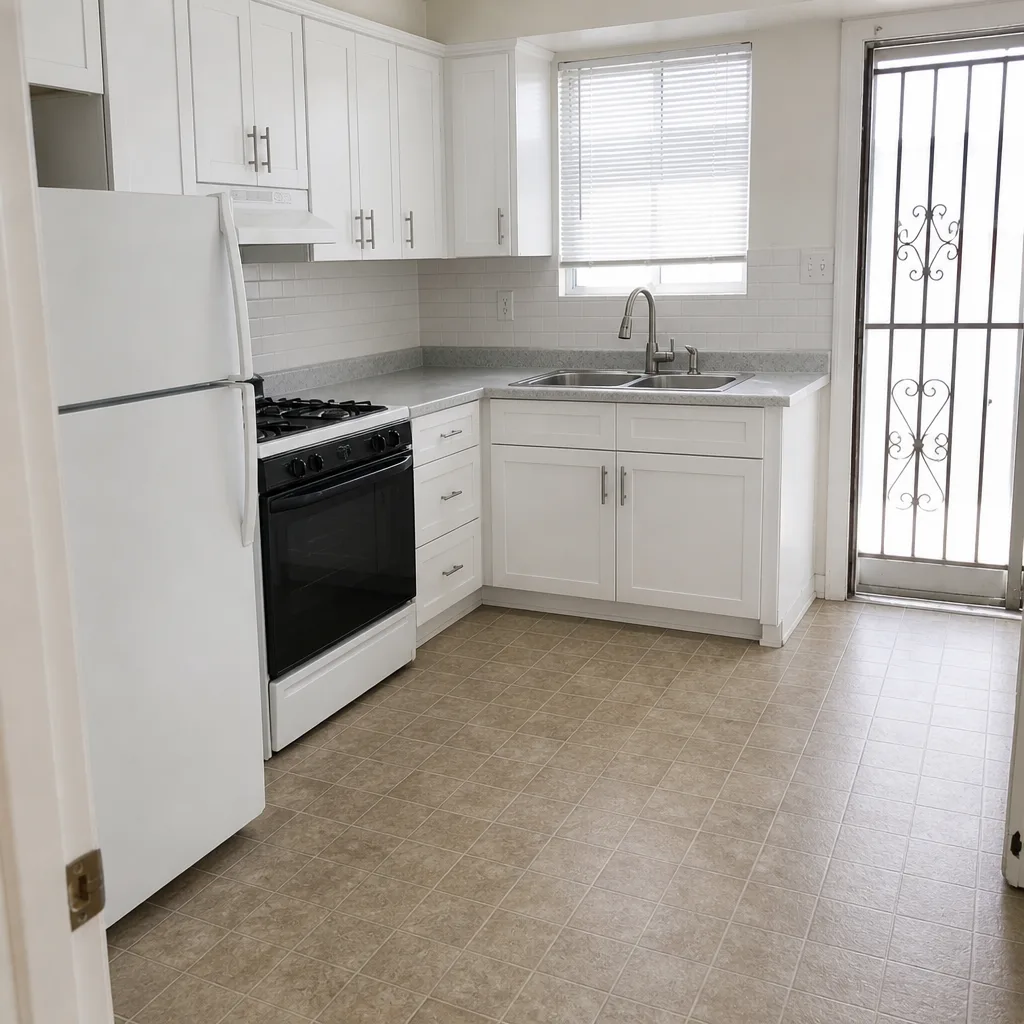 After
Frequently Asked Questions
Monsoon wind damage to roofs and fences is the most common, peaking July through September. Microbursts peel back shingles and take down fence panels across neighborhoods in a single storm. If your roof is 20-plus years old, that risk climbs sharply.
No. Prevent further damage – tarp, board, stop the water – but hold permanent repairs until the adjuster inspects. A replaced roof can’t be evaluated, which can cost you the claim. Keep every receipt for temporary mitigation.
If no water is actively entering and nothing is sagging or moving, it can usually wait. Tarp what you can reach safely, photograph the damage, and call at a reasonable hour. If water is pouring in or the structure looks unstable, call now and stay off the roof.
It helps when done right. A written scope, line-item estimate, and clear change orders give the adjuster something concrete to work from. Vague verbal estimates and no paper trail slow claims and invite disputes.
Permit records with inspection sign-offs, warranty paperwork for roof and fence, your policy number and deductible, dated photos of pre-existing conditions, and a trusted contractor’s contact. Keep it in one folder plus a phone backup.
You’re paying for after-hours availability and the urgency of the call, which costs a crew more. The protection is having a relationship with a local contractor and getting every scope and price in writing before work starts, emergency or not.
Call (844) 312-0069 for an exact quote – estimates are free.
The Bottom Line
Construction emergencies in Sunrise Manor follow patterns: monsoon wind, summer heat, aging homes built in the 1980s and 1990s, and contractor-caused damage. You can’t stop the weather, but you can control how you respond. Build a prep folder with permit records, your policy details, dated photos, and a trusted contractor’s number. Learn to tell a real emergency from a wait-until-morning problem. Document before you repair, and get every scope and price in writing, emergency or not. The homeowner who does a little prep in the calm months is the one who comes through the storm in the best shape. That’s the whole point.
If you’re ready to build that relationship or get a free, written estimate for work on your Sunrise Manor home, call us at (844) 312-0069. A live person answers, and we’ll tell you straight whether it’s an emergency or a Tuesday job.
Written by the team at Barrett & Sons Construction Sunrise Manor.