Last updated November 18, 2026
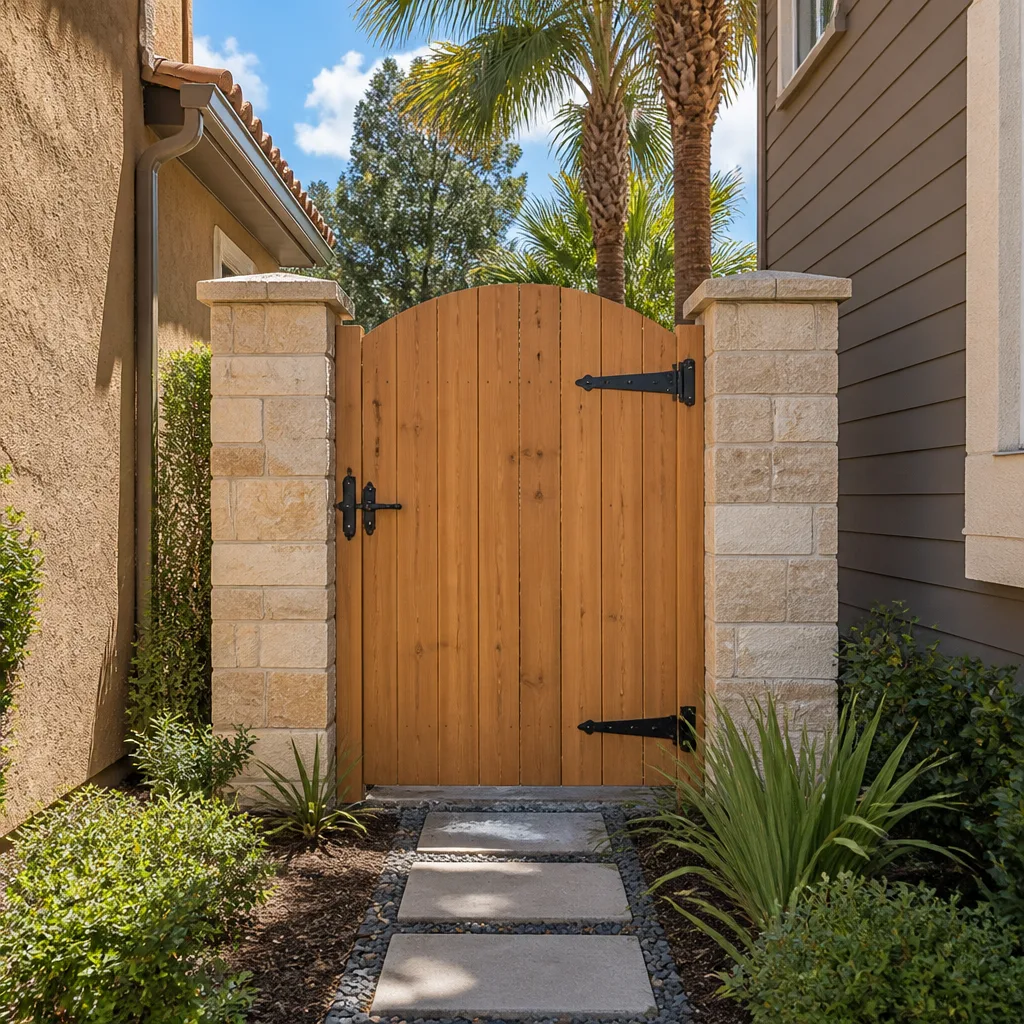





Free written scope consultation - allowances, timeline, and change-order rules on paper before a single trade is scheduled
Fence Installation Troubleshooting: Common Problems and How to Fix Them
A fence post that starts leaning 18 months after installation wasn’t set wrong. It was set in the wrong material. Post concrete mix and native caliche soil react to each other in a way that slowly loses grip through Sunrise Manor’s heat cycle, and by the second summer the post is tilting toward your neighbor’s yard. We’ve pulled posts in Sunrise Manor that looked fine above grade and found the footing sitting in a chalky pocket of dissolved caliche below. This guide walks through the most common fence problems we see, how to diagnose which failure you’re actually looking at, and when a patch is honest work versus when it’s covering someone else’s mistake.
Quick Answer
Most leaning, sagging, and warping fence problems trace back to one of four causes: a footing that lost its grip in caliche soil, a hinge or post that’s carrying weight it wasn’t designed for, a moisture trap that swells wood, or spacing set too tight or too loose at installation. Diagnosing which cause you’re dealing with before you touch a single board is the difference between a fix that holds and a patch that fails again by next spring.
Styles & brands we work with
- Kitchen remodeling
- Bathroom remodeling
- Home additions & ADU
- Roofing
- Windows & doors
- Driveway & pavers
- Fence
Table of Contents
- Why Fence Posts Lean in Sunrise Manor
- Sagging Gates: Hinge, Post, or Frame?
- Wood Warping and Board Gaps
- Rust Streaking on Block and Stucco Walls
- How to Diagnose a Fence Problem in Five Steps
- Repair or Full Section Reset?
- Common Mistakes to Avoid
- Frequently Asked Questions
Why Fence Posts Lean in Sunrise Manor
A leaning post has three possible causes, and each one calls for a different repair. Before you dig, you need to know which one you’re facing.
Cause 1: Footing Failure
This is the most common problem we see on fence installation in Sunrise Manor. The post was set in a concrete mix that didn’t cure properly, or the hole wasn’t deep enough, or the concrete was poured against dry soil that pulled the moisture out too fast. In our heat, a footing that sets in 90-degree weather behaves differently than one set in November. If the post wobbles at the top and you can feel the whole footing shift when you push it, the concrete itself has failed.
Cause 2: Soil Erosion
Sunrise Manor sits on a lot of sandy, fast-draining soil on the eastern side of the valley. After a hard monsoon dump in August, water runs off hard surfaces and scours around post footings. You’ll see a visible gap or a cone-shaped depression around the base of the post. That’s erosion, and the fix is backfilling with compacted material, not more concrete poured on top.
Cause 3: Concrete-to-Caliche Bond Problem
Caliche is a calcium carbonate layer that forms in desert soil, and it’s everywhere in the Sunrise Manor area. When concrete is poured directly against dry caliche, the two materials don’t bond. The caliche acts like a smooth shell, and the concrete footing becomes a loose plug in a hard hole. This is why posts sometimes lean in a specific direction: the footing is rotating inside the caliche pocket. The correct fix is to break up the caliche around the hole and backfill with a proper base before re-pouring. Patching without addressing that bond just resets the clock for another 18 months.
If you’re looking at this problem on a fence that’s newer than two years, you’re probably dealing with a footing problem more than a material problem. Calling in a crew that understands local soil is worth more than another bag of concrete from the hardware store.
Sagging Gates: Hinge, Post, or Frame?
A sagging gate is almost never the gate’s fault. It’s the hardware or the structure it hangs from. Here’s how to figure out which one is failing.
- Check the hinges first. With the gate closed, look at the hinge side. Are the screws backing out of the wood? Is the metal bent or rusted? Do the hinges allow up-and-down play? A hinge that’s pulling loose from the post will drag the gate down. Wiggle the gate and watch the hinge plate – if it moves against the wood, that’s your culprit.
- Check the post. Grab the gate post near the hinge and push it side to side. If the post itself moves, the gate problem is actually a footing problem. Hinges can’t hold a gate if the post is going down.
- Check the gate frame. Lay a straightedge along the top rail and the brace. A wood gate frame that’s out of square will sag no matter how good the hinges are. You’ll see daylight under one diagonal corner and not the other. If the frame itself is racked, the fix is a new brace or a new gate, not tighter hinges.
In our experience with fence installation in Sunrise Manor, sagging gates are the number one call we get after summer. The heat dries out wood in the gate frame faster than the post, so the gate loses its square while the post is still solid. If the gate is only 3 or 4 years old and sagging, the frame is often the problem, not the hardware.
The good news: a sagging gate is usually a one-day repair. The bad news is that a gate that’s been sagging for two years has probably pulled the post out of true, which turns a hinge job into a footing job.
Wood Warping and Board Gaps
Warping boards and uneven gaps fall into three buckets, and you need to know which one you’ve got before you start replacing pickets.
Material Quality
Generic builder-grade cedar and pine warp faster in Sunrise Manor’s climate than premium brands like Barrette or Master Halco. A board that warps in the first year is usually a low-grade board that was wet when it was fastened. A board that warps after 5 years is just doing what wood does. If the whole run is cupping and twisting at once, that’s material quality.
Moisture Trap
Boards set too close together, or boards installed with a bottom rail that holds water against the pickets, will cup toward the sun. Sunrise Manor’s monsoon season drops a lot of water in short bursts, and a fence with no airflow at the bottom can’t dry out fast enough. Look for warping that’s concentrated on the south and west faces of the fence, and for mold or dark staining on the back side of the pickets.
Improper Spacing
A fence built tight in January is a fence that heaves and gaps in July. Wood expands and contracts with humidity, and if the boards were fastened with no room to move, they’ll split at the nails or push each other out of line. The correct gap for a vertical board fence in our climate runs a little wider than what you’ll see on fences built for wetter regions. If you see gaps that open and close over the course of the year, spacing is your issue.
Rust Streaking on Block and Stucco Walls
Rust streaks under fence connections on block and stucco walls are one of the more common complaints we get in Sunrise Manor, and they’re almost always a metal-to-masonry problem, not a fence problem.
Here’s what’s happening. The metal brackets, lag screws, or post bases that anchor the fence to a masonry wall are usually galvanized or powder-coated. In our dry heat, that coating holds up at first. But once the coating chips or a screw head loses its seal, moisture from a couple of monsoon seasons gets under it. The rust bleeds down the stucco, and you get a brown streak that looks worse every year. The fix is not to paint over it – that traps the rust and it comes back through in a season.
To stop it at the source:
- Replace the fasteners with stainless or hot-dipped galvanized hardware rated for exterior masonry contact.
- Add a nylon or rubber isolator between the metal and the masonry wherever the two touch.
- Seal the fastener heads with an exterior-grade sealant after installation.
- Check the top cap and flashing on the wall – if water is getting behind the stucco, the rust will always come back.
If the fence is attached to a block wall that’s more than 15 years old, check the wall itself for moisture before you re-hang the fence. A rust streak on the outside sometimes means water is coming through the block from the top.
How to Diagnose a Fence Problem in Five Steps
Before you buy a bag of concrete or a new gate, walk the fence. Five steps will tell you what you’re actually dealing with.
- Push test each post. Walk the whole run and push each post at chest height. A post that moves at all is a footing problem. Note which ones move, and whether they move the same direction.
- Check the grade around each footing. Look for erosion cones, sunken soil, or water channels that point toward the post. In Sunrise Manor, this tells you whether the problem started with water before it started with the concrete.
- Open and close every gate slowly. Watch where the gate binds as it swings. Binding at the top or bottom of the strike side tells you the frame is out of square. Binding near the hinges tells you the hinge side has moved.
- Look at the south and west faces of the fence. Warping concentrated on those faces is a sun and moisture problem. Warping spread evenly across the whole fence is a material or spacing problem.
- Check every metal connection on masonry walls. Rust streaks, soft wood around fasteners, and loose brackets all point to water getting behind the stucco. If the wall itself is wet, stop and fix the wall first.
Write down what you find. A contractor who shows up and hears “the fence is leaning” will quote you a reset. A contractor who hears “four posts on the west side move about an inch after rain, the south face is cupped, and the gate binds at the bottom strike side” can quote you exactly what you need. If you’re comparing written estimates, that’s the kind of detail that separates a real quote from a phone number.
Repair or Full Section Reset?
Not every fence problem is a contractor job. Some are honest weekend work, and some will cost you more to patch than to reset properly.
Reasonable Weekend Repair
- A single gate hinge that’s loose or bent – tighten or replace the hinge and re-check swing.
- A gate frame that’s out of square on a gate under 5 years old – add a diagonal brace from the top hinge corner to the bottom strike corner.
- A picket or two that warped – replace the picket and set the new gap to match the rest of the run.
- Rust on a masonry bracket – replace the fastener with stainless and seal it.
Reset or Full Replacement
- Any post that moves in the soil. Patching a moving post with more concrete just adds a visible scar to a footing that’s still failing.
- Three or more posts on the same run. If the footing problem is systemic, you’re resetting the whole run eventually.
- A gate post that’s pulled out of true. The gate has to come off, the post has to be reset, and the gate has to be re-hung – that’s a two-day job with curing time, not a Saturday project.
- Warped boards on a fence that’s under 5 years old. That’s a sign of improper installation, and patching the visible boards doesn’t fix the cause.
- Any fence attached to a masonry wall with visible water behind the stucco. Fix the wall first, then reset the fence.
If you’re unsure which side of that line you’re on, get a second opinion on the written estimate you have. A contractor who looks at the fence and tells you “you don’t need a full reset, I can fix four posts” is one worth keeping. We’ve seen plenty of Sunrise Manor homeowners pay for a full replacement on a fence that needed a footing repair on one run.
If you’re thinking about a full new fence rather than a repair, see our guide to Fence Installation in Sunrise Manor for material options, spacing, and what a proper footing looks like in our soil.
Common Mistakes to Avoid
- Pouring new concrete against dry caliche. The concrete won’t bond, and you’ll be back at the same post in 18 months. Break up the caliche, backfill with a proper base, and cure the concrete slowly.
- Tightening hinges on a gate that’s out of square. New hinges on a racked frame just move the sag to a different corner. Fix the brace first.
- Painting over rust streaks on stucco. The rust bleeds through a fresh coat in a season. Replace the fastener and seal it at the source.
- Setting boards tight in cool weather. Sunrise Manor’s summer humidity will swell those boards and split them at the nails by August. Set the gap for the climate, not for the day you’re working.
- Patching one post on a run that’s failing systemically. If three posts on the same run move, the fourth will in a year. Reset the run, or you’re paying twice.
- Skipping the permit on a fence replacement. Sunrise Manor has height and setback rules that most homeowners don’t know about. Pulling the permit means an inspector checking the work against the code, and the inspector works for you, not for the contractor.
- Hiring on a phone quote. A price given over the phone without anyone looking at the soil, the gate, and the wall is a number that changes the day work starts. Ask for a written estimate and a written change order policy before anyone touches the fence.
When to Call a Professional
Call a professional when two or more posts on the same run move, when a gate post has pulled out of true, when rust streaks are coming from water behind the stucco, or when a fence under 5 years old is warping across the whole face. Those are systemic problems, and patching them without fixing the cause means doing the work twice. We also recommend a call when you’re not sure what you’re looking at – a 20-minute walk can save you a full replacement. Barrett & Sons Construction Sunrise Manor offers free estimates in Sunrise Manor – call (844) 312-0069. Every eligible job gets permits pulled and inspections signed, and every price change arrives as a written change order before any work proceeds.
See the difference
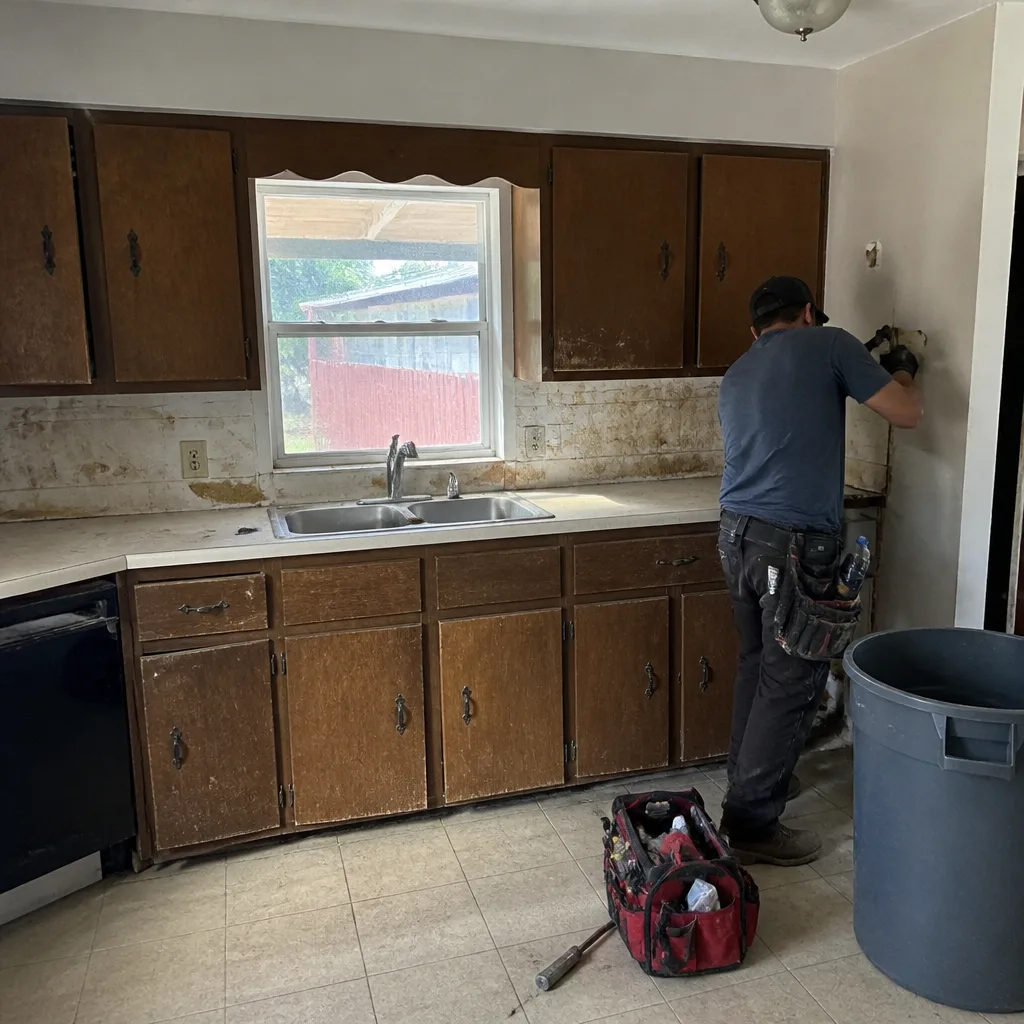 Before
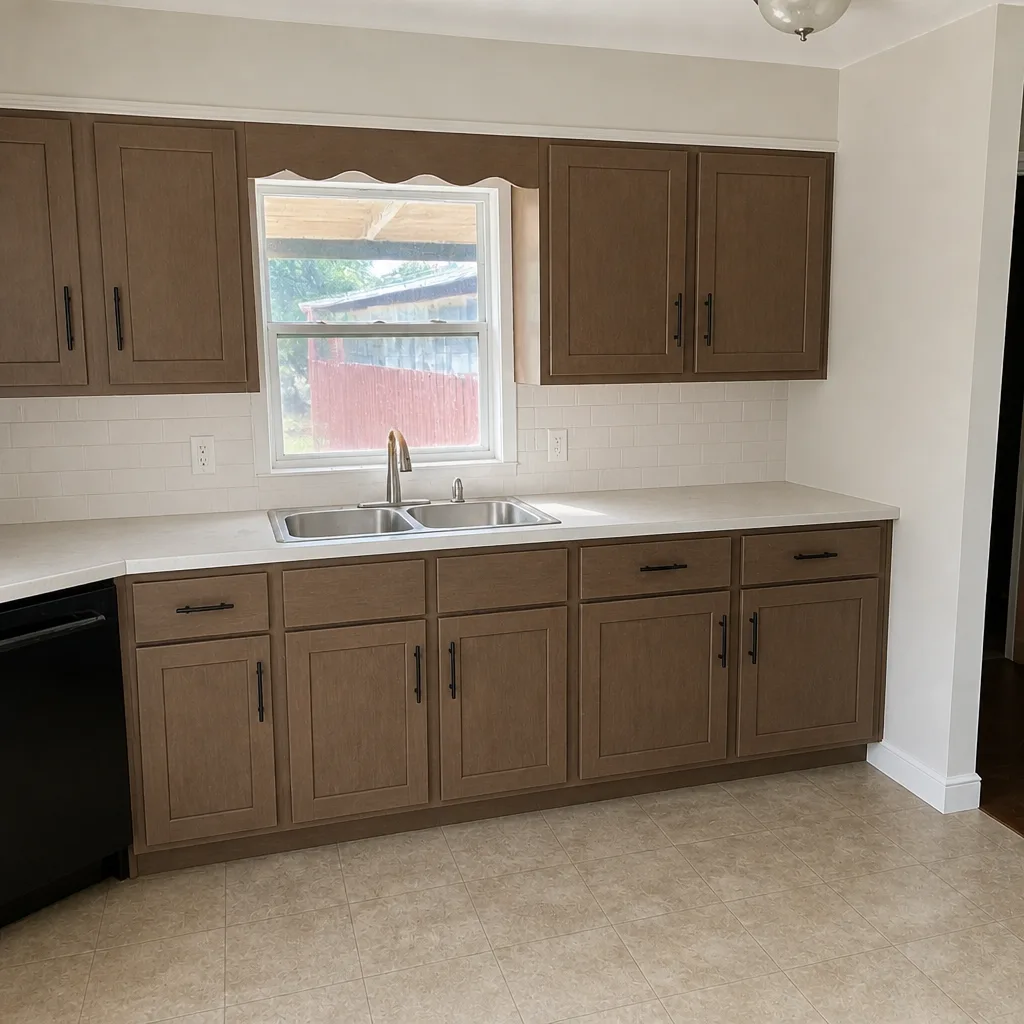 After
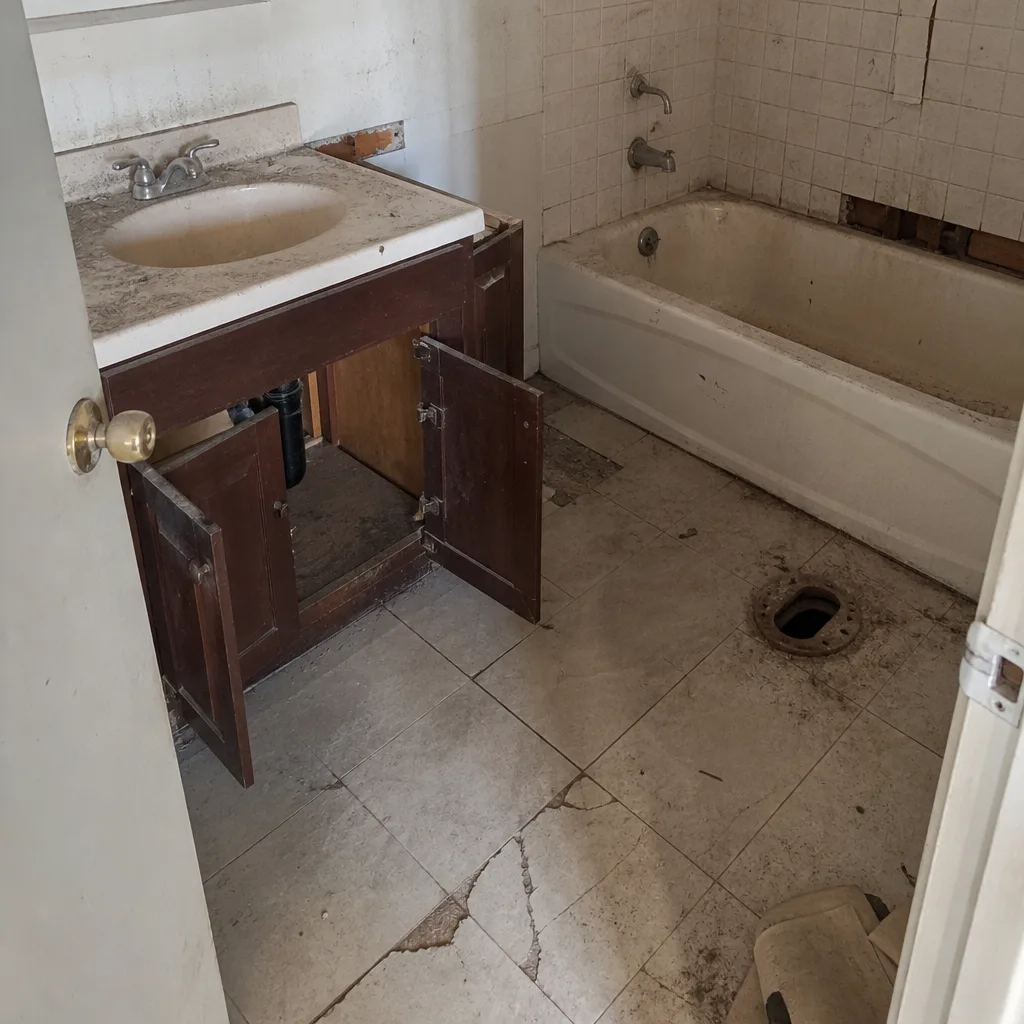 Before
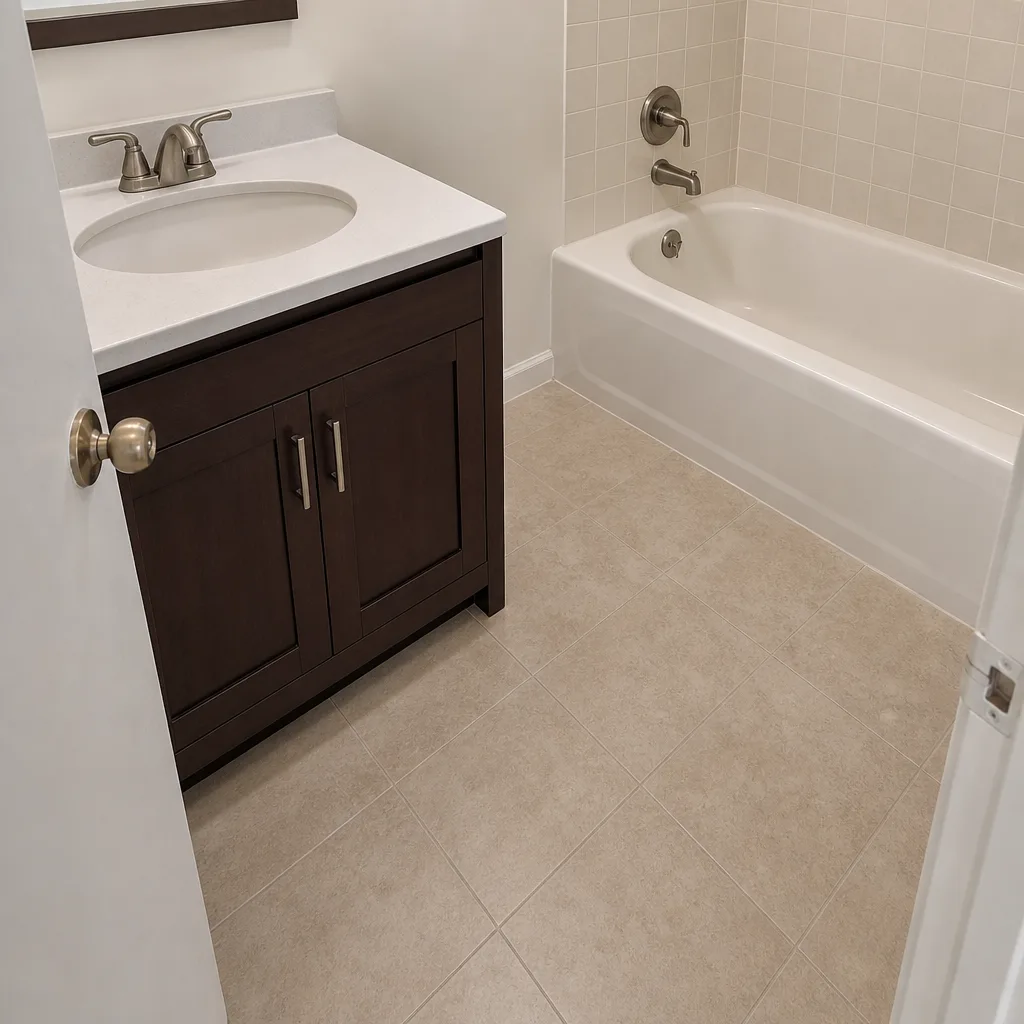 After
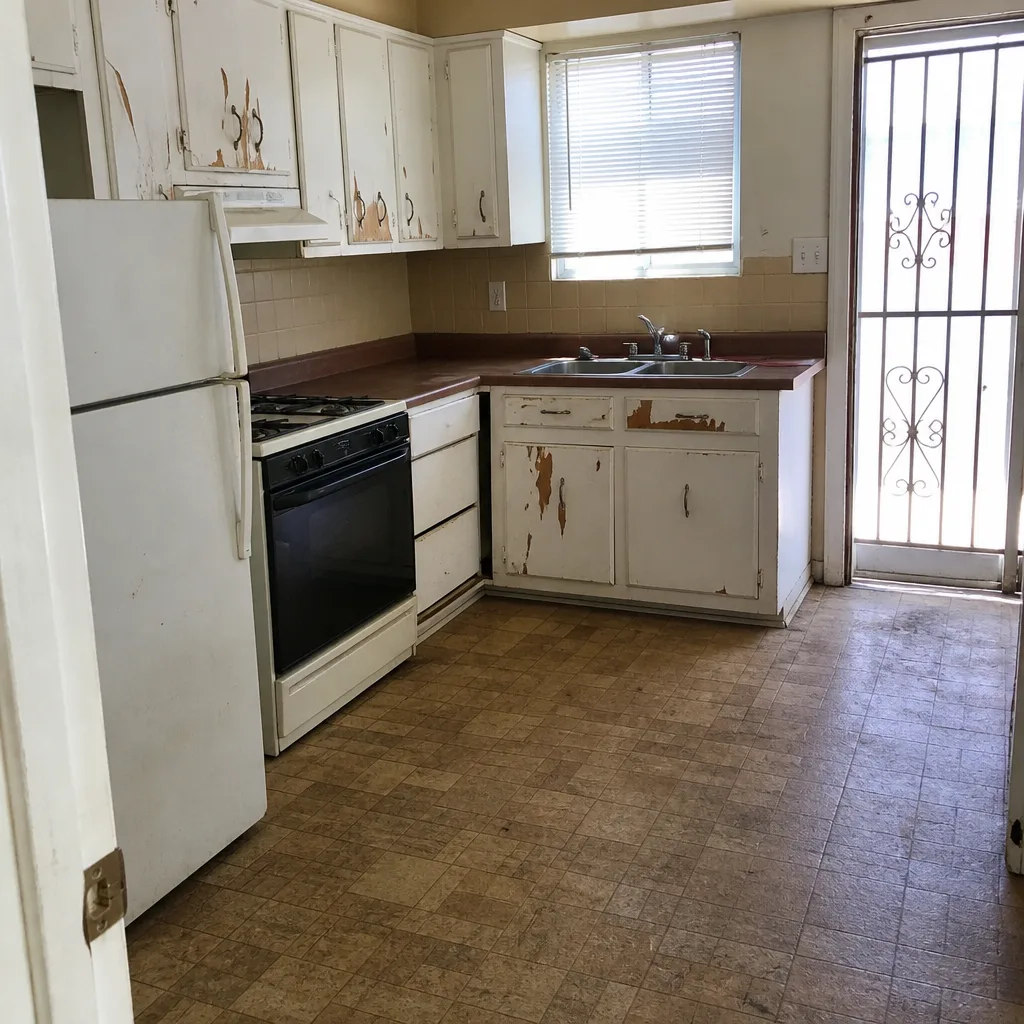 Before
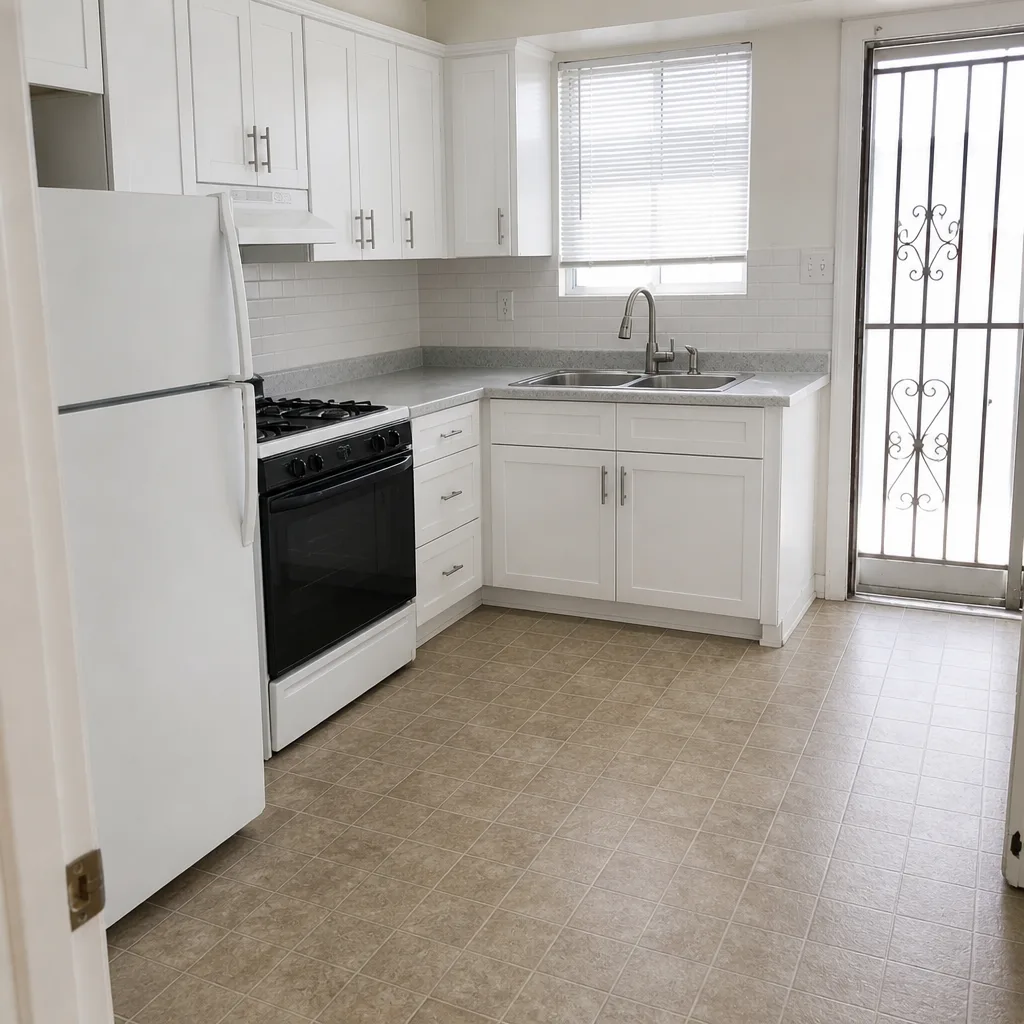 After
Interactive: What’s Actually Breaking Your Fence?
We put this together because the biggest mistake we see on fence repair calls is a homeowner replacing the wrong part. Here’s a short decision path.
- Does the gate swing freely if you lift it slightly? If yes, the hinge is dropping the gate, not the post.
- Does the gate bind at the same spot every time? If yes, the frame is out of square, not the hardware.
- Does the post move when you push it? If yes, the footing is failing, and the gate is only the messenger.
- Do the boards warp only on one face? If yes, sun and moisture are the issue, and airflow at the bottom rail is usually the fix.
- Is there rust on a masonry wall connection? If yes, water is the issue, and it’s coming from above the bracket, not from the bracket itself.
That path answers most fence questions in about 15 minutes. What it can’t answer is what caused the problem in the first place – and that’s where a proper diagnosis pays for itself. A footing problem that started with the wrong concrete mix doesn’t stop being a footing problem because you fixed the gate.
Frequently Asked Questions
Fence repair in Sunrise Manor typically runs $180 to $400 for a hinge or single post fix, and $600 to $1,500 for a gate reset with post work. A full section reset with soil correction runs $1,200 to $2,800 depending on length and access. Call (844) 312-0069 for an exact quote – estimates are free and in writing.
Because the footing has lost its grip in the soil and rain is the last push it needs. In Sunrise Manor, that’s almost always a concrete-to-caliche bond issue or erosion around the base. The post isn’t leaning because it’s wet; it’s leaning because the footing is loose and the rain softens the soil that’s been holding it. Patching over the top doesn’t fix the bond below grade.
Sometimes. If the hinge is loose or bent, yes – replace the hinge and re-check swing. If the frame is out of square on a gate under 5 years old, a diagonal brace is a reasonable Saturday project. If the post is moving, no – that’s a footing job, and tightening hinges on a moving post just buys you a season. Call (844) 312-0069 if you’re not sure which one you have.
Either the boards were low-grade and wet at installation, or the spacing is trapping moisture and the sun face is drying faster than the shaded face. In Sunrise Manor, both show up on the south and west faces first. Premium brands like Barrette and Master Halco hold up better than builder-grade pine, but the right spacing and bottom airflow matter more than the brand.
Yes. Every eligible fence job gets permits pulled and inspections signed, because the inspector works for you, not for the contractor. Sunrise Manor has height and setback rules that most homeowners don’t know about, and pulling the permit means the work is checked against code. Every price change arrives as a written change order before work proceeds.
A repair fixes one failed part – a hinge, a single board, one bracket. A full section reset is for systemic problems: three or more posts on the same run moving, a gate post pulled out of true, or a fence under 5 years old warping across the whole face. A reset addresses the cause. A repair addresses the symptom. If you’re looking at more than one failed post on the same line, call (844) 312-0069 and get a written estimate before you start buying materials.
The Bottom Line
Most fence problems in Sunrise Manor trace back to one of four causes: a footing that lost its grip in caliche soil, a hinge or post carrying weight it wasn’t designed for, a moisture trap that swells wood, or spacing set for the wrong climate. Diagnose before you patch. A single hinge or a single warped picket is honest weekend work. Two or more moving posts on the same run is a footing job, and patching without fixing the cause means doing the work twice. If you’re thinking about a bigger yard project, our guide to Driveway & Pavers in Sunrise Manor covers how proper base and drainage work the same way under a fence line. And if the fence is part of a larger addition or ADU plan, see Home Additions & ADU in Sunrise Manor for how fencing ties into site work and permit review.
Barrett & Sons Construction Sunrise Manor pulls permits and inspections on every eligible job, publishes written change orders before any scope change, and backs every completed job with the written 90-Day Done Right Promise. We’ve been proudly serving local communities for over 29 years, and our technicians bring up to 28 years of experience to every job. When you’re ready to know exactly what your fence needs, call (844) 312-0069 for a free estimate. You can also start at the Barrett & Sons Construction Sunrise Manor home page for the full list of services we offer across the east valley.
Written by the team at Barrett & Sons Construction Sunrise Manor.