
Last updated November 18, 2026






Free written scope consultation - allowances, timeline, and change-order rules on paper before a single trade is scheduled
Fence Installation Warning Signs Every Homeowner Should Know
A fence that looks perfect on day one can fail inside 18 months. Not because of cheap materials or bad lumber, but because of one skipped step underground that you never saw happen. That step has a name and a number: post depth and concrete volume. When a crew cuts corners there, the damage stays buried until the first hard wind or the first wet winter heaves the line out of plumb. We’ve walked plenty of leaning fence lines in Sunrise Manor, and the story is almost always the same. This guide names the specific job-site behaviors that separate a fence built to last from one built to look good for a season.
Quick Answer
The biggest fence installation warning signs are post holes dug too shallow or filled with too little concrete, a contractor who pitches skipping the permit as a favor, verbal-only price changes, and crews who start digging before utility locate flags are in place. Any one of these is reason enough to pause and ask questions. More than one means you’re likely looking at a fence that will lean, sag, or fail within a couple of seasons in Sunrise Manor’s soil and wind.
Styles & brands we work with
- Kitchen remodeling
- Bathroom remodeling
- Home additions & ADU
- Roofing
- Windows & doors
- Driveway & pavers
- Fence
Table of Contents
- Post Depth and Concrete Footing Shortcuts
- The “No Permit” Pitch
- Verbal-Only Change Orders
- Signs a Crew Skipped the Utility Locate
- Post-Install Warning Signs: Gaps, Wobble, and Gates
- Questions That Expose a Bad Contractor Fast
- When to Call a Professional
Post Depth and Concrete Footing Shortcuts
This is the failure you can’t see, and it’s the one that decides whether your fence stands straight in year five. A post is only as good as what’s holding it underground. In Sunrise Manor, the frost line runs about 12 inches deep and our soil is a mix of compacted desert dirt and caliche in spots, so a properly set post needs to sit well below that line and be locked in with enough concrete to resist movement. When a crew digs shallow holes and pours a token amount of concrete, the post looks fine for months. Then the soil shifts and the top of the fence tells the truth.
What to watch for before holes are covered
- Post holes that look shallow relative to the post height. A 6-foot fence sitting in an 18-inch hole is a warning sign.
- Dry concrete poured into a dry hole with a little water dumped on top, which never fully cures and leaves a loose seat.
- Holes dug with a hand auger in minutes per post, which usually means shallow depth.
- No spoil pile. If the crew isn’t pulling much dirt out, they aren’t digging deep.
- Posts set the same day the concrete goes in without any bracing to hold them plumb while it cures.
Why this matters in Sunrise Manor specifically
Sunrise Manor sits in a stretch of the valley where summer heat pushes concrete to cure fast and dry soil pulls moisture out of the mix. That makes the concrete-to-dirt bond critical. A footing that’s underfilled dries weak and cracks. Once a winter rain gets into the crack and the ground swells, the post walks. We’ve seen a Sunrise Manor fence line shift four inches out of plumb after two wet seasons because six posts at the corner were set in holes that were too shallow. Nobody thought to check before the concrete went in.
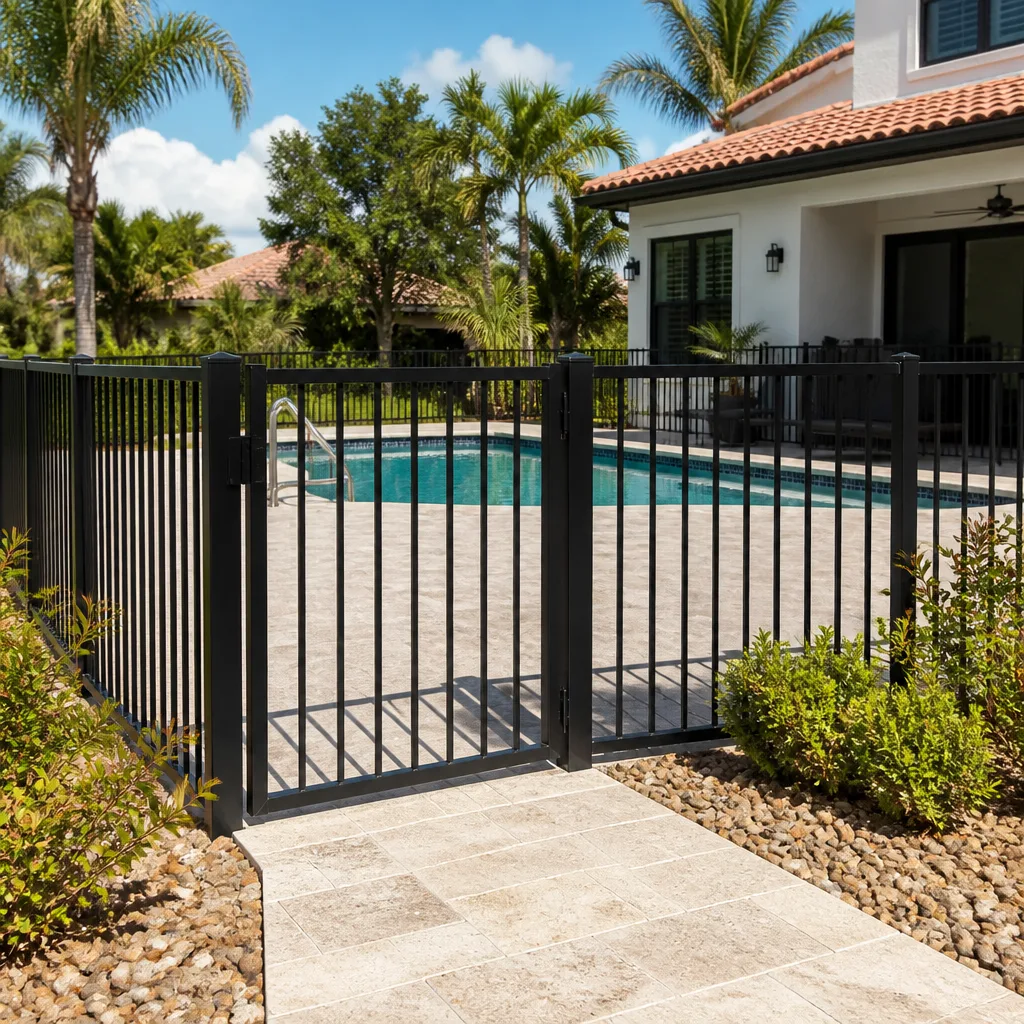
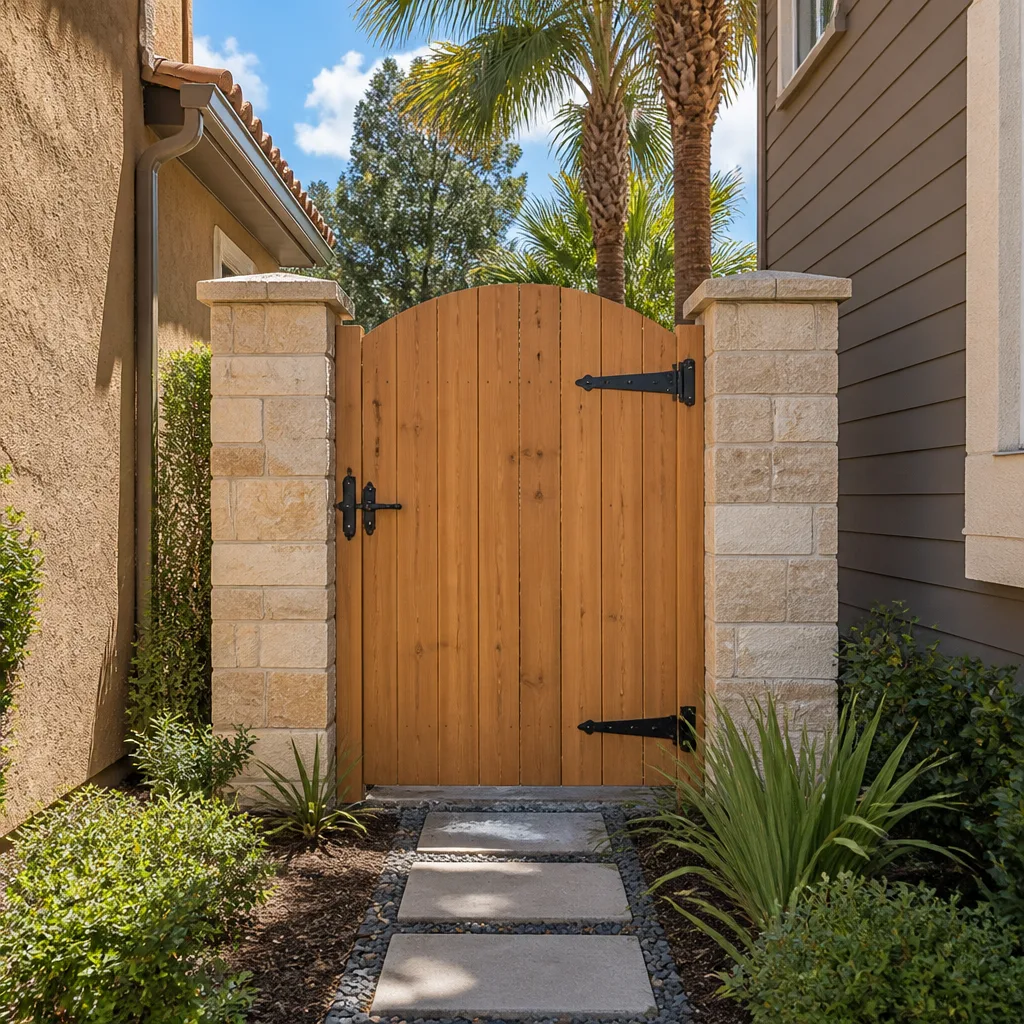
If you’re planning the job rather than diagnosing one, our Fence Installation in Sunrise Manor page covers the standards and materials we work to across block, vinyl, wood, and metal.
The “No Permit” Pitch
Here’s the script. The contractor leans in and says, “We can skip the permit and save you the fee and the wait.” It sounds like a favor. It isn’t. It’s a signal that the contractor either isn’t licensed to pull one, doesn’t want the inspection, or doesn’t want a paper trail. In Nevada, fences over a certain height, corner-lot fences, and fences near property lines typically need a permit and often a boundary check. Skipping it doesn’t just risk a citation from the county. It can mean the fence has to come out if a neighbor disputes the line or the county flags it later.
When a contractor frames the permit as optional, ask one question: “Will you put that in writing?” The answer will tell you everything. Anyone planning to skip a required permit won’t sign their name to it, because they know the risk sits on your property, not theirs. The permit inspector works for you, not for the contractor. That’s why we like the inspection. It’s a second set of eyes on the same work you’re paying for.
Red flags around permits
- “Permits aren’t needed for fences around here.” (They sometimes are. Height and location decide it.)
- “We’ll handle it after the install.” Inspections don’t work that way.
- No license number on the estimate, or a number that doesn’t match the name on the contract.
- Pressure to start before the ground can be marked or the permit filed.
On any job we take, the permit gets pulled and the inspection gets signed. Same goes for every trade we run, from Driveway & Pavers in Sunrise Manor to a full Home Additions & ADU in Sunrise Manor. If the work needs a permit, it gets one. No exceptions, no shortcuts.
Verbal-Only Change Orders
Midway through the job, something changes. A gate needs to move. A slope requires more posts. The material needs to change because the style you picked is out of stock. A good contractor stops, writes the change down, gets your signature, then picks the nail back up. A bad one says “we’ll sort it out at the end” and keeps working. That’s not a minor inconvenience. It’s how the invoice at the door ends up being different from the estimate you signed.
An allowance that isn’t on paper is a surprise waiting for a date. Every scope change, every material upgrade, every added post or extra gate should arrive as a written change order before work resumes. Anything else leaves you relying on someone’s memory of a conversation. The fence industry has plenty of crews who are honest until it costs them, and the ones who put every change in writing are the ones who stay honest when the job gets complicated.
What a real change order includes
- The specific change described in plain language.
- The added or reduced cost, itemized.
- Any schedule impact, in days.
- Your signature and the contractor’s before work moves forward.
If any of that is missing, stop. Ask for it in writing. If the crew resists, that’s the most useful warning sign you’ll get all week.
Signs a Crew Skipped the Utility Locate
Before any shovel touches dirt, the utility locate should already be done. In Nevada, that means calling 811 and waiting for the flags or paint marks to appear along the dig path. Every gas line, water line, irrigation run, and buried electrical feed gets marked first. Skipping that step isn’t a scheduling shortcut. It’s how a crew puts a shovel through a gas line or severs the power feed to a well pump, and it’s how a job turns into an emergency call to the utility company and a repair bill nobody planned for.
Ground disturbance near the fence line before the flags show up is one of the clearest warning signs you can spot from the kitchen window. No paint. No flags. Shovels already moving. That’s a crew cutting a corner that could have cost them their lives.
What a proper locate looks like before install day
- Flags or paint marks along the entire post line, including corners and gates.
- A reference ticket number from the 811 request, kept on file.
- A crew that rechecks the marks after the ground settles and before any post holes get dug.
- No digging within the tolerance zone around a marked line without hand tools.
If your crew starts moving dirt and you don’t see a single flag, walk out and ask them to stop. A contract that says “locates handled by contractor” is worth nothing if nobody made the call.
Post-Install Warning Signs: Gaps, Wobble, and Gates
Some problems show up after the last nail and before the first season ends. Some of those are installation defects. Some are normal settling. Knowing which is which saves you a panicked call to the wrong contractor. Here’s the short version. Within the first season, boards should stay tight, posts should stay plumb, and gates should close with a light push. If any of that isn’t true after a month or two of Sunrise Manor heat and a couple of wind events, you may be looking at a footing problem rather than settling.
Which problems are which
- Posts that wiggle under hand pressure are almost always a footing defect. Settling moves the whole line slowly and evenly; a loose post is a post with too little concrete around it.
- A gate that won’t latch after a couple of weeks usually points to a hinge or post that shifted. If the hinge is tight and the gate still won’t line up, the post is the problem.
- Gaps opening between boards in the first summer can be normal wood shrink in dry heat. If the gaps run wider at one end of the fence than the other, the line is out of plumb.
- A leaning section with the fence still squared to the ground is almost always a corner or gate post footing.
- Boards popping loose at the rails points to fasteners driven too shallow or too fast, which is a workmanship issue, not settling.
One way to tell installation from settling: check the same fence line in two places, on opposite ends. Settling moves the ground evenly under the whole fence. A footing problem shows up in one spot while the rest of the line stays put. If it’s the second, the fence was set wrong from the start.
Questions That Expose a Bad Contractor Fast
You don’t need to know how to build a fence to spot one being built wrong. You need a short list of questions that a good contractor answers without blinking and a bad one deflects. Here’s the list we’d hand a neighbor in Sunrise Manor if they asked us what to say at the kitchen table when a bid comes in.
- “How deep are you digging the post holes and how much concrete goes in each one?” A specific answer means they know the standard. A vague one means they’re guessing.
- “Will you pull the permit, and can I see the signed inspection when you’re done?” Yes with a paper trail is the only right answer.
- “Do you make the 811 locate call before you dig, and will I get the ticket number?” Any hesitation is a hard stop.
- “If a change comes up after we start, how do I see the price in writing before you keep going?” The answer should be “written change order, signed by both of us.”
- “What brands of material are you quoting, and can I look them up?” Named materials you can verify beat a mystery brand off a van every time.
- “What happens if the fence is leaning or a gate won’t latch in the first 90 days?” A good answer names what’s covered in writing. A shrug is your real answer.
- “Can I see your license number and address in writing?” Anyone who won’t put those on the estimate is somebody you don’t want standing in your yard.
That last question matters more than the rest, and it’s the one Barrett & Sons Construction was built around. Tom Barrett publishes his name, address, and license number so you can look them up before you sign anything. Ask anyone on your street. Or look up the license yourself.
Common Mistakes to Avoid
- Signing before seeing the change-order process in writing. If the estimate says nothing about how changes get handled, assume the worst and ask.
- Letting the crew start digging before the flags go down. Once the first post hole is in the ground, you’ve lost your chance to check the utility locate.
- Checking the depth of the hole after the concrete went in. Once the footing cures, you can’t measure it. Watch the dig on the first few posts.
- Accepting “we’ll pull it later” on the permit. Later usually never comes, and the fence is the thing that pays for that.
- Believing a phone quote. A rough square-foot price over the phone is not an estimate. The written one is the only one that matters, because it names the material, the depth of the footing, and the price of every change.
- Assuming the cheapest bid wins. If one estimate lands 30% below the rest, that difference is coming out of the post depth, the concrete, or the permit.
- Ignoring a wiggle in the first month. A loose post inside the first 60 days is a footing problem, and the longer it sits the more of the line comes with it.
See the difference
 Before
 After
 Before
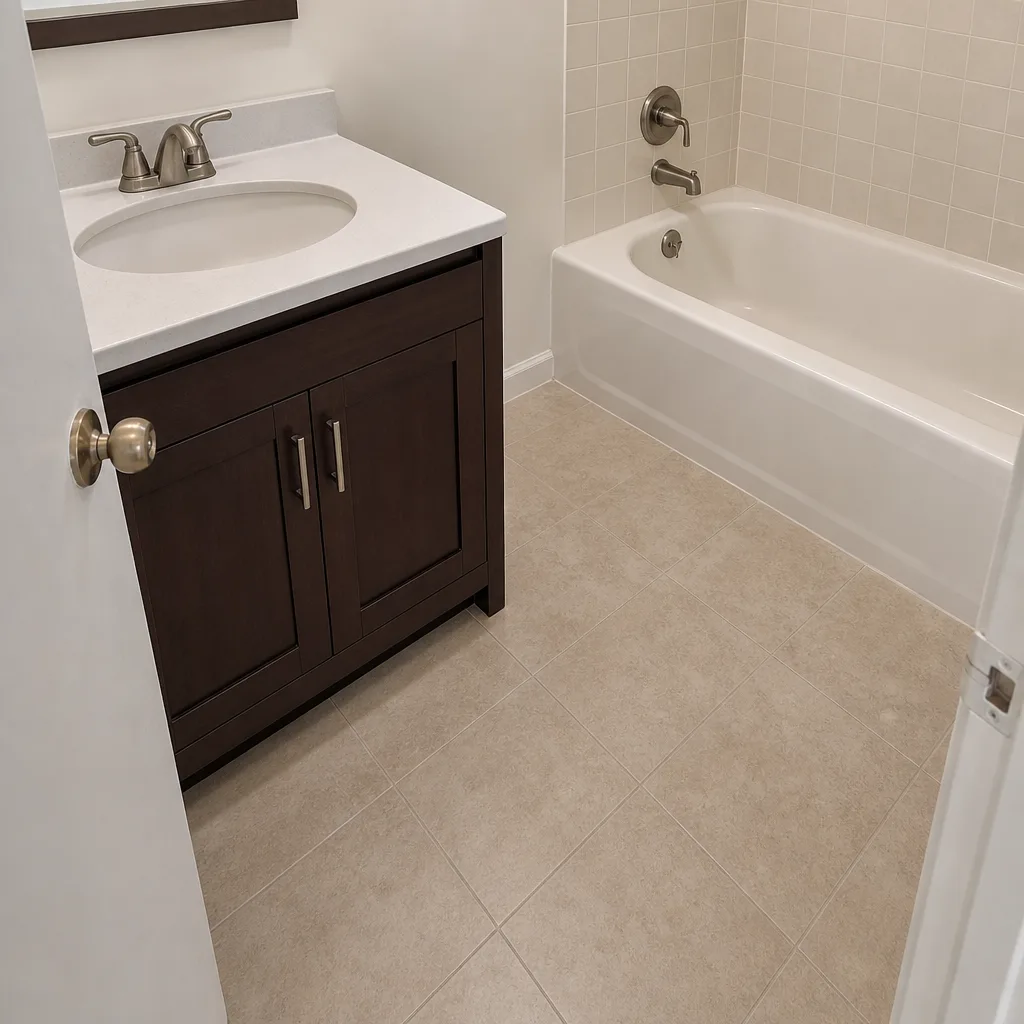 After
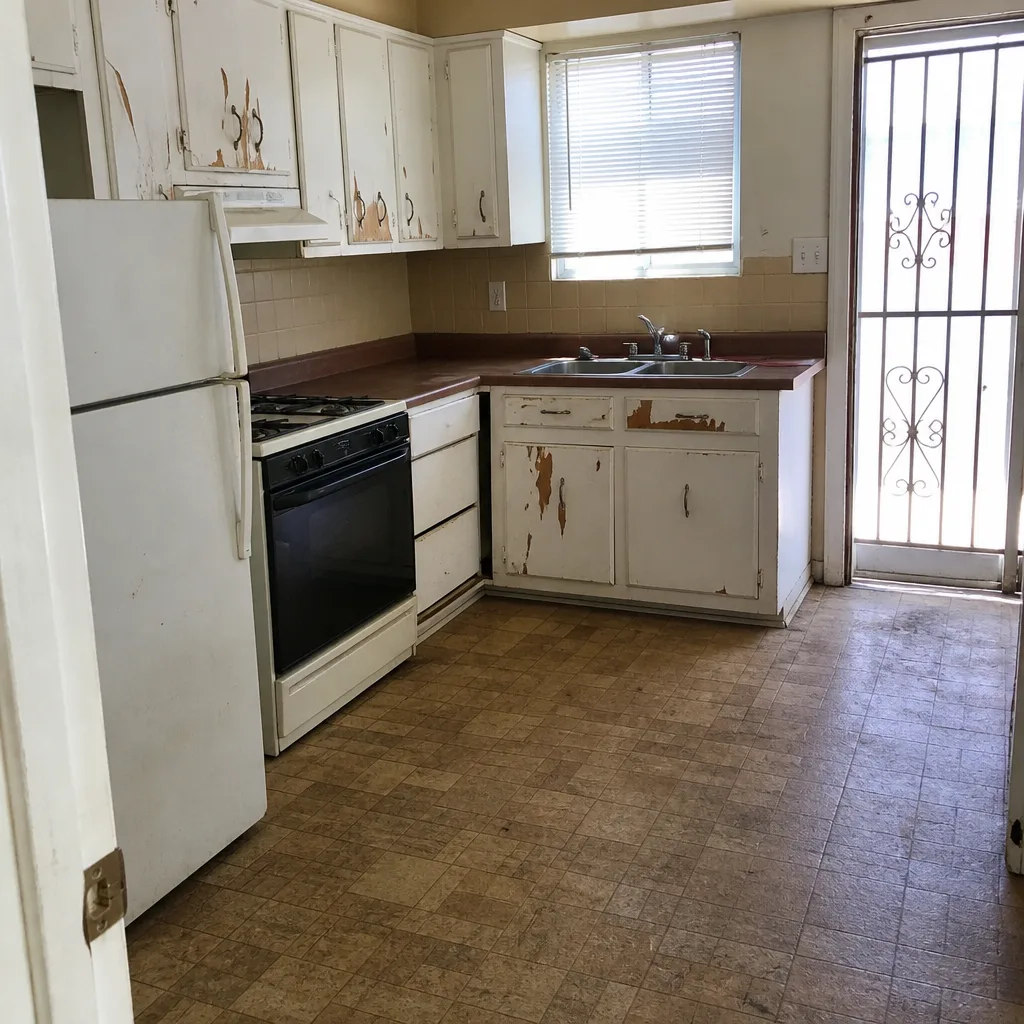 Before
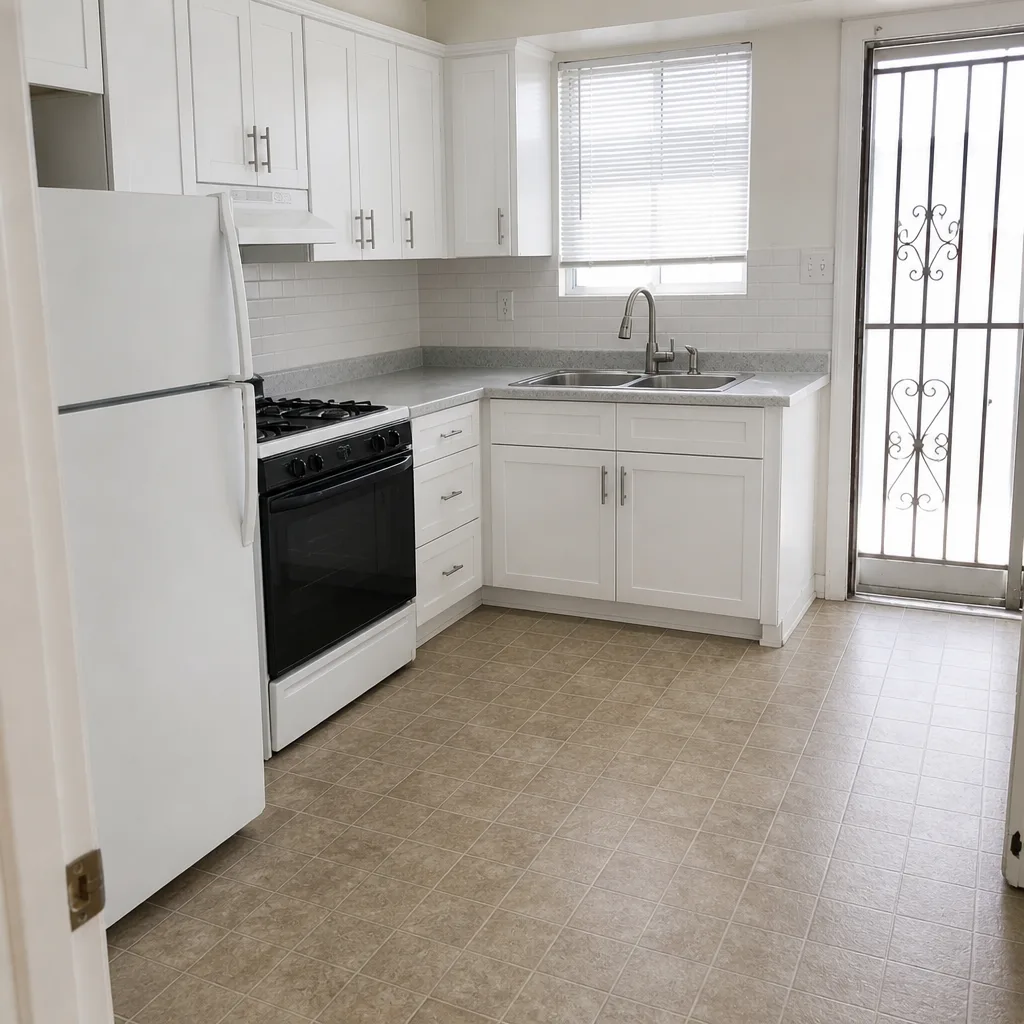 After
When to Call a Professional
Call a professional if you see any of these: a post that wiggles under hand pressure, a gate that won’t latch after a couple of weeks, a fence line that’s leaned four inches or more, or a crew that started digging before utility flags were in place. Those situations usually mean a footing has failed or is about to, and pulling and resetting a post means digging up concrete, re-locating utilities, and rebuilding the section around it. That’s a job for a crew with the tools, the permits, and the insurance to take it on. In Sunrise Manor, the ground expands and contracts enough through the year that a shallow footing turns into a bigger repair with every passing season. Barrett & Sons Construction Sunrise Manor offers free estimates in Sunrise Manor. Call (844) 312-0069 and we’ll walk the line with you.
Frequently Asked Questions

Watch the first two or three posts get dug if you can, and check the depth before the concrete goes in. A post hole that’s visibly less than a third of the post height sitting above grade is a warning sign, and so is a hole that gets a thin pour of concrete instead of a full footing. If you missed the dig, a post that wiggles by hand within the first couple of months is the above-ground proof. Call (844) 312-0069 and we’ll look at the line for you.
Sometimes, and it depends on the fence. Height, location on the lot, and whether the fence sits near a corner or property line all factor into it. The safe route is to assume it needs a permit and confirm with the county before work starts. Any contractor who pitches skipping it as a favor is skipping something else on the way, and that’s the warning sign that matters most.
You often can’t see it, and that’s the whole problem. The visible clues are a post that rocks by hand, a concrete collar that’s smaller than the post it’s holding, or a footing that cracked within the first summer. The reliable check is during the dig, before the pour, when the depth is still visible.
Gates carry the most load. Every swing puts torque on the hinge post, so a hinge post with a short footing lets go first. If the gate on a new fence won’t latch within the first month, the post is usually the problem rather than the hinge. That’s a footing fix, not a hinge adjustment. Call (844) 312-0069 to get it looked at before it tears the section around it.
No. A fence that leans in one section while the rest of the line stays straight is not settling. Settling is slow and even; a single leaning span with square sections on either side is a footing defect. Waiting gives the failing post more time to pull the boards, rails, and neighbors with it.
Fence materials from Boral and CGI, or windows and doors from PGT and CWS when the job crosses into the house, are the kinds of named products a real contractor quotes and installs. If the bid lists no brand at all, you’re buying a mystery package. Ask for the material name in the estimate, then look it up before you sign. Call (844) 312-0069 if you want a second opinion on a bid you’re holding.
The Bottom Line
Bad fence contractors don’t announce themselves. They use the same words as good ones, hand you a clean-looking estimate, and hope you never look underground. The proof is in the details: post depth and concrete volume, a permit pulled and an inspection signed, utility flags in place before the dig, and every change order in writing before the work moves. Watch those four things and you’ll catch most problems before the concrete cures. Skip them, and the fence will show you what was missed, usually within the first season or two. If a bid you’re holding leaves any of that vague, get a second opinion before you sign.
Barrett & Sons Construction has been owner-operated since 1998, and Tom and his sons are on-site most days. Every eligible job gets permits pulled and inspections signed, every price change arrives in writing, and every completed job is backed by our written 90-Day Done Right Promise. A live person answers the phone around the clock. Ask about our Free Second Opinion on Any Written Estimate, No Trip Charge Inside the County, $40 Off Any Repair Over $200, and our permanent 10% Senior & Veteran discount. To start, head back to the Barrett & Sons Construction Sunrise Manor home or call us at (844) 312-0069 for a free estimate on your fence.
Written by the team at Barrett & Sons Construction Sunrise Manor.