Last updated November 18, 2026







Free written scope consultation - allowances, timeline, and change-order rules on paper before a single trade is scheduled
Seasonal Construction Care for Sunrise Manor: Year-Round Homeowner’s Guide
Here’s the thing about Sunrise Manor weather that most maintenance guides get wrong: the temperature swings harder in a single day during March and October than it does at the peak of summer. Forty degrees between a cool morning and a warm afternoon is normal here, and that constant expansion and contraction is harder on caulk, stucco, and expansion joints than the July heat ever is. Most homeowners prep for summer and ignore the shoulder seasons. That’s exactly when the hairline cracks that become five-figure repairs first open up. This guide walks you through a maintenance calendar built for Sunrise Manor’s real climate, not one copied from Phoenix or Denver.
Quick Answer
In Sunrise Manor, the highest-value home maintenance months are March and April, when post-wind-season damage is visible and the heat hasn’t locked everything down yet. Summer prep should focus on UV protection and drainage before the July – September monsoon hits caliche-heavy soil, and fall is the smartest window to start any construction project because permits, crew schedules, and concrete cure conditions all line up. Winter is for the small stuff most people skip: caulk, expansion joints, and irrigation checks.
Styles & brands we work with
- Kitchen remodeling
- Bathroom remodeling
- Home additions & ADU
- Roofing
- Windows & doors
- Driveway & pavers
- Fence
Table of Contents
- Why March and April Are Your Highest-Value Maintenance Months
- Summer Prep: Protecting Stucco, Rooflines, and Flatwork
- Monsoon Moisture and Caliche Soil: What Happens to Your Foundation
- Fall Is the Best Window to Start a Construction Project
- Winter Checks That Prevent Spring Failures
- Wind Season: What It Does and What to Inspect
- Your Year-Round Sunrise Manor Maintenance Calendar
- When to Call a Professional
Why March and April Are Your Highest-Value Maintenance Months
Spring wind season in the east Las Vegas Valley does a lot of quiet damage. Grit and dust driven at 30-plus mph work their way into every seam, caulk line, and roof flashing detail. By the time the wind stops in April, you’ve got small openings that weren’t there in October. This is the moment to find them.
Why April specifically? Two reasons. First, everything is visible. The heat hasn’t started baking the ground yet, so you can actually get close to slabs, fence posts, and foundation edges without thinking twice. Second, contractors are still in their pre-season window. Roofers, stucco crews, and concrete guys haven’t hit the summer scheduling crunch, so you get more attention and better availability than you would in June.
The April walk-around checklist
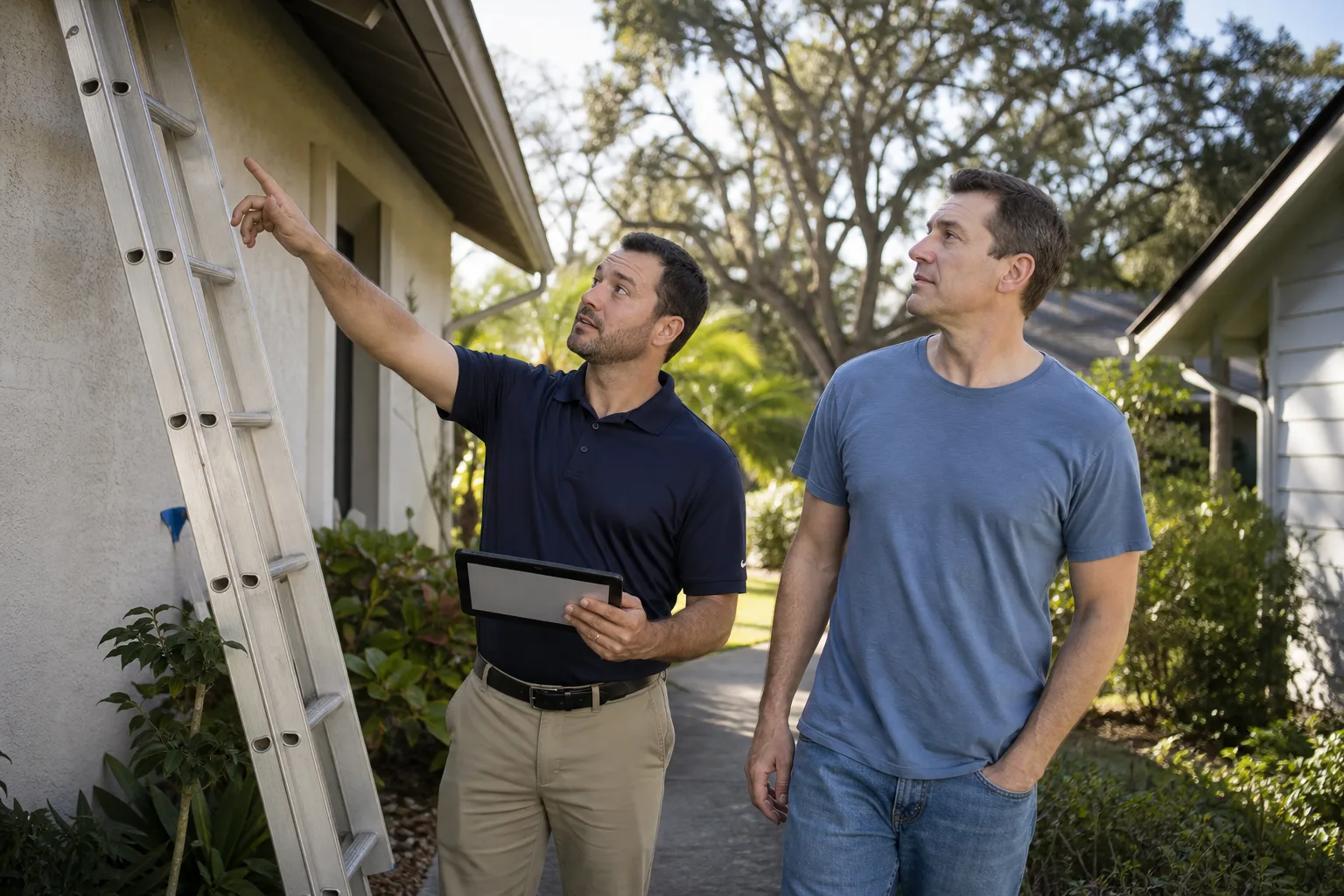
- Walk the perimeter of the house with a notebook. Look for stucco cracks wider than a credit card edge, especially on south- and west-facing walls.
- Check every caulk line at windows, doors, and penetrations. If it pulls away from the frame when you press it, it’s done.
- Look at the roofline from the ground with binoculars. Missing shingles after wind season are common and hard to see without magnification.
- Inspect fence posts for leaning. Post holes in caliche either hold perfectly or fail suddenly – there’s usually no slow in-between.
- Test every hose bib, irrigation head, and exterior drain before you need them in June.
- Photograph everything. When you call for estimates, dated photos get you a more accurate quote than a verbal description.
One more thing about April: this is when we see the first real evidence of what the winter did to expansion joints on driveways and patios. If you’re planning a Driveway & Pavers in Sunrise Manor project this year, April and May are the ideal months to get an estimate in hand before summer prices and schedules tighten up.
Summer Prep: Protecting Stucco, Rooflines, and Flatwork
Once June hits, the work shifts from repairing damage to preventing it. Sunrise Manor gets intense UV – the kind that degrades sealants, fades paint, and cracks concrete that wasn’t properly cured. Thermal cycling at 100-plus degrees is what most homeowners underestimate. Every day, the surface of your stucco and flatwork expands and contracts more than 100 times over the course of a summer, and small weaknesses turn into real cracks.
The tasks that actually matter in May and June
- Seal flatwork. Concrete driveways, patios, and sidewalks benefit from a penetrating sealer every 2-3 years. Without it, UV exposure and thermal cycling cause surface spalling and hairline cracking.
- Check attic ventilation. A hot attic in Sunrise Manor can hit 160 degrees. That heat cooks shingles from underneath and shortens roof life by years.
- Inspect window seals. Failed seals on older windows let cold air escape and let UV in. If you’re noticing fogging in double-pane units, that’s a seal failure, not a cleaning problem.
- Clear the drainage path. Before monsoon season, make sure water has a clear path away from the house. Grading that sloped fine in January can shift by July.
- Trim trees and shrubs back from the roofline. Branches rubbing shingles wear through granules and create leak points.
We’ve seen plenty of Sunrise Manor homes where a $200 sealing job in June would have saved a $3,500 stucco repair in October. That’s the trade-off summer prep is really about.
Monsoon Moisture and Caliche Soil: What Happens to Your Foundation
Sunrise Manor is built on caliche – that hard, calcium-carbonate-rich soil layer that makes planting a tree feel like digging through concrete. It drains fast when dry. But once the July – September monsoon hits, the story changes. Water that can’t soak through caliche runs sideways, and it carries soil with it.
Here’s what that means for your foundation. A one-inch rain event in Sunrise Manor can move water faster than a dry wash can carry it, especially on sloped lots. If the grade around your house doesn’t push water away, it pools. If it pools, caliche underneath softens unevenly. Uneven softening means differential settlement, and differential settlement means cracks in drywall, sticking doors, and eventually structural problems.
What to check after every monsoon storm
- Any standing water within 10 feet of the foundation
- New cracks in drywall, especially over door and window corners
- Doors and windows that suddenly stick or won’t latch
- Soil erosion at the base of the foundation
- Driveway or walkway slabs that have dropped or heaved
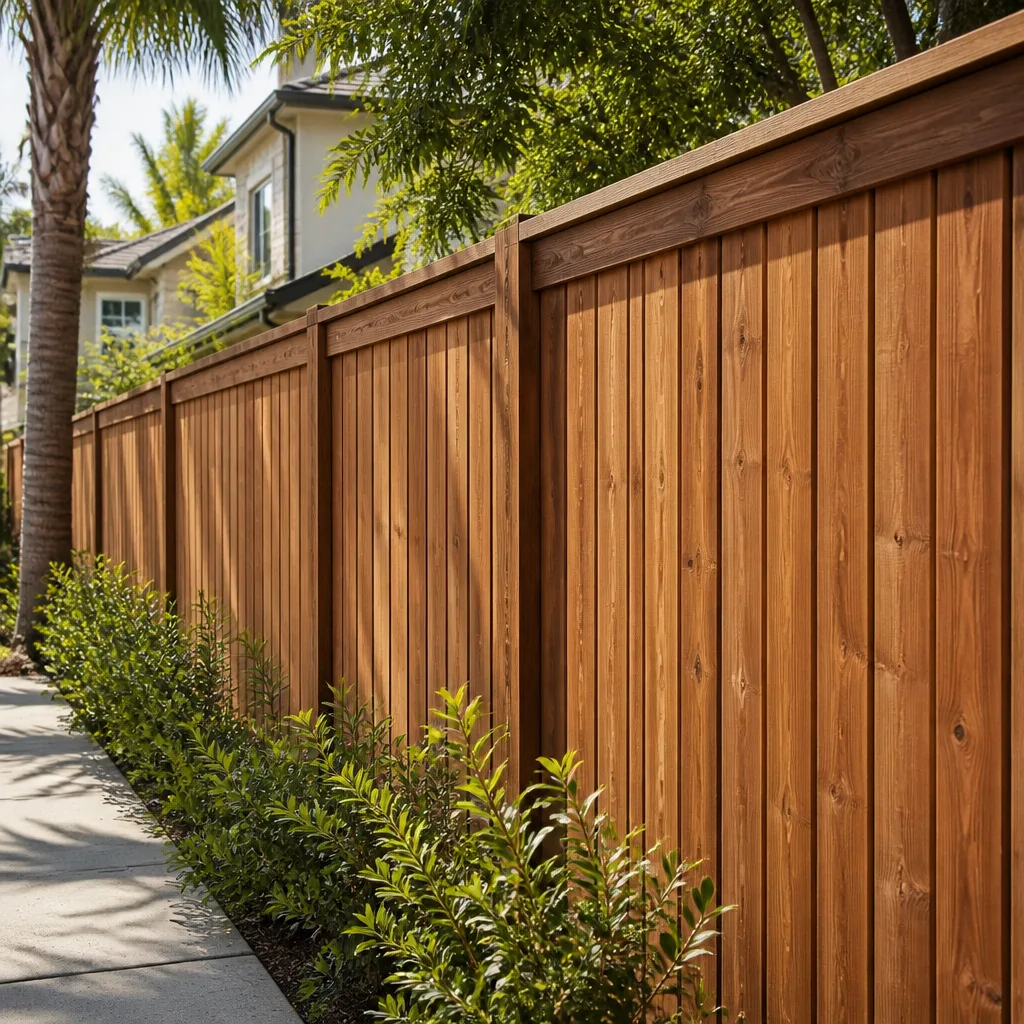
If you’re seeing any of these after a storm season, get someone out to look – not because it’s necessarily serious, but because the repair cost roughly doubles once water has had a second season to do its work. This is also the time of year to look at your fence line. Monsoon water moves fast through caliche, and fence posts set in that soil can shift or lean after a wet season. If your fence has taken a beating, a Fence Installation in Sunrise Manor estimate is worth getting in early fall before storm season rolls around again.
Fall Is the Best Window to Start a Construction Project
If you’re planning any significant project – a Home Additions & ADU in Sunrise Manor, a roof replacement, a kitchen remodel – October and November are the smartest months to start. Not because the weather is nicer (though it is), but because three things line up that don’t line up any other time of year.
Why fall works
- Permit timing. Permit offices move faster in fall than spring. If your project needs permits, getting your application in during September or October usually means inspections happen before the year-end holiday crunch.
- Crew availability. Summer is the busy season for roofing and exterior work. By fall, the backlog has cleared and quality crews have real scheduling flexibility.
- Concrete cure conditions. Concrete sets best between 50 and 80 degrees. Sunrise Manor fall hits that range almost every day. Summer pours require extra care – fall pours set clean and strong without fighting the heat.
One thing worth knowing: any project that involves structural changes or new living space will need permits pulled and inspections signed off. The permit inspector works for you, not for the contractor. A thorough inspection protects you from exactly the problems that make a project cost twice what it should. If your last contractor told you permits were optional, that’s your sign to find someone else.
Winter Checks That Prevent Spring Failures
Winter in Sunrise Manor is mild, which is exactly why most homeowners skip it. But the small tasks that matter most in winter are the ones that set up spring failures if ignored.
The winter maintenance list
- Caulk inspection. December and January are when you can actually see the difference between a caulk line that’s holding and one that’s given up. Cold makes failing caulk crack and pull away visibly. Fix it now and you’ve saved a spring water intrusion problem.
- Expansion joint clearing. Driveway and patio expansion joints fill with grit over the year. Clear them in winter, before the spring temperature swings cause slabs to push against each other and crack.
- Irrigation system check. Run every zone in January or February. A valve that froze or a head that broke will become a big water bill and a soggy yard by April.
- Roof flashing check. Wind and thermal cycling loosen flashing. A quick inspection after a winter windstorm catches the problem before spring rain finds it.
- Window and door weatherstripping. If you’re getting drafts in the winter, you’re also losing cooled air in the summer. This is a cheap fix with compounding returns.
Winter is also a good time to open up a conversation about bigger projects. If you’re thinking about new windows this year, this is the season to talk brands and options – ES Windows and CWS both offer solid energy-efficient lines, and an early decision means lead times don’t push your install past the cool spring window when installation is easiest on your home and your schedule.
Wind Season: What It Does and What to Inspect
Sunrise Manor’s spring wind season runs roughly March through May, and it’s the single most underrated cause of structural wear in the valley. Twenty-five mph sustained winds with 40 mph gusts, day after day, do things to a house that a single rainstorm can’t.
Wind doesn’t just blow dust around. It forces grit into every seam – under flashing, behind trim, along window frames, around fence post bases. That grit is abrasive. Combined with the daily temperature swing in spring, it accelerates the wear on every moving joint on your home’s exterior.
Post-wind inspections worth doing in June
- Roof shingles. Look for missing, lifted, or curled shingles. Every missing shingle is a direct path for monsoon water.
- Stucco. Look for hairline cracks, especially on the windward side of the house. Small cracks let moisture in and UV expansion finishes the job.
- Fence posts. Push on every post near the ground. If it rocks in the soil, it needs resetting or it will be gone by next wind season.
- Window screens and seals. Wind pressure can bend frames and break seals on older units. Check every window on the windward side.
- Gutters and downspouts. Not every Sunrise Manor home has them, but if you do, wind season fills them with grit. Clean them in June before monsoon starts.
If post-wind inspection turns up roof damage, don’t wait. Roofing is the one category where a $400 repair becomes a $4,000 problem fast. Ask about brand and manufacturer before anyone touches a shingle – GAF and CertainTeed systems carry warranties and documented specs, so you know exactly what’s going on your roof and what’s standing behind it.
Your Year-Round Sunrise Manor Maintenance Calendar
Here’s the calendar in one place. Print it out or stick it to the fridge. It’s built around the actual Sunrise Manor climate, not a generic four-season model.
March and April
- Post-wind-season walk-around with photos
- Stucco crack inspection (south and west walls first)
- Caulk check on all windows and doors
- Roof shingle inspection (binoculars from ground)
- Fence post push-check
- Start getting estimates for any planned project
May and June
- Seal flatwork (driveways, patios, sidewalks)
- Attic ventilation check
- Window seal inspection
- Clear drainage paths before monsoon
- Trim trees and shrubs from roofline
July through September
- Post-storm check (standing water, new cracks, sticking doors)
- Erosion check at foundation edges
- Slab and walkway level check
- Fence line inspection after wet season
October and November
- Best window for construction projects to start
- Pre-winter roof flashing check
- Final irrigation zone run before cooler weather
- Pre-winter caulk inspection
December through February
- Cold-weather caulk inspection (failures are visible now)
- Expansion joint clearing on flatwork
- Irrigation valve and head check
- Draft inspection on windows and doors
If you want the whole list in a single reference, we’ve seen it pay for itself twice over in saved repair bills. Most of these tasks are free to do and cheap to fix in the early stage. The expensive part is always the same: finding them late.
See the difference
 Before
 After
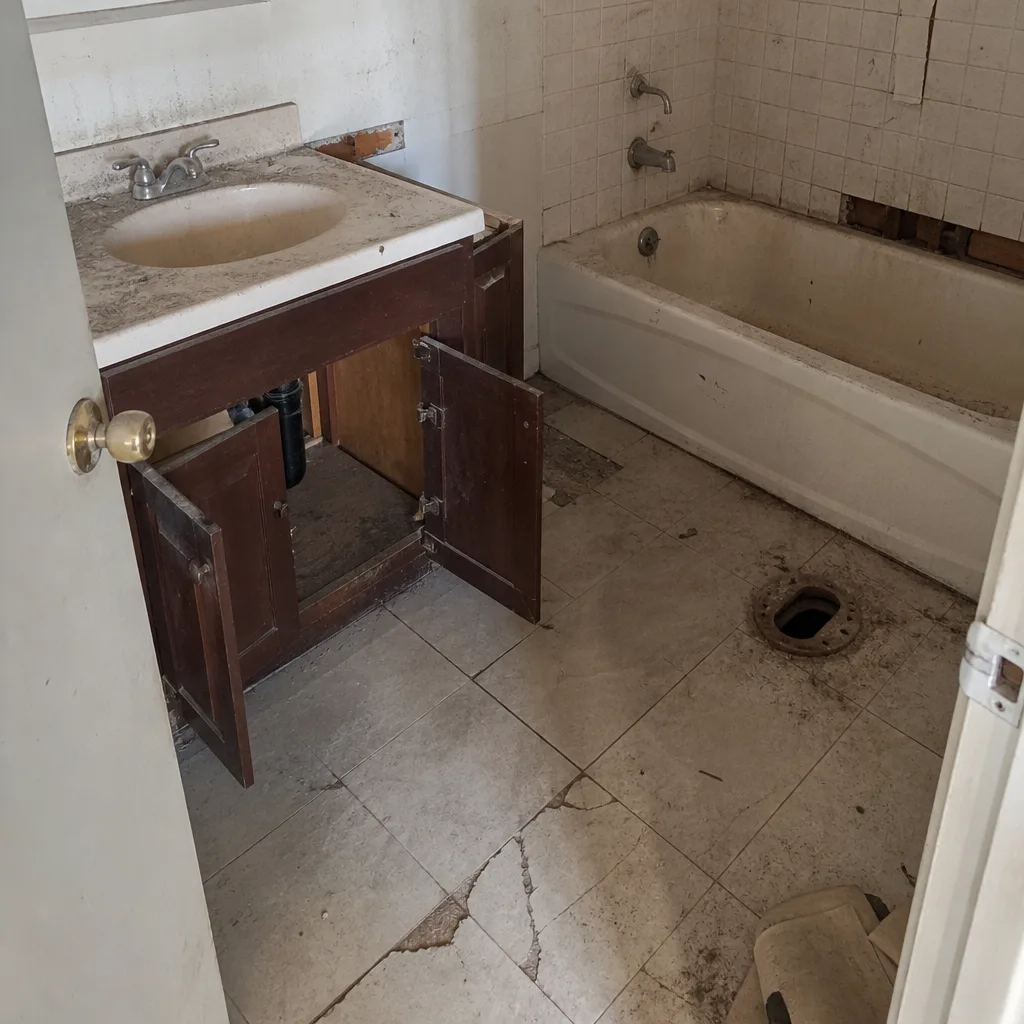 Before
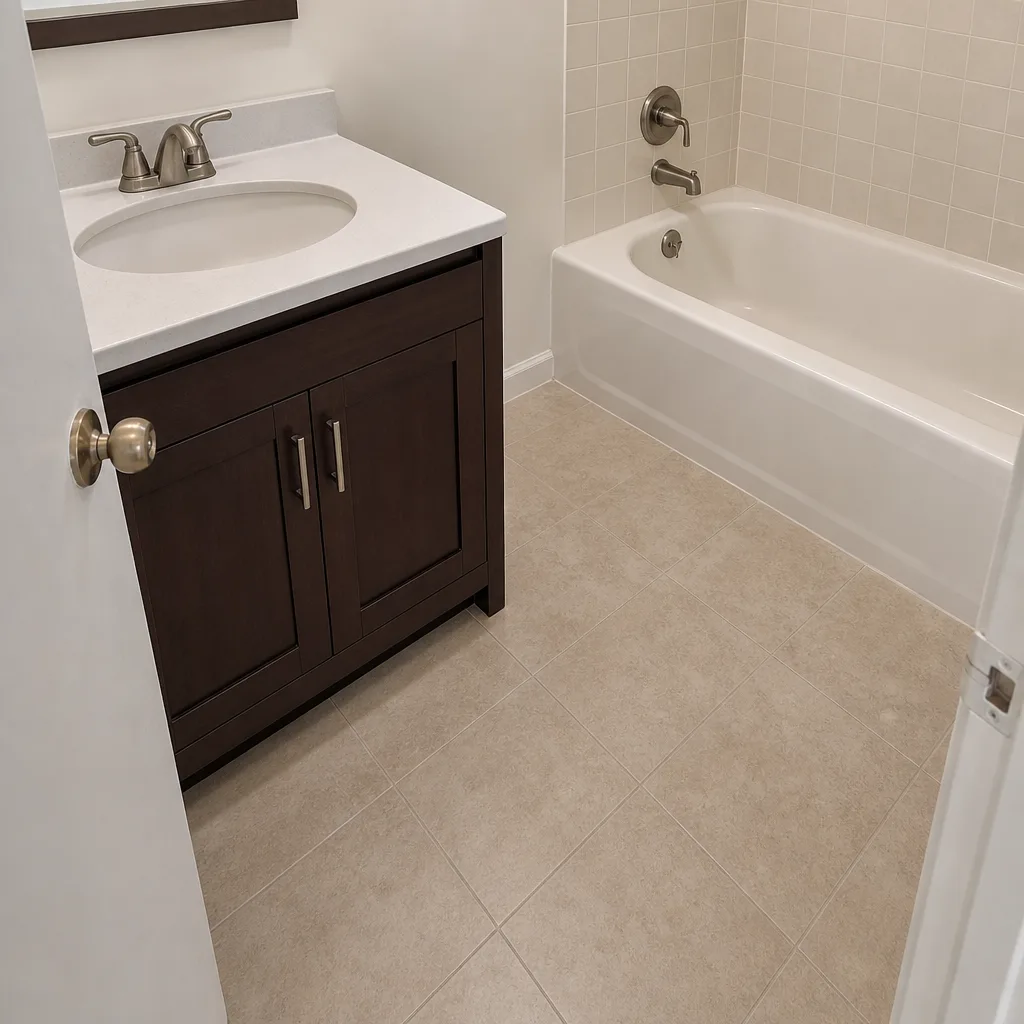 After
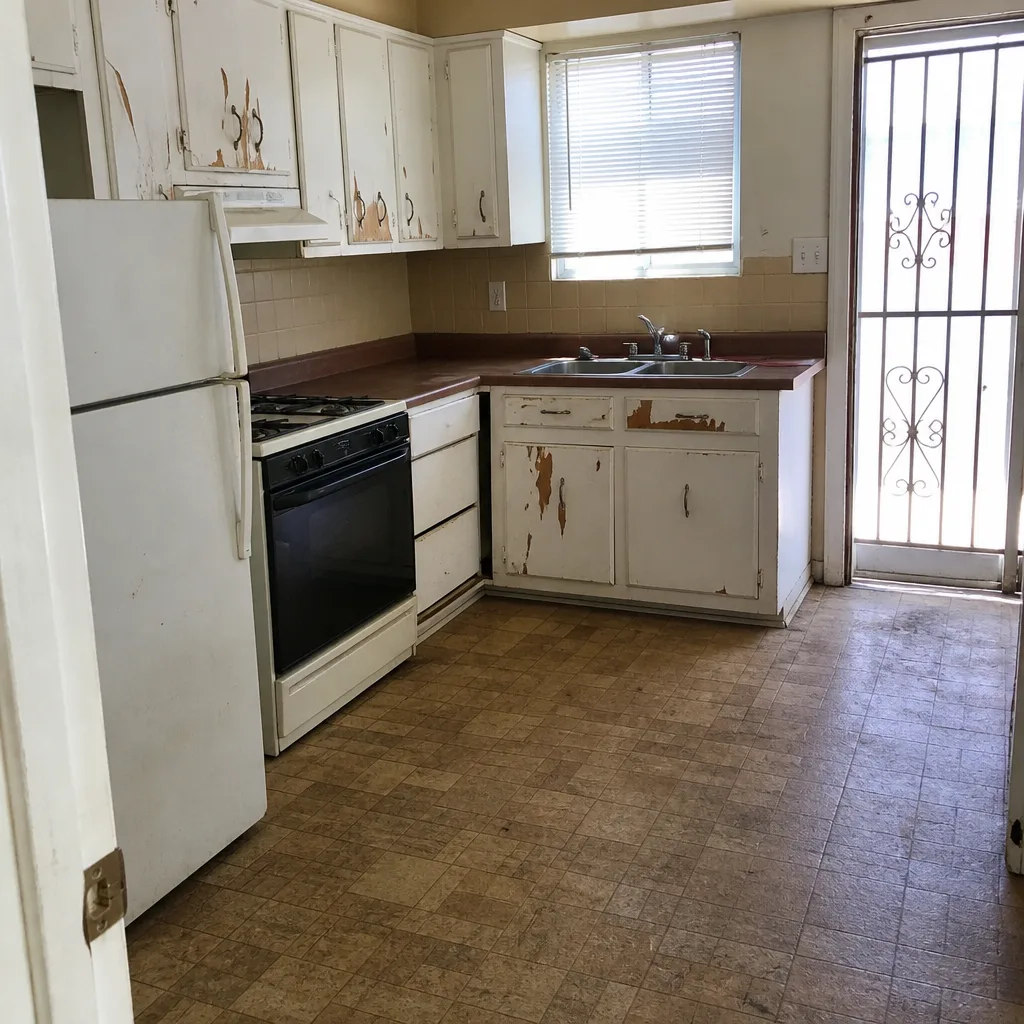 Before
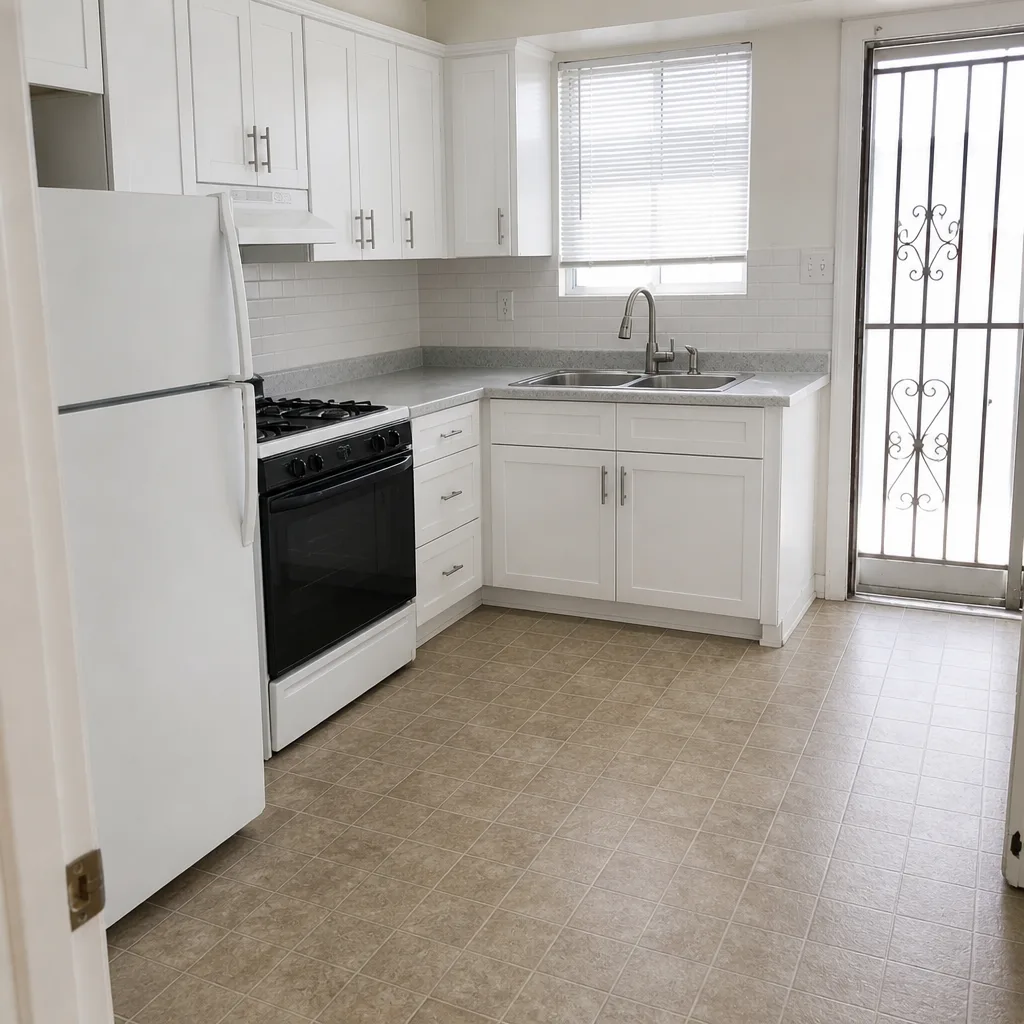 After
Common Mistakes to Avoid

- Treating summer as the only season that matters. In Sunrise Manor, spring wind and winter temperature swings do more damage than the heat. If you only inspect in June, you miss the two windows when problems first show.
- Skipping the post-storm walk-around. A ten-minute walk after every monsoon event catches 80% of the foundation and drainage issues before they’re expensive.
- Ignoring hairline cracks because they’re “just cosmetic.” In a 40-degree daily swing climate, “just cosmetic” becomes structural in about two seasons. Especially on stucco and flatwork.
- Starting a construction project in June. Summer is the worst combination of scheduling pressure, highest prices, and difficult concrete and roofing conditions. Fall is the smart start.
- Not pulling permits on projects that need them. The inspector is your advocate, not your adversary. A project without permits is a project without verified quality.
- Assuming caliche means good drainage. Caliche drains fast when dry and fails completely when wet. If your grading has shifted even slightly in five years, it needs attention.
- Letting a contractor talk you out of written scope and written change orders. An allowance that isn’t on paper is a surprise waiting for a date. Everything should be in writing – scope, price, allowances, and any changes.
When to Call a Professional
Some of this guide you can absolutely handle yourself – caulk inspection, hose bib checks, drainage clearing, and the walk-around photo habit. But certain things need a trained eye and an insured crew. Call a professional if you’re seeing:
- Cracks in drywall over door and window corners (possible foundation movement)
- Doors or windows that suddenly stick or won’t latch
- Standing water near the foundation after a monsoon storm
- Roof shingles missing, curled, or lifted after wind season
- Stucco cracks that keep opening up after you seal them
- Any fence post that rocks when you push on it
- Any structural change you’re considering (additions, new openings, new living space)
Barrett & Sons Construction Sunrise Manor offers free estimates in Sunrise Manor – call (844) 312-0069. We’ve been serving local communities like Sunrise Manor for over 29 years, and our crews have up to 28 years of experience with the exact climate and soil conditions you’re dealing with. Every eligible job includes permits pulled and inspections signed, every price change arrives as a written change order before work starts, and every completed job is backed by our written 90-Day Done Right Promise. Tom’s name, address, and license number are published – look them up before you sign anything. And if you want a second opinion on any written estimate before you commit, that’s free too.
Frequently Asked Questions
April. Spring wind season has just ended and summer heat hasn’t started, which means damage is fully visible and easily accessible. Every major repair I’ve seen in the fall started as something visible in April.
Caliche drains extremely fast when dry but softens unevenly when saturated. During monsoon season, water that can’t soak through runs sideways and can erode soil beneath the foundation, causing differential settlement. That’s what produces the drywall cracks and sticking doors people start noticing in August.
Yes, for most projects. Fall offers faster permit turnaround, better crew availability, and near-ideal concrete cure temperatures (50-80 degrees). Spring works too, but you’re competing with the exterior-work rush and often paying more.
Every 2-3 years for most homes. The UV exposure here is intense enough that sealers break down faster than in cooler climates. A $200-$400 sealing job prevents surface spalling and hairline cracking that runs into four figures to repair. Call (844) 312-0069 if you want an exact quote – estimates are free.
Often yes, depending on height, location, and whether new footings are going in. Requirements vary by county and project scope. The right answer is to check before you build, not after – and any contractor who tells you permits are optional needs to be replaced immediately. A project without permits is a project without protection.
Walk the property within 48 hours. Check for standing water near the foundation, new cracks in drywall, doors that suddenly stick, soil erosion at foundation edges, and fence posts that shifted. Catch the problems in the first week and most of them stay cheap. Call (844) 312-0069 for a free estimate if you want an expert set of eyes on anything you’re unsure about.
The Bottom Line

Sunrise Manor doesn’t have four equal seasons – it has a wind season, a brutal summer, a narrow fall window, and a mild winter that quietly sets up spring failures. Build your maintenance calendar around that reality and you’ll spend a fraction of what your neighbors spend on repairs. April walk-arounds catch the wind damage. June sealing protects against UV and thermal cycling. October starts any big project while permits, crews, and concrete cure conditions all line up. Winter checks keep the small stuff small. Every one of these tasks is cheap now and expensive later – and that’s the whole point.
If you want a set of trained eyes on your home this season, whether it’s a walk-around, a second opinion on a written estimate, or a project you’re getting ready to start, call Barrett & Sons Construction Sunrise Manor at (844) 312-0069 for a free estimate. We’re happy to look at where things stand and tell you honestly what needs attention now, what can wait, and what’s worth planning for next season.
Written by the team at Barrett & Sons Construction Sunrise Manor.