Last updated November 18, 2026





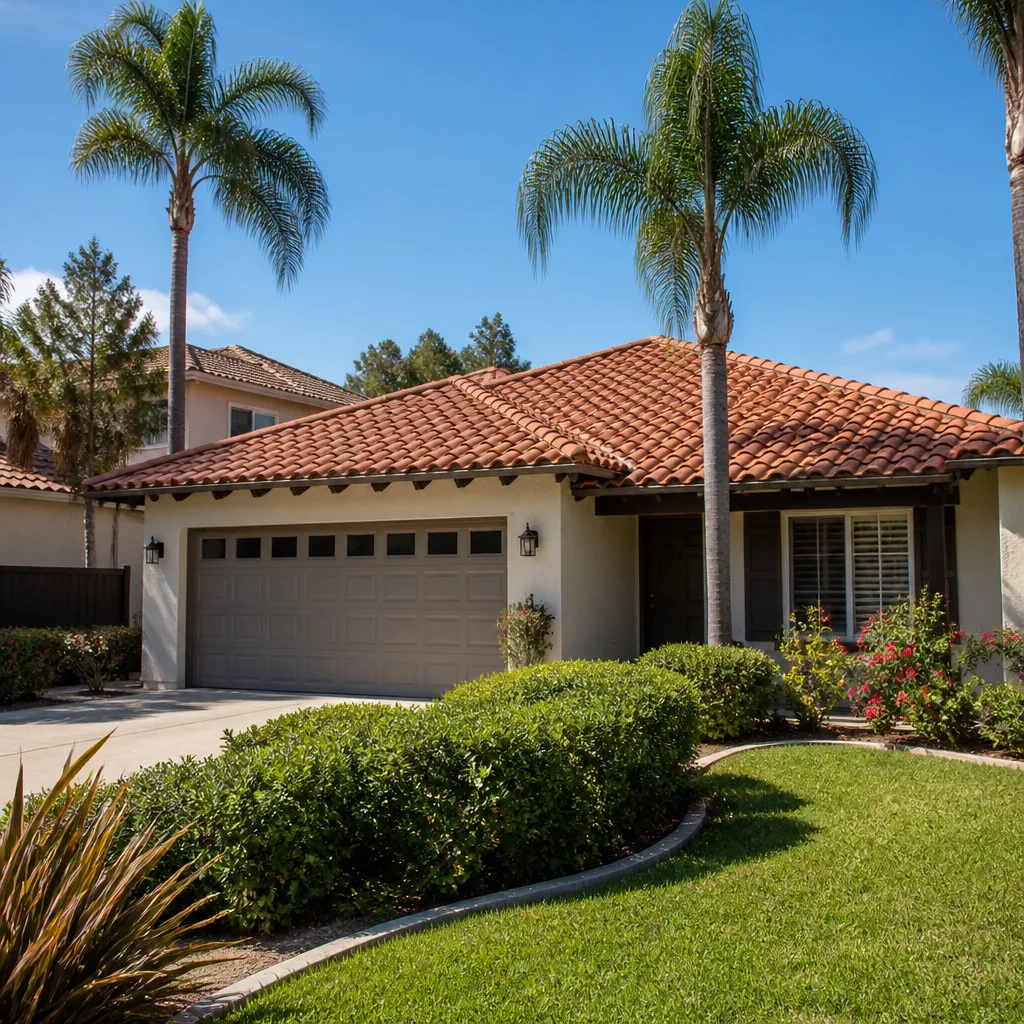
Free written scope consultation - allowances, timeline, and change-order rules on paper before a single trade is scheduled
Construction Warning Signs: A Sunrise Manor Homeowner’s Reference Guide
A hairline stucco crack running diagonally from a window corner isn’t cosmetic in Sunrise Manor. In a climate with this much thermal movement and caliche-heavy soil, that specific crack pattern is a documented early indicator of frame separation – and it costs about $400 to address now versus $4,000 once it reaches the sheathing. Most warning-sign guides describe failure after it’s already expensive. This one teaches you to read the early-stage signals that appear six to twenty-four months before a repair becomes a replacement, so you can budget on your terms instead of the calendar’s. What follows is how to tell cosmetic cracking from structural, what sticky doors really mean, and how to document it all so a contractor can assess it without a wasted site visit.
Quick Answer
In Sunrise Manor, the construction warning signs that matter most are diagonal stucco cracks wider than a credit card at window and door corners, interior doors that stick seasonally, fascia rot along the north-facing roofline, and driveway cracks that widen rather than hairline. Each points to a specific system – frame movement, foundation heave, moisture intrusion, or base failure – and each is far cheaper to address in its first year than its third. Learn the patterns once and you’ll catch most repair problems before they cross the five-figure line.
Styles & brands we work with
- Kitchen remodeling
- Bathroom remodeling
- Home additions & ADU
- Roofing
- Windows & doors
- Driveway & pavers
- Fence
Table of Contents
- How to Read Stucco Cracks: Cosmetic vs. Structural
- Sticky Doors and Windows: What Foundation Movement Really Looks Like
- Roofline and Fascia Signals That Mean Moisture Has Passed the Easy Fix
- Driveway and Flatwork: Base Failure vs. Surface Wear
- Why Sunrise Manor Soil and Heat Change the Rules
- How to Photograph and Document Warning Signs Properly
- When in the Year These Signs Peak in the Valley
- When to Call a Professional
How to Read Stucco Cracks: Cosmetic vs. Structural
Stucco in Sunrise Manor cracks. That’s the honest starting point. Our summers push exterior surfaces to 160 degrees and winter nights drop into the 30s, and stucco expands and contracts with every degree of that swing. Some of that cracking is normal and some of it is a message. The trick is learning which is which using three things: where the crack sits, what angle it runs, and how wide it gets.
Here’s the sizing rule we use in the field. A hairline crack under 1/16 inch (roughly the thickness of a business card) running randomly across a stucco field is usually cosmetic. A crack at a stress point – window corner, door corner, the inside of an L-junction – that reaches 1/8 inch or wider is telling you something moved.
The angle carries more information than the width. Diagonal cracks that run from a corner outward at roughly 45 degrees indicate differential settlement: one part of the frame or foundation dropped relative to another. They’re the crack pattern that gets the quickest attention because they tend to propagate. Vertical cracks in the stucco field are usually the least alarming. Horizontal cracks near a floor line deserve a look.
- Under 1/16 inch, random direction: typical thermal cracking, cosmetic touch-up.
- 1/8 inch or wider at a corner, running diagonally: frame or foundation movement, worth a professional assessment.
- Stair-step pattern following a mortar joint (if brick or block beneath): settlement, get eyes on it.
- Crack that hasn’t moved in a year: less urgent; document it, watch it, and re-measure annually.
- Crack that widened in six months: active movement, address sooner.
We’ve seen that diagonal corner crack in Sunrise Manor dozens of times, and the pattern holds: it’s almost always catchable at the stucco-and-paint stage for a few hundred dollars, versus sheathing repair and reframing once it reaches the substrate. If you’re also weighing exterior upgrades, our Barrett & Sons Construction Sunrise Manor home page covers the full service picture, but read the crack first.
Sticky Doors and Windows: What Foundation Movement Really Looks Like
Interior doors that stick or swing open on their own are one of the most reliable early indicators of foundation movement in this valley – and one of the most commonly dismissed. The reasoning is straightforward. Your slab moves a fraction of an inch due to expansive desert soil, the framing above it tilts with the same movement, and suddenly the door that closed clean for three years needs a shoulder to latch. It isn’t the door’s fault.
The signature to watch for is seasonal sticking. A door that’s hard to close in August and fine in January suggests soil that swells with monsoon moisture and shrinks in the dry season. A door that’s gotten progressively harder to close over eighteen months, regardless of season, is a different conversation: something is moving steadily, not just breathing.
Windows tell the same story. If a sliding window or patio door that used to glide now needs real force, your exterior stucco crack pattern from the section above becomes relevant. Combine the two – a diagonal stucco crack plus a sticky window on the same wall – and you have a fairly clear signal that the frame on that elevation has shifted.
- Check the same door or window in opposite seasons. Note whether the sticking is consistent or seasonal.
- Look for light coming through a closed exterior door’s edges. A new gap on one side suggests the frame has settled.
- Measure from the door’s top corner to the nearest ceiling point on both sides. A difference of more than 1/4 inch on a short span is worth flagging.
- Look at the door’s strike plate and hinge screws. Doors that have been shoulder-closed show wear at the strike – evidence the misalignment has been there a while.
- Photograph the stucco wall on each side of that door at the same time of day, so you have a real before-and-after if you need one.
We can’t diagnose foundation movement from a phone call, but we can tell you what to look for and when it’s worth a professional look. If it’s a same-elevation pattern with stucco involvement, get an assessment; if it’s one interior door stiffening in August, watch it through the next dry season before spending anything.
Roofline and Fascia Signals That Mean Moisture Has Passed the Easy Fix
Roofing in the desert seems like a contradiction – why worry about moisture in a 4-inch-a-year climate? Because rain in Sunrise Manor arrives in sudden bursts, and one good monsoon drops more water in an hour than a week of drizzle in most other places. A roof that would tolerate weeks of small leaks in a wetter climate will get a peak test in twenty minutes here.
By the time most homeowners notice a stained ceiling, the leak has already been flowing for weeks or months – often along a rafter, into insulation, and out through the drywall in a spot that’s a good six feet from where it entered. The roof is more patient than you’d like. So we look for the signs that show up earlier than interior staining.
- Fascia paint bubbling or peeling in a line: likely moisture coming off the roof edge behind the fascia, typical at the drip edge.
- Wood that feels soft when you press on it: by the time fascia goes soft, the trim board is compromised. Replacements are cheap when caught early; the sheathing repair isn’t.
- Rust streaks below the gutter line: water escaping the gutter, running down the fascia, and oxidizing the fasteners.
- Gutter pulling away from the fascia at one or two points: the fascia wood underneath the fastener has softened and lost holding power.
- Dark stains or matting on the roof underside where you can see it from an attic hatch: decking moisture, worth a professional look.
- Sagging along a stretch of fascia or gutter: this has left the “easy fix” stage, get an inspection.
We install Home Additions & ADU in Sunrise Manor and roofing work within the same service area, and the pattern is consistent: fascia repairs caught at the bubble stage run in the hundreds; caught after the sheathing wets through, they’re a different job. If you’re already planning a roof look, the reading you’ve done up to this point pays off.
Driveway and Flatwork: Base Failure vs. Surface Wear
Driveway cracks are where most homeowners misdiagnose the problem. A surface crack looks the same as a base failure crack from ten feet away. From the front seat of a car, they’re indistinguishable. But the repair is completely different – one is a patch and seal, the other is a rebuild – so telling them apart before you call anyone saves both time and money.
Surface wear is hairline cracking in the concrete finish, often in a map pattern, usually from the sun baking the top layer. The concrete never failed structurally; the finish did. It looks bad but isn’t going anywhere, and it’s the least expensive thing on the driveway.
Base failure is cracking that travels through the slab because what’s underneath it stopped supporting it. In Sunrise Manor, the usual cause is caliche – the naturally cemented calcium-carbonate layer common throughout the valley – meeting a driveway base that was under-compacted or under-thick during original construction. The caliche doesn’t drain, the base shifts, and the slab cracks from underneath. Cracks that form a triangle, run parallel to the drive’s edge in one continuous line, or appear alongside settled or lifted panels are base-crack signatures.
| Signal | Most likely meaning | Typical repair |
|---|---|---|
| Hairline map-cracking in the surface finish | Surface wear (thermal) | Clean and seal |
| Crack following edge of driveway in one line | Base failure or edge settling | Mudjacking or partial replacement |
| Triangular cracks meeting at a point | Slab corner lifted or dropped | Evaluate base; possible rebuild |
| Panel visibly higher or lower than neighbor | Base erosion or heave | Full flatwork replacement |
| Cracks growing wider over 12 months | Active base movement | Investigate before patching |
If you’re weighing replacement, our Driveway & Pavers in Sunrise Manor page covers hardscape options including Belgard and Tremron pavers, which flex with minor base movement in ways poured concrete can’t. That flex is why we often recommend pavers on Sunrise Manor drives cut through caliche-heavy lots.
Why Sunrise Manor Soil and Heat Change the Rules
Sunrise Manor’s soil isn’t East Coast clay and it isn’t beach sand. It’s a mix of desert alluvium, caliche hardpan, and pockets of expansive material. That phrase – expansive – matters. Expansive soil swells when it gets wet and shrinks when it dries, and in a place where the moisture arrives in short, violent bursts and then disappears for eight months, the swell-shrink cycle is more violent than most soil-science rules assume. That’s why warning signs here don’t follow the national charts. The patterns specific to Sunrise Manor look like this:
- Cracking concentrated on west and south elevations: those walls take the most direct thermal load and dry out fastest; add a monsoon cycle and they’re the first to show.
- Signs appearing in the year after a heavy monsoon season: the wetting event triggers the swell; the visible warning sign peaks six to twelve months later as the soil dries and drops.
- New construction on the neighborhood’s newer lots showing signs at 5-8 years: not unusual, given the grading fill common in recent builds and the way caliche behaves under fill.
- Stucco patching needed every two summers on the same wall: the wall is moving more than a typical wall, and the cosmetic patch is masking a recurring movement signature.
- Foundation cracks that appear only at the low side of a sloped lot: water is pooling on that gradient, and the soil under the low side is doing more work than it should.
Our team has watched these patterns on Sunrise Manor properties for a long time. If you’re also considering a perimeter addition, our Fence Installation in Sunrise Manor work regularly turns up base conditions during staging that give us a read on the ground you’re building on. ActiveYards and Belgard products tend to hold up better on these lots because the installations are set up to handle the movement.
How to Photograph and Document Warning Signs Properly
The single biggest thing you can do – whether you plan to call someone now or in two years – is document what you’re seeing the right way. Good documentation means a contractor can give you a real read on a warning sign without an unnecessary site visit first, and it protects you if the issue is still active six months later.
- Get a reference object in the frame. A credit card or coin held next to the crack shows the width without interpretation. A crack photo with nothing for scale is a blurry gray line to a contractor.
- Shoot wide before close. One photo of the full wall, then one of the crack. The wide shot tells us which corner, which elevation, and which side of the house.
- Date-stamp every photo. Your phone’s metadata does this; enable the timestamp overlay too. A crack review across time only works if you know when each photo was taken.
- Photograph at the same time of day each time. Morning light and afternoon light show cracks and shadows differently. Same-angle photos over six months give a real growth signal.
- Measure and note the width. A cheap crack gauge or a marked piece of tape is enough. Note the width and the date in a simple log.
- Include the context. The door, the window, the fascia line – build a small file folder on your phone that a contractor can look at on the first call.
- Don’t repair before you document. It’s tempting to patch that crack before you sell or rent. Patch after the assessment, not before, so the contractor can see what they’re actually assessing.
We’ve had plenty of calls where a homeowner photographs a crack, sends it to us, and we can tell them on the spot whether it’s a patch-and-forget or something worth visiting. That’s not a shortcut around expertise; it’s using the phone well so the visit is for real work.
When in the Year These Signs Peak in the Valley
Warning signs don’t appear on a schedule – but the ones you notice most often come in seasonal waves, and knowing the season helps you tell a temporary flare-up from a real problem. In our experience working Sunrise Manor homes, the sequence runs like this:
- Late June through August: thermal expansion produces the most stucco cracking. Cracks look worse than they are; document and re-check in November.
- July through September: monsoon season. Water is the trigger for the soil movement that shows up six to twelve months later. Watch for fascia and gutter moisture now, and expect interior signals in the spring.
- September through November: the crack measurements you took in summer either held steady (cosmetic) or widened (structural). Measure during this window – it’s the reliable comparison point.
- December through February: coldest outdoor nights plus interior heating. Interior doors and windows stiffen from dry air as well as from frame movement; the two produce similar symptoms, so this is a good season to check with a moisture meter if you’re unsure.
- March through May: the best inspection window. Soil is at its most stable, temperatures are moderate, and contractors aren’t yet into summer booking. If your signs are real, this is the season to get a proper read.
None of this changes the urgency of a base-failure driveway or an active fascia leak – those get addressed when they’re found. But it does change what’s worth judging in August versus what’s worth waiting on until spring. We’ve been reading these season signals on Sunrise Manor homes for a long time, and they’re consistent.
Common Mistakes to Avoid
- Patching a structural crack before diagnosing it. Stucco patch over a diagonal corner crack hides the movement signature from the next inspector without stopping the movement itself. Diagnose first, patch second.
- Assuming a sticky door is a door problem. Buying new hinges won’t fix a frame that’s shifted. Check the surrounding stucco and window on the same wall before touching the hardware.
- Waiting for the ceiling stain before addressing a fascia line. By the time water reaches the drywall it’s traveled a rafter distance. The fascia bubble was the warning; the ceiling stain is the bill.
- Treating driveway cracks like uniform problems. A surface crack and a base crack get different repairs. Sealing a base-failure crack makes it look fine for one season and doesn’t fix the slab that’s already moving.
- Skipping permits on “small” warning-sign repairs. In this valley, the scope that looks like a $500 stucco patch occasionally turns into sheathing and reframing work that should have had a permit and an inspection. The permit inspector works for you, not for the contractor.
- Documenting without scale or a date. A photo of a crack with nothing for reference is nearly unusable for a real assessment. Use a coin or card next to the crack and turnout the timestamp.
- Getting a quote over the phone on structural-looking work. Any honest contractor will want to see the pattern before pricing it. If the number comes before the visit, keep looking.
See the difference
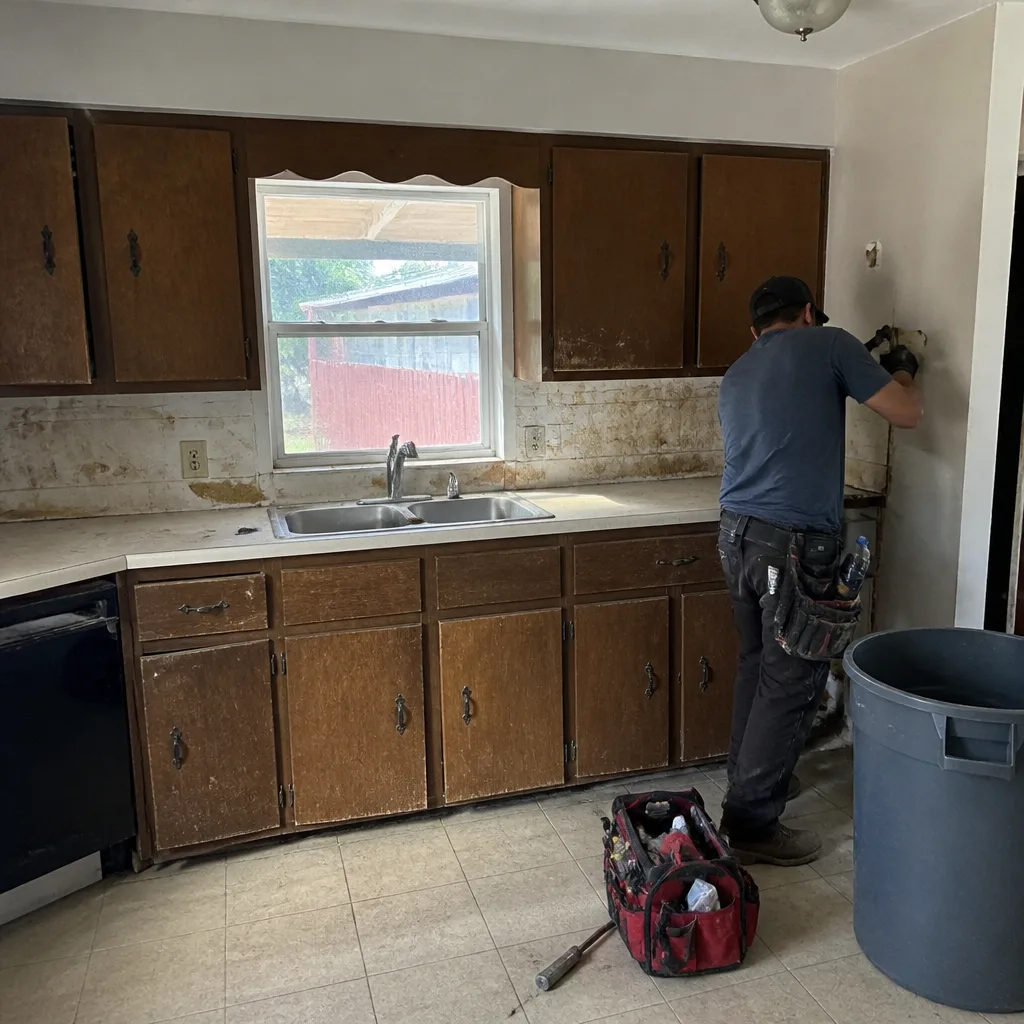 Before
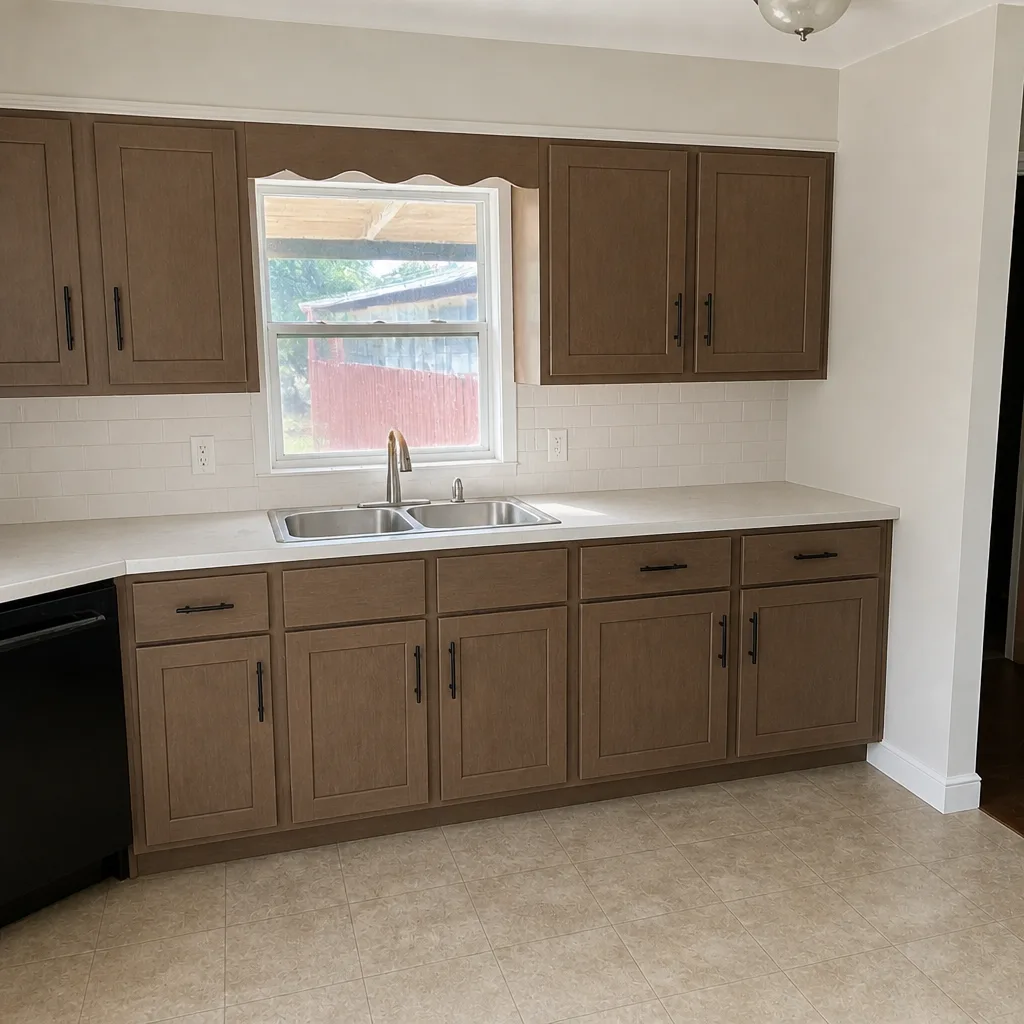 After
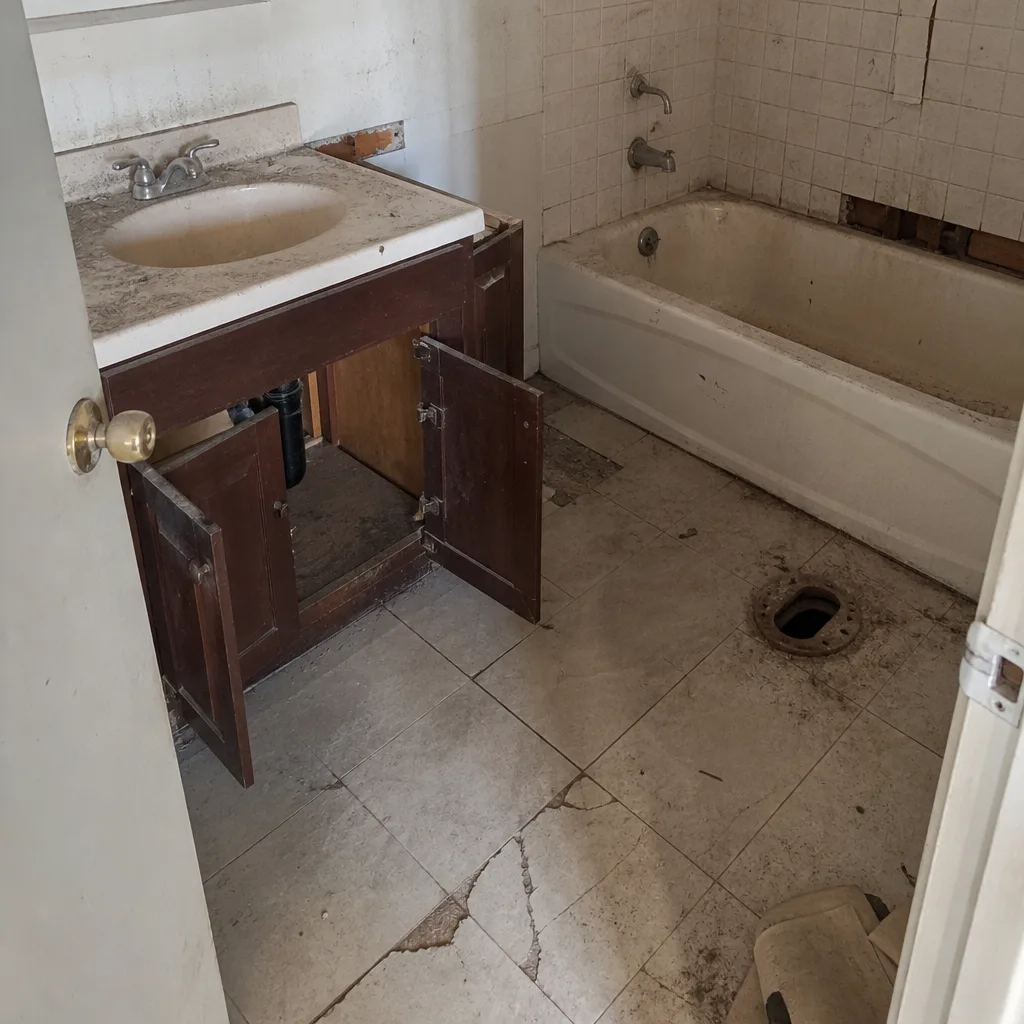 Before
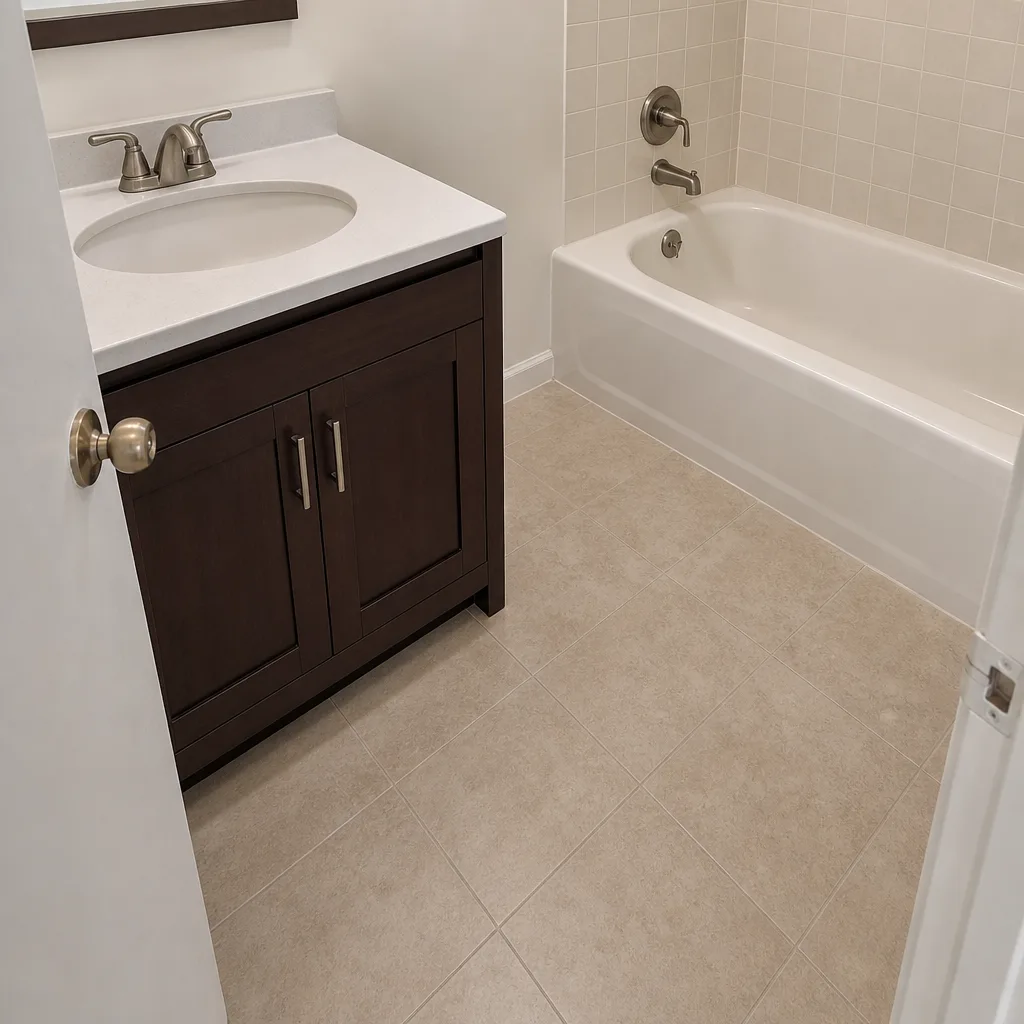 After
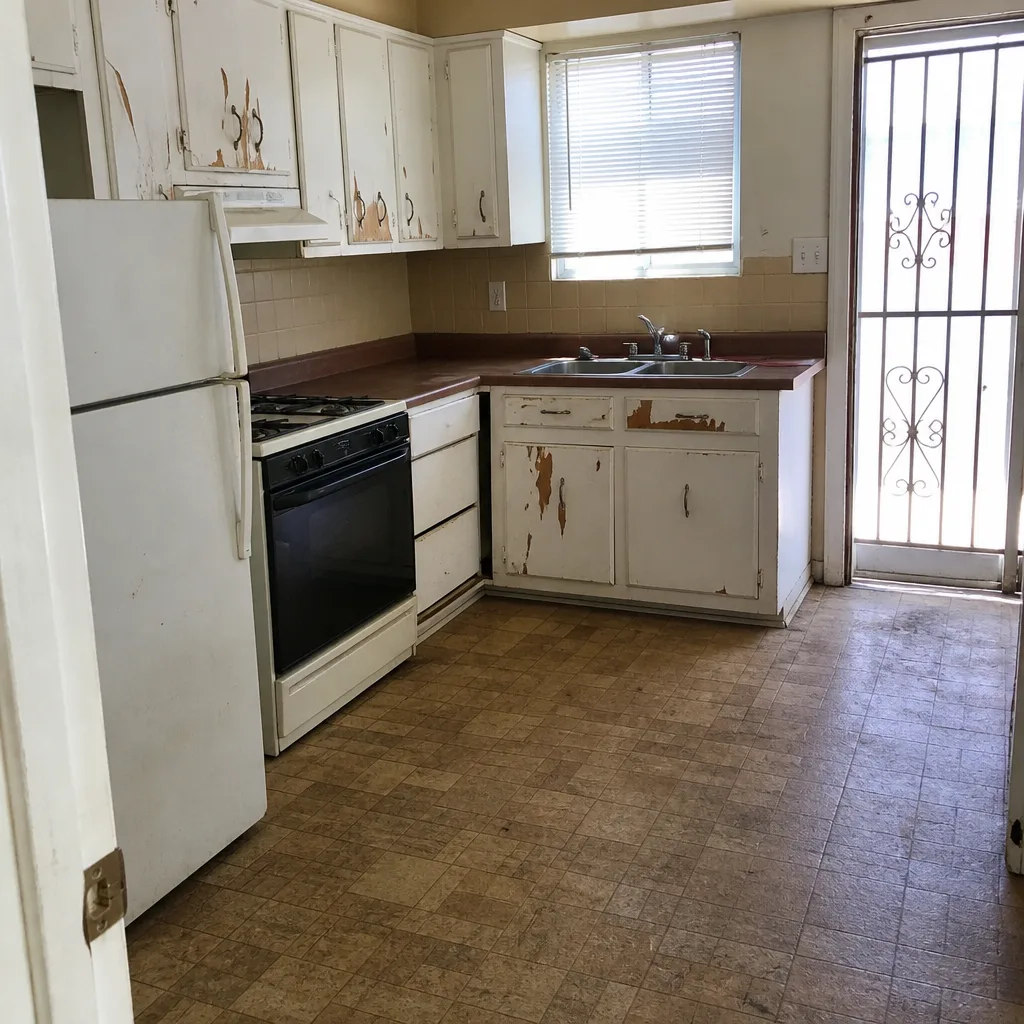 Before
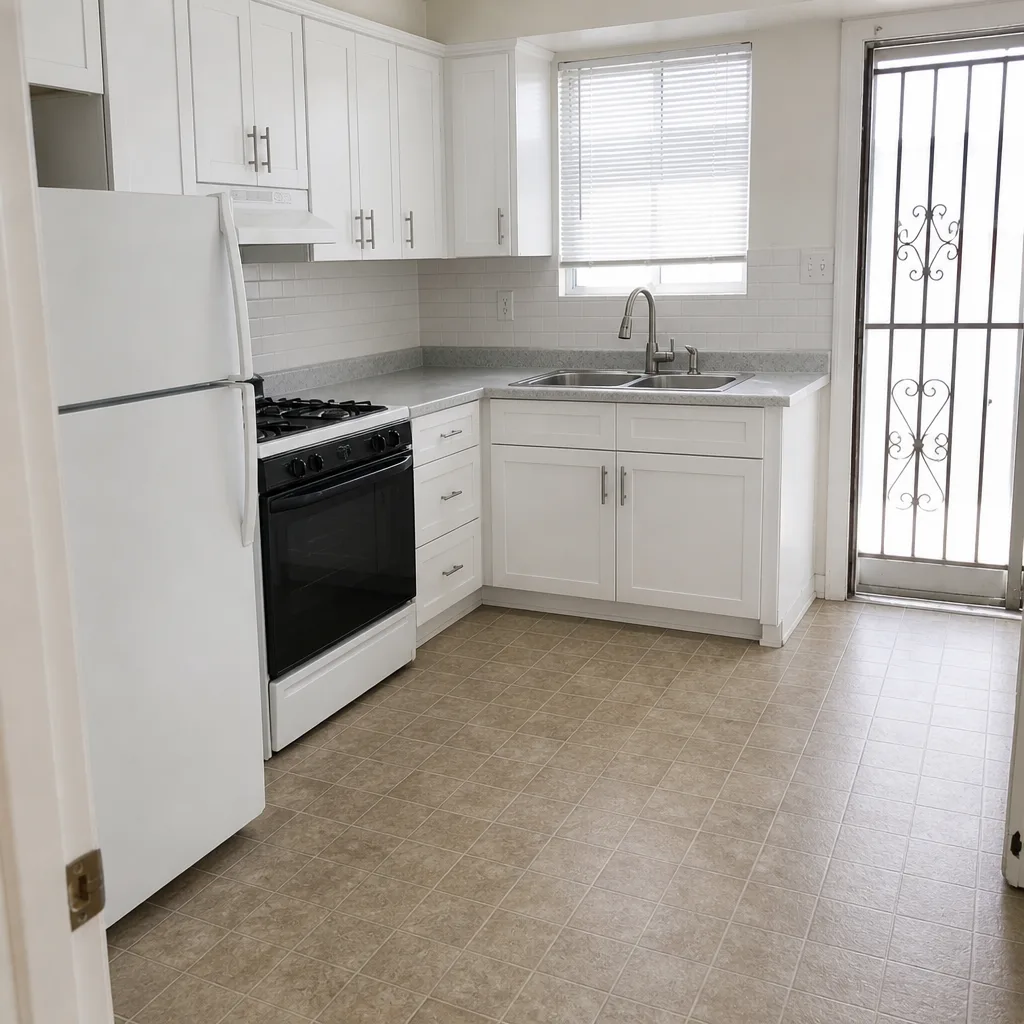 After
When to Call a Professional
Three situations deserve a call before you do anything else. First, a diagonal stucco crack at a window or door corner that’s reached 1/8 inch or wider – that pattern is frame movement, and it’s the cheapest thing on this guide to address early. Second, fascia that feels soft or bubbles paint in a line, which points to moisture that’s already past the roof edge. Third, driveway cracks that form a triangle or run parallel to the edge in one line, because base failure doesn’t heal and watching it only increases the eventual repair.
Beyond those, if a door has been progressively harder to close for over a year, or a crack has visibly widened since you first noticed it, get an assessment. Barrett & Sons Construction Sunrise Manor offers free estimates in Sunrise Manor – call (844) 312-0069 to schedule one. We look at written change orders as the norm, we pull permits on every eligible job, and every completed job is backed by our written 90-Day Done Right Promise. If you’re comparing quotes, our free second-opinion offer on any written estimate is there for exactly this kind of work.
Frequently Asked Questions

A crack under 1/16 inch running randomly across the stucco field is usually cosmetic thermal cracking. A crack 1/8 inch or wider at a window or door corner, running diagonally, is the pattern that indicates frame or foundation movement and warrants a professional look. Measure the width with a coin or a crack gauge, photograph it with scale, and re-measure in six months. If you’re unsure, call (844) 312-0069 for a free estimate – a quick look is cheaper than a patch that hides the real issue.
It could be, or it could be seasonal. Summer sticking that eases in the cooler months usually points to expansive soil breathing with the monsoon-swell and dry-shrink cycle. Sticking that’s gotten progressively worse over twelve months, regardless of season, is more likely active frame movement. Check for a diagonal stucco crack on the same wall, and look at the gap at the top of a closed exterior door. If you find both signs, call (844) 312-0069 to schedule a free assessment.
A cosmetic stucco touch-up typically runs in the low hundreds of dollars. A diagonal corner crack caught before it reaches the sheathing usually lands in the $400 to $800 range in this market. Once the crack has opened the substrate, sheathing and reframing repair runs well into four figures – the $4,000-and-up side of the ledger. Getting the assessment now is the cost-saving move. Call (844) 312-0069 for an exact quote – estimates are free.
Not without a written change order. Our rule is that any price change arrives as a written change order before work happens, because “the allowance that isn’t on paper is a surprise waiting for a date.” If the assessment turns up a crack that’s reached the sheathing after the stucco is opened, that’s a scope change and it gets documented before a nail goes back in. Call (844) 312-0069 with your photos and we’ll walk through what’s realistic.
On every eligible job. Structural repairs, sheathing replacement, and framed openings get permits and inspections; cosmetic stucco patching and paint touch-up generally don’t require them. We tell you upfront which category your repair falls into. The permit inspector works for you, not for the contractor – that’s why we don’t skip them, and why the last contractor most customers used skipped them. Call (844) 312-0069 with the specifics of your case and we’ll be straight about it.
A focused fascia repair where the sheathing is still sound usually runs one to three days. If the damage has gone into the sheathing and roof edge trim, it stretches to four to seven days and includes permitting and inspection. The good news is that fascia repairs caught at the bubble-paint stage stay on the shorter end; the sheathing-involved jobs land on the longer end. Call (844) 312-0069 to schedule your free estimate and get a realistic timeline.
The Bottom Line
Warning signs in Sunrise Manor homes are readable, and most of them show up twelve to twenty-four months before the repair crosses the four-figure line. Learn the three that matter most: a diagonal stucco crack 1/8 inch or wider at a corner (frame movement), a sticky door that’s worsened over a year (foundation movement), and fascia that bubbles paint or feels soft (moisture past the roof edge). Photograph every sign with scale and date, re-measure in November, and get an assessment before you patch. That sequence alone saves most homeowners thousands on repairs they’d otherwise discover at the ceiling stain or the driveway rebuild.
Barrett & Sons Construction Sunrise Manor writes every scope in writing, keeps the permit path clean, and stands behind completed work with the written 90-Day Done Right Promise. We’ve been serving local communities for over 29 years and every job carries that name. If you’re looking at a warning sign right now and want a real read on it, that’s what we’re here for.
Barrett & Sons Construction Sunrise Manor
Call for a free estimate: (844) 312-0069
No trip charge inside the county. Free second opinion on any written estimate. 10% Senior & Veteran discount always. $40 off any repair over $200.
Written by the team at Barrett & Sons Construction Sunrise Manor.