Last updated November 18, 2026



Free written scope consultation - allowances, timeline, and change-order rules on paper before a single trade is scheduled
DIY vs Professional Construction: The Sunrise Manor Homeowner’s Decision Guide
Replacing a standard interior door? That’s a Saturday afternoon and a trip to the hardware store. Replacing a door in a stucco exterior wall in Sunrise Manor? That’s a different animal. The flashing, the weather barrier, and the stucco repair around that opening are where we’ve seen the most expensive DIY recoveries – not because homeowners aren’t capable, but because nobody warned them about the desert-specific steps that actually matter. That gap between “I can handle this” and “this just cost me double” is what this guide is about. We’ll walk through which jobs are genuinely within reach, which ones trigger permit requirements that make unlicensed work a liability, and how to be honest with yourself about your own skill floor.
Quick Answer
The DIY vs. professional question in Sunrise Manor isn’t really about skill – it’s about which category of mistake you’re willing to live with. Cosmetic work like interior paint, drywall patching, and cabinet hardware is genuinely DIY-safe. Anything that penetrates stucco, disturbs the electrical panel, or requires digging below frost line in caliche soil is where mistakes get expensive fast. And any job requiring a permit raises a harder question: Nevada allows homeowners to pull permits as owner-builders, but the liability lands squarely on you.
Styles & brands we work with
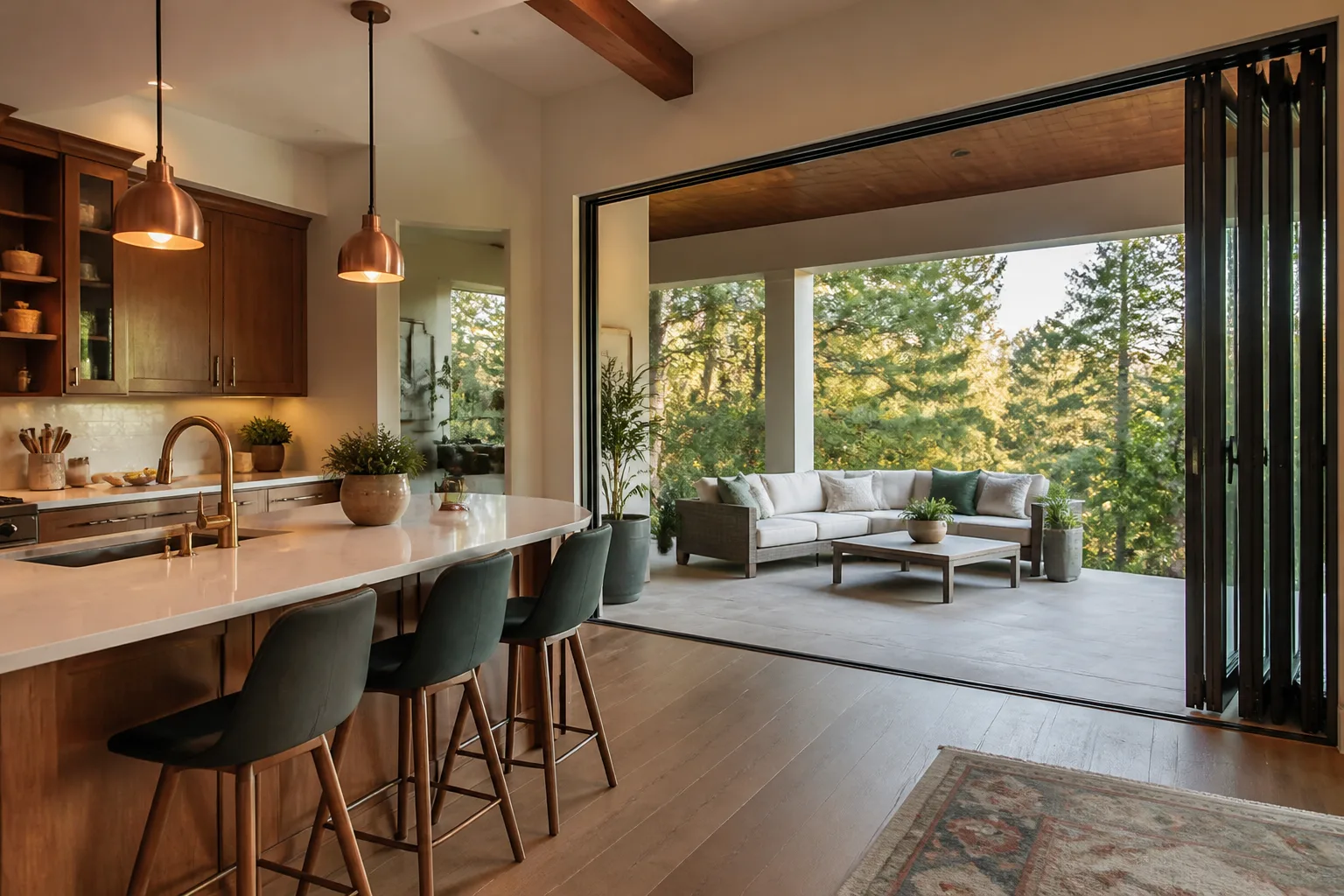
- Kitchen remodeling
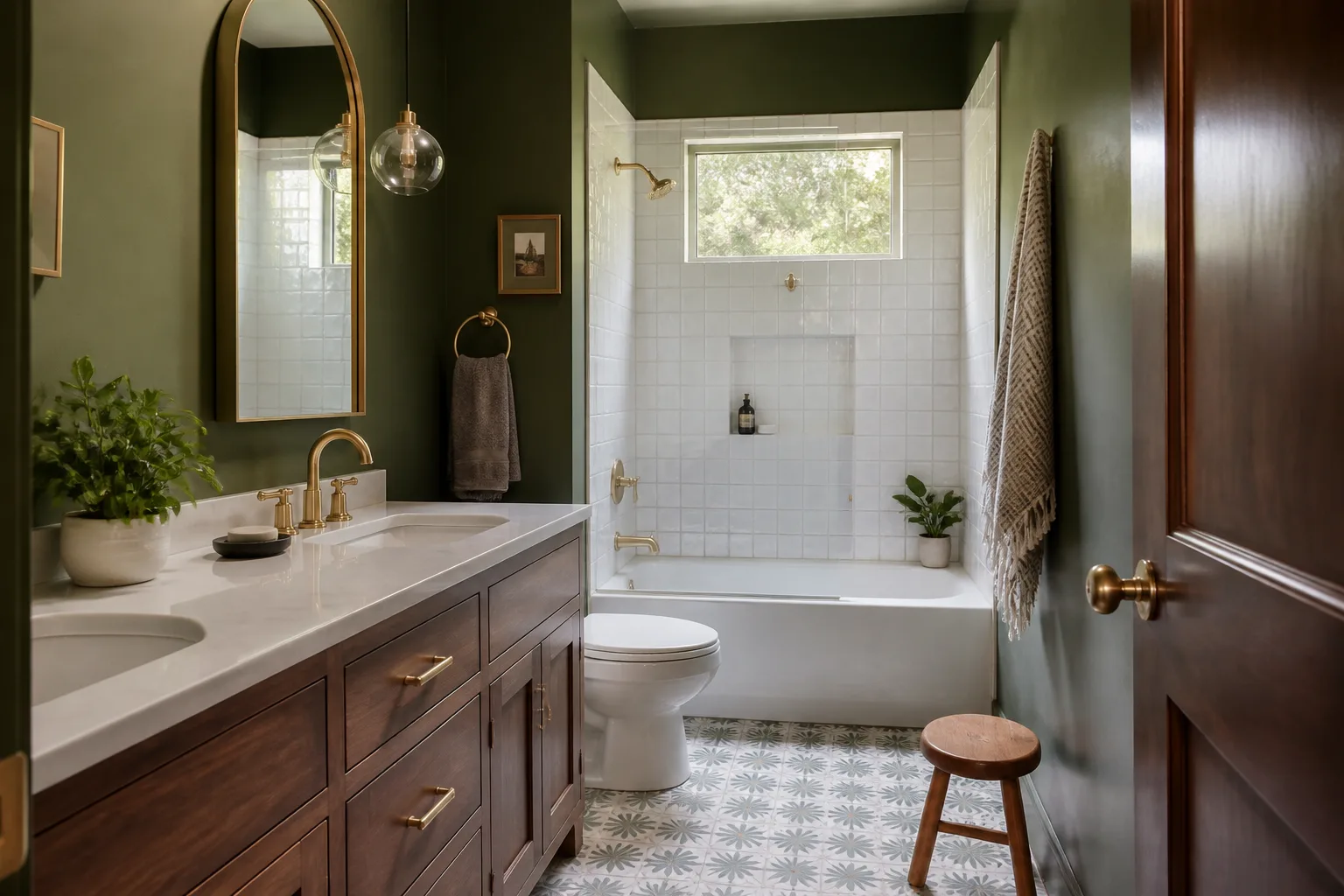
- Bathroom remodeling
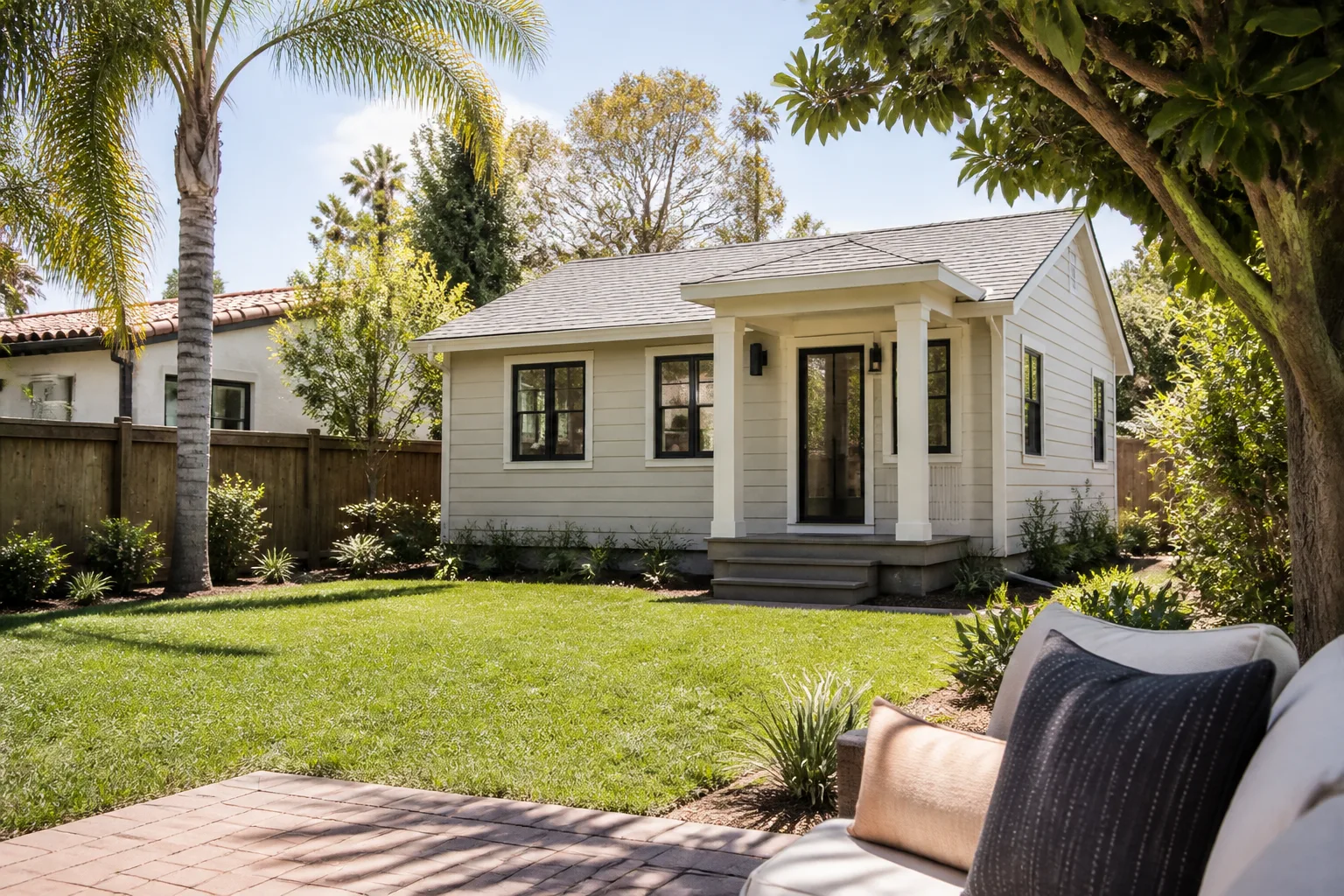
- Home additions & ADU
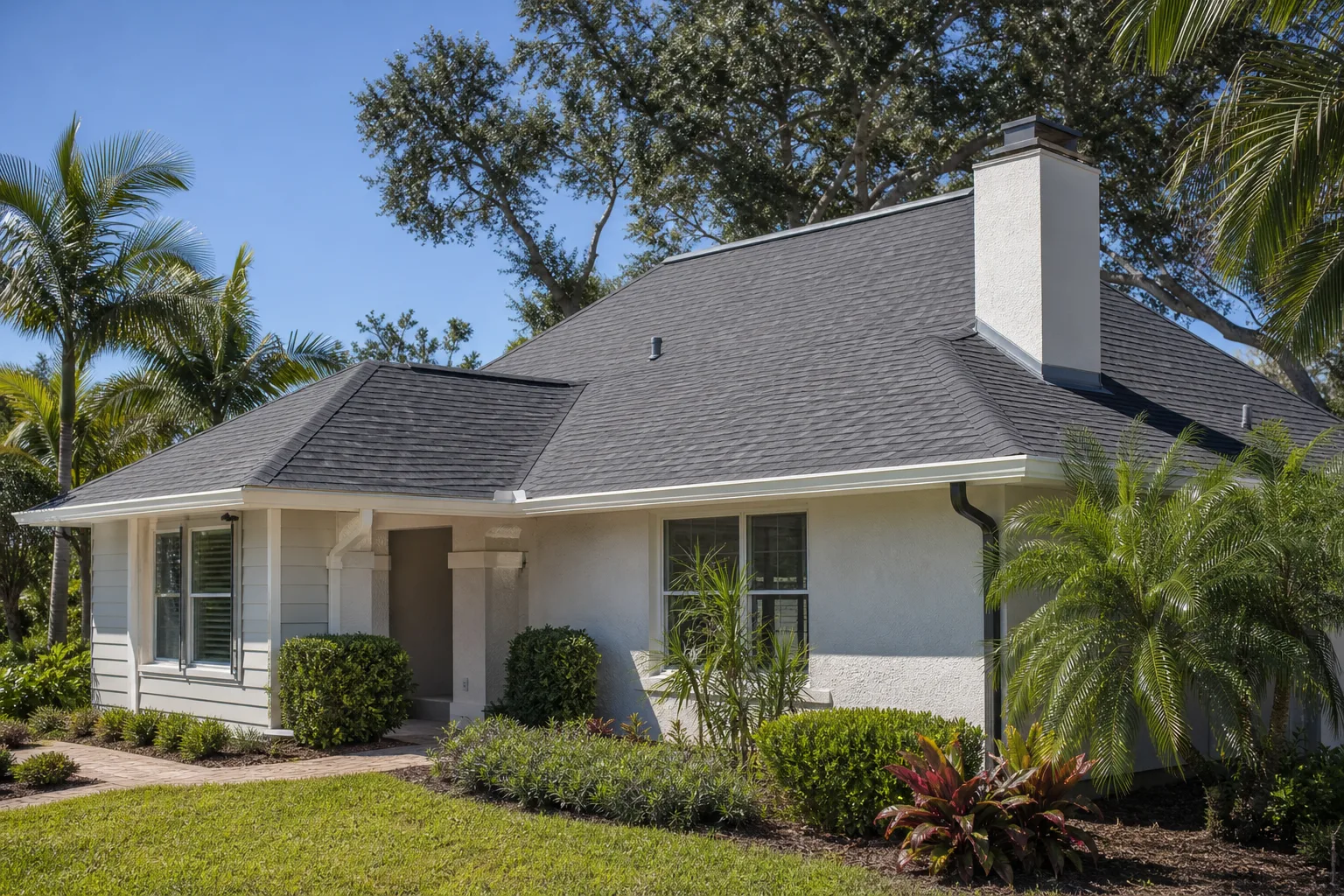
- Roofing
- Windows & doors
- Driveway & pavers
- Fence
Table of Contents
- The Project Matrix: What’s DIY-Safe in Sunrise Manor
- Stucco Penetrations: The Desert Factor Nobody Mentions
- Caliche, Climate, and Why Desert Digging Is Different
- Anything Touching the Electrical Panel
- How to Honestly Assess Your Skill Floor
- The Permit Question Decides the DIY Question
- The Hybrid Model: Demo It Yourself, Hand Off the Finish
- Neighborhood Notes: Sunrise Manor’s Housing Stock
The Project Matrix: What’s DIY-Safe in Sunrise Manor
We’ve been on enough Sunrise Manor jobs to see the pattern clearly. Some projects are genuinely DIY-appropriate. Others look easy and aren’t. Here’s how we’d break it down for a handy homeowner in the 89156 or 89110 zip codes.
Genuinely DIY-safe:
- Interior painting, wall patching, and texture matching on drywall
- Cabinet hardware, faucet swaps, and toilet rebuild kits
- Interior door replacement within an existing frame
- Baseboards, trim, and crown molding on flat walls
- Landscape rock and mulch refresh, drip line adjustments
- Screen door repair and storm door replacement on a standard frame
Gray zone – doable but read the guide first:
- Fence panel replacement (posts are another story, and we cover that in our Fence Installation in Sunrise Manor guide)
- Laminate or luxury vinyl plank flooring over a flat, dry subfloor
- Exterior door replacement in a wood-frame opening
- Paver repair on an existing base
Firmly professional territory:
- Any stucco penetration (new windows, new doors, wall-mounted anything)
- Electrical panel work, new circuits, or anything beyond a fixture swap
- Roof repair and replacement – GAF and CertainTeed warranties only hold when installed by trained crews
- Home additions, ADUs, and any structural wall removal
- Driveway and paver installation from scratch
- Gas line work of any kind
That last category isn’t a judgment call. It’s a combination of Clark County permit requirements, warranty terms, and the plain fact that a bad electrical panel connection in a Sunrise Manor summer heat load is a fire risk, not a repair bill.
Stucco Penetrations: The Desert Factor Nobody Mentions
Sunrise Manor’s housing stock runs heavily to stucco over wood frame or block, which is a fine wall assembly in a desert. But every opening you cut in that stucco starts a chain reaction: lapping the weather barrier correctly, lashing in the flashing so it sheds water at the edges, then patching the stucco with three coats and a proper weep screed so the wall can drain.
We’ve torn out more botched exterior door installs in Sunrise Manor than we can count. The pattern is always the same. The homeowner measured the opening, ordered a pre-hung door from a big box store, cut the stucco back with a saw, sealed it with a bead of exterior caulk, and called it done. Nine months later the first wet winter (or the first big monsoon dump in August) pushes water behind the wall. Now the repair is the door, the framing, the drywall on the inside, and the stucco – all at once.
Getting stucco right requires:
- Proper backer lath and weep screed at the new opening
- Weather barrier lapped correctly over the flange, not tucked under it
- Head flashing installed before the door goes in, not after
- Three-coat stucco with a color match that won’t yellow in UV
- A final inspection pass so the permit closes cleanly
Every one of those steps has a specific desert failure mode if skipped. This is the category where we recommend calling a licensed professional, even to a homeowner who’s genuinely handy. A stucco penetration gone wrong doesn’t show up for eight months, and by then the drywall inside is soft and the door is sagging.
Caliche, Climate, and Why Desert Digging Is Different
If you’ve ever tried to dig a post hole in Sunrise Manor’s hardpan, you’ve met caliche. It’s a calcium-carbonate layer that sets up like concrete about a foot below grade in most of the northeast valley. A post hole that takes five minutes in Ohio can take two hours here, even with a breaker bar and a shop vac.
For fences, mailboxes, and any kind of pergola post, caliche changes the labor math and the safety math. We’ve seen homeowners quit halfway through a fence install and call us because their back couldn’t take another hole. That’s not a comment on grit – caliche is genuinely brutal. It’s a comment on planning.
Two other desert factors that push jobs toward professional:
- Summer heat loads on wire and pipe penetrations in exterior walls. Everything has to be rated for 115-degree days, not 95.
- Expansive soil movement in the wet-dry cycle. Pavers and driveways need a proper base depth and compaction, or they lift and shift within two seasons.
- UV degradation on any exterior sealant, paint, or membrane. Products rated for other parts of the country don’t last here.
None of that means you can’t do it yourself. It means the base depth and material spec need to be right, and that’s where most DIY driveways and paver projects fail. Our Driveway & Pavers in Sunrise Manor page goes deeper on the base spec if you want to check the work your contractor is doing.
Anything Touching the Electrical Panel
Here’s a line we won’t cross as a company, and we’ll be just as direct with you: don’t open your panel. Swapping a light fixture with the breaker off is a reasonable homeowner task. Adding a circuit, replacing a breaker, or upgrading the panel is not, regardless of what a video says. The combination of arc-flash risk, code requirements, and the fact that a bad panel connection in a Sunrise Manor home with a heavy summer AC load is a genuine fire hazard makes it a hard stop.
Signs it’s time to call a licensed electrician immediately:
- Any burning smell, scorch marks, or discoloration near the panel
- Breakers that trip repeatedly under normal load
- Lights that dim when the AC kicks on
- Two-prong outlets throughout the house (indicates an older service)
- Any panel made by a brand that’s been recalled or discontinued for fire risk
The same standard applies to gas lines. Any work past connecting a dryer or a grill to an existing valve is licensed-plumber territory. We’re happy to tell you that even on jobs we don’t perform, because a house fire in the 89110 corridor isn’t a thing any of us want on our conscience.
How to Honestly Assess Your Skill Floor
YouTube confidence is not skill. We mean that kindly. Watching a video makes the sequence visible; it doesn’t make your hands know what correct feels like. The honest test for “should I DIY this?” is a simple one: what does it cost to fix if I get this specific step wrong?
Run every project through these questions before you buy a single tool:
- What’s the recovery cost? If a bad interior paint job costs $200 to redo, that’s a fine DIY risk. If a bad shower pan costs $4,000 to redo (plus water damage), it isn’t.
- Does it hide? Work that goes behind a wall, under a floor, or inside a wall cavity has to be right the first time, because you can’t see it fail until it’s expensive.
- Does it carry a warranty? Cabinet, window, and roofing warranties typically only hold when installed by a licensed pro. DIY installations can void the manufacturer warranty entirely.
- Does it require a permit and inspection? If yes, you’re not just doing the work – you’re accepting the inspection liability. More on that below.
- Do you have the tools? A tile saw rental is fine. A hammer drill for caliche is fine. A stucco pump is not something you’re going to buy for one job.
We’ve had homeowners call us after a DIY bathroom remodel fail with $6,000 in water damage and a stalled project. That’s not a lecture. It’s a data point. If a job sits right at the edge of your comfort, price the recovery first.
The Permit Question Decides the DIY Question
Nevada does allow homeowners to do their own work under an owner-builder permit. You can pull the permit yourself, do the work yourself, and get the inspection yourself. That’s a legitimate path, and we support it for homeowners who want it. What it doesn’t do is protect you the way a licensed contractor does.
Owner-builder permits have real limits:
- The property must be your primary residence, and you can’t sell it for a defined period without disclosure
- You take on the inspection and re-work costs personally – there’s no contractor warranty backing you up
- You’re responsible for worker safety (yours and any helper’s), and workers’ comp doesn’t follow you into your own house
- You take on the disclosure obligation at resale – a buyer’s inspector will pull the permit history
Now consider the other side. In Sunrise Manor, hiring unlicensed labor for work that requires a permit is where homeowners get hurt. The job doesn’t close, the permit won’t be pulled retroactively without exposing the contractor, and the work is unverifiable at resale. This is the exact scenario that traps homeowners who took the low bid.
When a permit is required, use a licensed contractor who pulls the permit in their own name and closes it with a signed inspection. The inspector works for you, not the contractor – and that’s a good thing. Every eligible job we take on at Barrett & Sons gets permits pulled and inspections signed, and we’ll happily point you to the county’s permit search if you want to verify ours.
The Hybrid Model: Demo It Yourself, Hand Off the Finish
Here’s the version of DIY that saves real money without risking a recovery. You do the labor-intensive, low-skill, low-liability work. A licensed contractor does the parts that require a permit, a warranty, or trade skill. This is a legitimate cost-reduction path and more homeowners should know about it.
Projects that split cleanly:
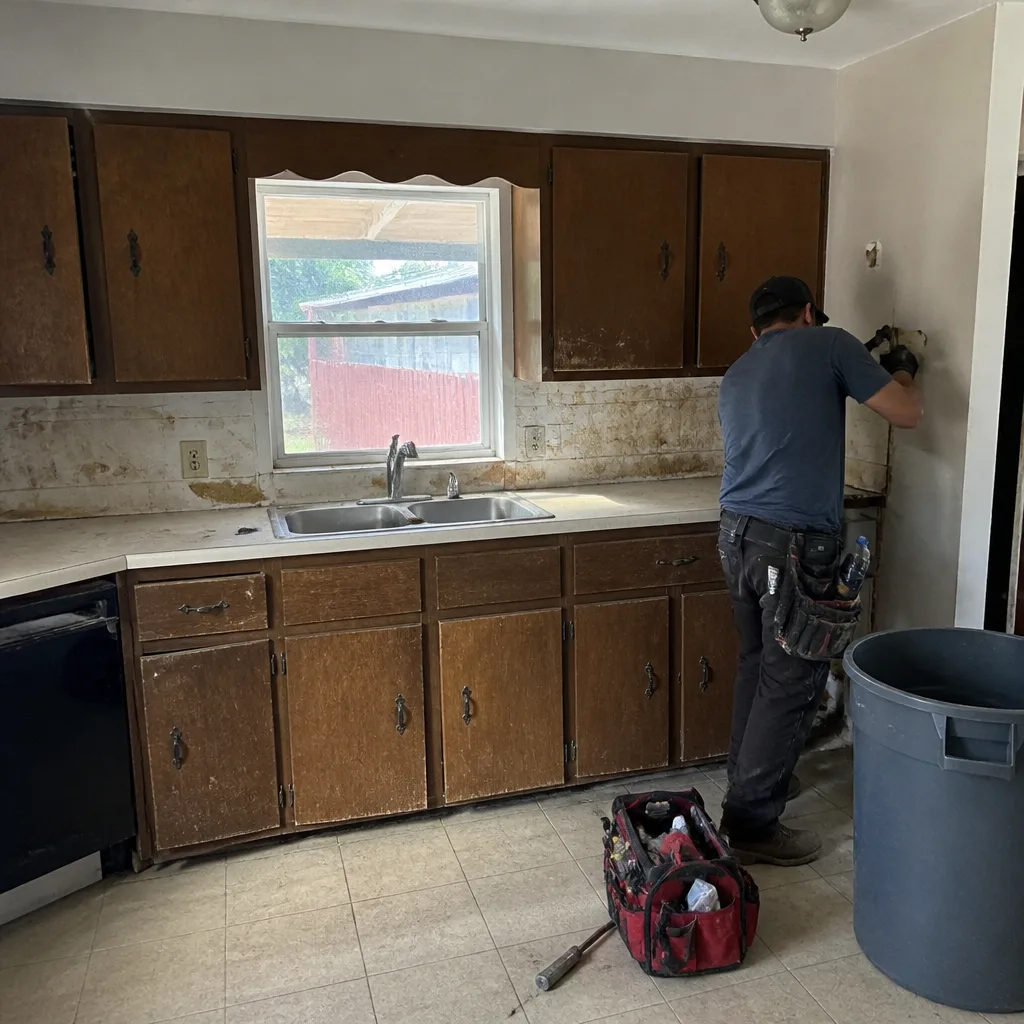
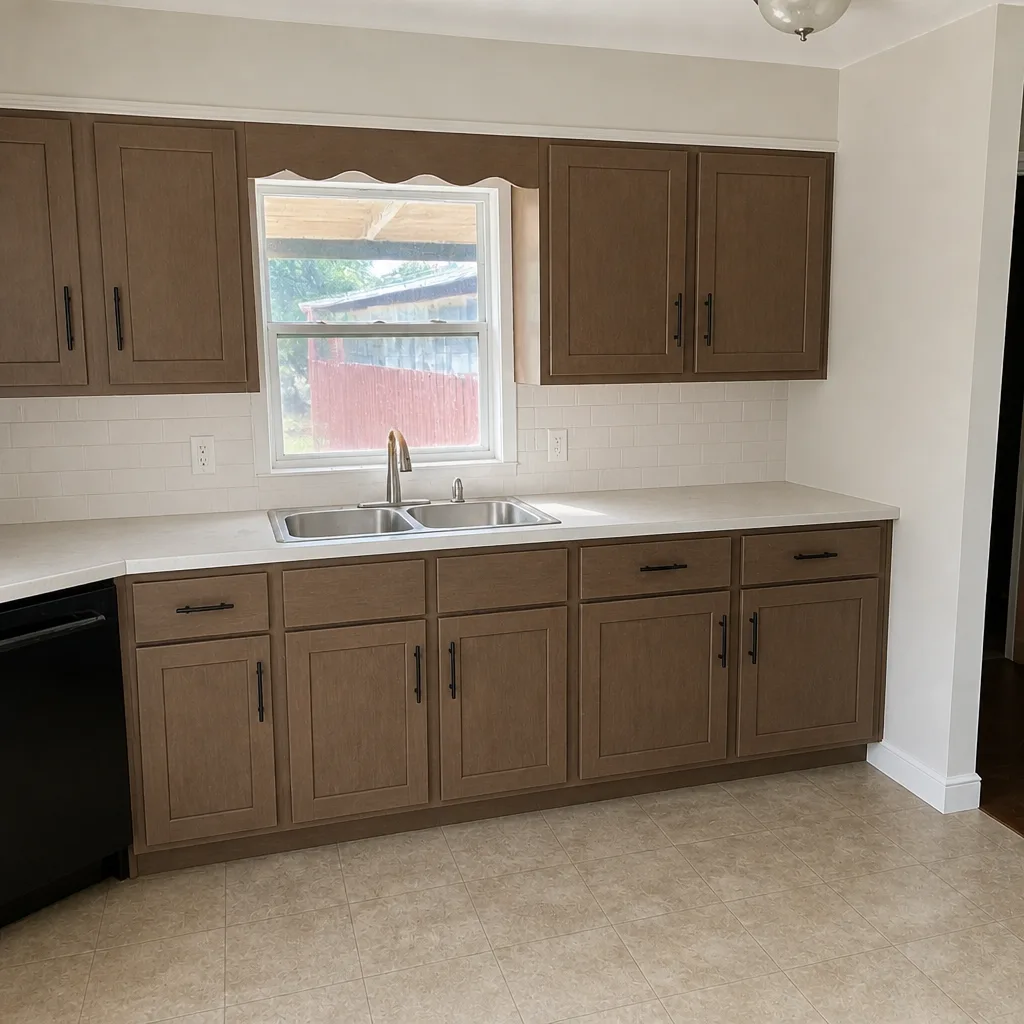
- Kitchen remodel: you demo cabinets, flooring, and backsplash. Contractor handles plumbing relocation, electrical, cabinet install, and the countertop template (KraftMaid and Cambria crews only install what they template).
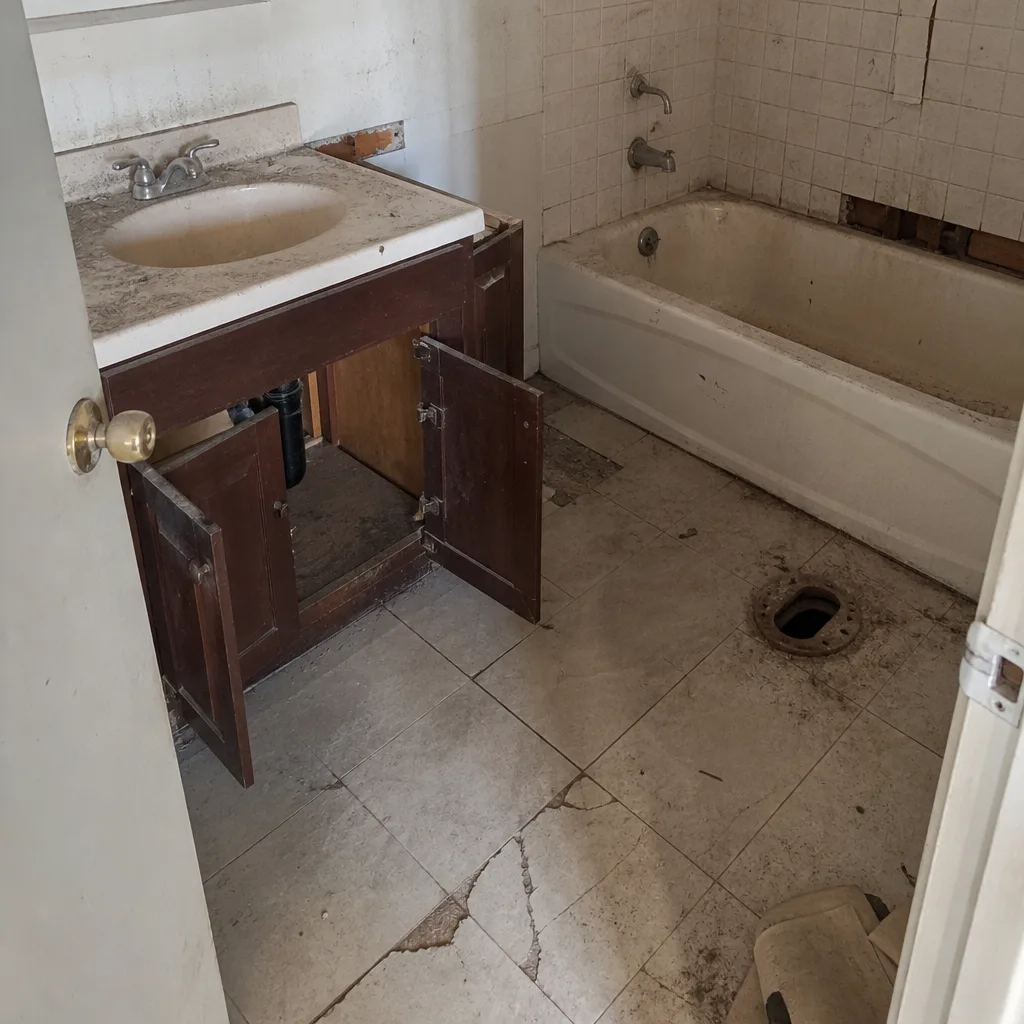
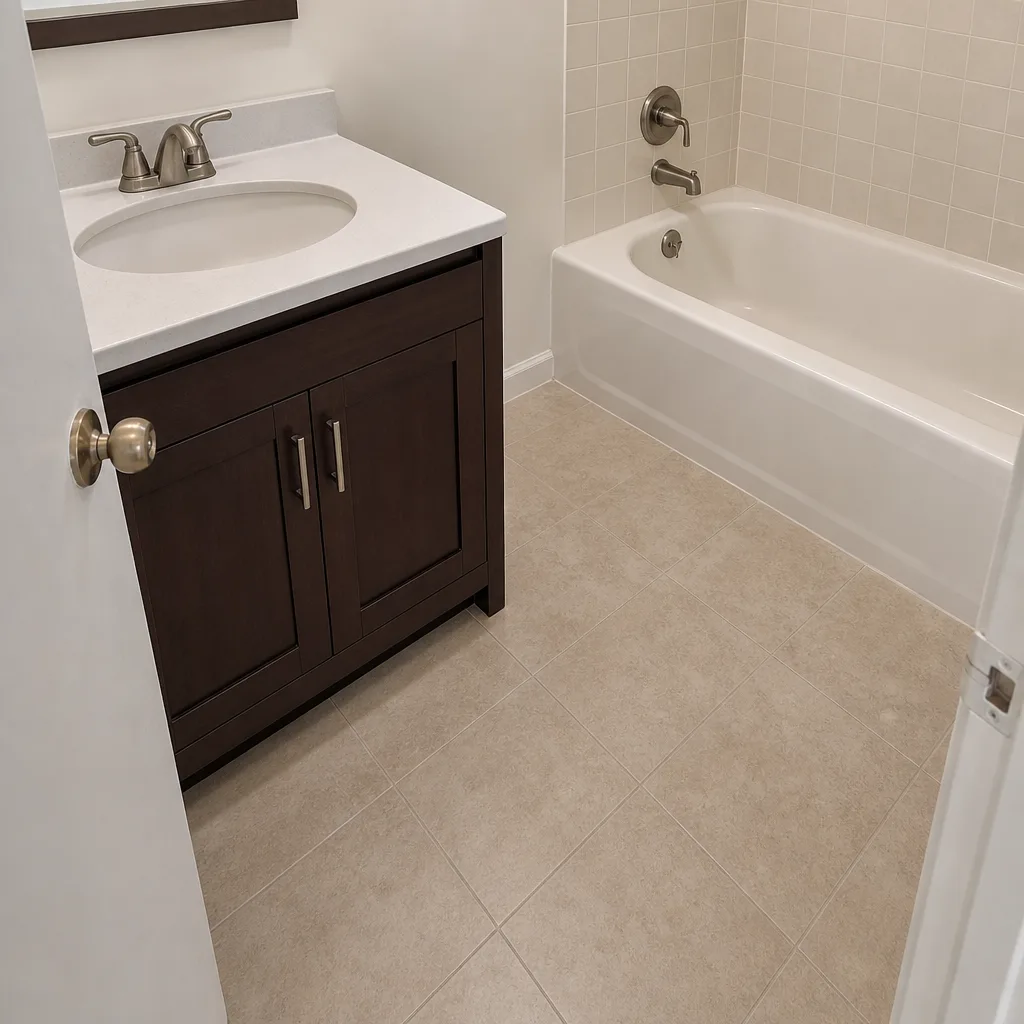
- Bathroom remodel: you strip the tile and fixtures. Contractor handles waterproofing, shower pan, plumbing, and tile install.
- Fence replacement: you pull old panels and clear the line. Contractor sets posts in caliche and installs the panels (we use Master Halco and Ameristar on most Sunrise Manor jobs).
- Interior paint: you prep, patch, and prime. Contractor sprays the final coat if you want a factory-finish look.
- Driveway: you move the river rock and haul off old material. Contractor does the base prep and paver install in Belgrad or Techo-Bloc.
Get the scope and the profit split in writing before you start. A hand-typed email that lists “homeowner provides demo, contractor provides install” is worth zero on a Tuesday afternoon when someone’s pointing a finger. You want a written scope that names what you’re providing and what we’re providing, plus a written change order if the split shifts mid-job. That’s how our Barrett & Sons Construction Sunrise Manor home page frames every job we quote.
Neighborhood Notes: Sunrise Manor’s Housing Stock
Sunrise Manor isn’t one housing type. The age of the home and the neighborhood push different jobs toward DIY or professional.
In the older stretches near Charleston and Lamb, homes from the 1960s and 70s often have original electrical panels, single-pane aluminum windows, and roofing at or past end of life. Anything touching that electrical panel or those windows is professional territory – the code requirements have moved since the house was built, and DIY retrofits routinely fail inspection. If window replacement is on your list, our Home Additions & ADU in Sunrise Manor page covers the permit side for larger projects, and the window scope discussion happens in the same estimate meeting.
In the newer tracts east of Hollywood and around the 89156 corridor, homes from the 1990s and 2000s are more likely to be DIY-friendly for cosmetic work but have their own issues: builder-grade everything, polybutylene in a few of the older phases, and stucco details from that era that weren’t always flashed correctly in the first place.
Rural-adjacent properties on larger lots face the caliche and utility-locating questions more often. Fences, gates, and detached structures on those lots are typically professional jobs, because a bad fence post in the wind is a liability, not a cosmetic issue.
Tom Barrett publishes his name, his address, and his license number openly. Look it up before you sign anything, ours or anyone else’s. Ask anyone on your street who they used. In a neighborhood where people stay put, the contractor with a reputation to lose is the one who answers his own phone when something’s wrong.
Common Mistakes to Avoid
- Cutting stucco without a flashing plan. We’ve seen more water damage from this one mistake than any other in Sunrise Manor. The door looks fine for a season, then the drywall inside goes soft.
- Digging caliche post holes without a breaker bar and a plan. A five-hour fence job turns into a two-day back injury, and the posts still aren’t at the right depth.
- Opening the electrical panel “just to look.” There’s no safe way to do this without training. It’s the number one place we see homeowners cross a line that could genuinely hurt them.
- Trusting YouTube for permit requirements. Clark County permit rules are specific to the job type and the time, not general. Confirm with the county before you buy materials.
- Hiring the low bid from unlicensed labor on a permitted job. The homeowner inherits the permit problem at resale, and inspector findings become your bill.
- Doing finish work without reading the warranty. A GAF roofing system, an Andersen window install, and a Cambria countertop each have install specifications that void the warranty if a non-certified crew touches them.
- Starting a hybrid project without a written scope. The split you agreed to verbally in the driveway isn’t the split anyone remembers in week three.
See the difference
 Before
 After
 Before
 After
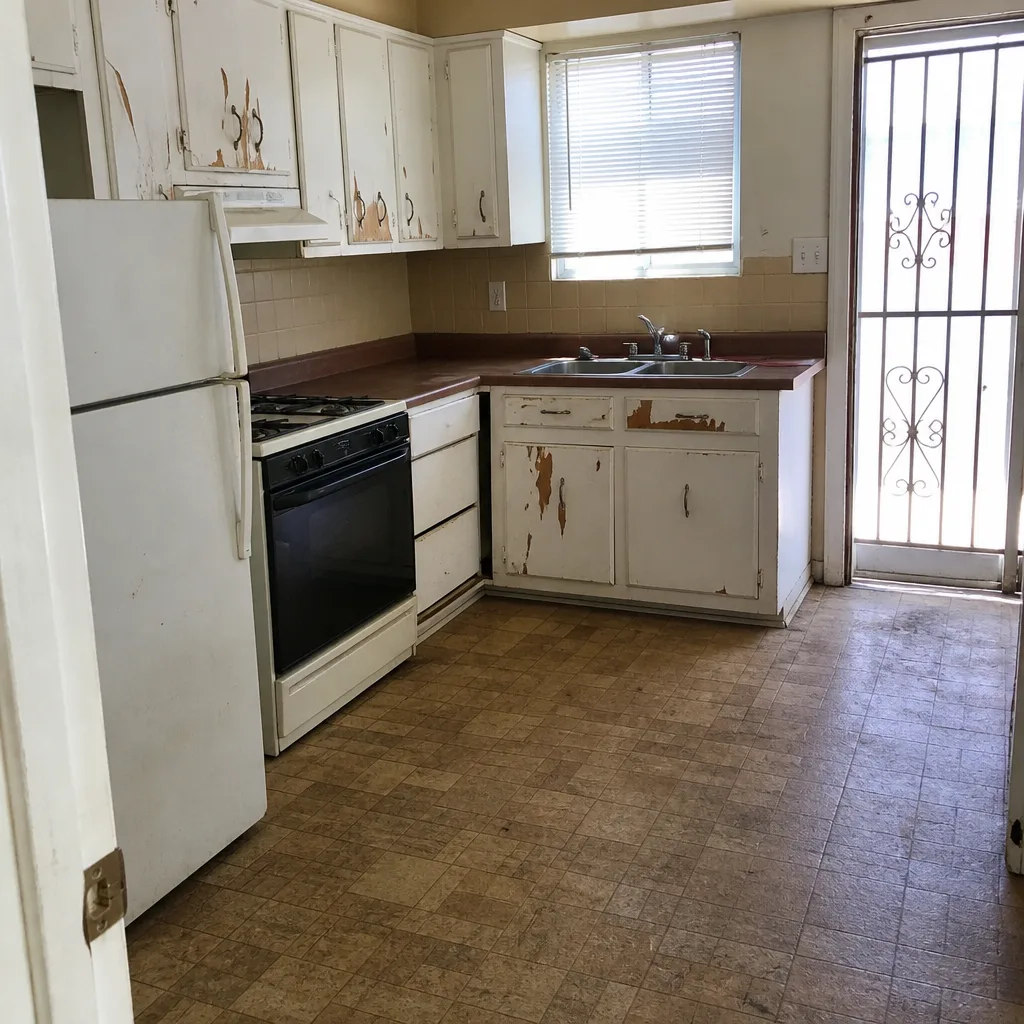 Before
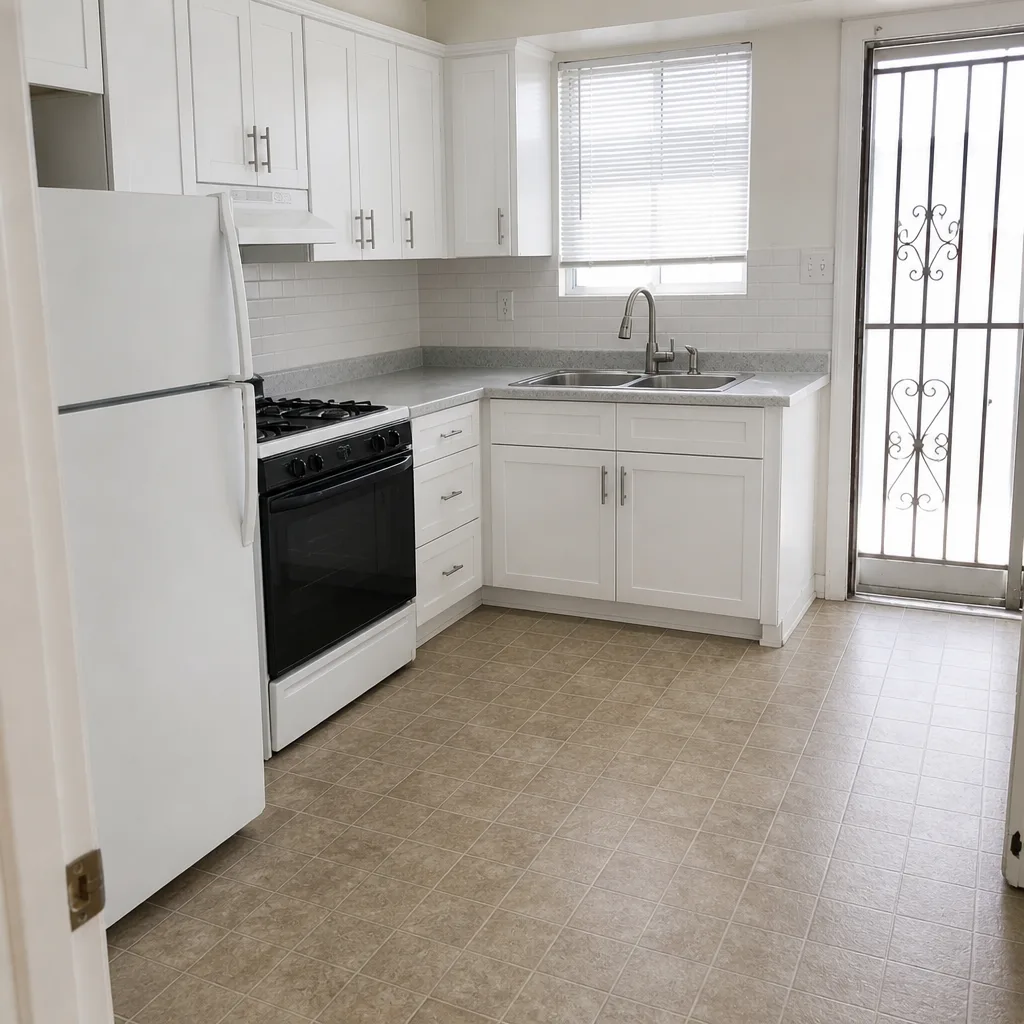 After
When to Call a Professional
Call a licensed professional whenever a job involves: any stucco penetration, electrical panel work or new circuits, gas lines, roof repair or replacement, structural changes, home additions, or driveway and paver installation from bare ground. Call us too if the project sits right at the edge of your skill floor and the recovery cost would sting – sometimes the right answer is to let a pro do it and put the savings into a better material specification instead. Barrett & Sons Construction Sunrise Manor offers free estimates in Sunrise Manor – call (844) 312-0069. Our technicians have up to 28 years of experience, and we’ll tell you honestly when a job is DIY-appropriate, even if it means we don’t get the work.
Frequently Asked Questions
Nevada allows homeowners to do electrical work on their own primary residence under an owner-builder permit, but the work must be inspected, and you accept all liability for it. We don’t recommend it for anything beyond swapping a fixture with the breaker off. Panel work and new circuits are genuinely dangerous and should go to a licensed electrician.
Yes, window replacement typically requires a permit in Clark County, because the new window changes the egress and flashing details in the wall. Window replacement in a stucco wall is professional territory, and pulling the permit in the contractor’s name is the cleanest path. Call (844) 312-0069 for a free estimate if you’re ready to price it.
Yes, kitchen demo is one of the most legitimate ways to reduce a remodel cost, as long as the scope is written down. You remove the cabinets, flooring, and backsplash; the contractor handles the plumbing, electrical, cabinet install, and countertop template. Put the split in writing before you swing a sledgehammer.
DIY fence materials in Sunrise Manor typically run $18-$32 per linear foot for standard wood, or $28-$45 for a vinyl panel like Bufftech. A professional install adds $15-$30 per linear foot in labor, plus post setting in caliche and haul-off. Caliche is the wildcard – some lots take three times the post-setting labor of others. Call (844) 312-0069 for an exact quote on your lot.
Usually not for the work itself. A homeowner’s policy typically covers sudden damage like a burst pipe, not the structural failure of the work you did yourself. That’s the reason we price the recovery cost first on any DIY project – if the insurance won’t back you up, you’re self-insuring the whole job.
Stucco penetrations are the top one, followed by caliche post-setting on fences. Sunrise Manor’s stucco-over-frame construction means any exterior opening has a specific desert flashing and weep screed requirement, and a bad install fails invisibly until the first monsoon. Electrical panel work runs third, for the safety reason rather than the water reason.
The Bottom Line
Sunrise Manor homeowners can genuinely handle a lot of their own work – paint, trim, hardware, demo, prep, and the cosmetic edge of any room. What they should hand off is anything that penetrates stucco, touches the electrical panel or gas line, requires a permit they can’t properly close, or carries a manufacturer warranty tied to a certified installer. The hybrid model is the honest middle path: you do the labor-intensive low-skill work, a licensed contractor handles the parts that carry the liability. And when the job is right at your skill floor, price the recovery cost before you decide. That’s the whole calculus. Every eligible job we take on includes permits pulled and inspections signed, written change orders for any price change, and the 90-Day Done Right Promise on the finished work. Call (844) 312-0069 to schedule your free estimate.
Written by the team at Barrett & Sons Construction Sunrise Manor.