Last updated November 18, 2026



Free written scope consultation - allowances, timeline, and change-order rules on paper before a single trade is scheduled
The Complete Fence Installation Guide for Sunrise Manor Homeowners
About one in four fence projects in Clark County runs into a property line disagreement after the posts go in. Getting that conversation with your neighbor before the first post hole is dug isn’t just courteous – it’s how you avoid tearing out finished work. Sunrise Manor adds two more wrinkles most guides never mention: caliche rock that stops a rented auger cold, and HOA rules that vary block by block. This guide covers what actually determines whether your fence holds up for 30 years or leans by year five, and how to plan a Sunrise Manor fence project that clears all three hurdles before you spend a dollar.
Quick Answer
Fence installation in Sunrise Manor, NV typically runs $28 to $65 per linear foot for wood, vinyl, or wrought iron, and higher for block wall. The three things that make or break a Sunrise Manor fence are post depth through caliche rock, HOA and Clark County height-setback rules, and a written agreement with your neighbor on any shared line. Skipping permits is the most common mistake – it becomes a title problem when you sell.
Styles & brands we work with
- Kitchen remodeling
- Bathroom remodeling
- Home additions & ADU
- Roofing
- Windows & doors
- Driveway & pavers
- Fence
Table of Contents
- Why Caliche Rock Changes Your Post Plan
- Clark County and HOA Fence Rules You Need to Look Up First
- The Shared Fence Line: Who Pays, Who Decides, How to Write It Down
- Material Performance in Las Vegas Valley Heat, UV, and Dust
- Permits: Why Skipping Them Becomes a Title Problem
- Step-by-Step: How a Sunrise Manor Fence Goes In
- What Fence Installation Costs in Sunrise Manor
- Common Mistakes to Avoid
Why Caliche Rock Changes Your Post Plan
Caliche is a calcium-carbonate layer that forms just below the surface across much of the Las Vegas Valley, and in Sunrise Manor it’s often 6 to 18 inches down. For fencing, that matters because a wood post needs to sit about 24 to 30 inches deep in most soils – but a hand auger won’t cut caliche. Homeowners who rent a two-man auger from a box store and hit caliche usually end up with shallow posts, which is why you see leaning fences along Sunrise Manor streets within a few summers.
Getting through it cleanly takes the right equipment. A skid-steer-mounted auger with a carbide-tip bit or a mini excavator with a rock bucket handles most caliche layers without cracking the surrounding soil. In the harder pockets near Frenchman Mountain, crews sometimes use a jackhammer or a post-hole digger with a rock bar to finish the last few inches.
What this means for you:
- Budget for equipment or a crew that owns it. Renting won’t cut it, and it can cost more in time than hiring it out.
- Post depth matters more in caliche than in loam. A shallow hole in hard ground holds like concrete until it doesn’t, then the post shears off.
- Metal posts set in concrete or augered block piers often outlast wood posts in caliche because they don’t absorb groundwater the way wood does.
In our experience, caliche is where out-of-area crews who’ve never dug here lose the job. Ask before you sign whether the crew has a skid-steer auger or rock bit, and how they handle a foot of solid caliche. If they say “we’ll figure it out,” keep calling.
Clark County and HOA Fence Rules You Need to Look Up First
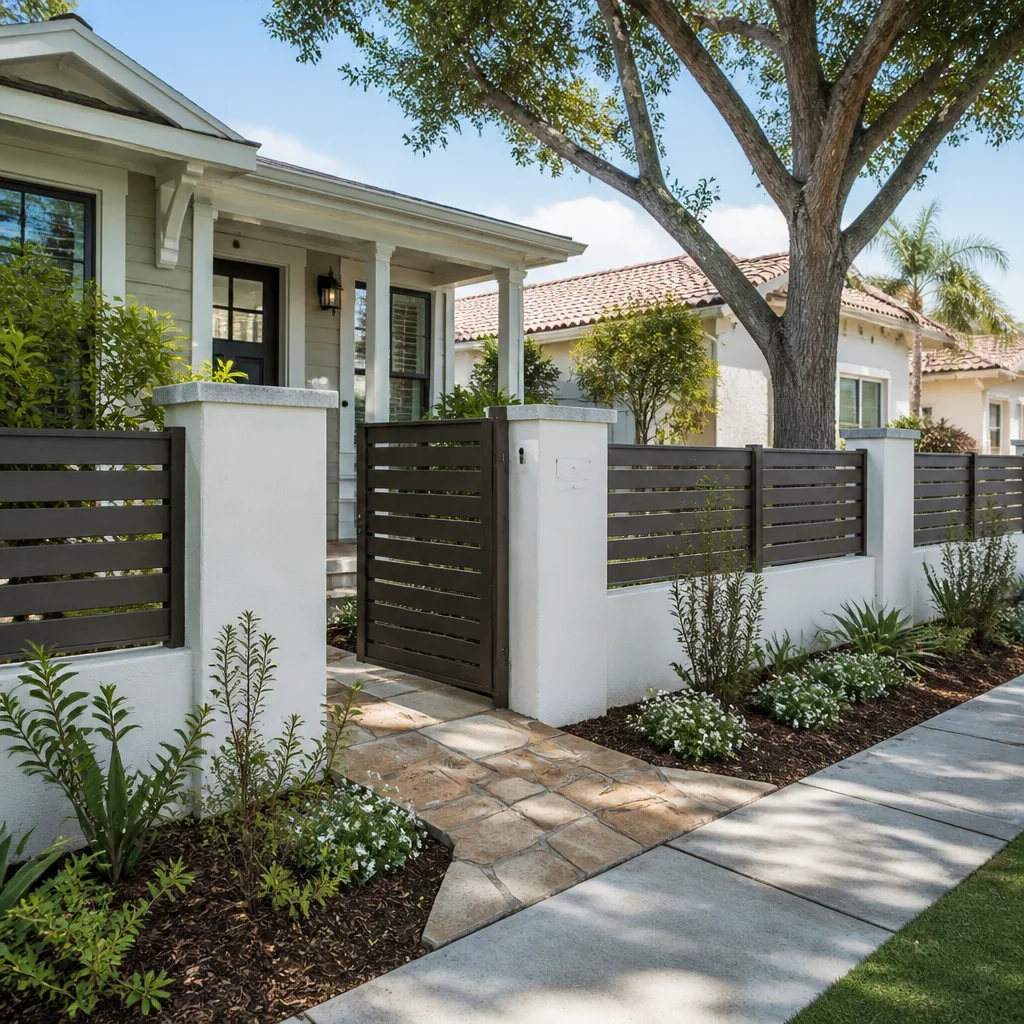
Clark County’s residential fence rules cover height, setbacks, and sight-line visibility, and your HOA can add stricter rules on top. The county standard is generally 6 feet for a rear or side residential fence, with front yard fencing limited to about 3 feet in many zones. Corner lots often have sight-triangle setback requirements at the intersection that push the fence back from the property line. Some Sunrise Manor HOAs restrict vinyl color, ban chain-link entirely, or require block wall in front-yard visibility areas.
Here’s how to look yours up before you buy materials:
- Pull your plat map and CC&Rs. They’re on file with Clark County and often in your closing documents. The CC&Rs list material restrictions and height limits your HOA enforces.
- Call your HOA architectural committee. Ask for the current fence design guidelines in writing, not the version a neighbor remembers.
- Check the county zoning for your parcel. Clark County’s Department of Comprehensive Planning publishes residential fence standards by zone, and a corner lot needs the sight-triangle setback checked separately.
- Verify your actual property line. The fence on your side may not be on the line. A surveyor can mark it for a few hundred dollars – cheaper than tearing out a fence two feet over.
The permit inspector works for you, not for the contractor. That’s why we like him. A Sunrise Manor fence that clears county and HOA review once is a fence you never think about again. Buy materials first and you may own a pile of vinyl you can’t legally install.
The Shared Fence Line: Who Pays, Who Decides, How to Write It Down
Nevada law doesn’t force your neighbor to split a boundary fence, but it does give you both rights and responsibilities worth understanding before a post hole is dug. In practice, shared fences in Sunrise Manor usually go one of three ways. You pay for the whole thing and own it (clean, but you carry the cost). You agree to split cost and material choice 50/50 (best when it’s mutual and in writing). Or your neighbor declines entirely and you build on your side of the line, set back just enough to avoid a dispute.
The one thing that saves the most heartache is a simple written agreement. It doesn’t need a lawyer. It needs:
- Who pays what, in dollars or dollars-per-foot.
- The material, color, and height both of you accept.
- Where the fence sits (the surveyor’s line, or your side with a stated setback).
- Who maintains it and who handles a repair call.
- A line saying both parties have read it, with signatures and the date.
A one-page note with all five items on it heads off most disputes. Get it done before the first post hole. The conversation is easier when it’s about paper on the kitchen table rather than a fence already standing on the line.
Material Performance in Las Vegas Valley Heat, UV, and Dust
Sunrise Manor’s summer highs push past 110°F, UV is intense year-round, and wind-blown dust scours every surface. That mix fails some materials fast and leaves others untouched. Here’s how the common fence types actually perform here, not in a national brochure.
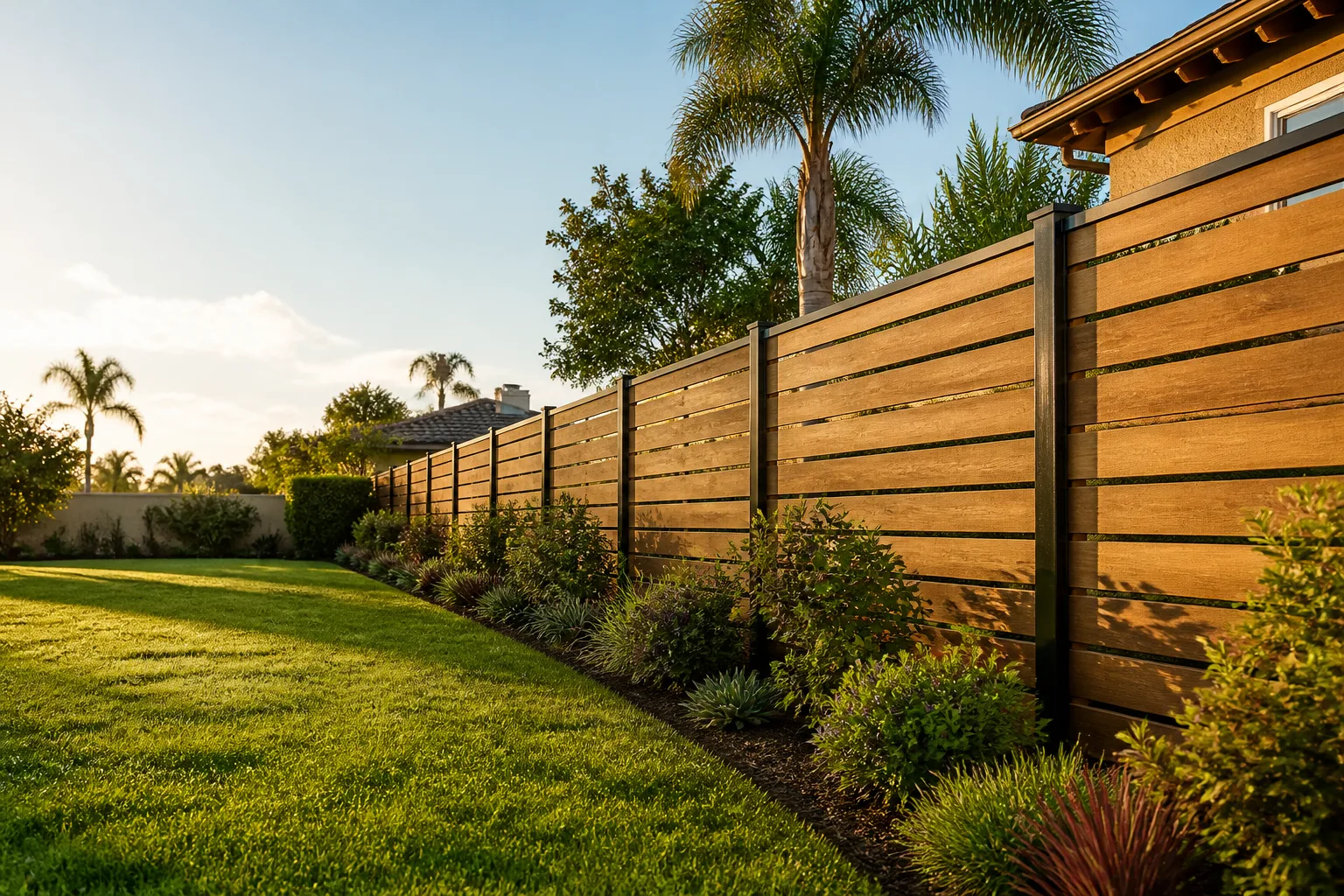
- Block wall is the Sunrise Manor standard for privacy. Concrete masonry holds color for decades, blocks wind-borne dust, and needs almost no maintenance. It runs more up front and needs a proper footing to handle soil movement, but it’s the most durable long-term choice. Belgard and Tremron make block and cap options worth considering.
- Vinyl holds up well against UV when the manufacturer uses a quality formulation – cheap vinyl chalks and yellows in two or three seasons. Premium vinyl stays white for 15-plus years. It handles 110°F highs and dust well, but not all HOAs allow it.
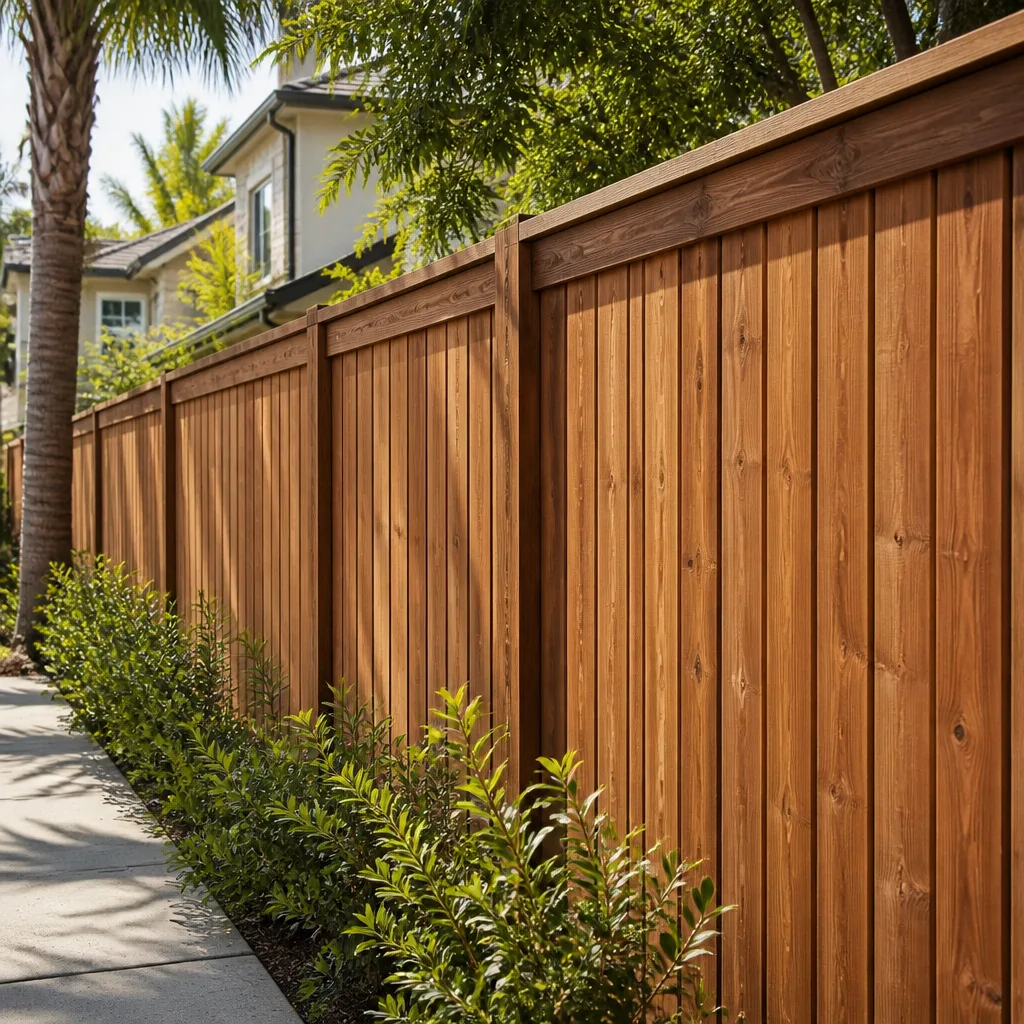
- Wood needs the most attention. Cedar and redwood are the best performers in this climate, but even those want a UV-resistant stain every two to three years. In our experience, untreated pine fences in Sunrise Manor start showing sun damage within 18 months. Wood looks great and softens a yard, but plan for upkeep.
- Wrought iron and steel pass the heat and UV test without breaking a sweat, and the right powder-coat finish handles the dust. Great for a low front-yard accent fence or a pool barrier, less popular for full privacy in Sunrise Manor because it doesn’t block dust or sight lines.
Techo-Bloc and Unilock block products hold color particularly well against our UV load. If privacy and zero upkeep are your priority, block wall wins on a Sunrise Manor lot. If HOA rules and budget point to vinyl, spend up for quality and it’ll outlast the cheap version twice over.
Permits: Why Skipping Them Becomes a Title Problem
A fence permit in Clark County is usually one of the cheapest parts of the project, but skipping it is the most expensive mistake in this guide. When you sell a Sunrise Manor home, your buyer’s lender and title company will pull the property record. An unpermitted fence that’s over the height limit, in a setback, or built without a survey can trigger a correction order before closing. Sometimes it means tearing the fence out. Sometimes it’s a price reduction bigger than the fence cost.
The permit process for a residential fence in the county is straightforward:
- Pull the permit with a site plan showing the fence location and height, and your plat map.
- Confirm zoning compliance on height, setbacks, and corner-lot sight triangles.
- Complete construction to the approved plan.
- Pass inspection – the county inspects the fence for height and location, and signs off the record.
That signed inspection is what closes the loop. It’s the paper that tells a future buyer, an appraiser, and a title company that the fence is legal and stays. On every eligible job we pull the permit and get the inspector’s signature. It’s a small line on the invoice that saves a big headache later. Ask any contractor you’re considering to confirm in writing whether they pull permits. If the answer is “permits are optional,” that’s a deal breaker, not a shortcut.
Step-by-Step: How a Sunrise Manor Fence Goes In
Here’s what a properly run fence project looks like from a homeowner’s view, in the order the work should happen.
- Confirm property lines and HOA rules. Surveyor marks the line, HOA design guidelines are in hand, county zoning is verified. No holes until this is done.
- Sign the written scope. Material, height, linear footage, footing depth, gate hardware, cleanup scope, and the price. All of it on paper before work starts.
- Pull the permit. Filed with a site plan. This step should never be skipped or “handled later.”
- Mark utilities. The 811 call lands water, gas, electric, and cable lines. In Sunrise Manor this matters – a post hole through a gas line costs a lot more than a fence.
- Auger the line through caliche. Skid-steer auger with rock bit, posts set at proper depth with concrete footing.
- Set posts and cure. Concrete cures overnight to a few days depending on mix and weather. No panels go up early.
- Install panels, rails, gates. Plumb, level, consistent spacing, hardware aligned. Gate swing tested before the crew leaves.
- Clean the site and pass inspection. Debris hauled off, concrete splash cleaned, county inspector signs the record.
Every price change along the way should arrive in writing before the work moves. An allowance that isn’t on paper is a surprise waiting for a date. On a straightforward fence the scope rarely changes, but if 811 marks a gas line through your preferred post line, the change should hit paper before a shovel moves.
What Fence Installation Costs in Sunrise Manor
Fence pricing in Las Vegas Valley runs roughly like this for a standard residential installation. Actual quotes depend on linear footage, gate count, site access, and how much caliche you’re digging through.
- Wood privacy fence (6 ft): about $28 to $45 per linear foot, including cedar or pressure-treated posts set in concrete.
- Vinyl privacy fence (6 ft): about $38 to $62 per linear foot, with premium formulations at the high end.
- Block wall: about $55 to $85 per linear foot for a standard-height privacy wall, more for cap and finish details.
- Wrought iron: about $35 to $65 per linear foot depending on panel style and post spec.
- Gate (walk-through): roughly $350 to $800, hardware dependent.
- Drive gate: roughly $800 to $2,500 depending on width and material.
- Permit and inspection: typically a few hundred dollars, folding into the overall job.
These are ranges, not quotes. A Sunrise Manor lot with 150 feet of line and two gates lands somewhere around $5,000 to $9,000 for a mid-grade vinyl or wood fence, and higher for block. Call us with your linear footage and we’ll narrow it down on a free estimate. Written line-item quotes mean no surprises when the invoice lands. You can also read more about fence installation in Sunrise Manor for project specifics, or check Driveway & Pavers in Sunrise Manor if you’re coordinating a fence with a driveway or patio project.
Common Mistakes to Avoid
- Buying materials before confirming HOA rules. A Sunrise Manor HOA can ban vinyl or cap your height at 5 feet, and a pallet of unopened panels isn’t returnable.
- Skipping the 811 utility call. Gas, water, and cable lines run shallow here. A $15 call prevents a $3,000 repair.
- Drilling into caliche without the right bit. A bent auger, a broken bit, and a shallow post are all you’ll get from a rented hand tool.
- Setting posts without a written neighbor agreement on a shared line. If your neighbor reads the fence as an encroachment, you’ll be tearing it out mid-project.
- Assuming a permit isn’t needed because the fence is “on your own property.” County rules apply on your own property too, and the title problem arrives at the sale.
- Going with the cheapest per-foot bid without asking about footing depth. Shallow footings are the fastest path to a leaning fence in this soil.
- Not planning gate placement before posts go in. A gate that won’t clear a trash can or a mower is a gate you regret.
See the difference
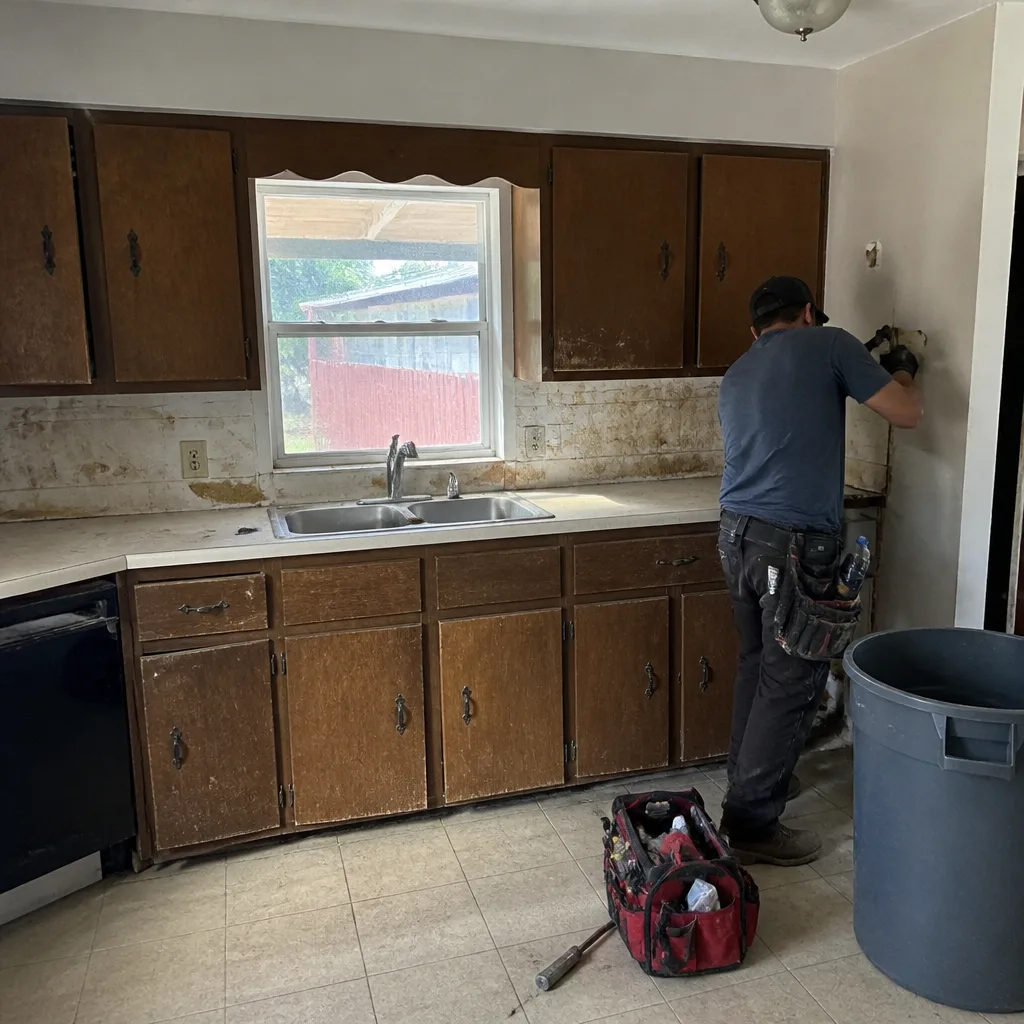 Before
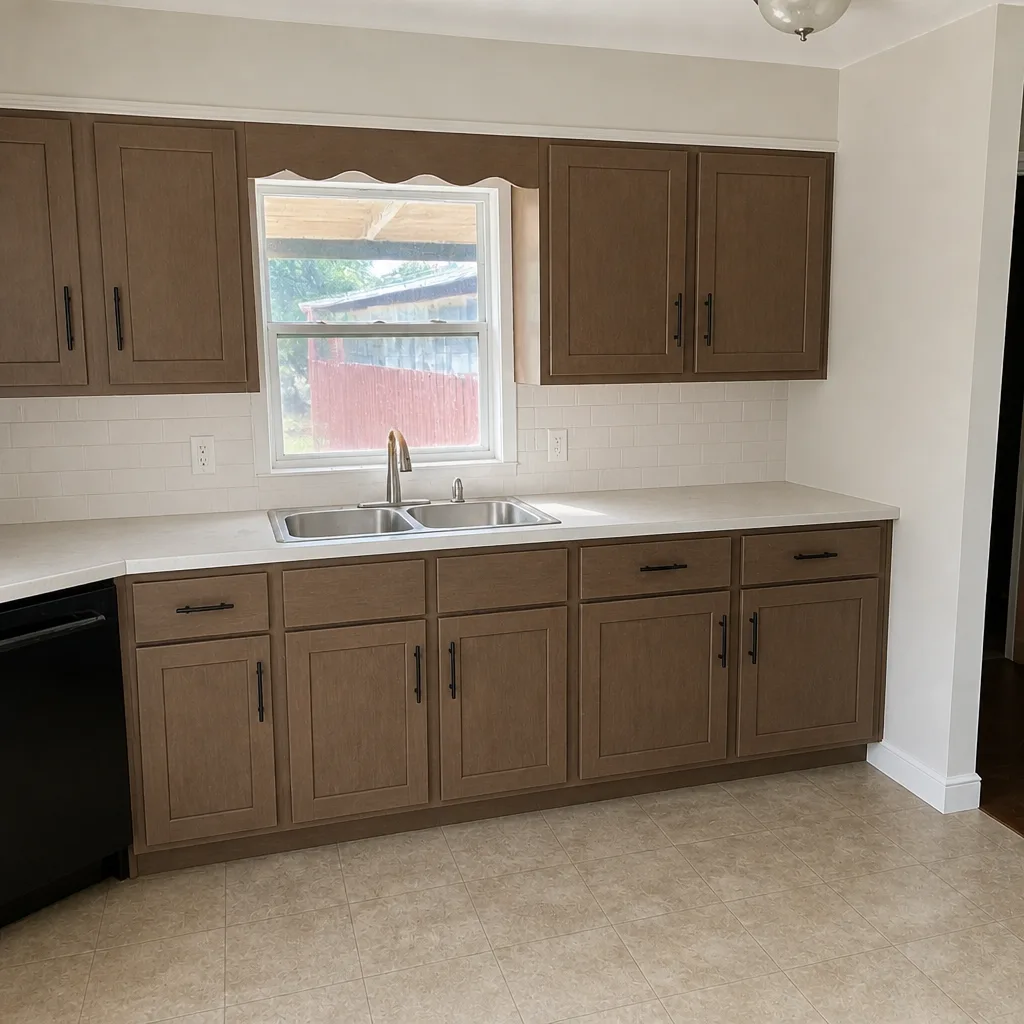 After
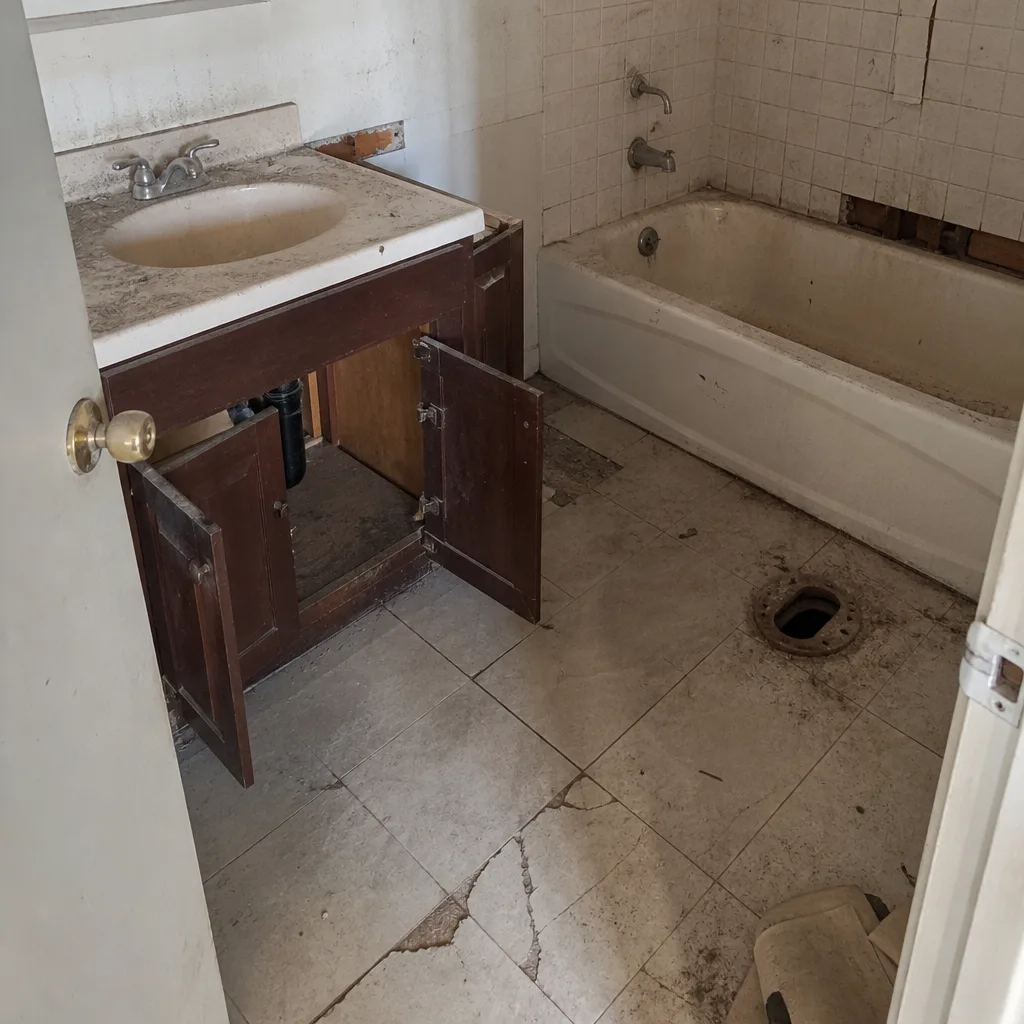 Before
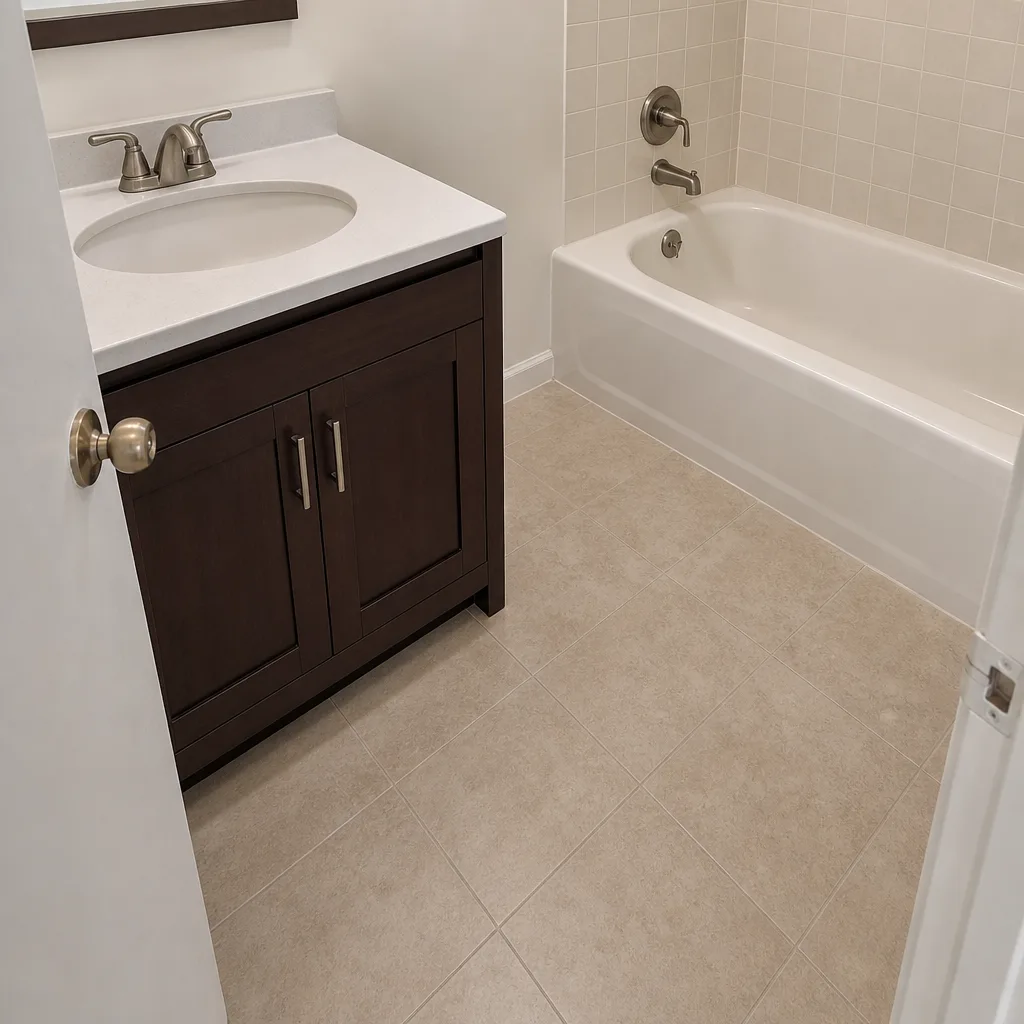 After
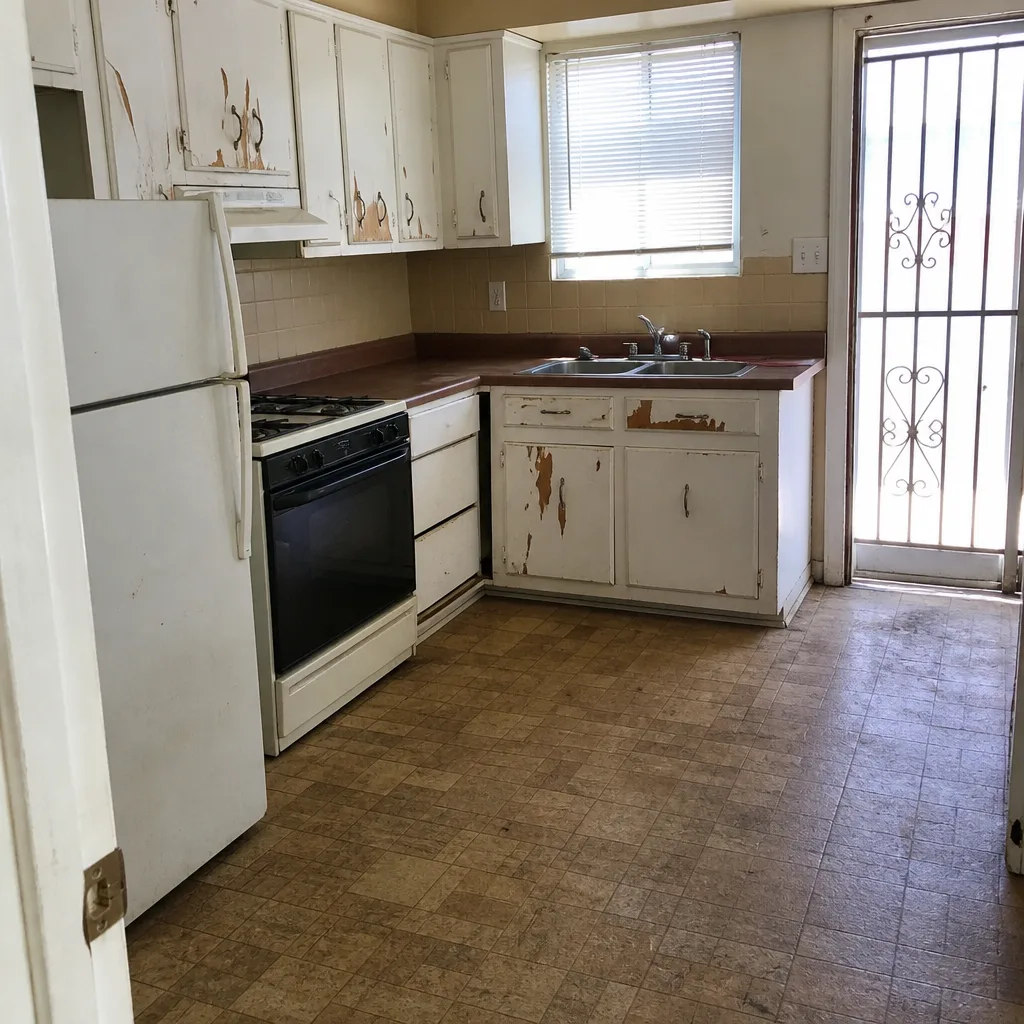 Before
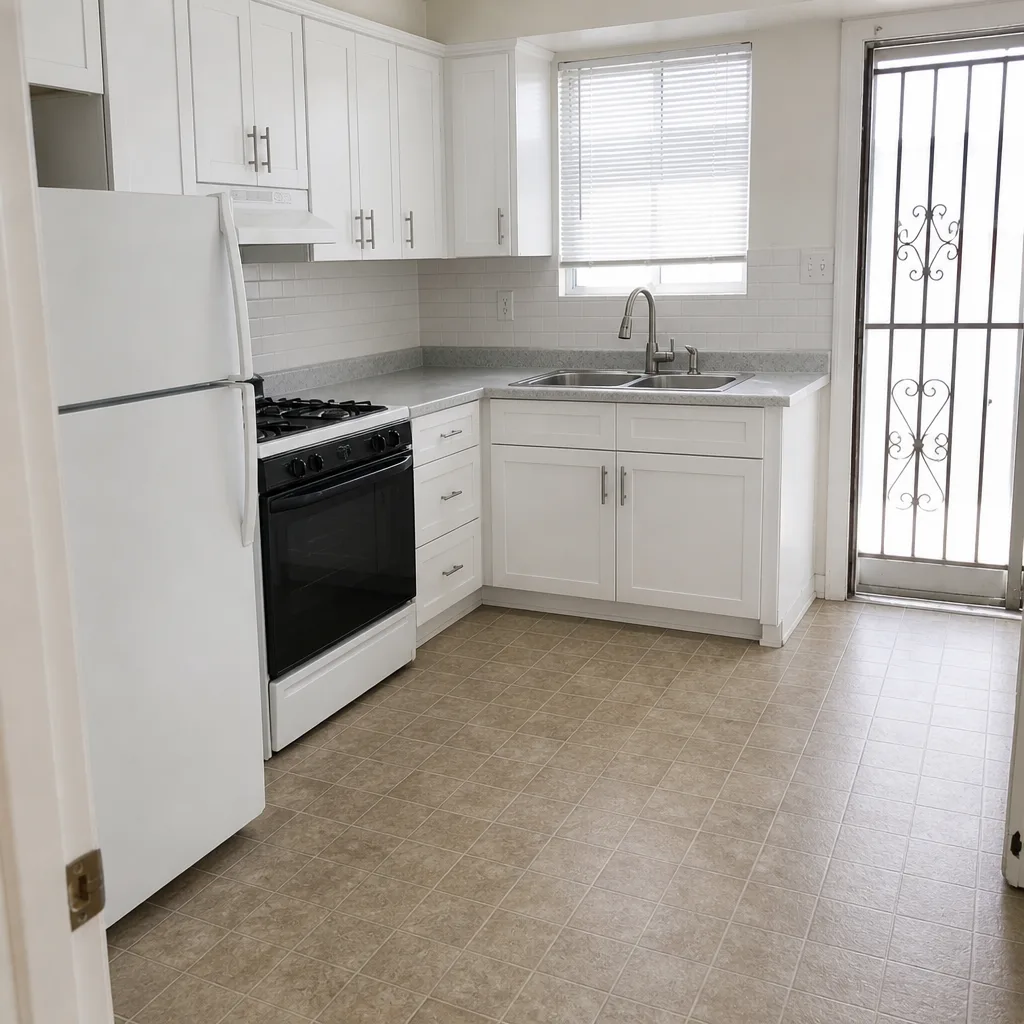 After
When to Call a Professional
Some fence repairs are DIY-friendly – a loose picket, a sagging gate hinge, a coat of stain. The work that isn’t is footing and post work, especially in caliche, and anything that touches permits, HOA rules, or a shared line. If your posts are showing soil movement, if your fence crosses a property line, or if your HOA has issued a written notice, call a crew that does this for a living. Removing a post set in concrete and caliche takes equipment most homeowners don’t own and don’t want to own. Barrett & Sons Construction Sunrise Manor offers free estimates in Sunrise Manor – call (844) 312-0069 to schedule yours. Our technicians have up to 28 years of experience, and every eligible job includes the permit pulled and the inspection signed.
Frequently Asked Questions
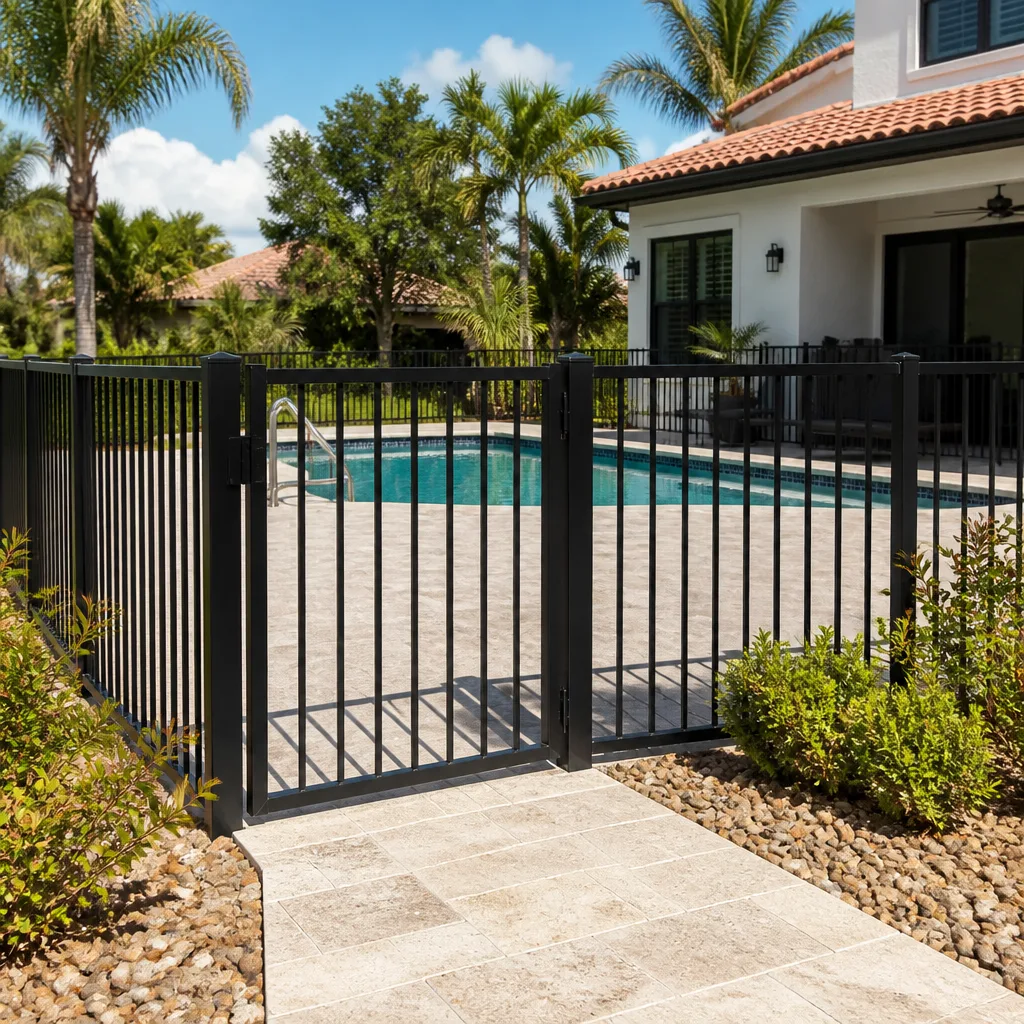
Fence installation in Sunrise Manor runs about $28 to $65 per linear foot depending on material, with block wall higher and wood or vinyl in the middle. A typical 150-foot residential job lands between $5,000 and $9,000. Call (844) 312-0069 for an exact quote based on your footage and site – estimates are free.
Yes, in most cases you need a Clark County permit for a residential fence, and skipping it becomes a title problem when you sell. The permit confirms your fence meets county height and setback rules and produces an inspection record that travels with the property. We pull the permit on every eligible job.
Nevada law doesn’t force a specific setback, but county zoning and your HOA may, and a fence exactly on the line invites dispute with your neighbor. The safe move is a surveyor’s line and a written neighbor agreement before posts go in. If your neighbor won’t agree, build on your side with a small setback.
Most wood fence posts need to sit 24 to 30 inches deep, and caliche in Sunrise Manor often starts a foot down. That means equipment like a skid-steer auger with a carbide-tip bit, not a rented hand auger. Shallow posts in caliche are the main reason fences lean within five years here.
Block wall performs best long-term against Sunrise Manor’s heat, UV, and dust, with premium vinyl and powder-coated wrought iron close behind. Wood works but needs a UV-resistant stain every two to three years. Untreated pine in Sunrise Manor shows sun damage within 18 months.
The price shouldn’t change once the scope is signed, and any change to that scope should arrive in writing as a change order before the work. If you hit unexpected caliche or a gas line reroute, the change order states the cost before anyone touches a shovel. Call (844) 312-0069 to lock in a written scope on your free estimate.
The Bottom Line
Sunrise Manor fence projects fail for three predictable reasons: caliche rock, HOA and county rules, and shared-line disagreements. All three are solvable before the first post hole is dug. Confirm your lines and rules in writing, use equipment that handles the ground, sign a simple agreement with your neighbor if the fence touches a shared line, and pull the permit. Do those four things and the fence you build should stay plumb for decades. Let us walk your lot and quote it in writing: Barrett & Sons Construction Sunrise Manor home has the crew, the equipment, and the paperwork habits to get it right. And if the fence is part of a bigger backyard plan, our Home Additions & ADU in Sunrise Manor team can coordinate the project so everything goes up in the right order.
Get a Free Estimate

Call Barrett & Sons Construction Sunrise Manor at (844) 312-0069 for a free estimate on your Sunrise Manor fence project. We answer the phone with a live person, put the scope in writing, pull the permits, and back every eligible job with the written 90-Day Done Right Promise. Ask for a free second opinion on any written estimate you already have, and bring your plat map and HOA guidelines if you have them – it makes the visit that much faster. No trip charge inside the county, and the permanent 10% Senior & Veteran discount applies.
Written by the team at Barrett & Sons Construction Sunrise Manor.