Last updated November 18, 2026

Free written scope consultation - allowances, timeline, and change-order rules on paper before a single trade is scheduled
The Complete Windows & Doors Guide for Sunrise Manor Homeowners
A vinyl window rated for Seattle’s climate will warp, discolor, and lose its seal in a Sunrise Manor summer inside of a decade. That’s not an exaggeration – it’s what the Las Vegas valley does to products that weren’t built for it. Between 110-degree summer highs, brutal UV exposure, and dust events that sandblast anything in their path, windows and doors here face conditions most national product guides never consider. This guide walks through what actually holds up in Sunrise Manor: Nevada Energy Code numbers, frame materials compared for desert heat, door thresholds that stop dust, how to read an NFRC label, and the Clark County permit process.
Quick Answer
For a Sunrise Manor home, the right window is one that meets Nevada Energy Code (U-factor of 0.40 or lower and SHGC of 0.25 or lower for this climate zone), uses fiberglass or thermally-broken aluminum-clad frames rather than standard vinyl, and carries a warranty that explicitly covers heat and UV damage. Doors need compression-style weatherstripping and adjustable thresholds to handle desert dust infiltration. Every replacement needs a Clark County permit pulled before work starts.
Styles & brands we work with
- Kitchen remodeling
- Bathroom remodeling
- Home additions & ADU
- Roofing
- Windows & doors
- Driveway & pavers
- Fence
Table of Contents
- Nevada Energy Code: What Clark County Requires and Why It Matters
- Frame Materials in the Desert: Vinyl vs. Fiberglass vs. Aluminum-Clad Wood
- How to Read an NFRC Label for a Sunrise Manor Home
- Doors That Stop the Dust: Weatherstripping and Threshold Systems
- The Permit and Inspection Process in Clark County
- Glass Options That Pay You Back
- What Good Installation Looks Like (and What It Doesn’t)
- Signs Your Windows and Doors Are Failing
Nevada Energy Code: What Clark County Requires and Why It Matters
Nevada adopted the 2021 IECC with amendments, and Clark County enforces it on every window and door replacement. Two numbers matter most for a Sunrise Manor home: U-factor and Solar Heat Gain Coefficient (SHGC). U-factor measures how fast heat escapes through the glass and frame – lower is better in winter. SHGC measures how much solar heat enters – lower is better in summer. Sunrise Manor sits in IECC Climate Zone 3B, which sets a maximum U-factor of 0.40 and a maximum SHGC of 0.25 for replacement windows in most residential applications.
Why does SHGC matter more than most homeowners expect? Because in Sunrise Manor, summer cooling bills run four to five months straight, not the two or three months a Midwesterner budgets for. A window with an SHGC of 0.40 vs. 0.25 lets roughly 60% more solar heat into the house on a July afternoon. Multiply that across eight windows on a west-facing wall and you’re looking at an HVAC system working noticeably harder from May through September. The code exists because the math is real.
A few details worth knowing:
- Code compliance is checked at inspection – the NFRC label must still be on the window when the inspector arrives.
- Like-for-like replacements (same size, same operating type) qualify for the simpler prescriptive path; changes to rough openings trigger additional review.
- Skylights and doors have separate U-factor thresholds; don’t assume window ratings carry over.
- Some Sunrise Manor homes built before 1990 have single-pane aluminum windows that don’t meet current code – replacing them is one of the fastest energy upgrades available.
Frame Materials in the Desert: Vinyl vs. Fiberglass vs. Aluminum-Clad Wood
We’ve seen vinyl frames on Sunrise Manor homes that were installed in the mid-2000s and now sag enough that the sashes don’t latch. Sustained heat does that to standard PVC. Here’s how the three common frame materials hold up in the valley:
Vinyl
The cheapest option and the one most big-box stores push. Standard vinyl is rated for moderate climates. In Sunrise Manor, the frame expands and contracts through a 100-degree swing every year, which gradually pulls seams apart and causes the hollow chambers to fill with dust. Some premium vinyl formulations (with fiberglass reinforcement inside) hold up better, but ordinary vinyl is a 10-to-15-year product here, not a 25-year one. Ask specifically whether the vinyl is virgin or recycled, and what the manufacturer’s warranty says about heat distortion above 110°F. Most don’t cover it.
Fiberglass
Fiberglass frames expand and contract at about one-third the rate of vinyl, which is the reason they hold up so much better in the desert. They don’t warp, they don’t discolor, and the frame itself is structural. Fiberglass costs roughly 20-30% more than standard vinyl, and it’s the material we’d put on our own house in Sunrise Manor. Not every window catalog carries it, so ask specifically.
Aluminum-Clad Wood
Wood inside for warmth, aluminum outside to take the sun. The aluminum cladding on a premium window (Anderson, Marvin) is factory-finished and holds up well here. The failure point to watch is the seal at the cladding seams – when that goes, water gets behind the aluminum and the wood core turns. Quality exterior caulking every 8-10 years prevents that. Clad wood is the most expensive of the three but delivers the strongest curb-appeal payoff on Sunrise Manor homes in established neighborhoods.
How to Read an NFRC Label for a Sunrise Manor Home
Every window sold in the U.S. carries an NFRC (National Fenestration Rating Council) label. It’s the only standardized performance data you’ll get, and it’s what the Clark County inspector checks. Here’s what each number means for a Sunrise Manor home specifically:
- U-Factor – Rate of heat escape. Lower is better. Look for 0.40 or below; premium options run 0.25-0.30. In a Sunrise Manor winter, a low U-factor shows up as smaller heating bills in December and January.
- Solar Heat Gain Coefficient (SHGC) – Fraction of solar heat that enters. Lower is better here. Target 0.25 or below. Go lower (0.20-0.22) on west- and south-facing windows.
- Visible Transmittance (VT) – How much visible light comes through. Higher is better for daylighting. A Low-E coating with an SHGC of 0.22 can still have VT around 0.50 – don’t sacrifice light for heat control unless the window faces full west sun.
- Air Leakage (AL) – Cubic feet per minute per square foot of frame. Target 0.3 or below. This is where cheap windows fail in the desert dust.
- Condensation Resistance (CR) – Rated 1-100, higher is better. For desert homes this is a secondary metric, but a very low CR window is a sign of a poorly sealed unit.
Take a photo of the NFRC label on each window when it arrives, before installation. The inspector will want to see them, and in Clark County you’re required to leave them in place until the final inspection is signed.
Doors That Stop the Dust: Weatherstripping and Threshold Systems
Most national guides to doors skip dust entirely. In Sunrise Manor, dust intrusion is a top-of-list complaint, especially after a spring wind event that pushes fine caliche dust through every gap. The doors that hold up here share three features:
- Compression weatherstripping, not just sweep-style. Compression seals squeeze closed when the door latches; sweeps just brush the threshold, and they leave a gap at the corners.
- Adjustable sill thresholds with a replaceable insert. The threshold gets stepped on thousands of times, and an adjustable model lets you raise the insert when it wears, rather than replacing the door.
- Multi-point locking hardware on exterior doors – three or more locking points pull the door tight against the weatherstrip, which is why you see less dust coming through the hinges on a good door than on a cheap one.
For sliding patio doors (very common in Sunrise Manor 1980s-1990s construction), the roller assembly is the weak point. When rollers wear, the panel drops, the top and bottom seals separate, and dust comes in through 1/8-inch gaps you can’t see. A roller replacement is a $75-$150 job and often delays the need for a full door replacement by years.
The Permit and Inspection Process in Clark County
Every window and door replacement in Clark County requires a permit unless it’s a direct like-for-like swap of a single unit in an owner-occupied single-family home (and even that requires checking with the county, not assuming). Here’s how the process actually runs:
- Permit application – filed with Clark County Building & Fire Prevention, through the online portal. Requires the project address, the number of openings, the NFRC ratings of the proposed units, and (if changing rough openings) stamped drawings.
- Plan review – typically 5-10 business days for a straightforward replacement, longer if rough openings change. A change of rough opening means modifying the framed wall – that’s a structural alteration and gets a closer look.
- Work performed – NFRC labels stay on the glass. Any framing changes get photographed before the drywall goes back.
- Rough-in inspection (only if framing changed) – inspector checks header sizing, flashing, and framing details before walls close.
- Final inspection – inspector walks every unit, confirms labels match the permit application, checks flashing, checks the visible seal. Once signed, the permit is closed.
The permit fee for a whole-house window replacement in Sunrise Manor typically runs $300-$600 depending on unit count. It’s the cheapest part of the job, and skipping it will show up in your title file if you ever sell. The permit inspector works for the homeowner, which is why we pull one on every eligible job – it’s an independent verification that the work meets code.
Glass Options That Pay You Back
Standard double-pane glass is a starting point, not a finish line. Three upgrades matter in this climate:
Low-E coating – a thin metallic layer that reflects specific wavelengths of light. In Climate Zone 3B, you want a solar-control Low-E, not the “winter” Low-E sold in cooler markets. Cost delta is $15-$30 per window and it’s the single upgrade with the best payback in Sunrise Manor.
Argon fill – the inert gas between panes conducts heat slower than air. Standard on most premium windows now; adds about $10-$20 per unit and roughly 10-15% better U-factor.
Laminated glass – a plastic interlayer between two panes. Useful if you’re near a busy road (Sunrise Manor residents along Nellis or Lamb will appreciate the noise reduction) or want extra impact resistance during monsoon hail. Adds $40-$80 per window.
Triple-pane is available but rarely pays back in Sunrise Manor. The extra cost ($100-$200 per window) doesn’t offset the additional cooling savings here – double-pane with a strong Low-E and argon is the sweet spot.
What Good Installation Looks Like (and What It Doesn’t)
The best window on the market fails if it’s installed wrong. In this climate, installation failure shows up two ways: water intrusion around the frame during monsoon season (rare but catastrophic), and air infiltration during dust events (common and irritating). Good installation means:
- A sill pan or sloped sill flashing under every window, not just caulk smeared on the frame.
- Backer rod behind the exterior caulk line – caulk alone shrinks, cracks, and pulls away from both the frame and the stucco within about 3 years in the valley sun.
- Proper flashing at the head, jamb, and sill, integrated with the weather-resistive barrier behind the stucco.
- Low-expansion foam (not standard expanding foam) in the framing gap – standard foam pushes jambs out of square as it cures.
- Interior trim installed after the window is set, sealed, and checked for square.
A “standard” 30-minute-per-window installation often skips the sill pan and the backer rod. Those are the two details that cost $20 per window in materials and save thousands in repair five years later. Ask your installer specifically how they flash the sill and whether they use backer rod behind the caulk. If they can’t tell you in plain language, that’s your answer.
Signs Your Windows and Doors Are Failing
Sunrise Manor homes fail windows in a particular order, and catching each stage early saves money:
- Condensation between panes means the seal has failed and the argon is gone. Window is now performing like a single pane. Common failure at year 8-12 in this climate on builder-grade units.
- Frame discoloration or chalky residue means UV degradation has started. Vinyl will continue to weaken and eventually crack at stress points.
- Sashes that stick, or latch and unlock with difficulty signal frame distortion – usually from heat cycling. A working window that needs both hands to close is one winter away from not closing at all.
- Daylight visible around the frame or a visible gap at the threshold means weatherstripping has compressed or failed. Check on a bright afternoon with the interior dark.
- Dust lines on the sill after a wind event mean the door or window seal is compromised. A small amount is normal; a visible line is not.
- Higher cooling bills two summers in a row with no other changes – worth checking window seals before replacing HVAC.
For doors, also check the threshold insert for wear (a 1/16-inch dip at the latch side is enough to leak dust), and look at the bottom corners of the door slab for dark staining that would indicate water intrusion beneath the sweep.
Common Mistakes to Avoid
- Buying on the sticker price alone. A $350 vinyl window that fails at year 10 costs more than a $500 fiberglass window that lasts 30. In Sunrise Manor, the failure rate on builder-grade vinyl is the dominant cost.
- Skipping the permit because “it’s just a replacement.” Clark County inspectors are looking for unpermitted work at resale. A $400 permit is cheap compared to a delay at closing.
- Letting the installer choose the SHGC. Ask to see the NFRC label before the order is placed. A “solar control” window with an SHGC of 0.38 passes some loose descriptions but blows past the Climate Zone 3B target.
- Ignoring door weatherstripping. Most homeowners focus entirely on windows and accept a front door that leaks 20 cubic feet per minute of dust. That door is the biggest air-leakage point on most Sunrise Manor homes.
- Trusting a warranty without reading the heat exclusion. Many vinyl windows exclude “heat-related distortion” in the fine print, which is exactly how they fail here. Ask for the warranty in writing, and read the exclusions.
- Replacing windows before checking the attic. A Sunrise Manor home with R-19 attic insulation is losing more cooling dollars through the ceiling than through the windows. Do the cheap fix first; the window payback is better after.
- Hiring the first crew to quote in the driveway. Window replacement is a 2-3 day job on a typical home. If the crew is still knocking on doors the week your job starts, they’ll be gone before the inspection.
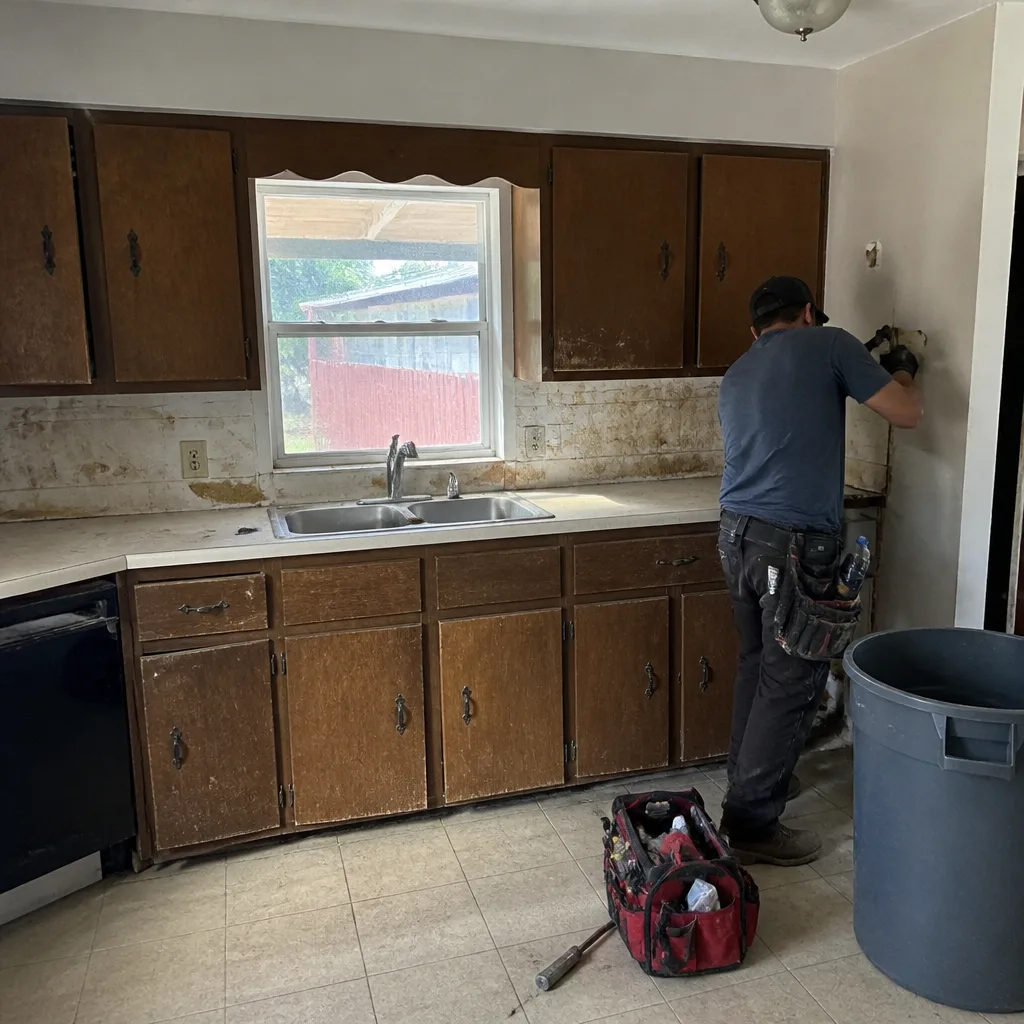
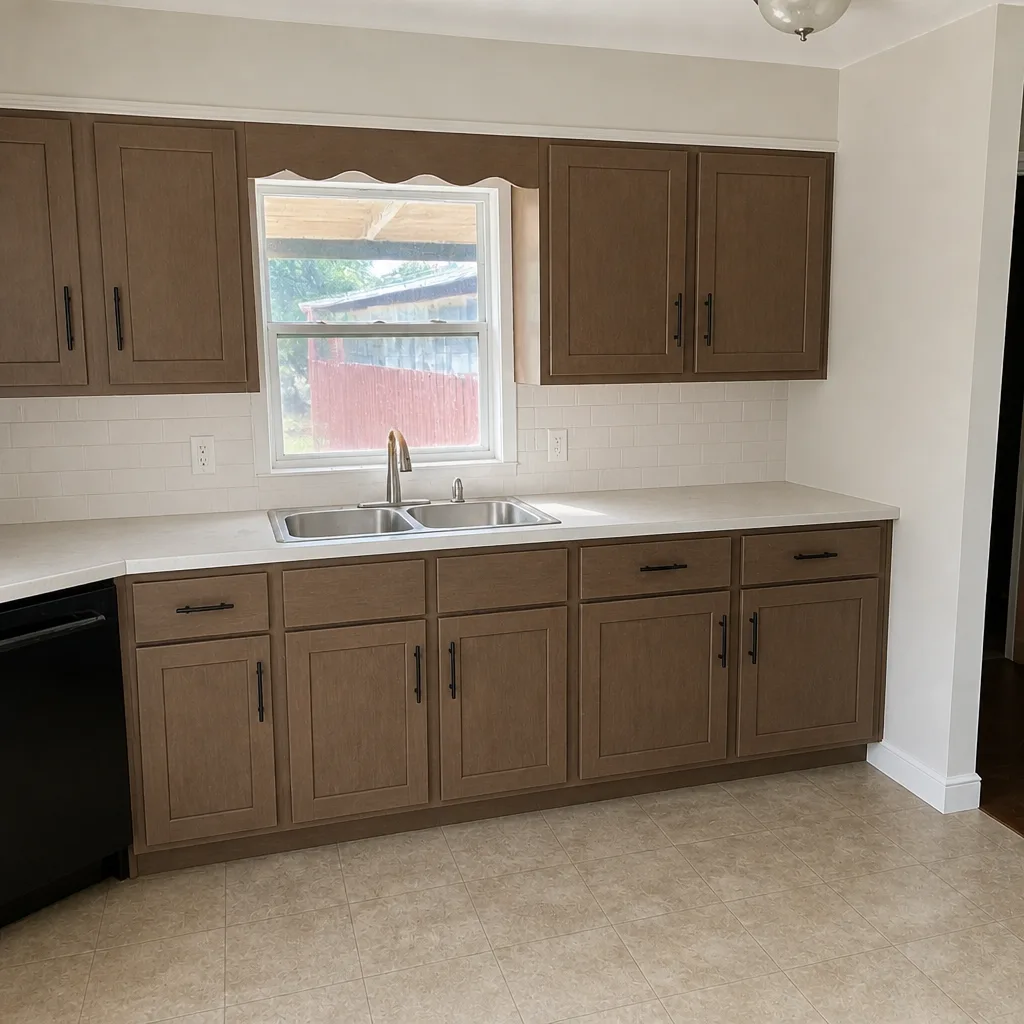
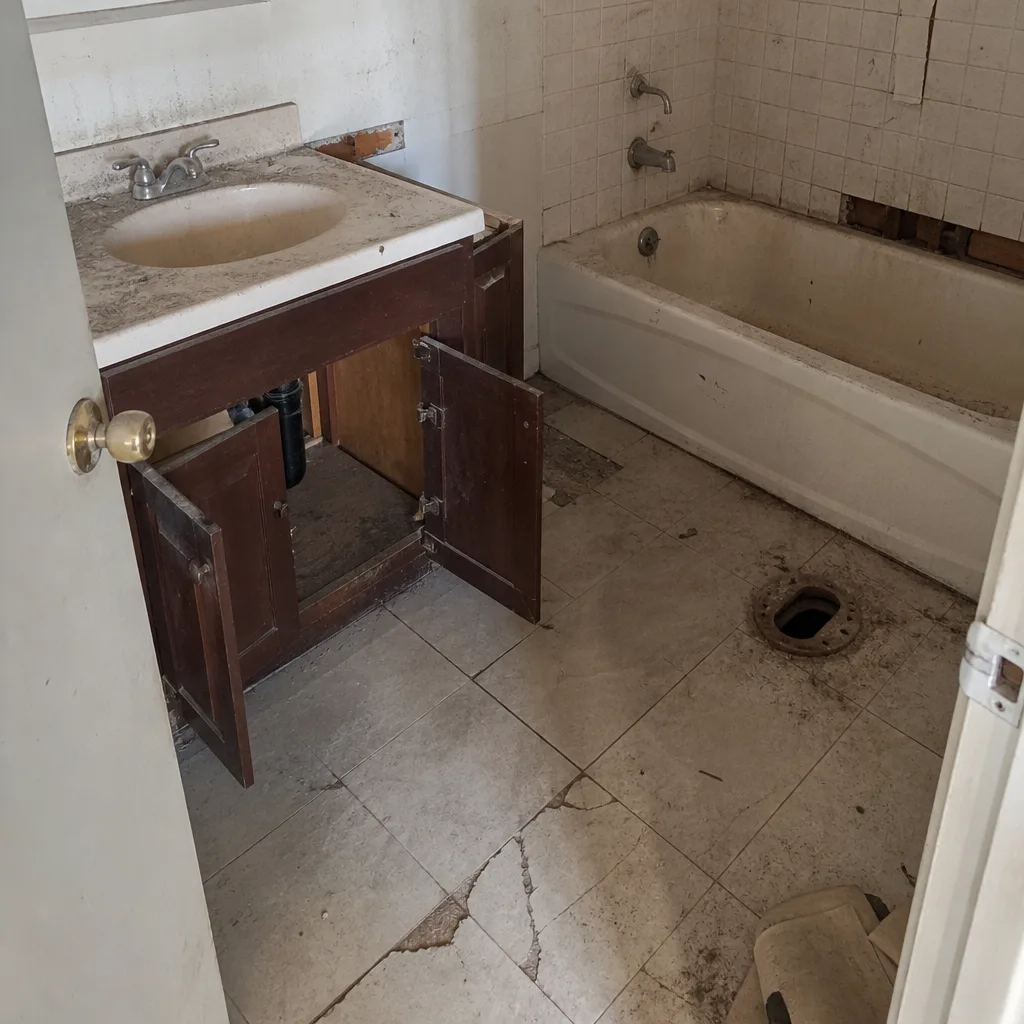
See the difference
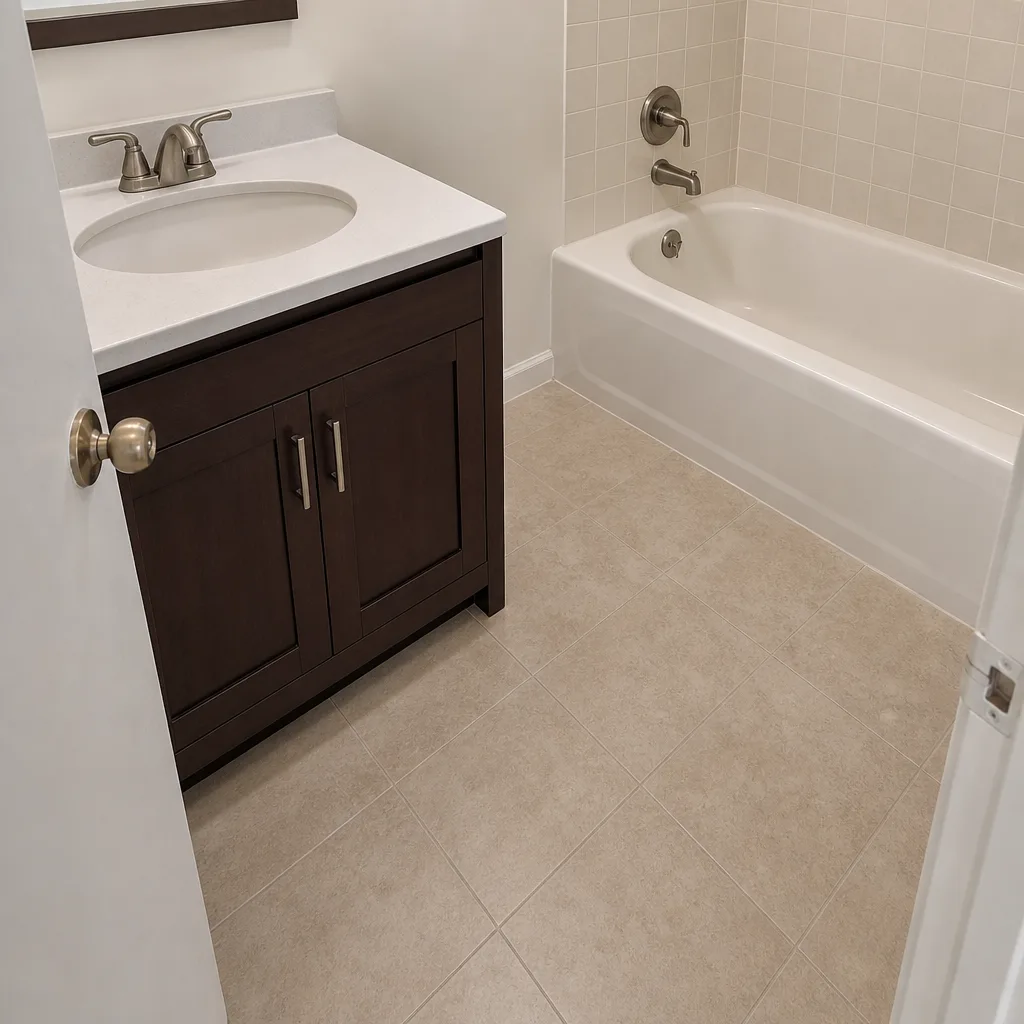
 Before
 After
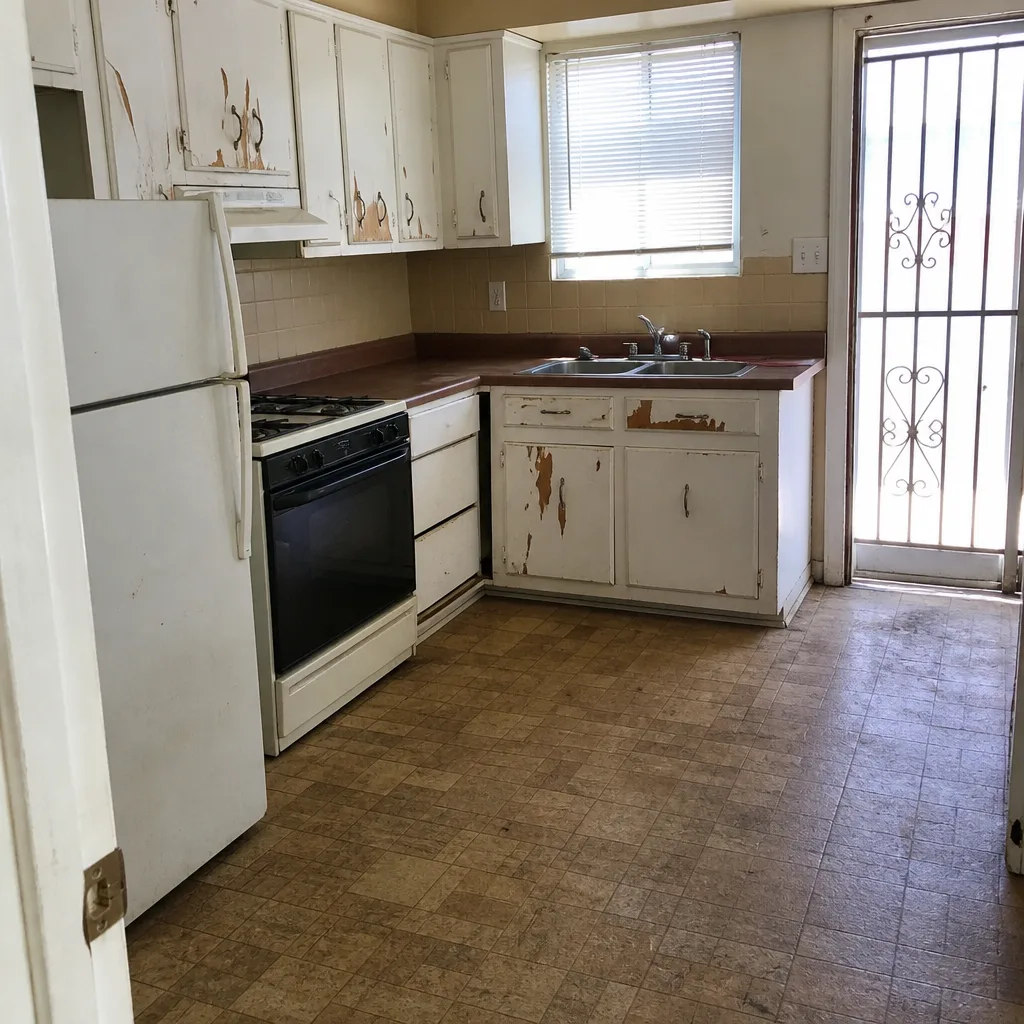
 Before
 After
 Before
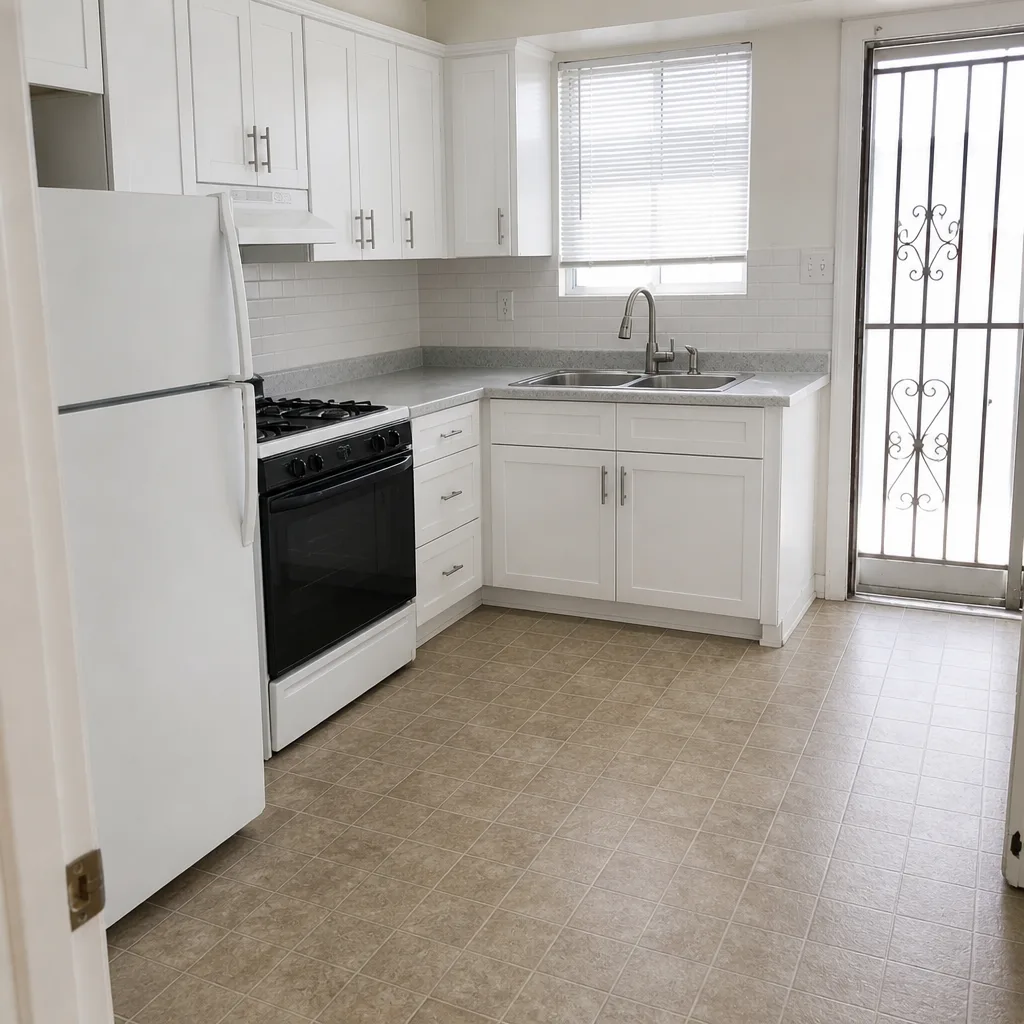 After
When to Call a Professional
Window and door replacement in Sunrise Manor is a permit-required, code-checked job, and on second-story or hard-to-reach openings it’s also genuinely dangerous. If your home has failing seals, sticking frames, doors that leak dust, or any window on a second story that needs to come out, call us. A professional installer can confirm what’s failing (sometimes the seal is broken but the frame is fine – a single glass replacement is cheaper than a whole unit), pull the permit, and make sure the flashing and weatherstripping details hold up through a full monsoon season and a summer of 110-degree days. We don’t recommend homeowner replacement on any window above ground level, or any door with an integrated threshold that requires shimming to the slab.
Barrett & Sons Construction Sunrise Manor offers free estimates in Sunrise Manor – call (844) 312-0069. We carry Andersen and Marvin window and door lines, verify every code requirement before quoting, and every price change runs through a written change order before work moves. We’re also happy to take a look at your Driveway & Pavers in Sunrise Manor at the same time if you’re planning a full exterior refresh – it’s often cheaper to coordinate the projects.
Frequently Asked Questions
0.25 or lower. That’s the Nevada Energy Code maximum for Climate Zone 3B in most residential replacement applications, and going lower (0.20-0.22) on west- and south-facing windows pays back in 5-8 years on cooling bills. Ask for the NFRC label before ordering so you can verify the exact number.
Yes, in almost all cases. Clark County Building & Fire Prevention requires a permit on window and door replacements; like-for-like single-unit swaps in an owner-occupied single-family home sometimes qualify for a simplified path, but the home requires confirmation before work starts. Any change to rough openings always requires a permit and, in most cases, stamped drawings.
Fiberglass, then thermally-broken aluminum-clad wood. Fiberglass expands and contracts at about one-third the rate of vinyl and holds up under sustained heat without warping or discoloring. Vinyl is fine as a budget option if it’s a reinforced formulation with a warranty that explicitly covers heat, but ordinary vinyl is a 10-to-15-year product here.
For a whole-home window replacement on a typical 3-bed, 2-bath Sunrise Manor home, budget $8,000-$18,000 depending on frame material, glass upgrades, and window count. A single window replacement runs $600-$1,200 installed. Fiberglass runs 20-30% more than standard vinyl. Call (844) 312-0069 for a free written estimate – every allowance and every price is spelled out before work starts.
Worn or wrong-type weatherstripping and a sagging threshold insert. Standard sweep-style weatherstripping brushes the threshold but leaves corner gaps; compression weatherstripping squeezes tight when the door latches and seals properly. An adjustable sill threshold with a replaceable insert is the fix – often $75-$150 to correct on an existing door.
Builder-grade vinyl in Sunrise Manor typically fails at year 8-12 (seal failure or heat distortion). Fiberglass windows last 20-30 years. Aluminum-clad wood holds up similarly if the exterior cladding is recaulked every 8-10 years. If you’re seeing condensation between panes or frames that stick, the window is already past its practical life.
The Bottom Line
Windows and doors in Sunrise Manor live under conditions that most national product catalogs don’t address. The rules to remember: Nevada Energy Code requires U-factor 0.40 or lower and SHGC 0.25 or lower, fiberglass and aluminum-clad wood hold up better than standard vinyl, doors need compression weatherstripping and adjustable thresholds to handle dust, NFRC labels are the only comparable performance data, and every replacement needs a permit pulled and inspected. Get the numbers in writing before signing anything – NFRC label, written change orders, and a warranty that explicitly covers heat. If you’re ready to talk through your specific home, call (844) 312-0069 for a free estimate. We’ll walk the openings with you, verify the code numbers, and put the scope in writing before we touch a nail.
Planning other projects while you’re replacing windows? Take a look at our Home Additions & ADU in Sunrise Manor and Fence Installation in Sunrise Manor pages – new window openings, new exterior doors, and new perimeter fencing all coordinate well when the same crew handles the sequence. You can also see what else we do from the Barrett & Sons Construction Sunrise Manor home page. Our crews have up to 28 years of experience on windows and doors across the valley, and Tom Barrett’s name, address, and license number are published and verifiable before you sign.
Written by the team at Barrett & Sons Construction Sunrise Manor.