Last updated November 18, 2026
Free written scope consultation - allowances, timeline, and change-order rules on paper before a single trade is scheduled
DIY vs Professional Fence Installation: What’s Safe to Do Yourself
Renting a post-hole digger and hitting buried caliche eighteen inches down is where most DIY fence projects stop being fun and start being expensive. The rental yard doesn’t warn you, the online calculator doesn’t ask, and by the time you’re back at the counter trading the auger for a jackhammer, you’re two days behind and a few hundred dollars over budget. We’ve watched this happen plenty around Sunrise Manor, where the ground under a lot of backyards is more rock than soil. This guide walks through the parts of a fence you can genuinely handle yourself, the parts that punish amateurs, and where the line sits for most homeowners.
Quick Answer
For most homeowners, setting posts and hanging boards on a simple wood fence is safe to DIY if your ground is diggable and you have the tools and time. Digging post holes through caliche, framing and hanging a gate that stays square, and pulling the right Clark County permits are the three areas where professional installation earns its cost. If your lot has hard caliche or you share fence lines with neighbors, the DIY math usually stops making sense.
Styles & brands we work with
- Kitchen remodeling
- Bathroom remodeling
- Home additions & ADU
- Roofing
- Windows & doors
- Driveway & pavers
- Fence
Table of Contents
- Why Caliche Changes the Whole DIY Equation in Sunrise Manor
- Digging Post Holes: Where DIY Usually Breaks Down
- Hanging Boards and Panels: The Part You Can Actually Do
- Gate Building: The Part That Fails Fastest
- Clark County Permits and Inspections: What DIYers Miss
- Honest Labor-Hours: No Caliche vs. Typical Sunrise Manor Soil
- The Real Cost Comparison
- Common Mistakes to Avoid
Why Caliche Changes the Whole DIY Equation in Sunrise Manor
Caliche is a calcium-carbonate layer that forms just below the topsoil across much of the Las Vegas Valley, including large stretches of Sunrise Manor. It’s cemented sediment, not loose rock, and it forms a shelf that a standard one- or two-person auger can’t cut through. In our experience, it shows up anywhere from twelve to thirty inches down, sometimes in patches and sometimes as a continuous layer across the whole fence line.
What that means for a DIY project is simple: the tool you rented won’t do the job. A standard power auger will spin on caliche until it burns out or the operator gives up. Homeowners who push forward end up renting a jackhammer or a rotary hammer with a chisel bit, or paying a hole-digging service to pre-drill, which quietly adds $300 to $900 to a project that was supposed to save money by staying DIY. Once you’re at that number, the savings math gets thin.
The other factor is seasonal. Sunrise Manor sits in a desert with summer highs that push past 110°F and winter nights that drop into the 30s. Concrete for post footings cures differently in each extreme, and digging in July heat is a genuine safety concern for anyone working alone. Most of the successful DIY fence projects we see get started in spring or fall, not mid-summer.
If you’re already scheduling outdoor work and want a professional read on the ground, our Fence Installation in Sunrise Manor page covers how we scope a lot before quoting. The caliche layer is the first thing we check.
Digging Post Holes: Where DIY Usually Breaks Down
Post holes are the foundation of the fence and the first place a DIY project stalls. A standard 150-foot fence needs roughly 25 posts spaced eight feet apart. On good, diggable soil with a rented two-person auger, a homeowner can typically knock out that many holes in four to six hours on a Saturday. On a Sunrise Manor lot with caliche, that same job can take two or three full days and might not finish at all without different equipment.
Here’s the honest checklist we give homeowners before they rent anything:
- Call 811 at least two business days before you dig, so utilities get marked. Cutting a gas or irrigation line turns a fence project into a repair project.
- Dig a test hole by hand near the center of the fence line, using a manual post-hole digger. Push it down as far as it goes. If you hit hard, pale, cemented material that a shovel edge won’t cut, you have caliche.
- Confirm depth. Most residential fence posts need to go 24 to 36 inches deep to hold up against wind and soil movement, depending on fence height and local code.
- Plan for concrete. A post set in soil alone will heave and lean. Set each post in a concrete footing mixed to a stiff consistency and crowned at the top so water runs off.
- Brace plumb before the concrete sets. Use stakes and a level on two sides, and leave the bracing for a full 24 hours.
If your test hole hits caliche, the practical choices are a rotary hammer with a chisel bit (slow, loud, and a lot of physical work), a contractor-grade hole-digging service that pre-drills for you, or a professional install that includes excavation. When we quote a fence in Sunrise Manor, the digging method is baked into the price so there are no surprises when the crew hits the rock.
Hanging Boards and Panels: The Part You Can Actually Do
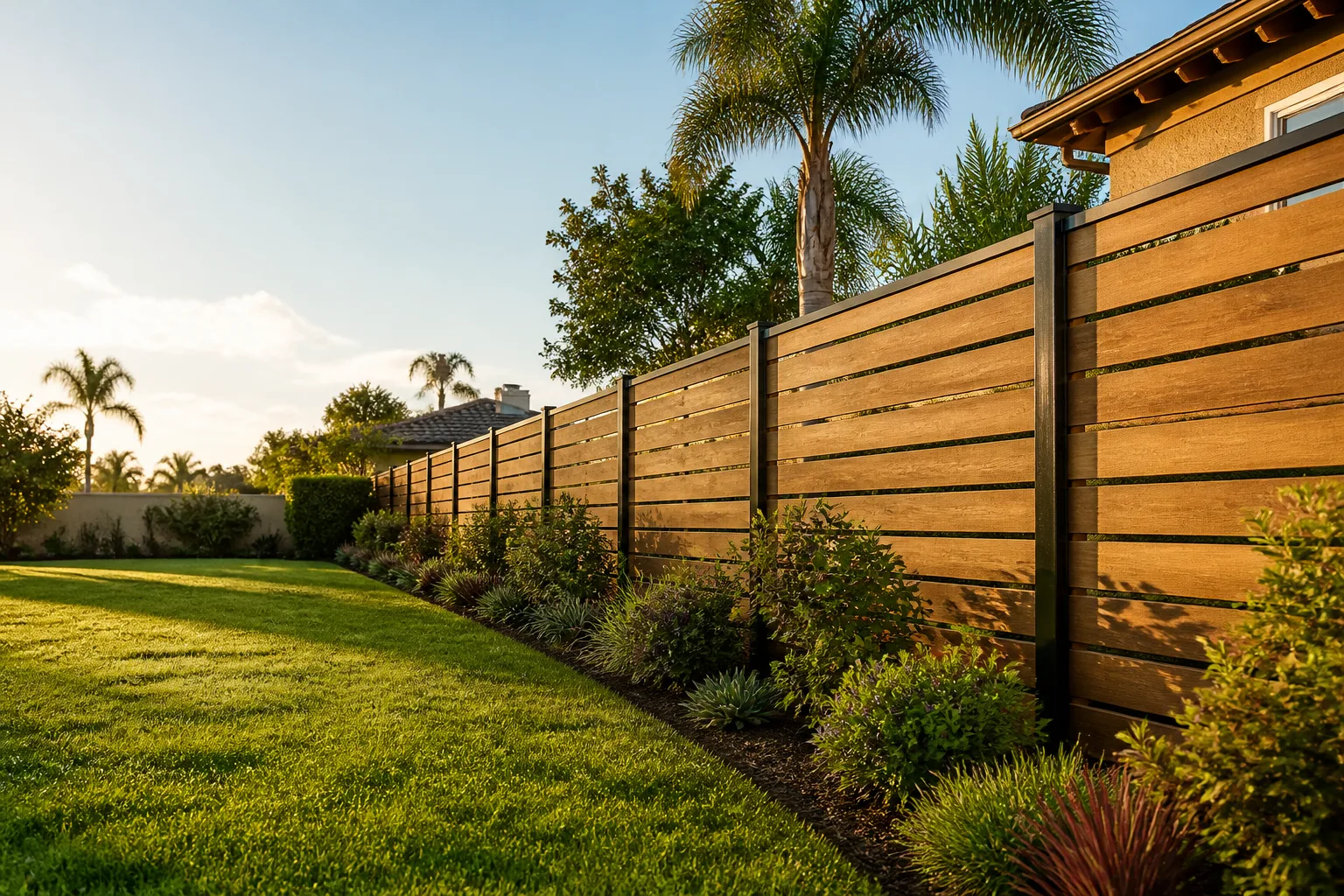
Once the posts are set, plumb, and cured, the rest of a wood fence is genuinely manageable for a careful homeowner. Stringers, pickets, and panels are straightforward carpentry. If you’ve built a deck, hung a door, or framed a shed, you have the skills. The key is that everything good about the finish depends on the posts being right, and posts are the part most DIYers rush.
What a clean DIY board and panel install requires:
- A consistent stringer height, measured from a chalk line that runs the full length of the fence, not eyeballed post to post.
- Galvanized or coated fasteners rated for outdoor use, so screws don’t rust and stain the wood within a year.
- Small gaps between pickets, usually 1/8 to 3/16 inch, so the wood can expand and contract with temperature swings without buckling.
- Boards set at least 2 inches off the ground so soil contact and sprinkler splash don’t rot the bottom edge.
- Sealing or staining after installation, especially in the desert sun that bleaches bare wood fast.
This is also the section where a homeowner can spend money smartly on materials. Cedar and higher-grade pine hold up better than the cheapest yellow pine, and the difference in cost per linear foot is usually less than the difference in years of service. Skip the mystery brands at the discount yard and buy labeled material from a supplier who will tell you where it came from.
Gate Building: The Part That Fails Fastest
If there’s one part of a wood fence that benefits most from a professional install, it’s the gate. Gates fail faster than any other component because they take all the same wind load and add the torque of being swung open and closed hundreds of times a year. A gate framed slightly out of square looks fine for a few months and then starts dragging, sagging, and catching on the ground. Once that begins, fixing it usually means rebuilding the gate.
A properly built gate needs a rigid, cross-braced frame, hinges sized to the actual weight of the gate, a latch or throw that lines up every time, and posts set deeper and set heavier than the fence line posts because the gate pulls on them constantly. On a wide driveway gate, the engineering matters even more. Sunrise Manor has enough wind events through the spring and monsoon season that a gate out of square in March will be on the ground by July.
We’ve also seen DIY gates get hung by eye, without a diagonal brace, and with hinges spaced too close together. Each of those shortcuts is invisible on day one and obvious by month six. If you’re doing the rest of the fence yourself, this is the one section we’d suggest hiring out or at least having a carpenter frame the gate for you.
Clark County Permits and Inspections: What DIYers Miss
Clark County has permit rules for fences, and the thresholds matter. Fences and walls above a certain height, typically six feet on most residential lots, plus any fence within the sight-distance triangle at a corner or driveway, generally need a permit and an inspection. Masonry and block walls almost always do. Fencing that encroaches on a public right-of-way or an easement gets flagged.
Why DIYers skip it: the application takes time and the inspection requires somebody to be home. Why that shortcut costs more later: an unpermitted fence can surface as a problem at resale, when a buyer’s inspector or a title company wants documentation that the improvements on the property were permitted. We’ve seen deals delayed over a fence nobody remembered pulling a permit for. If you’re planning a Barrett & Sons Construction Sunrise Manor home sale in the next few years, get the permit right now.
The inspection itself is straightforward. It generally covers post depth and footing, fence height, structural attachment, and how the fence sits relative to property lines and easements. If your fence shares a line with a neighbor, that inspector becomes a neutral third party who confirms for both of you that what’s standing there is legitimately placed. That’s a small paperwork cost for a big buffer against a dispute.
We pull permits on every eligible fence job because we’ve been asked to fix too many fences that were flagged by a buyer’s inspector. The county permit office and the neighbor both end up caring whether the fence was done right, and only one of those has any leverage over your closing.
Honest Labor-Hours: No Caliche vs. Typical Sunrise Manor Soil
Here’s where the DIY math either works or collapses. A standard 150-foot wood privacy fence, six feet tall, with 25 posts, breaks down like this in real labor hours:
- Lot with no caliche, diggable soil: 30 to 45 hours total. That’s roughly four to six full weekend days, including digging, setting posts, curing, hanging boards, and building and hanging one gate.
- Typical Sunrise Manor lot with caliche patches: 55 to 85 hours. The digging alone can take two or three full days with the right equipment. Equipment rental adds $150 to $400. Concrete for the footings adds another $150 to $300.
- Lot with a solid caliche shelf and a shared fence line: 90+ hours, and a real chance the project doesn’t get finished without professional excavation.
A 150-foot fence is roughly 25 posts and 150 linear feet of boards. Multiply the hours by whatever your weekend time is worth to you. If you’re retired, steady, and enjoy the work, an easy lot can absolutely be a satisfying DIY project. If your weekends are already full and the ground has caliche, the math almost never works. The material cost of a fence is the same either way. The labor is where the savings live or die.
If the fence is part of a larger yard project, the same labor-hours question applies to Driveway & Pavers in Sunrise Manor, where excavation and base prep are even less forgiving on caliche.
The Real Cost Comparison
These are the honest ranges we see for a 150-foot, six-foot wood privacy fence in the Sunrise Manor market. Numbers assume mid-grade cedar or top-grade pine, concrete-set posts, one gate, and full cleanup:
- Materials: $3,800 to $6,000
- Permit and inspection: $150 to $400
- Equipment rental (DIY): $150 to $400
- Concrete, fasteners, sealer: $300 to $500
- Professional install labor: $2,800 to $5,500, depending on ground conditions and gate count
DIY saves the labor line, but on caliche lots you spend a chunk of it back on equipment and long weekends. Professional install includes the digging, the permit, the inspection, and a finish that holds up through the wind and summer heat. Every price change arrives in writing before work begins, so nothing shifts once the crew shows up.
One honest footnote: many homeowners decide to DIY the fence and hire out an associated project, like a small Home Additions & ADU in Sunrise Manor, because the tradeoffs are so different. Fence work is often genuinely DIY-friendly once the posts are set. Structural work almost never is.
Common Mistakes to Avoid
- Renting the wrong auger for the soil. A standard power auger will spin uselessly on Sunrise Manor caliche. Test-dig a hole before you rent anything.
- Skipping the 811 call. Cutting an irrigation or gas line replumbing into a fence project happens more often than people admit, and it’s a call you can avoid with two minutes of typing.
- Setting posts too shallow. A 24-inch post on a six-foot fence leans within a year. Go deeper, especially if the fence is on an exposed side of the lot where wind loads are higher.
- Eyeballing the gate. A gate hung without a diagonal brace or without square framing looks fine on day one and drags by month six.
- No permit because it seems optional. A fence flagged at resale can cost far more in delay than the permit costs upfront.
- Sharing a fence line without talking to the neighbor first. Half-fences end up half-owned. Get the conversation on paper, and know exactly where the property line falls before anyone sets a post.
- Buying the cheapest material off the yard. A few hundred dollars saved on lumber can cost double in replacement within five to ten years under the desert sun.
A fence is one of the few home projects where the buyer’s regret usually comes from materials and ground conditions, not from the finish work. Buy once, dig once, and be honest with yourself about the ground.
See the difference
 Before
 After
 Before
 After
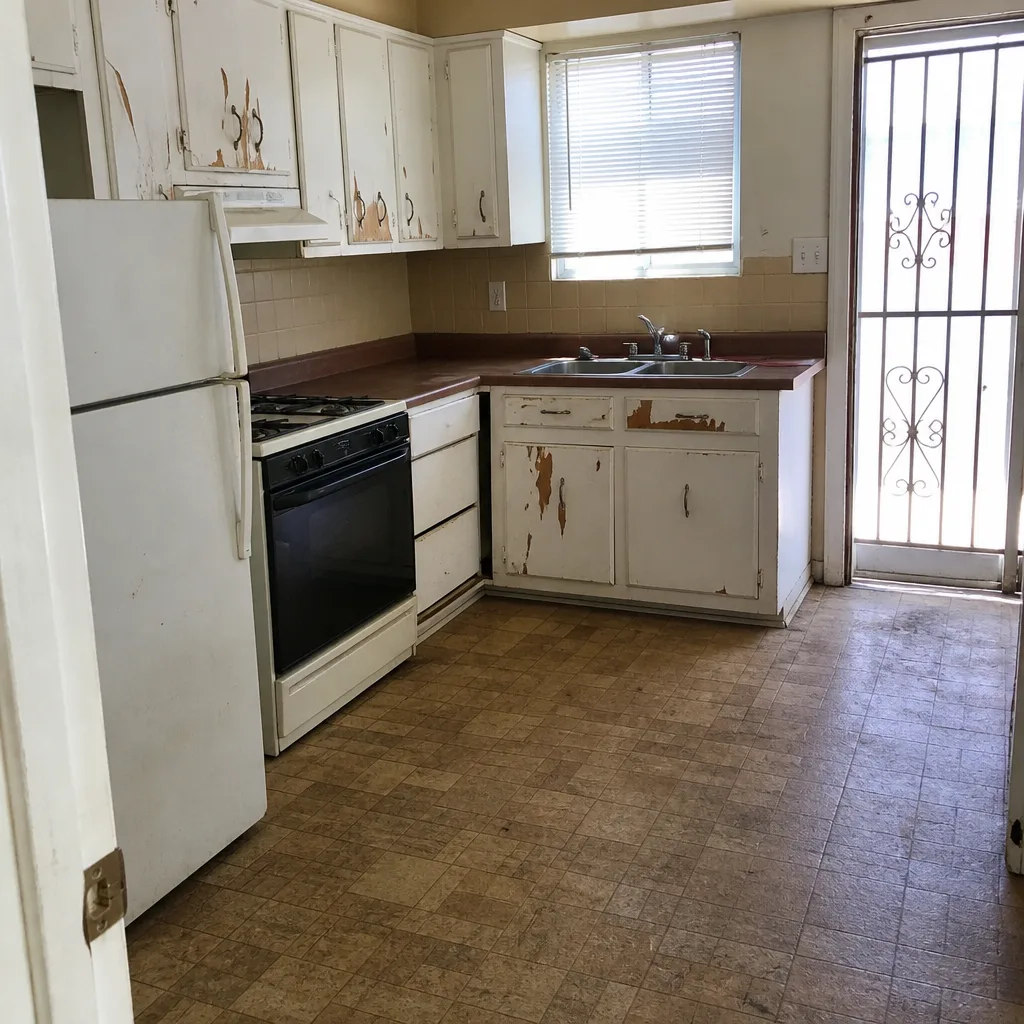 Before
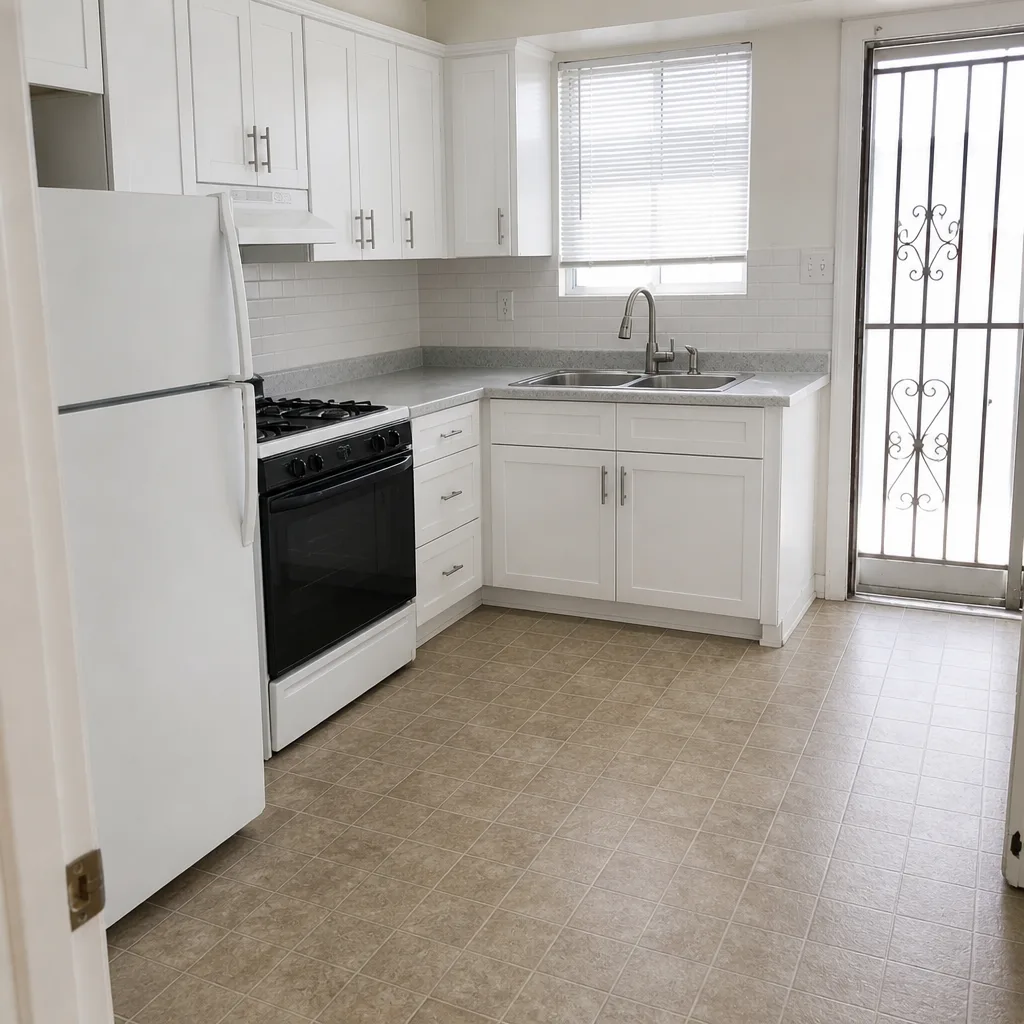 After
When to Call a Professional
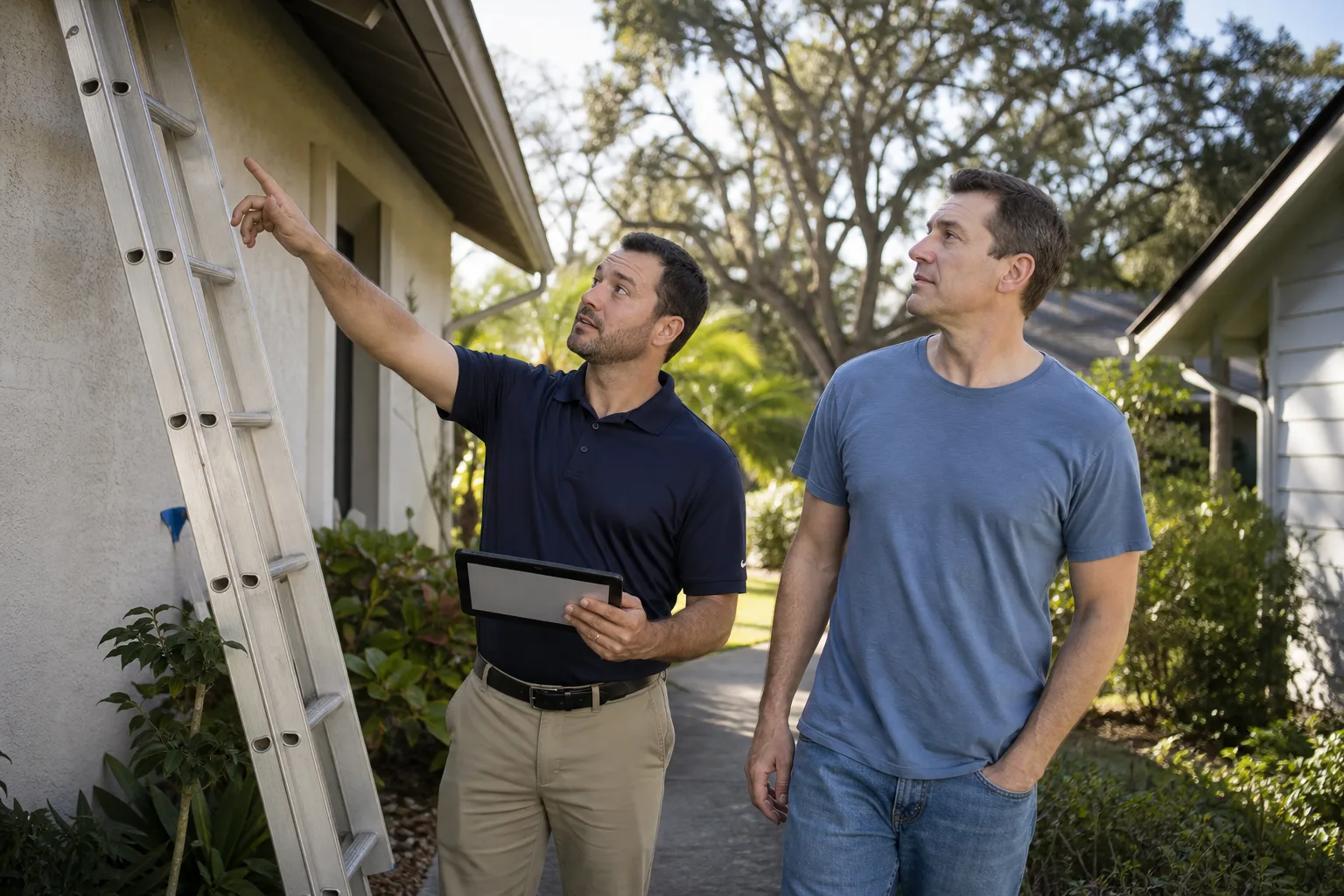
Call a professional when the test hole hits caliche, when any part of the fence line is shared with a neighbor, when the gate has to be structural or wide, or when the lot sits on a slope. Call us when the permit and inspection requirement is unclear and you’re planning to sell in the next five years. Barrett & Sons Construction Sunrise Manor offers free estimates in Sunrise Manor – call (844) 312-0069. We’ll walk the lot, test the ground, and tell you plainly which parts of the fence you can do yourself and which parts you should hire out. Sometimes that answer is DIY on the boards and gates by us, and it’s the mix that gets you the best fence at the fairest price.
Frequently Asked Questions
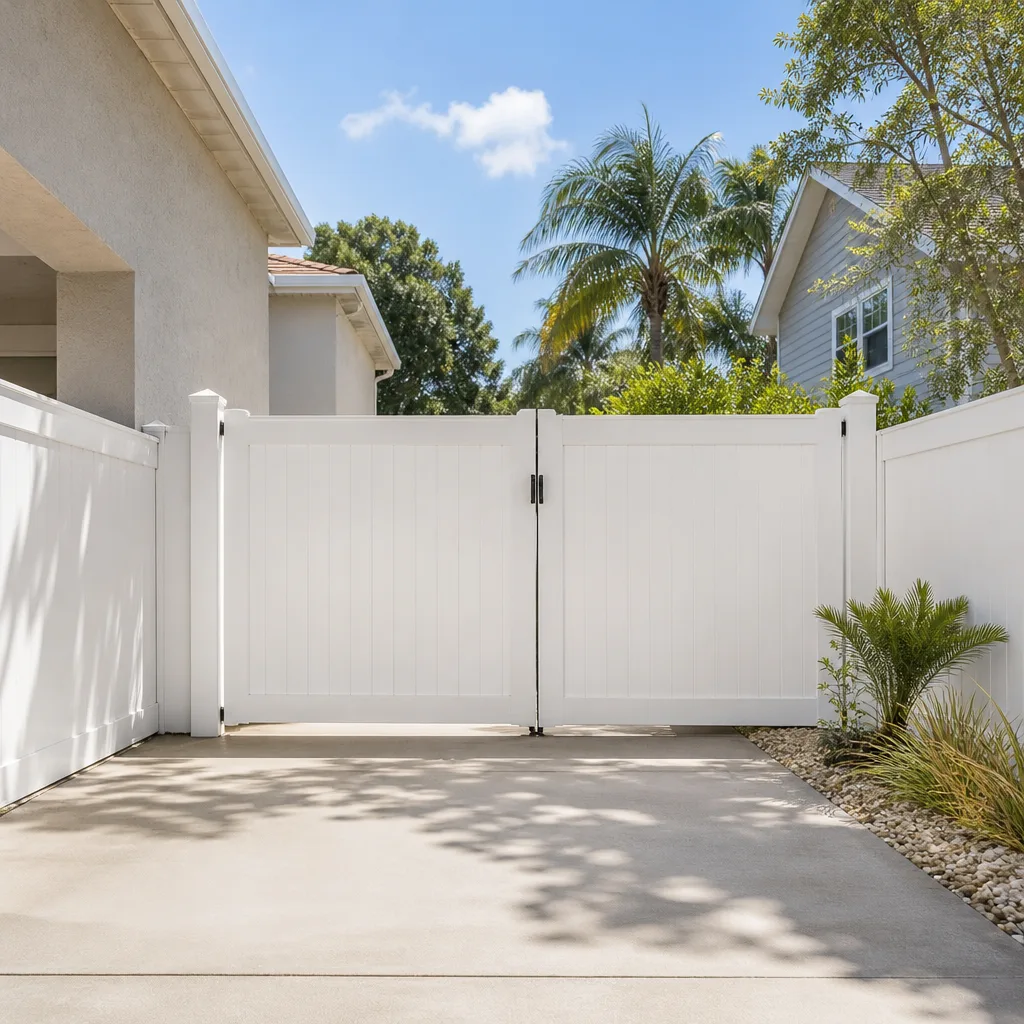
It depends almost entirely on your soil. On diggable ground with no caliche, DIY on a 150-foot wood fence saves roughly $2,500 to $4,500 over a professional install, minus your time. On a typical Sunrise Manor lot with caliche, equipment rental and extra labor close most of that gap. Call (844) 312-0069 for a free estimate so you can compare real numbers.
Plan for 24 to 36 inches below grade for a six-foot fence, deeper on exposed sides of the lot. Clark County’s frozen-soil depth is essentially zero, but wind uplift and soil movement still demand real footing depth. Post footings should be set in concrete and crowned at the top so water runs off the post. If your test hole hits caliche, the depth decision changes because the digging method does.
Usually yes above six feet, and almost always for masonry, block, or any fence in a sight-distance triangle. Permits also get flagged when the fence encroaches on an easement or right-of-way. The inspection covers post depth, footing, height, and placement. Skip it and you may face complications at resale when a buyer’s inspector or title company asks for documentation. Call (844) 312-0069 if you want a professional read on whether your plan needs a permit.
You can, but get everything in writing first. Confirm the property line with a survey, agree on who owns which section, and agree in writing on material, height, and cost split. Shared fence lines are where most fence disputes begin, and an inspector’s sign-off helps both sides. When in doubt, call (844) 312-0069 for a free estimate that includes the survey-friendly scoping we do on every shared-line job.
Setting posts too shallow or without concrete. The boards and panels hide a bad post for a few months, then the whole line leans. The second most common mistake is framing the gate by eye. Either one costs more to fix later than to do right the first time.
A 150-foot wood privacy fence typically takes two to four days on-site, depending on ground conditions, gate count, and permit and inspection timing. Days are scheduled up front and confirmed in writing, and we don’t leave a job half-built over a weekend. Call (844) 312-0069 for a free estimate with a written schedule.
The Bottom Line
Fence installation is one of the few home projects with a genuinely honest middle answer. Hanging boards and panels once posts are set is safe to DIY for most homeowners. Digging through Sunrise Manor caliche, framing and hanging a gate that stays square, and pulling the right Clark County permits are the three areas where professionals earn their keep. If your lot is easy, your time is available, and the fence line is yours alone, DIY can save real money. If any of those isn’t true, the honest move is a professional estimate before you rent the auger. Cheap materials, shallow posts, and skipped permits are the three ways a DIY fence costs more than it saves, and all three are avoidable.
Written by the team at Barrett & Sons Construction Sunrise Manor.
Ready to price your fence or decide which parts to hire out? Call (844) 312-0069 for a free estimate in Sunrise Manor. We’ll walk the lot, test the ground, and hand you a written scope with no surprises.