Last updated November 18, 2026


Free written scope consultation - allowances, timeline, and change-order rules on paper before a single trade is scheduled
Driveway & Pavers Maintenance Checklist for Sunrise Manor Homeowners
Las Vegas ground surface temperatures can push past 150°F in July. That’s not just uncomfortable to walk on barefoot. It’s hot enough to break down paver joint sand, burn through sealer years early, and open hairline cracks that double in width before October arrives. Most driveway maintenance advice floating around online was written for places that never hit 115°F in the shade. This guide is built for the desert we actually live in. You’ll get a full seasonal checklist, the specific timing window that protects pavers longest in Sunrise Manor, and how to tell a crack you can patch from one that signals a failing base.
Quick Answer
In Sunrise Manor, pavers and concrete need attention four times a year, with the most important maintenance window falling between late October and early December, when cooler temperatures let joint sand and sealer cure properly and hold through the following summer. The routine tasks that matter most are fixing sprinkler overspray, re-sanding joints before they wash out, and catching small cracks before the monsoon season widens them. Skip these and a driveway that could last 25 years starts showing real damage in 8 to 10.
Styles & brands we work with
- Kitchen remodeling
- Bathroom remodeling
- Home additions & ADU
- Roofing
- Windows & doors
- Driveway & pavers
- Fence
Table of Contents
- Seasonal Task Calendar for Sunrise Manor Driveways
- Why Late October to Early December Is the Best Re-Sanding Window
- Caliche Staining vs. Efflorescence: How to Tell Them Apart
- Sprinkler Overspray: The Silent Killer of Paver Joints
- Three Cracks You Can Patch and Two That Mean Base Failure
- Concrete vs. Pavers in Mojave Heat: What to Expect
- Cleaning Without Damaging Your Surface
- Common Mistakes to Avoid
Seasonal Task Calendar for Sunrise Manor Driveways
Desert maintenance doesn’t follow the same rhythm as the rest of the country. Spring here means wind and dust, not thaw. Summer is a stress test. Fall is when you actually get to fix things. Here’s how we break the year down for homeowners across Sunrise Manor, with realistic time estimates for each task.
Spring (March through May) – about 3 hours total
- Sweep and pressure-rinse winter dust and windblown grit off the surface (60 to 90 minutes)
- Walk the whole driveway and mark every crack and chip with chalk (20 minutes)
- Check sprinkler heads aimed at the driveway and redirect them (30 minutes)
- Inspect the edge restraints and sand joints along the border (30 minutes)
Pre-Summer (late May to early June) – about 2 hours
- Fill any joint sand that has dropped below the chamfer (45 minutes)
- Spot-patch any cracks opened by spring wind cycles (45 minutes)
- Check for heaved or sunken pavers near the garage apron (30 minutes)
Post-Summer (September through October) – about 1.5 hours
- Inspect for thermal cracking and popped sealer (30 minutes)
- Clear desert debris, tumbleweed fragments, and blown sand from joints (30 minutes)
- Test water absorption with a cup of water to see if the sealer is still working (10 minutes)
Winter (November through February) – the big one, 5 to 8 hours across a weekend
- Full re-sand of all joints (2 to 4 hours depending on square footage)
- Re-seal the driveway if it’s been 3 or more years (2 to 3 hours of work plus cure time)
- Deep-clean efflorescence or caliche staining (1 to 2 hours)
Why Late October to Early December Is the Best Re-Sanding Window
This is the single most important timing detail in this guide, and it’s the one most national maintenance articles get wrong. In the Mojave climate, polymeric joint sand and paver sealer have a temperature sweet spot for curing. If you apply either one in July, the surface temperature will be so high that the sand skins over before it bonds, and the sealer can flash-cure and fail within a season. If you apply too late in winter, overnight lows in Sunrise Manor can dip below the manufacturer’s minimum cure temperature and you get the same weak result.
Late October through early December is the window where daytime highs sit comfortably in the 70s and 80s, overnight lows stay well above freezing, and the ground has cooled off from the summer stored heat. Here’s why it matters:
- The sealer actually penetrates. Cooler surfaces let the product soak into the paver pores before it skins over. That gives you a full protective season instead of a cosmetic film that peels by spring.
- Joint sand cures evenly. Polymeric sand needs consistent moisture and moderate temperature for 24 to 48 hours. Fall gives you both, without the summer flash-dry.
- You get ahead of the monsoon cracks. Any hairline crack you seal in November has a full winter to fully cure before monsoon season pushes water into it.
- UV exposure is lower. Less direct sun intensity means a longer working window for you or your crew, and less risk of sealer turning cloudy.
One caveat: check the forecast. You want a stretch of 48 hours with no rain and no wind-driven dust. If a wind advisory hits right after you sand, you’ll be sweeping it off your neighbor’s lawn. The same timing logic applies if you’re having a whole new driveway installed. New installs in Sunrise Manor are far better scheduled the same way, and our Driveway & Pavers in Sunrise Manor team typically books these fall installs months ahead.
Caliche Staining vs. Efflorescence: How to Tell Them Apart
Both look like a white or gray film on the surface, both show up worse after a wet cycle, and both get misdiagnosed constantly. But they need completely different treatments, and applying the wrong one can permanently etch the paver face. Here’s how to tell them apart, and what each one means.
Efflorescence is a mineral salt brought to the surface by water moving through the paver or concrete. It looks like a powdery white bloom, often appearing strongest after the first post-monsoon dry week. If you rub it, it dusts off on your fingers. It’s a symptom, not structural damage, and most of it will dry out and disappear on its own with good drainage and air movement.
Caliche bleed-through is the Mojave-specific one. Caliche is the calcium carbonate layer in desert soils, and it interacts with water near the driveway edge or under the base. Staining from caliche typically appears as gray-brown mottled patches that don’t dust off and don’t fade after a dry week. You’ll see it worst in the first 10 to 15 feet upslope of your driveway, especially in Sunrise Manor neighborhoods built on the older caliche-heavy lots. It’s often a sign that water is sitting under the pavers rather than draining away.
How to be sure:
- Pour a cup of water on the stain and let it dry for 2 hours. Efflorescence goes temporarily invisible and then re-blooms. Caliche staining stays the same.
- Scrub a small test spot with a stiff brush. Efflorescence lightens quickly. Caliche holds stubborn.
- Check the slope and drainage. If water is pooling under the pavers, you’re feeding both problems.
Efflorescence responds well to a mild acidic cleaner designed for pavers. Caliche staining usually means the drainage under the surface needs attention first, and any cleaner is a temporary cover-up. If you’re seeing caliche bleeding through a base that’s more than five years old, it’s worth having someone look at the drainage before you spend a weekend scrubbing.
Sprinkler Overspray: The Silent Killer of Paver Joints
Here’s the number one thing we see eating pavers in residential Sunrise Manor: sprinkler heads aimed at the driveway edge. It’s amazingly common. A neighbor sets their irrigation on a desert-friendly schedule, a rotor or pop-up head creeps over a few degrees, and now half an inch of water is hitting the same six square feet of paver edge every morning at 5 a.m. By the time anyone notices, the joint sand has been fully washed out along that edge and the pavers are loose.
Why is it so much worse here than in wetter climates? Three reasons:
- Hard water. Sunrise Manor water carries dissolved calcium and magnesium. Every overspray cycle leaves a mineral deposit on the pavers that builds up permanently and makes efflorescence worse.
- Salt and mineral scale. The same minerals slowly degrade the polymeric binder in joint sand, which is exactly the part holding the pavers tight.
- High evaporation leaves the minerals behind. Water evaporates here fast. That leaves a concentrated mineral film day after day, month after month.
Fixing it takes about 15 minutes if you catch it early:
- Turn on each sprinkler zone and walk the driveway edge slowly with the system running.
- Identify any head whose spray pattern is hitting the pavers, the garage apron, or the base of your fence posts.
- Adjust the head angle inward or swap to a nozzle with a tighter arc.
- Re-check after the next cycle.
You can also water by hand in the hot months for the first 6 feet near the driveway. For anyone with a full paver driveway, it’s worth checking the irrigation layout at least twice a year, the same way you’d walk the fence line. If your fence line and driveway meet in a soggy corner, our Fence Installation in Sunrise Manor crew knows exactly what that corner looks like from the ground up.
Three Cracks You Can Patch and Two That Mean Base Failure
Not every crack is a big deal. Here’s the honest breakdown of what you can handle with a tube of crack filler and an afternoon, and what means the base underneath is failing.
Three you can patch yourself:
- Hairline thermal cracks (under 1/8 inch). These open in July and close in November. Clean them with a wire brush, blow them out, and fill with a flexible crack filler rated for pavement.
- Corner chips on individual pavers. Isolated chips from a dropped tool, a delivery cart, or hitched trailer aren’t a sign of anything bigger. Replace the single paver or fill with matching mortar.
- Straight-line cracks at a joint or control joint. If the crack follows the joint exactly and stays under 1/8 inch wide, it’s the joint doing its job. Clean and refill the joint with the correct joint sand.
Two that mean the base has failed:
- Diagonal cracks across the slab with vertical displacement (one side higher than the other). That’s not a surface issue. That’s the sub-base moving, most often from caliche expansion or loss of compaction after a monsoon soak.
- Web or spiderweb cracking radiating from one spot. This pattern almost always means a soft pocket in the base, a collapsed utility trench, or failed edge restraint. Patching the surface will just break again in a season.
In Sunrise Manor, we see more of the second pattern in driveways built over the older lots in the eastern part of the neighborhood, where the caliche layer is close to the surface and wasn’t fully prepped. If you’re seeing either of the two base-failure patterns, patching is a waste of time. The driveway needs part of the base re-done. That’s the kind of scope that belongs in a written estimate before anyone touches the surface, and the permit inspector is the one who works for you when it gets done.
Concrete vs. Pavers in Mojave Heat: What to Expect
Pavers and concrete fail differently in this climate. Knowing which surface you have tells you what to watch for and how often to budget time for it.
Concrete driveways here typically crack from thermal expansion in a predictable pattern within the first 5 to 10 years unless control joints were cut correctly. Concrete is also more susceptible to spalling – surface flaking – if any de-icing salt was ever used or if the mix was poured hot in an August pour. Expect 2 to 3 small patch jobs over a 15-year life, and one re-seal around year 5 to 7 if you want to slow surface wear.
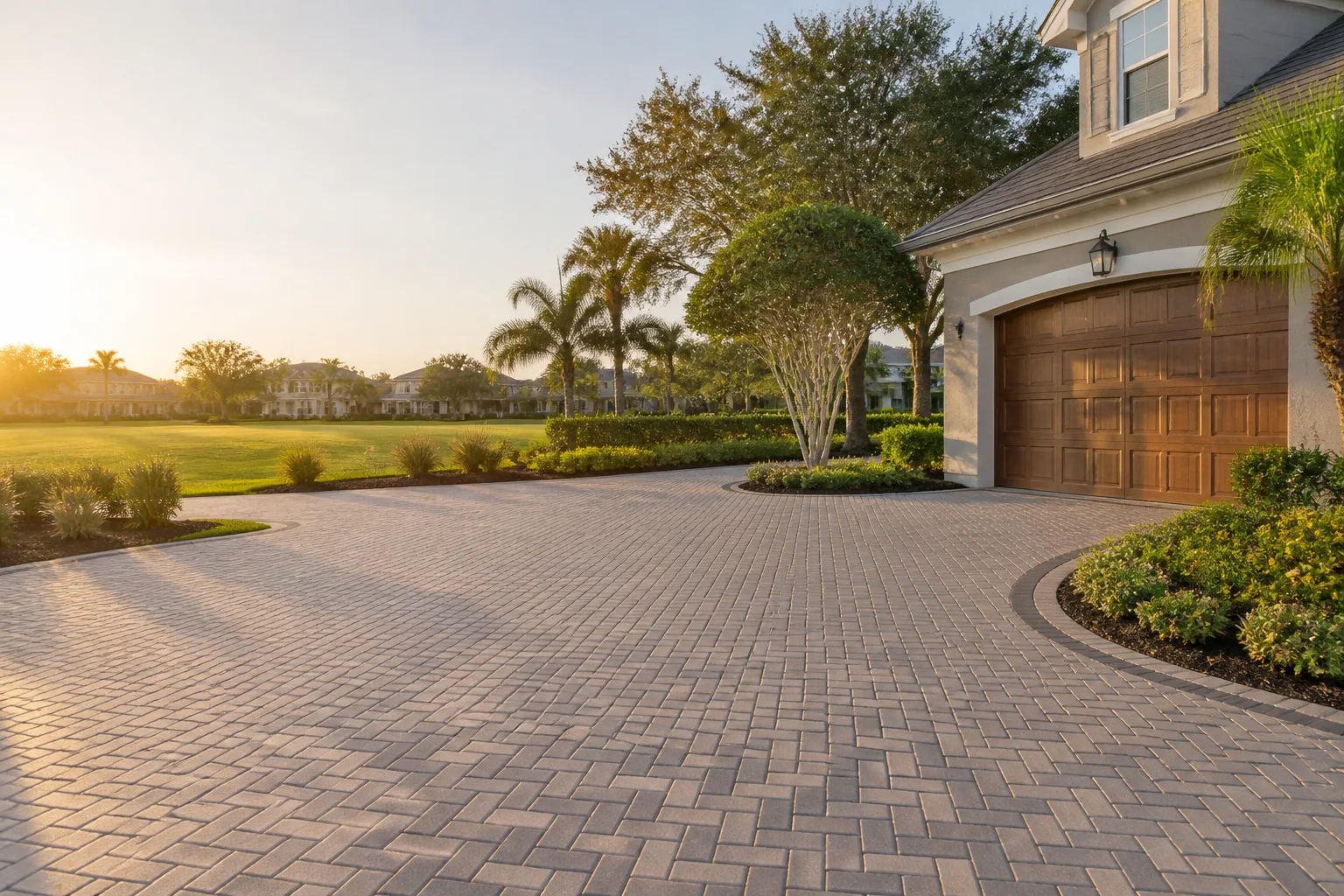
Paver driveways don’t crack as a slab. They fail at the joints, and only if the joint sand is allowed to wash out. A properly installed paver driveway with fall re-sanding holds up well past 25 years here. The trade-off is a higher install cost and a re-sealing cycle every 3 to 5 years.
One local reality to keep in mind: caliche. Both surfaces struggle where caliche sits close to the surface and wasn’t cleared. In the parts of Sunrise Manor built on the flatter desert floor, caliche often shows up within 18 inches of grade. When you see that, base prep and drainage matter more than the surface material.
Cleaning Without Damaging Your Surface
A few minutes of cleaning a couple of times a year will save you hours of scrubbing. Pressure washing is a useful tool. It’s also the fastest way to blow out fresh joint sand and strip sealer if you use it wrong. Here’s a safe order of operations:
- Sweep dry first. Blown dust and desert grit scratch the surface under a pressure washer. Get them off first with a stiff broom.
- Use the widest nozzle you have. A 40° tip at moderate pressure is plenty. Never use a turbo tip on pavers.
- Work at an angle, not straight down. A 30 to 45 degree angle at the joints is safest.
- Skip the bleach on pavers. Bleach degrades polymeric sand and can discolor calcium-based paver faces. Use a pH-neutral paver cleaner instead.
- Re-sand after any pressure wash. Every pressure wash removes some joint sand. Plan the wash for late October or November so you can follow with re-sand the same week.
Save pressure washing for once a year, timed to the fall re-sanding window. In between, use a stiff broom and a garden hose.
Common Mistakes to Avoid
- Re-sanding in summer. Applying polymeric sand in July in Sunrise Manor means the sand skins over before it bonds. Wait until the late October to early December window.
- Treating caliche staining as efflorescence. Efflorescence dusts off with a brush. Caliche holds. Applying an acidic cleaner to caliche staining can etch the paver face and makes the problem worse.
- Ignoring sprinkler overspray. This is the top single cause of joint sand failure on residential pavers here. A $0, 15-minute fix now saves a $600 to $1,200 re-sand later.
- Patting a web crack flat with filler. Spiderweb cracking means the base failed underneath. Patching the surface breaks again the first monsoon.
- Pressure washing right after re-sanding. Give new sand 30 days to cure. Washing the joints the next week just washes the money down the street.
- Skipping the sealer every year. Sealer is not annual. If water still beads when you drop a cup on the surface, it’s still working. Re-seal every 3 to 5 years, not every spring.
- Over-tightening the edge restraints. The border pavers are what hold everything tight. Over-torqueing the restraints pops them loose. Check them by hand and snug, don’t crank.
See the difference
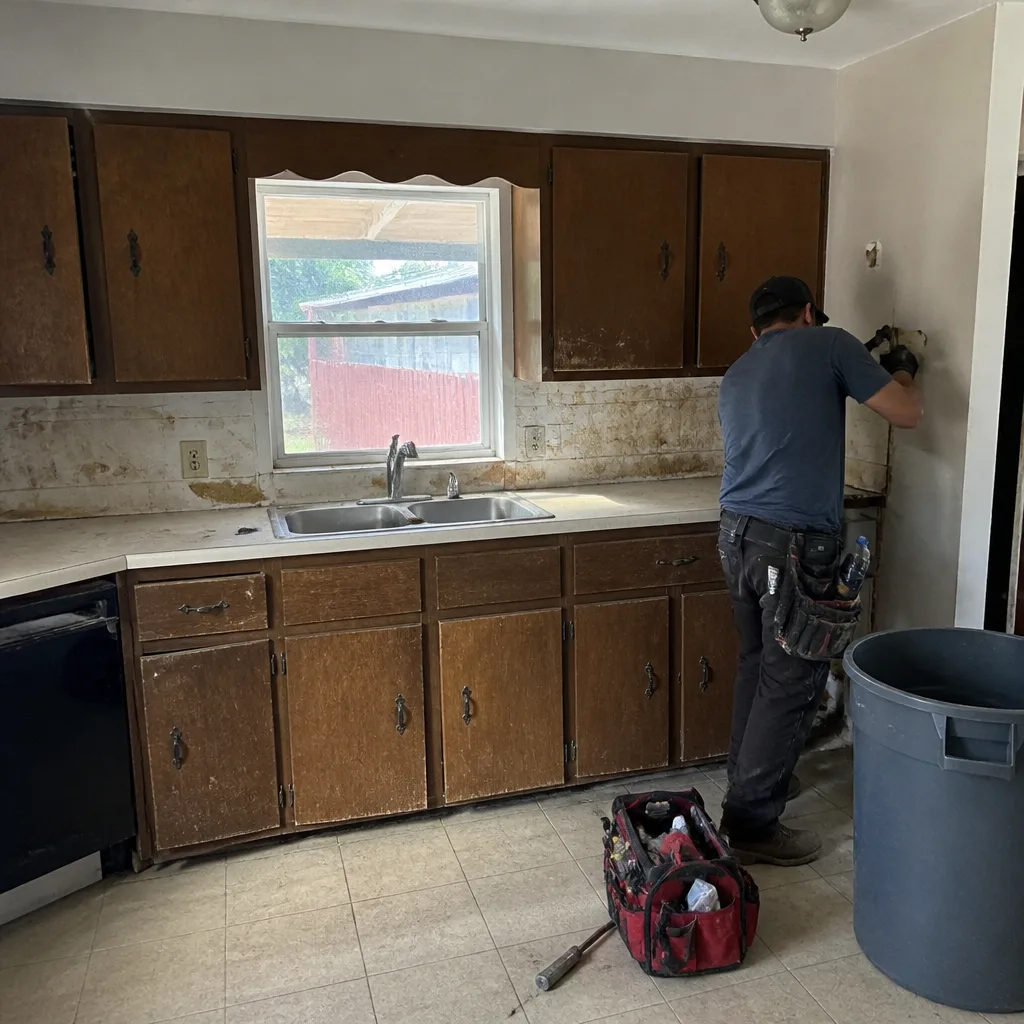 Before
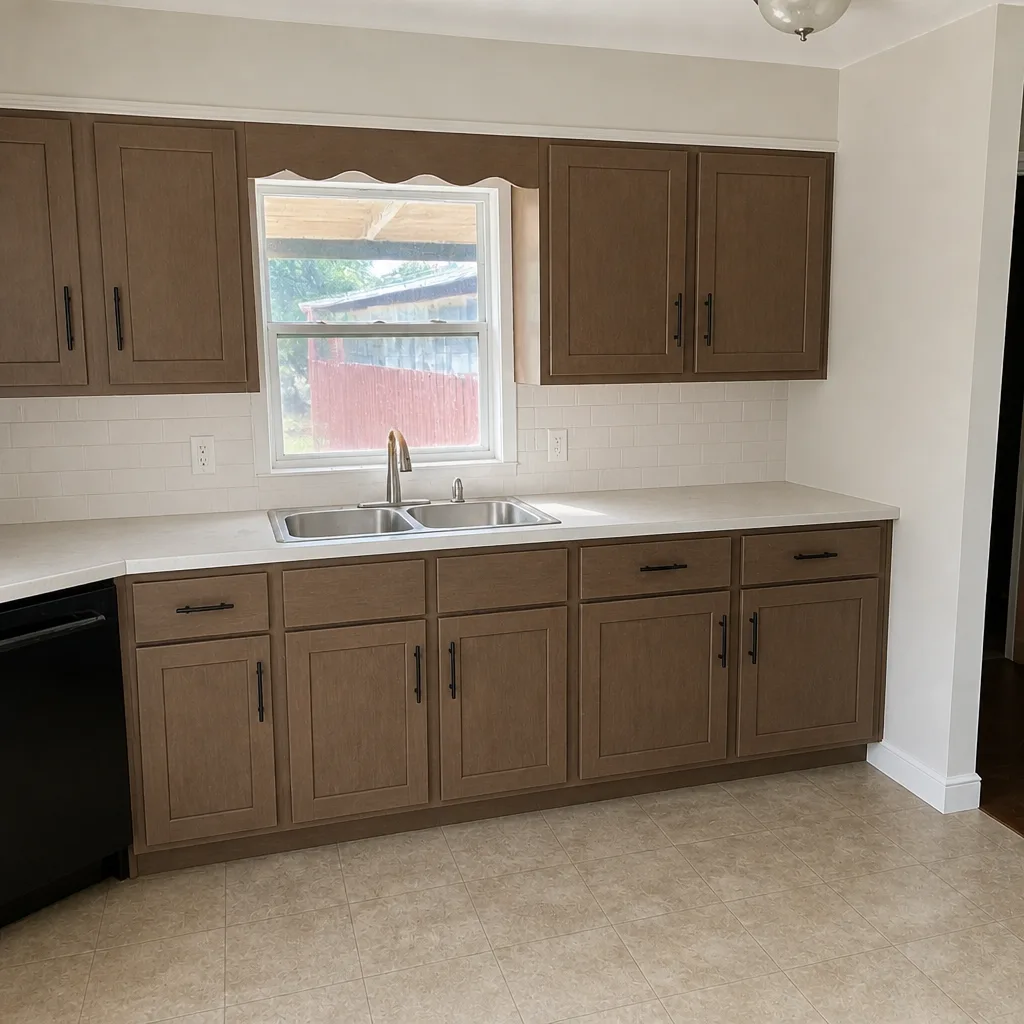 After
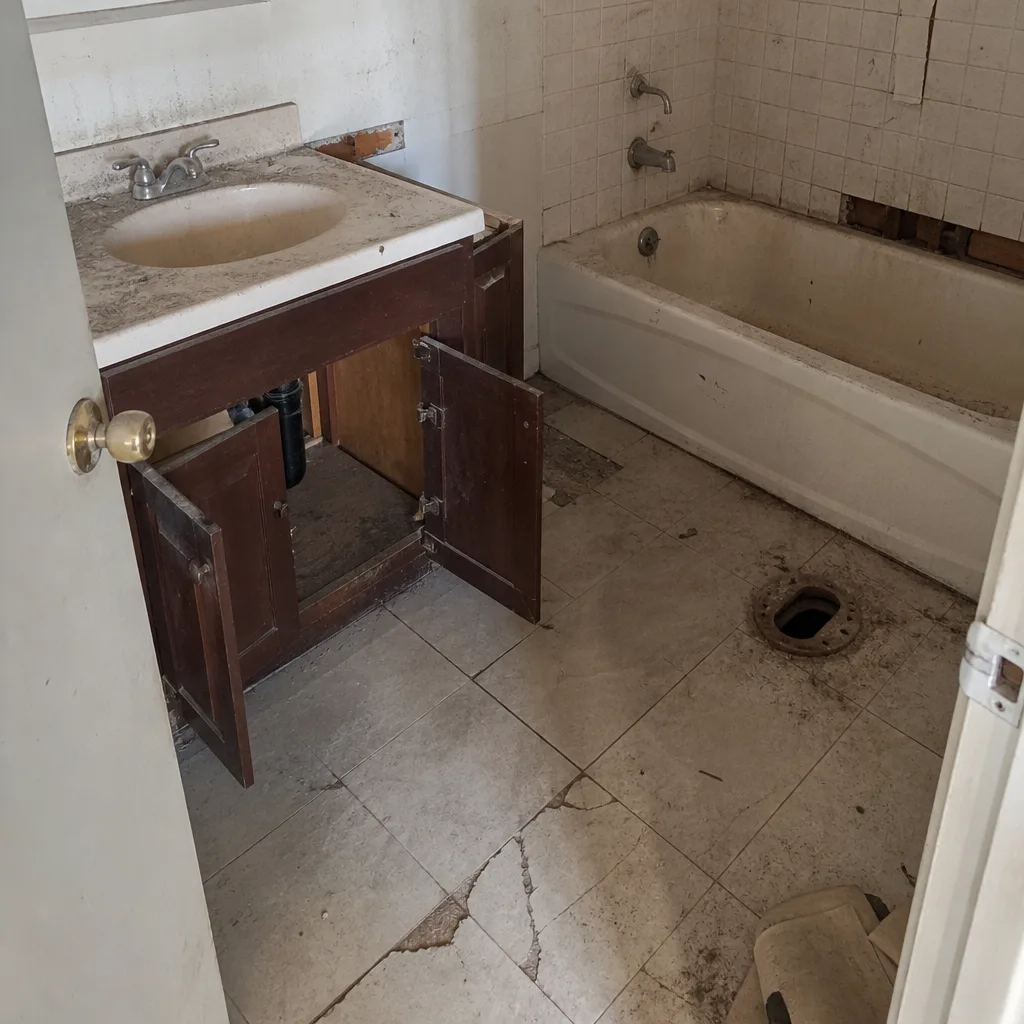 Before
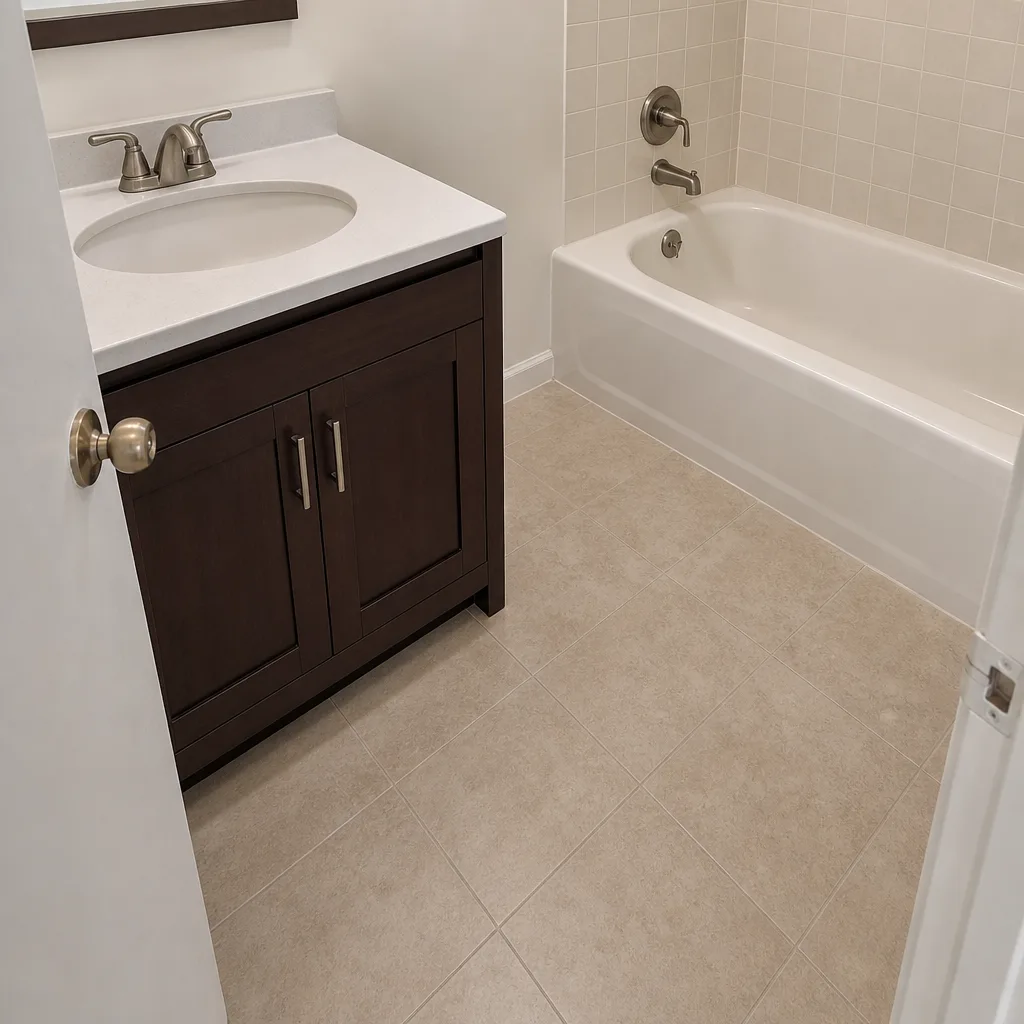 After
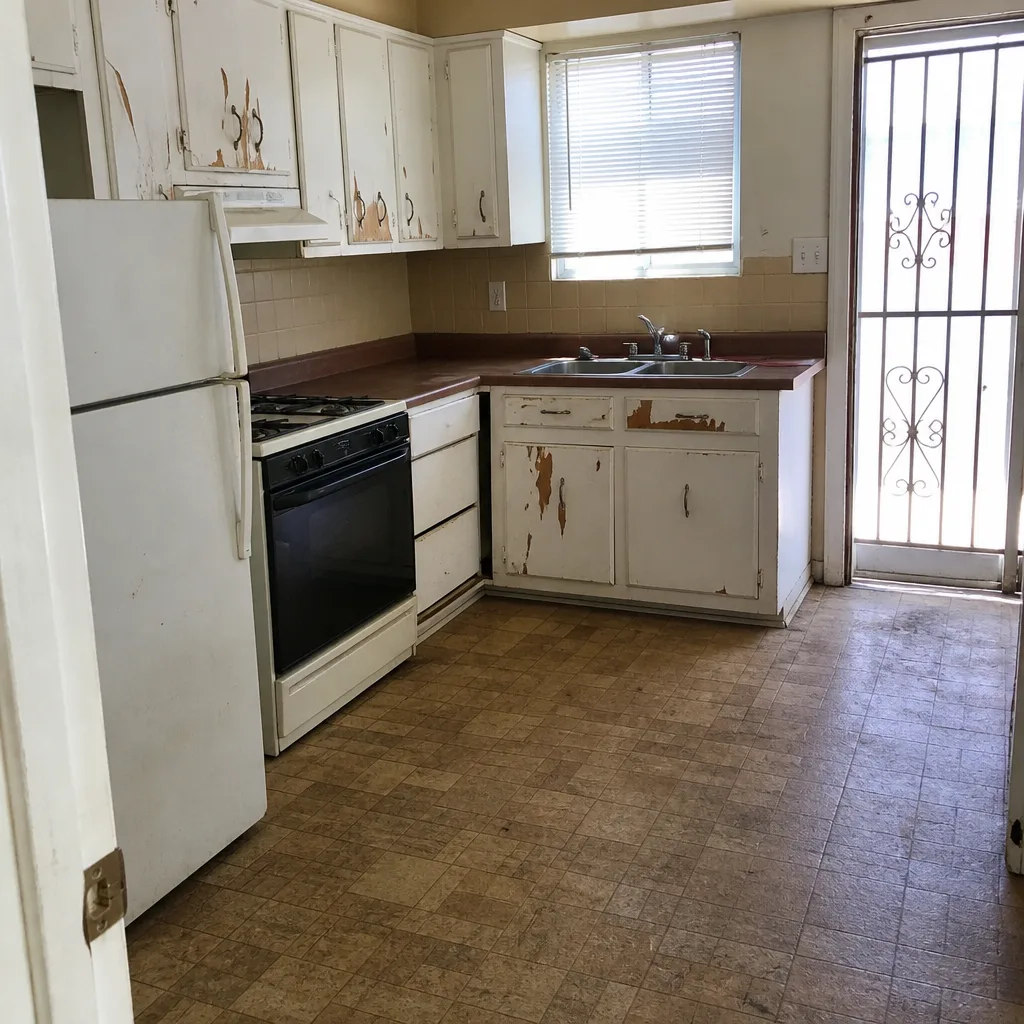 Before
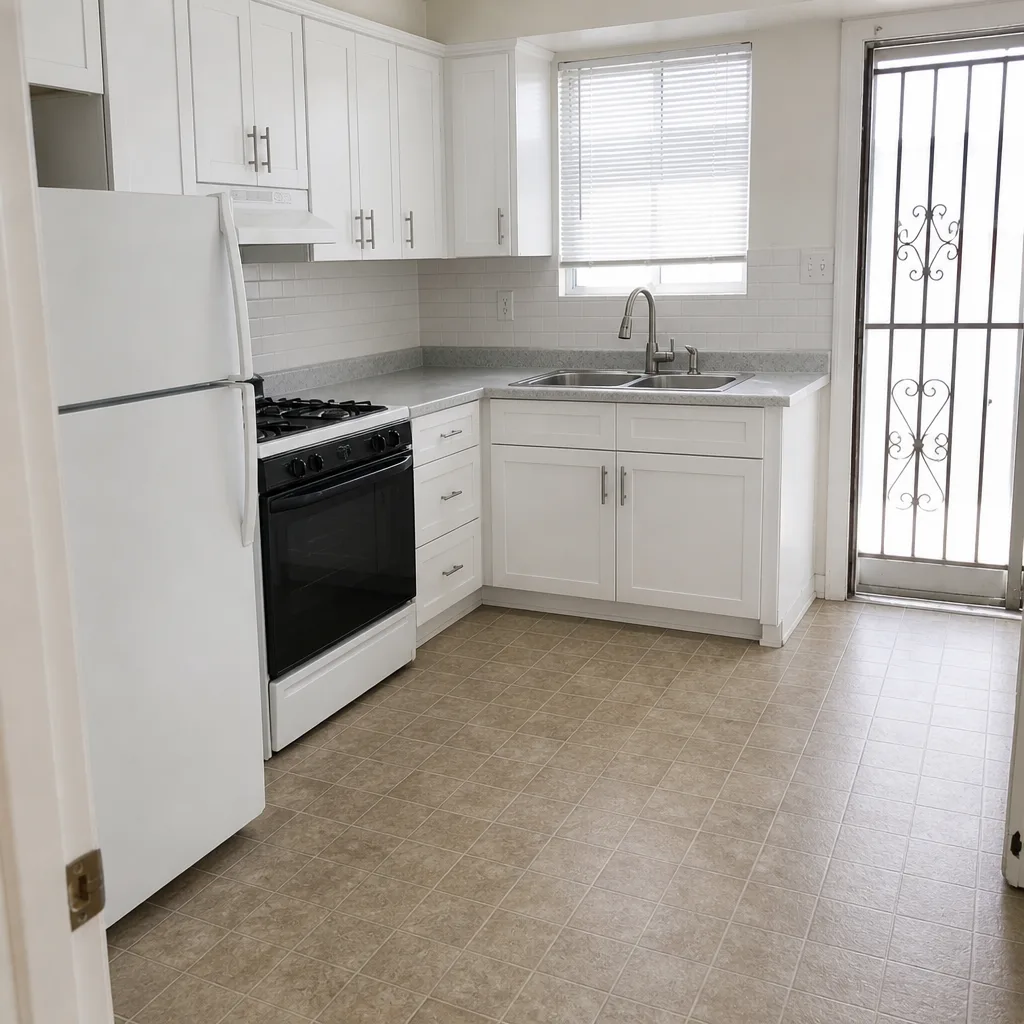 After
When to Call a Professional
Most of this checklist is a homeowner afternoon. A few situations need a trained crew and, often, a permit. Call us if you’re seeing any of these:
- Diagonal cracks with vertical displacement, or spiderweb cracking that keeps returning after patching
- Pavers that rock or sink when you walk on them across more than a few square feet
- Caliche staining that keeps coming back after cleaning, signaling a drainage problem under the base
- A full driveway replacement or a base prep job over caliche
- Any paver work that needs to tie into an addition, garage slab, or new fence line
Barrett & Sons Construction Sunrise Manor offers free estimates in Sunrise Manor. We’ve been doing this since 1998, our crew members have up to 28 years of experience, and every scope and price change shows up in writing before work starts. Call (844) 312-0069 – a live person answers day or night. You can also start with our Barrett & Sons Construction Sunrise Manor home page to see the full range of work we handle.
Frequently Asked Questions
Every 2 to 4 years, done in the late October through early December window. Polymeric sand in the Mojave climate degrades faster than it does in wetter parts of the country because of UV exposure and our hard water, but a properly applied fall re-sand holds through the following summer. If you see your joint sand level drop below the paver chamfer, that’s your cue to schedule it. Call (844) 312-0069 for an exact quote – estimates are free.
Yes. Surface temperatures on pavers can hit 150°F or higher on a July afternoon, which is hot enough to be uncomfortable on bare feet and to damage a dog’s paws. Light-colored paver options (tan, cream, gray blends) stay noticeably cooler than dark charcoals or reds. This is one of the reasons we stock Belgard and Techo-Bloc light tones for Sunrise Manor installs. Call us if you’re considering a full replacement and want to talk color options.
Almost certainly, but not all cracks matter. Concrete here typically develops hairline control-joint cracks within a few years, and those are normal. What isn’t normal is diagonal cracking with one side higher than the other, or spiderweb patterns – those point to a base problem, not a surface problem. If you’re seeing either, get an estimate on the base before you patch. Call (844) 312-0069 for a free look.
Pour water on it and wait 2 hours. Efflorescence disappears temporarily and then re-blooms; caliche doesn’t change. Rubbing efflorescence with a stiff brush lightens it easily; caliche resists. Treating caliche as efflorescence with an acidic cleaner can etch the paver surface, so it’s worth getting the diagnosis right. For a professional eye, call (844) 312-0069 – estimates are free.
Yes, if your driveway is under about 800 square feet and your joints and drainage are in good shape. It’s a weekend project. Above that size, or if you have any base-failure cracking, hire it out. The installation cost of a bad DIY re-seal (stripping, re-cleaning, doing it again) usually exceeds the professional cost of doing it right the first time. Call (844) 312-0069 for a free second opinion on any written estimate you’ve already received.
We do both, and our driveways and pavers crew in Sunrise Manor handles repairs, base re-do, joint re-sand, and full installs. If your driveway tie-in runs into an ADU pad or a home addition, we can handle that scope under one estimate, including pulling the permits. Explore our Home Additions & ADU in Sunrise Manor page if you’re planning something larger. Call (844) 312-0069 for a free estimate.
The Bottom Line
Sunrise Manor driveways fail from compounding small neglect, not one big event. The tasks that matter most are protecting your joints from water, correcting sprinkler overspray, catching cracks before monsoon season, and hitting the late October to early December re-sand window every few years. Do those four things and a well-installed driveway holds up 25 years or more in this heat. Skip them and you’re replacing it in 8 to 10. None of it requires a lot of money. Most of it requires an afternoon in the right season.
If you’re not sure whether what you’re looking at is a patch job or a base-failure situation, we’ll give you an honest read. Barrett & Sons Construction Sunrise Manor has been owner-operated since 1998, all permits pulled and inspections signed on every eligible job, and a written 90-Day Done Right Promise on every completed project. Call (844) 312-0069 for a free estimate. Ask anyone on your street – or look up the license number yourself.
Written by the team at Barrett & Sons Construction Sunrise Manor.