Last updated November 18, 2026






Free written scope consultation - allowances, timeline, and change-order rules on paper before a single trade is scheduled
DIY vs Professional Bathroom Remodeling: What’s Safe to Do Yourself
Painting a bathroom yourself saves real money. Moving a drain two feet yourself can cost you $8,000 in water damage and a failed home inspection. The problem is that most DIY guides don’t tell you which side of that line you’re standing on. They hand you a hammer and a wink, and the next thing you know you’ve got a soft subfloor and a plumbing vent that gurgles every time you flush. This guide draws the honest line for Sunrise Manor homeowners: what you can safely knock out on a weekend, what Clark County requires a licensed trade to touch, and what happens at resale if you skip the permit. We’ve pulled plenty of both kinds of jobs out of the ditch, so we know where things go sideways.
Styles & brands we work with
- Kitchen remodeling
- Bathroom remodeling
- Home additions & ADU
- Roofing
- Windows & doors
- Driveway & pavers
- Fence
Quick Answer
You can safely DIY a bathroom remodel if your work stays cosmetic: paint, hardware swaps, mirror installation, caulk, and swapping a light fixture on an existing circuit. You should hire licensed trades the moment the work requires a permit, moves plumbing or gas, opens the electrical panel, or replaces a shower pan or floor tile over a wood subfloor. In Sunrise Manor, plumbing relocation, new circuits, and shower-pan replacements almost always require a Clark County permit and inspection.
Table of Contents
- The Three Lines That Decide DIY vs. Pro
- Straight Yes/No: What You Can and Can’t Do Yourself
- Nevada Permits and What They Cost You at Resale
- When a DIY Tile Job Becomes a Subfloor Replacement
- Why Mixing DIY Demo With Pro Finish Often Costs More
- What to Ask Before You Hand Off the Rest
- When to Call a Professional
- Frequently Asked Questions
The Three Lines That Decide DIY vs. Pro
Forget the “are you handy” test. It’s not the right question. We’ve met plenty of capable homeowners who could frame a wall, and plenty who shouldn’t touch a torch. The question that actually matters is what the work touches. Three things decide whether the job belongs to you or to a licensed crew:
- Does it require a permit? Anything that moves plumbing supply or drain lines, adds or relocates electrical circuits, or alters structural framing needs a permit in Clark County. A wet permit for plumbing and a separate electrical permit for new circuits, both with inspections signed at the end.
- Does it touch water or electricity? Swapping a faucet is fine. Moving a drain line is not. Replacing a light fixture on an existing circuit is fine. Adding a GFCI outlet behind a vanity is not, because it means opening the panel.
- Does it live behind a wall? A mistake under the sink you’ll see the same week. A mistake inside a wall, under a tile, or behind a shower pan won’t surface until the damage is expensive. That’s the whole reason permits exist.
If you answer “yes” to any of those three, the job isn’t about handing. It’s about liability, resale, and the chance you’ll pay twice. The permit inspector works for you, not for us – that’s why we like him.
Straight Yes/No: What You Can and Can’t Do Yourself
Here’s the straight answer, organized as ask it. If a task isn’t listed, ask: does it touch water, electricity, a permit, or a hidden cavity? If it does, it’s on the “no” side.
Safe DIY in Sunrise Manor
- Painting walls, ceilings, and trim, including prep and two coats.
- Swapping cabinet hardware, towel bars, toilet-paper holders, and shower-curtain rods.
- Installing a framed or surface-mount mirror on drywall (with proper anchors).
- Replacing a toilet seat, flapper, supply line, or showerhead.
- Re-caulking the tub and shower corners with 100% silicone.
- Replacing a vanity light or exhaust fan on an existing circuit.
- Replacing a shower curtain, liner, or glass door with matching hardware.
- Regrouting existing tile joints if the tile and substrate are sound.
Requires a Licensed Trade
- Any plumbing relocation: moving a drain, relocating the toilet flange, adding a second sink supply line.
- Any electrical panel work, new GFCI, or adding a dedicated circuit.
- Replacing a shower pan, tub-to-shower conversion, or re-tiling a wet area from the substrate up.
- Replacing or repairing the subfloor.
- Gas line work, if your bathroom has a gas fixture.
- Structural changes: removing a wall, widening a doorway, moving a load-bearing header.
- Any work requiring a permit from Clark County. And in Sunrise Manor, that’s most of the “big” jobs.
If your list leans heavily to the second column and you’re pricing the whole room, that’s when it makes sense to talk to Barrett & Sons Construction Sunrise Manor about the home and get a real scope in writing before you start demo.
Nevada Permits and What They Cost You at Resale
Here’s the part nobody wants to say out loud. Unpermitted work doesn’t disappear. It sits there quietly until a buyer’s inspector finds it. In the Sunrise Manor resale market, an unpermitted bathroom is one of the first things that gets flagged, and it can cost you the sale or a hard discount at the negotiating table.
Clark County requires a permit for the following in a bathroom:
- Any new or relocated plumbing drain or supply line.
- Any new electrical circuit, GFCI, or relocated fixture that touches the panel.
- Any structural change.
- Shower-pan replacement, because it’s a wet-area alteration.
- Tub-to-shower conversions.
Small cosmetic work – paint, hardware, swapping a fixture on an existing circuit, re-caulking – generally doesn’t need a permit. A permit isn’t a tax on you. It’s a record that the work was inspected. When you sell, that inspection paper is the difference between “this is done” and “we hope it’s done.”
We’ve seen more than one Sunrise Manor homeowner discover that the previous owner’s “recently updated bathroom” was a wet-area tile cover-up with no permit behind it. The fix ate a five-figure number off the sale. The permit inspector works for you – not the contractor who skipped it.
When a DIY Tile Job Becomes a Subfloor Replacement
Tiling a bathroom floor sounds like a weekend job. Sometimes it is. Sometimes the first tap of the chisel opens a hole where the subfloor used to be. You won’t know until you start, and there’s one honest way to find out before you buy mortar.
Spot the damage before you start
- Press along grout lines with your fingers or a screwdriver handle. Any spongy give means the substrate has already let go. Stop and pull the tile; don’t tile over a soft floor.
- Look for a cracked, hollow, or moving tile. One cracked tile usually means the whole sheet under it has been moving for a while.
- Check the caulk line where floor tile meets the tub or shower. Dark staining, soft caulk, or a smell means repeated moisture, likely from a failed shower pan or a taped drain flange.
- Pull the baseboard at the base of the shower. If the drywall behind it feels soft or has white crusty staining, the moisture has already gone through.
- Look at the ceiling below the bathroom. Any ring, stain, or soft spot from a Sunrise Manor bathroom above means a leak the homeowner was living with long enough to paint over.
If any of those turn up, you’re not in a tile job anymore. You’re in a subfloor replacement – and usually a shower-pan rebuild on top of it. That’s a tear-out with more money in it than most people plan for, and it needs to be done before tile goes down. This is exactly the point where a “DIY tile job” becomes a call for a professional scope. It’s also the point where we see homeowners on the hook for a second project they didn’t budget for.
Why Mixing DIY Demo With Pro Finish Often Costs More
Here’s a pattern we see in Sunrise Manor again and again. A homeowner does the demo, calls a pro for the plumbing and tile, and the final bill ends up higher than a full scope would have been. There are three reasons.
Reason 1: Sequencing problems
Plumbing rough-in has to happen before the shower pan. The shower pan has to happen before the tile. The tile has to happen before the trim and the mirror. If your DIY work isn’t scheduled in that order, the licensed trades end up waiting on you or working around half-done pieces. Every trip back to a job is billable, and somebody pays for it. Usually you do.
Reason 2: Liability gaps
The moment you touch the plumbing or demo the shower to the studs, the contractor who comes in after you has to warranty work against work they didn’t do. That’s a risk most crews price into the bid, or won’t touch. Barrett & Sons does, but it changes the number.
Reason 3: The cosmetic dollars don’t stack up
Most of the money you think you save on demo is offset by the change orders that show up once the walls are open. “The subfloor’s shot, that changes the number.” “The valve is seized, that changes the number.” Those are honest findings, but they’re also why doing the demo yourself rarely saves what you think it does.
The honest math: DIY your own paint and hardware. Let one crew handle everything plumbing-adjacent and tile-from-substrate. You’ll pay less total, in most cases, than if you split the job in half and try to make it meet in the middle.
What to Ask Before You Hand Off the Rest
If you’re going to do your own paint and hardware and hire out the rest, ask these five questions before you sign anything. They separate a professional scope from a handshake that costs you later.
- “What’s in the scope in writing, and what’s out?” Get the line items: demo, plumbing rough-in, tile setting, finish carpentry, paint. If it’s not on paper, don’t assume it’s covered.
- “Will you pull the permits and schedule inspections, or am I pulling them?” Either answer can be fine. The wrong answer is “we don’t bother with permits.”
- “How do you handle changes once work starts?” A good answer involves a written change order before work moves. An allowance that isn’t on paper is a surprise waiting for a date.
- “What’s the warranty, in writing?” Ours is in writing on every job: the 90-Day Done Right Promise. If a fix is needed, one call brings Tom back.
- “Can I see a written estimate with brands and model numbers?” If the answer is a rounded “$18,000, roughly,” ask again. You should know what tile, what valve, and what paint, not just the number.
Whether you’re planning a bathroom refresh or a larger renovation that touches adjoining rooms, the same rules apply to additions – the permit, the sequencing, and the written scope are what protect you. If a bigger scope is on the table, see how Home Additions & ADU in Sunrise Manor handles permits and written scope from day one.
If your bathroom refresh spills out to a new driveway approach after the project, that’s a separate job with its own permit; we cover the details in our guide to Driveway & Pavers in Sunrise Manor. And if your backyard is going to get more use after the remodel, our page on Fence Installation in Sunrise Manor shows the same written-scope approach for exterior work – including the Barrette, Master Halco, and Ameristar lines we install.
Common Mistakes to Avoid
- Pulling the shower pan “just to see.” Once the pan is out, the bathroom is offline until it goes back in sealed. If you’re not prepared to complete the pan rebuild, don’t open it. Sunrise Manor’s hard-water scale buildup makes it tempting; don’t.
- Tiling over a soft subfloor. It looks fine for a month. Then the grout cracks and the tile pops. Then you’re pulling fresh tile to replace the board you should have replaced first.
- Skipping the permit because “the last guy didn’t bother.” That’s exactly the sentence that pops up in a resale inspection. And no, the buyer’s inspector won’t accept “the last contractor said it was optional.”
- Opening the electrical panel to swap a vanity light. We’ve seen the “it’s just one wire” swap cost a homeowner more than a full electrical permit and a new panel would have. Open the panel, call a licensed electrician.
- Mixing DIY demo with professional finish – then refusing to coordinate. Demo creates dust, drywall debris, and hidden finds. The licensed crew has to see all of it before pricing. If your plumber and your painter aren’t talking, you’re the general contractor, and that’s a job.
- Buying the tile before the layout. A full tile job is a plan: pattern, grout line, edge trim, and drainage slope all have to line up. Purchasing tile before that plan exists usually means returns and extras.
- Not asking for the estimate in writing. A phone number on a napkin isn’t an estimate. Every scope, every allowance, every price change should be on paper before work moves. That’s the difference between finishing a bathroom and funding a second one.
When to Call a Professional
Call a professional the moment your bathroom project crosses any of these lines:
- The work needs a permit.
- You’re relocating plumbing or adding wiring.
- Your subfloor, shower pan, or wet-area tile need replacement.
- You’re pulling the tub or replacing the shower.
- You’re opening a wall to move a door or remove a header.
- Your project touches gas.
- You want a real written estimate before you commit.
Barrett & Sons Construction Sunrise Manor offers free estimates in Sunrise Manor – call (844) 312-0069. Every eligible job we take on has permits pulled and inspections signed, every change order is written before the work moves, and every job is covered by the 90-Day Done Right Promise. Our technicians have up to 28 years of experience across plumbing and finish work. And if you’ve already done the paint and hardware and just want a scope for the rest, we’ll price that part cleanly, without padding for the pieces you’ve already finished.
Frequently Asked Questions
Nevada allows a homeowner to perform some plumbing work on their own primary residence without a contractor’s license, but Clark County still requires a permit and inspection for any new or relocated drain or supply line in a bathroom. If you’re moving fixtures or adding a shower, get the permit. If you’re just swapping a faucet or supply line, you don’t need one. Call us at (844) 312-0069 for a free second opinion on the scope before you start.
An unpermitted bathroom will typically be flagged by the buyer’s inspector, and it can show up on the county record as no-permit-no-inspection. That usually means either a discount at the negotiating table, a demand to retroactively permit and inspect at your cost, or a lost sale. In our experience, the cost to permit the work initially is almost always less than the cost to fix it during a sale. Call (844) 312-0069 for a free estimate before you commit to the work.
Usually not by much, and sometimes it’s more expensive because of sequencing, liability gaps, and change orders once the walls open. Demo often reveals plumbing or subfloor issues that were invisible on the outside, and the trades you hire to work after your demo have to price their warranty around work they didn’t see. In practice, most of the money homeowners think they save on demo is offset by the second set of trips. Call (844) 312-0069 for a clean written estimate before you swing a hammer.
It varies a lot based on scope, but most full bathroom remodels in Sunrise Manor land in the mid-five-figures for a complete tear-out to the studs, and less for a cosmetic refresh. Cosmetic-only work – paint, hardware, mirror, caulk – typically stays in the low four figures if you DIY. We can’t quote a number over the phone and we shouldn’t. Every scope, every allowance, and every price change is in writing before we start. Call (844) 312-0069 for a free in-home estimate.
If the caulk is soft, dark, or constantly pulling away from the wall after re-caulking, or if the ceiling below shows any stain, the pan has likely failed and needs replacement, not another tube of silicone. Re-caulking is a week fix at best. Replacing the pan is the real fix. In our experience, most “just re-caulk” jobs in Sunrise Manor turn into pan replacements within six months, so check the ceiling below first. Call (844) 312-0069 for a free estimate on the pan.
Yes. On every eligible job, we pull the permits and schedule the inspections ourselves. The permit inspector works for you, not for the contractor, so the inspection is a paper trail on your side when it comes time to sell. It’s also why we don’t start work until the scope, the allowance, and the schedule are in writing. Call (844) 312-0069 for a free estimate and we’ll walk you through the permit scope for your bathroom.
The Bottom Line
You can save real money on a bathroom remodel in Sunrise Manor by doing the parts that stay on the surface: paint, hardware, mirror, caulk, and swapping a fixture on an existing circuit. Hire out the moment the work needs a permit, touches plumbing or electricity, or lives behind a wall where a mistake won’t surface until it has eaten through your subfloor. The permit isn’t a formality; it’s a receipt for the work that protects you at resale. If you want an honest written scope with the DIY parts left in your hands and the licensed parts costed out cleanly, we’re happy to do that. Call (844) 312-0069 for a free estimate – we’ll walk the room, tell you which side of the line each piece is on, and put the whole thing on paper.
Written by the team at Barrett & Sons Construction Sunrise Manor.
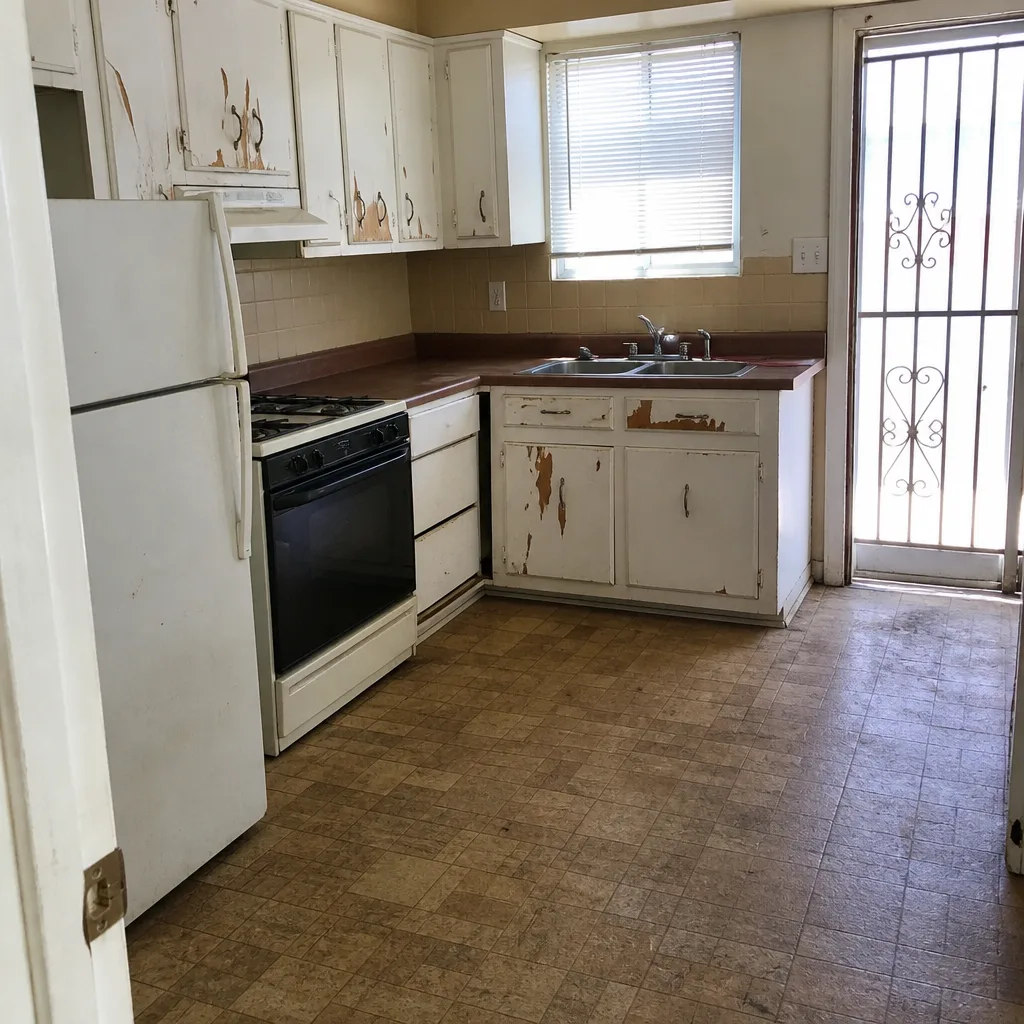
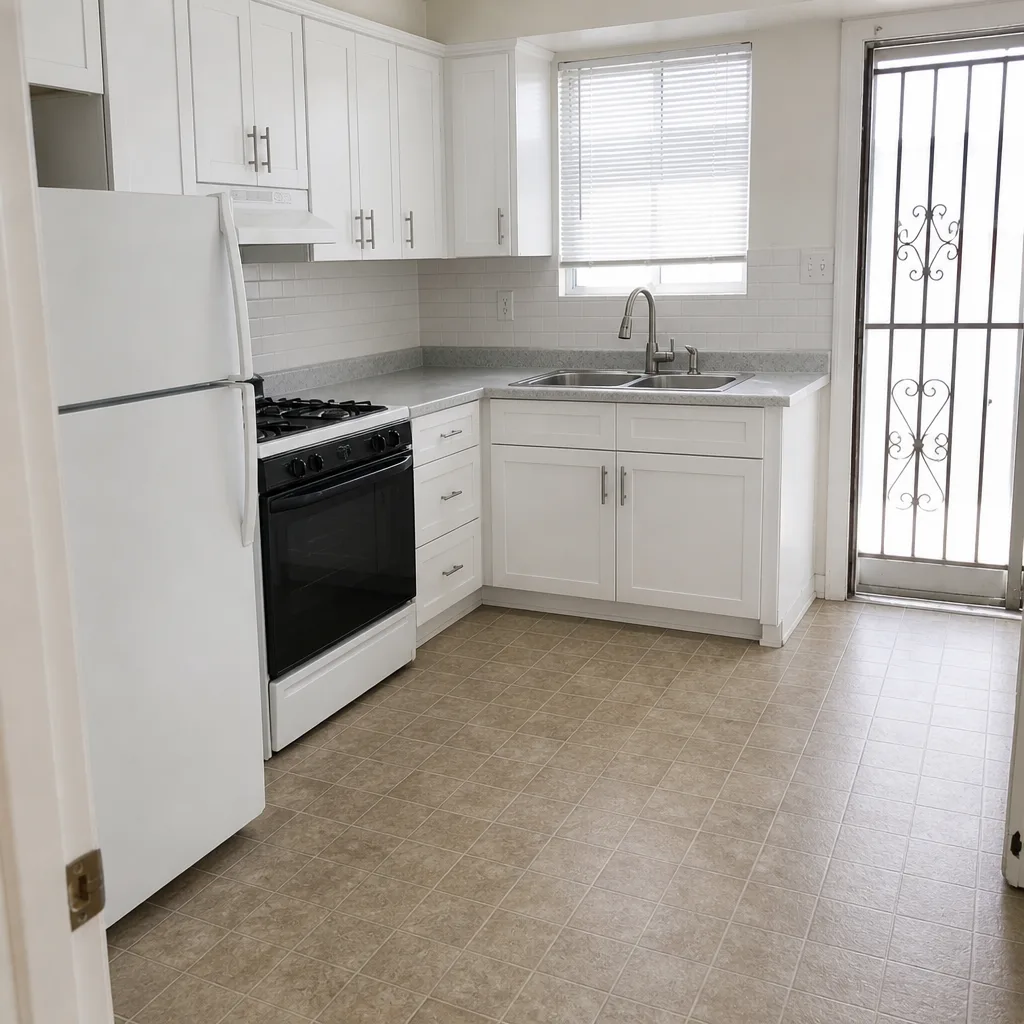
See the difference
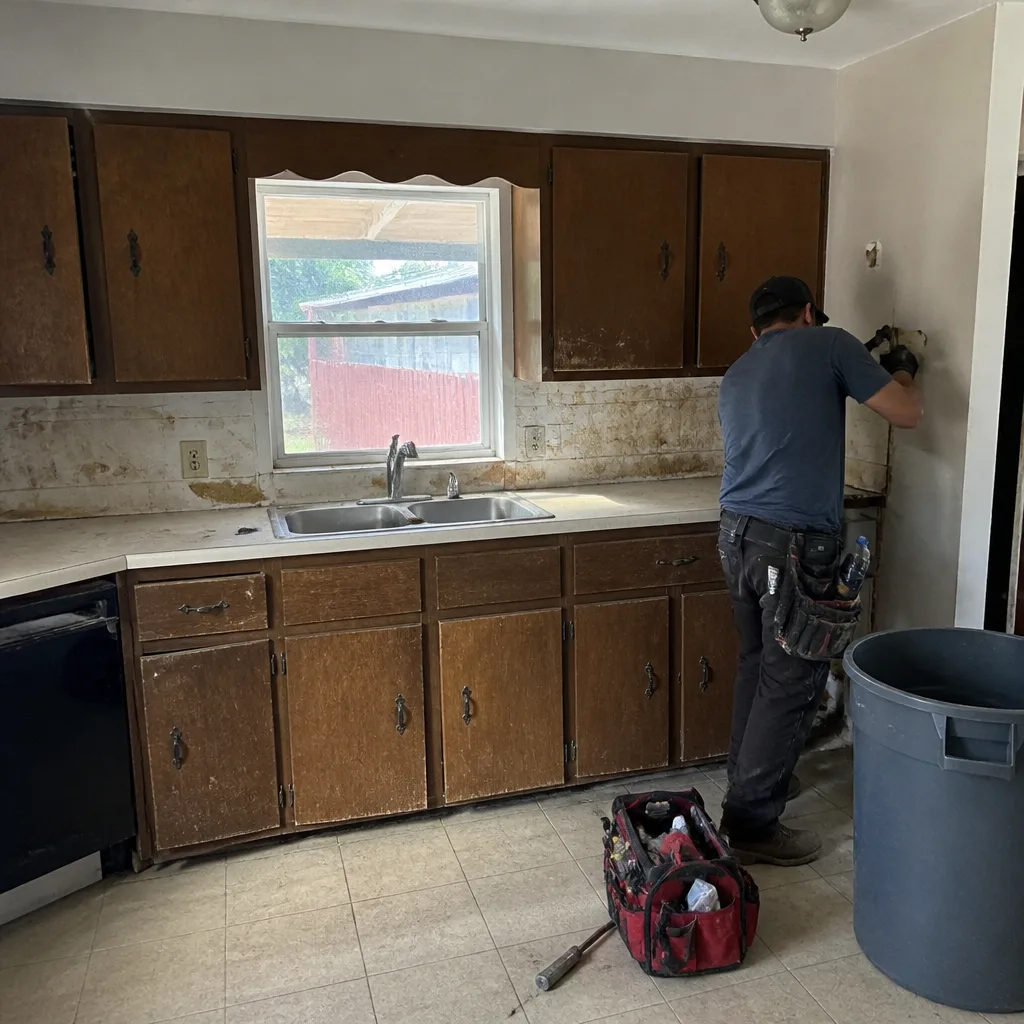 Before
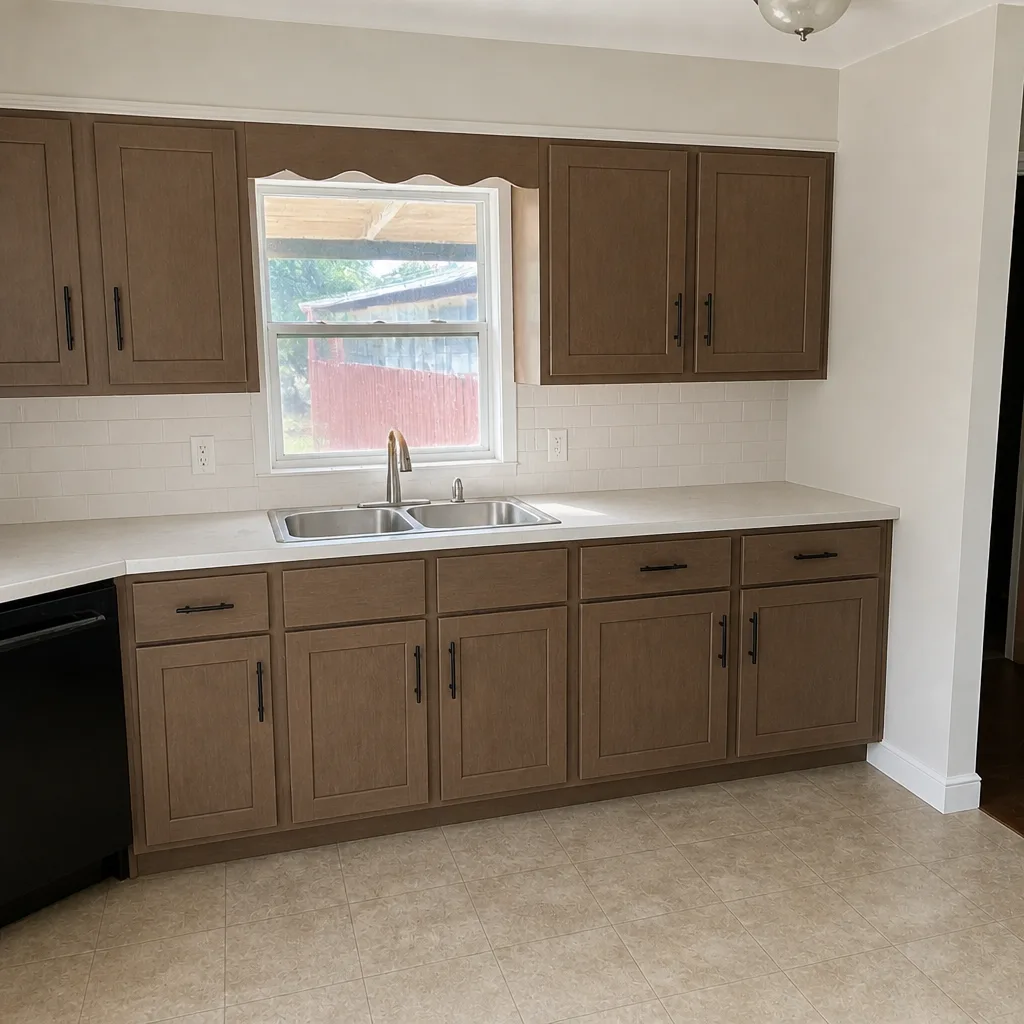 After
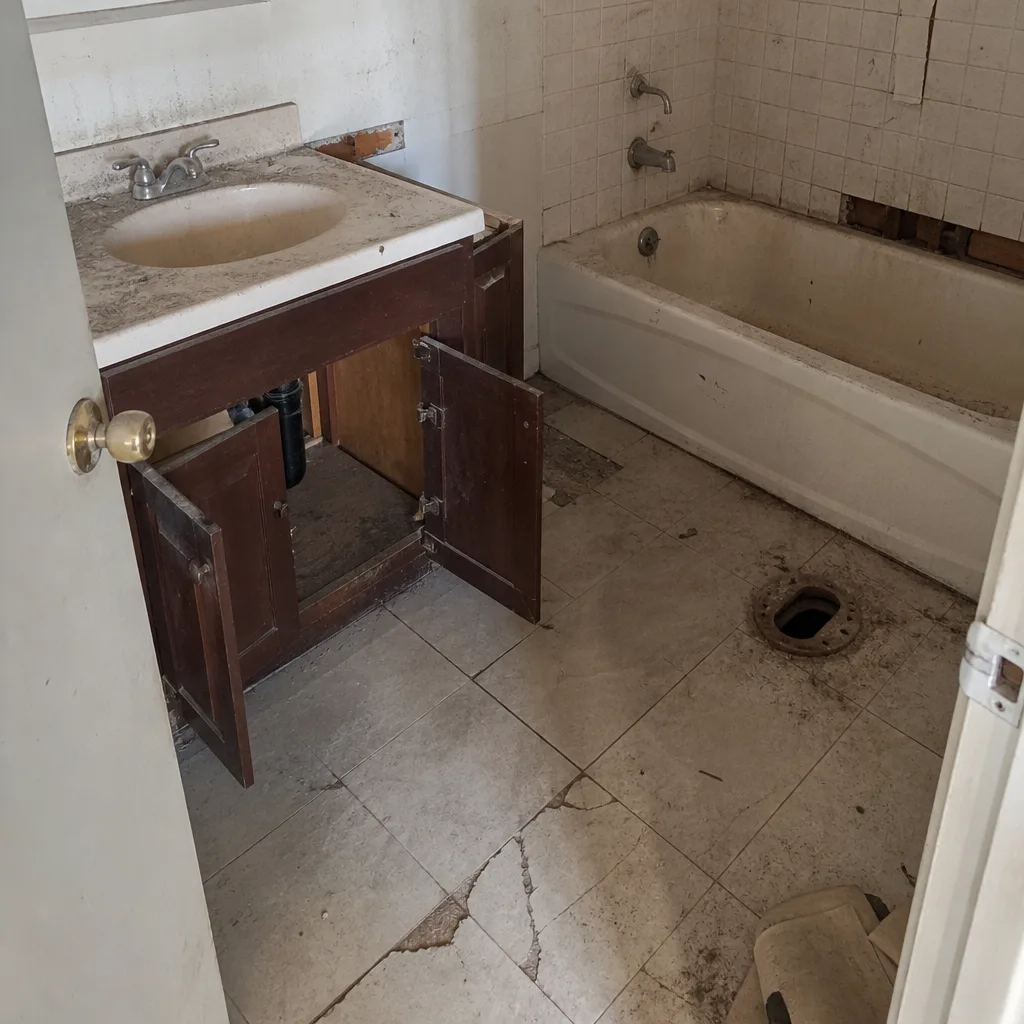 Before
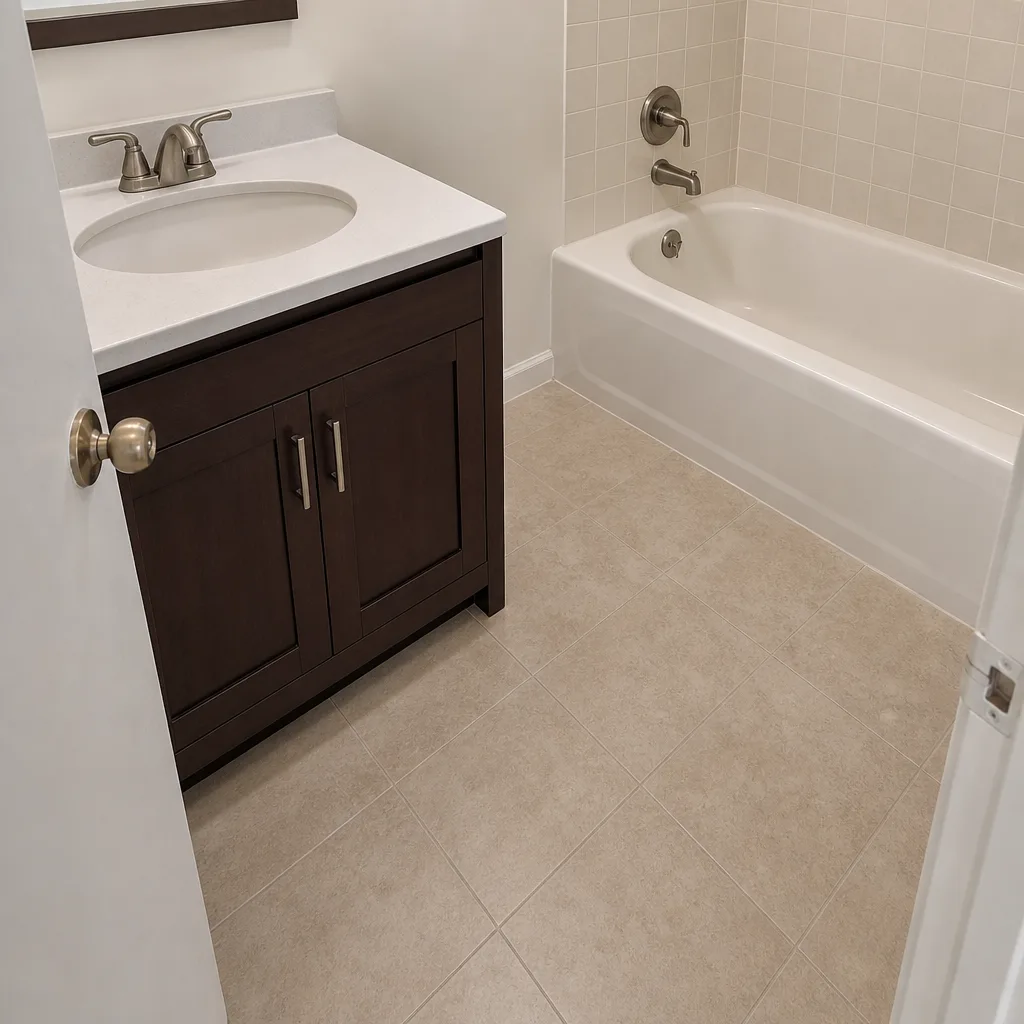 After
 Before
 After