Last updated November 18, 2026






Free written scope consultation - allowances, timeline, and change-order rules on paper before a single trade is scheduled
Fence Installation Maintenance Schedule: What to Do and When
The worst thing you can do to a wood fence in Sunrise Manor is seal it in August. The best time is late September, after monsoon moisture has fully dried out of the wood but before winter winds dry it past the point where stain penetrates. That single timing rule separates a fence that lasts twenty years from one that starts cupping in five. If you’ve been told to “stain every spring,” you’ve been given advice written for a wetter, cooler climate. This guide lays out a maintenance calendar built for the desert cycle you actually live in – the one where six weeks of humidity slams into nine months of single-digit moisture content.
Quick Answer
A wood fence in Sunrise Manor should be inspected twice a year, in March and again in late September, and re-sealed every 18 to 24 months if you use a penetrating oil stain, or every 3 to 4 years with a film-forming stain. Vinyl fences need a pressure-wash and a light wash with mild soap once a year, and wrought iron needs a rust inspection and touch-up repaint every 12 to 18 months. The critical rule: never seal wood in summer heat and never seal it while it still holds monsoon moisture.
Styles & brands we work with
- Kitchen remodeling
- Bathroom remodeling
- Home additions & ADU
- Roofing
- Windows & doors
- Driveway & pavers
- Fence
Table of Contents
- Why Sunrise Manor Fences Age Differently
- Spring Inspection Checklist (Before Summer
- Post-Monsoon Checklist (September into October)
- Material-Specific Timelines: Wood, Vinyl, Wrought Iron, and Stone
- How to Spot Early Wood Rot at the Post Base
- Record-Keeping for Warranty and Long-Term Tracking
- Common Mistakes to Avoid
- When to Call a Professional
Why Sunrise Manor Fences Age Differently
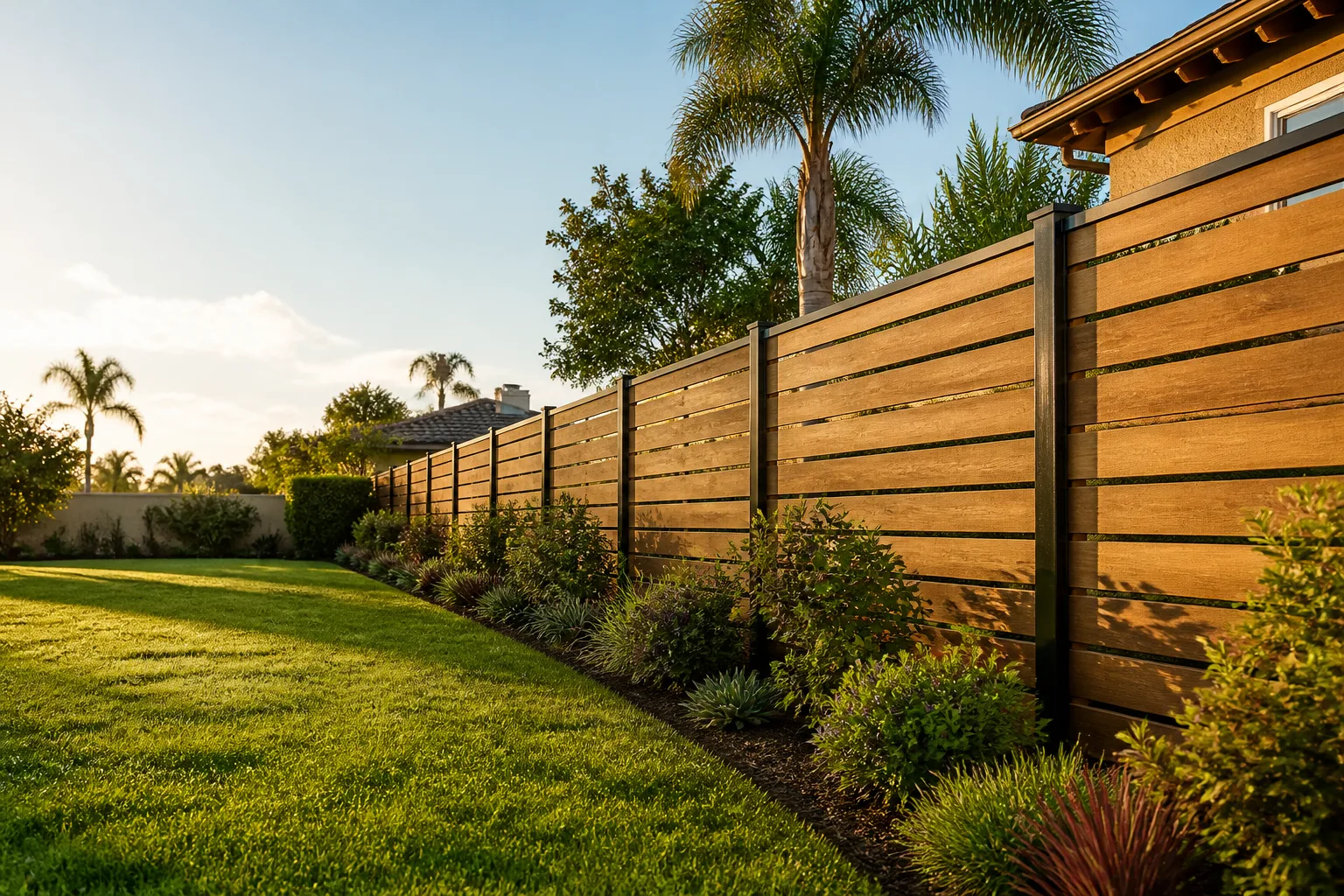
Most national fence-maintenance guides are written for a climate that gets steady rain spread across the year. Sunrise Manor doesn’t do steady. We get a monsoon season that dumps moisture into fence wood over a few weeks, then near-zero rainfall and single-digit humidity for months. That swing is what kills fences here – the wood swells during the wet stretch, then dries hard and shrinks, and that expansion and contraction cycle cracks the finish and opens checks along the grain.
What most people don’t realize: a wood post doesn’t rot from the top down. It rots at the base, where moisture wicks up from soil that stays damp for weeks after the last monsoon storm. In Sunrise Manor, we see this pattern most often on fences in the older neighborhoods east of Nellis Boulevard, where irrigation runoff and soil composition trap moisture at the post base longer than out in the newer parcels near Frenchman Mountain.
The good news is that this is predictable. Every cycle has a maintenance window, and if you hit those windows, you stop the damage before it starts. That’s the whole point of a schedule you can actually follow.
Spring Inspection Checklist (Before Summer)
The March-through-April window is your last chance to catch problems before summer. Once the temperature pushes past 100, you’re not going to want to be out in the yard with a screwdriver, and more importantly, any moisture damage that’s already started accelerates. Here’s what we check on a spring inspection:
- Post movement test. Grab each post at waist height and push hard in four directions. A post that moves more than a quarter inch is set in soil that has lost its grip, and it’s only going to get worse. Mark it and schedule a fix.
- Fastener rust assessment. Look at every nail and screw head. Surface rust on a few is normal. Orange crusty rust with white streaking means the zinc coating is gone and the fastener is losing strength. On wood fences in Sunrise Manor, we see this most on the shaded north-facing runs where the wood holds moisture longer.
- Gate hardware lubrication. Hit hinges, latches, and the gate drop-rod with a light lubricant. A gate that binds in March will bind worse and eventually sag when the heat cooks the wood.
- Board cupping and gap check. Run your hand across the boards. Cupping you can feel, splitting you can see, and gaps wider than a pencil are weak spots for wind.
- Finish condition. Sprinkle a few drops of water on a board. If it beads, the finish is intact. If it soaks in within a few seconds, that section is unprotected and heading for trouble.
Mark everything with a flag or a piece of tape and photograph it before you start repairs. You’ll thank yourself when you’re making the list.
Post-Monsoon Checklist (September into October)

This is the season most people get wrong. The instinct is to seal the fence the moment the rains stop, but that’s a mistake. Wood absorbs monsoon moisture deep into the grain, and sealing over that moisture traps it – leading to rot from the inside out, peeling finish, and warped boards by next spring. Late September into October is the sweet spot: the wood has dried to a moisture content it can accept stain, but the weather hasn’t yet dried it past the point where stain penetrates.
Here’s the post-monsoon walk-through:
- Post base water intrusion check. Look at every post where it meets the ground. Probe the base with a screwdriver or an awl. If it sinks in easily with dark wood coming off on the tip, you have early rot. Note the location and depth.
- Re-tighten hardware. Monsoon swings loosen nails and screws. A quick pass with the driver takes twenty minutes and prevents a season of rattling.
- Stain condition assessment. Walk the fence and look for dull patches, chalking, or areas where water stopped beading. Those sections need attention before winter.
- Clean before you seal. Pressure-wash (low pressure on wood – under 1,500 PSI) or scrub with a fence cleaner. Let it fully dry for at least 72 hours before any stain goes down.
- Check gate swing and alignment. Wood swells and shrinks through the season. A gate that closed cleanly in May may drag by September.
Material-Specific Timelines: Wood, Vinyl, Wrought Iron, and Stone
Every material has its own rhythm. Following the wrong one for your fence is how people spend money they didn’t need to spend. Here’s the schedule we recommend for the materials we install most in Sunrise Manor.
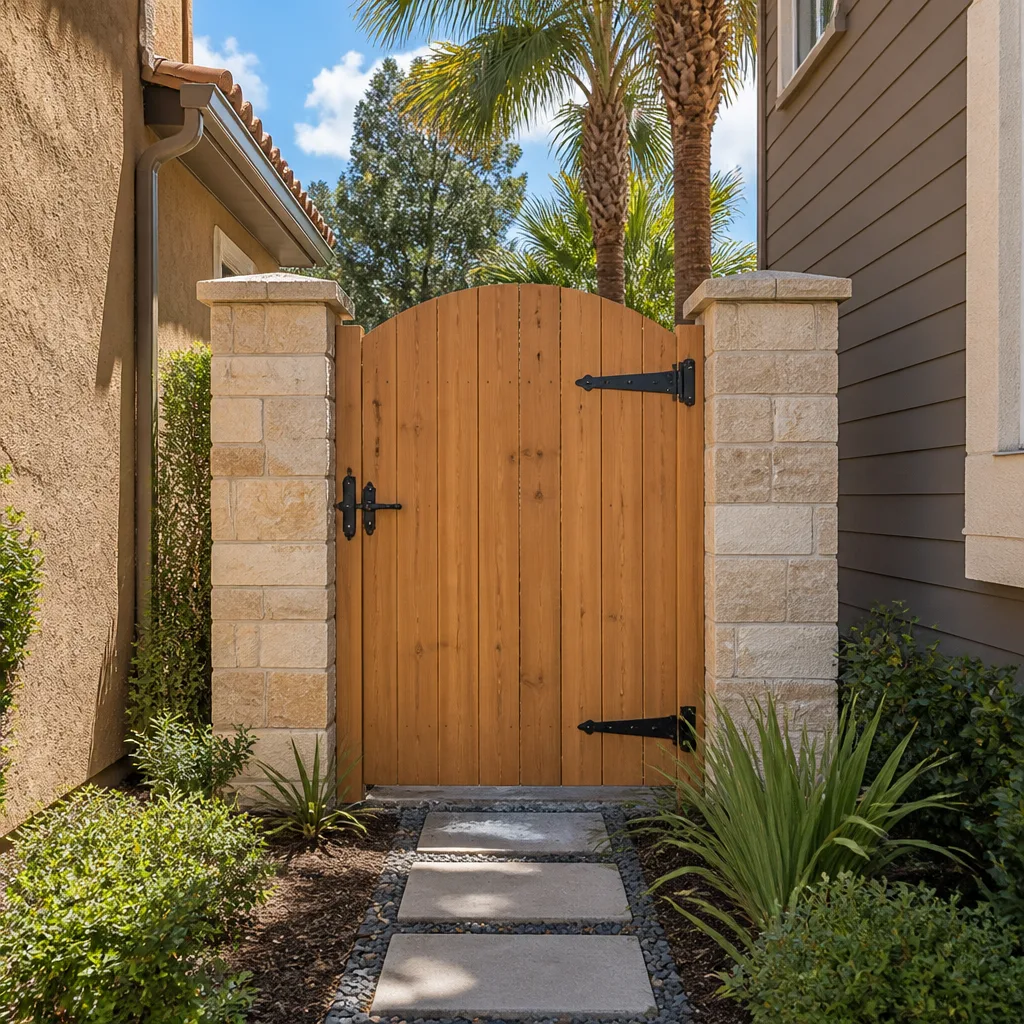
Wood (Cedar, Redwood, Pine)
- Penetrating oil stain: every 18 to 24 months. Costs about $0.35 to $0.55 per square foot of fence face in materials plus labor if you hire it out.
- Film-forming (solid) stain: every 3 to 4 years, but with more surface prep each time because film stains peel rather than fade.
- What skipping a cycle costs you: one missed re-seal in this climate can cost you a board replacement run within two seasons. A full fence re-board runs $8 to $14 per linear foot – well beyond what the missed stain would have cost.
- Fresh install note: brand-new pressure-treated wood needs 4 to 6 weeks to dry before the first stain. If we install in October, plan the first seal for spring.
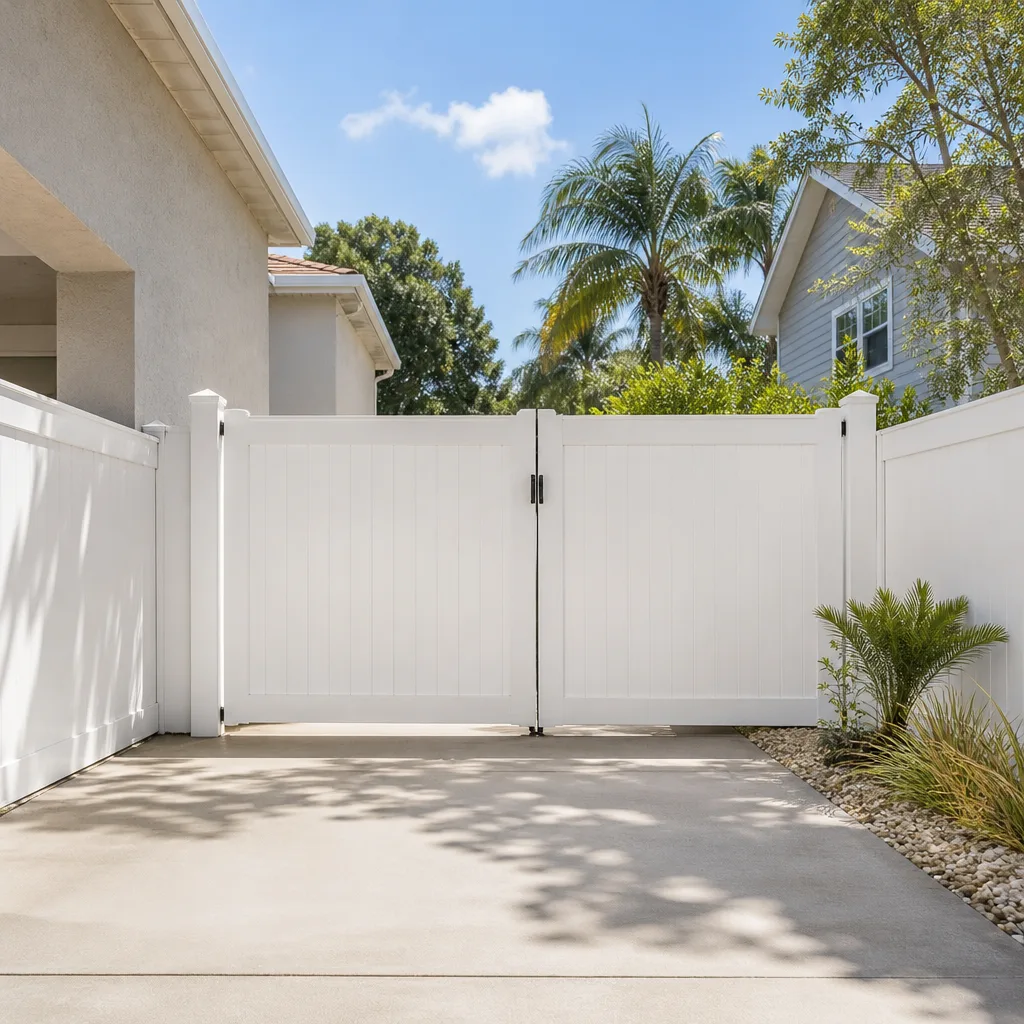
Vinyl
- Wash once per year with a garden hose and mild dish soap. A soft brush on stubborn spots.
- Skip the pressure washer at high PSI. Vinyl scuffs and dulls under 3,000+ PSI.
- Inspect post caps and bottom rails annually for grit and moisture buildup. Vinyl doesn’t rot, but trapped moisture under a post cap can stain and discolor the surface.
- What skipping a cycle costs: not much – vinyl is the lowest maintenance material we install. But neglected vinyl in a dusty Sunrise Manor yard can look chalky and old within three or four years, which hurts resale more than it hurts the fence.
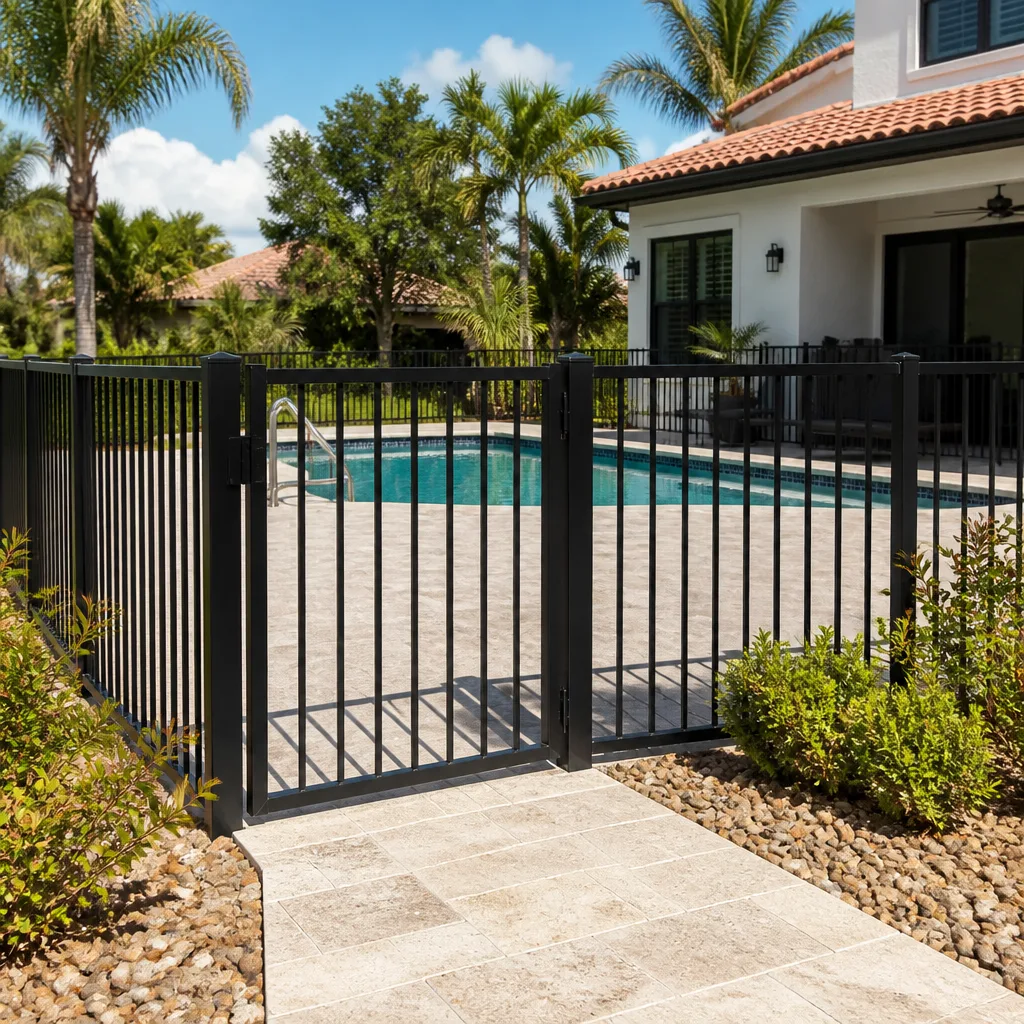
Wrought Iron and Steel
- Rust inspection every 12 months; touch-up repaint every 18 months in the high-heat zones.
- Salt-air and sprinkler spray zones (fences near irrigation systems or salt-softened water) need touch-up every 12 months.
- What skipping a cycle costs: small rust spots spread fast. A $30 touch-up now becomes a $600 repaint job if you ignore it two years.
Block, Stone, and Composite
- Masonry: annual visual inspection for hairline cracks or shifted caps. Repointing every 8 to 12 years as needed.
- Composite: wash annually, inspect fasteners once a year. Most composite products come with manufacturer warranties – keep the paperwork, and photograph the fence every year so if you ever make a claim, you have proof the install and maintenance were done right.
If you’re at the stage of choosing a material before installing, our Fence Installation in Sunrise Manor page walks through pricing and material options for this specific climate.
See the difference
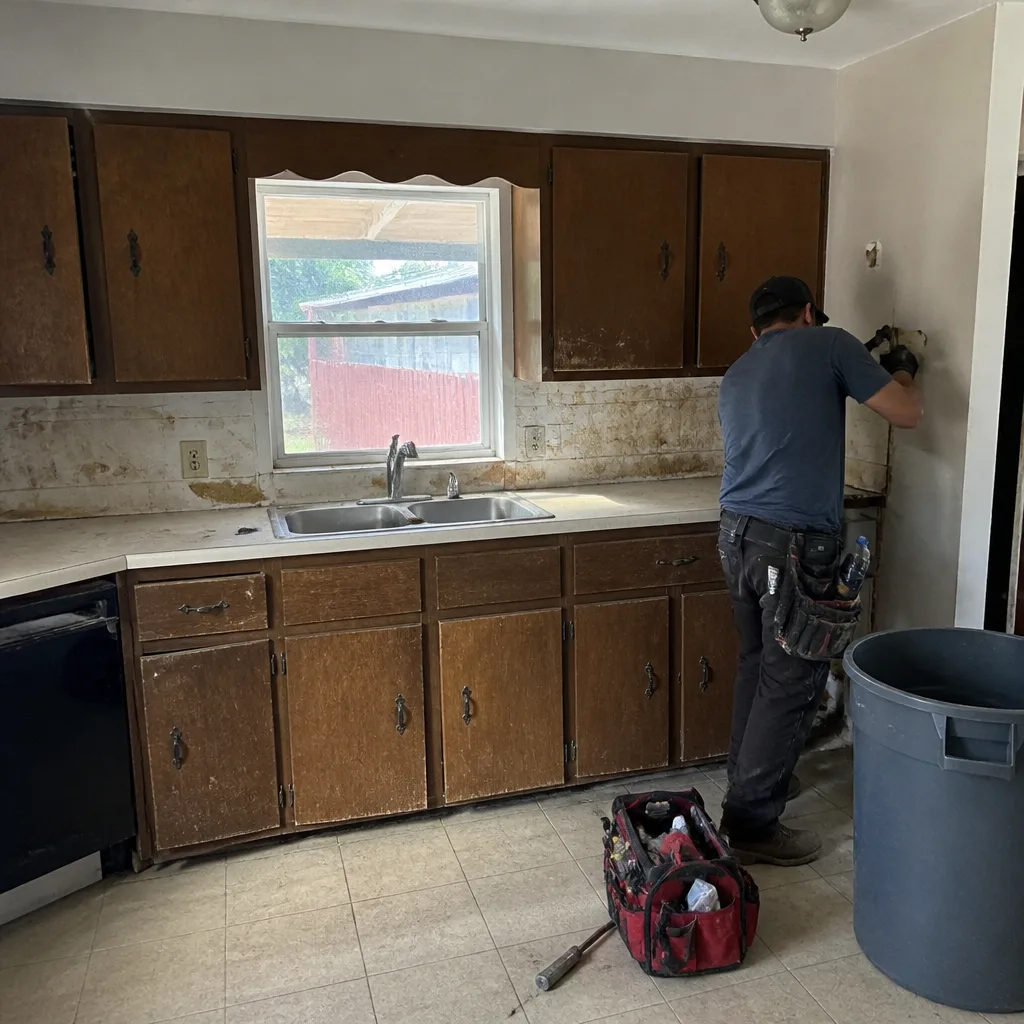 Before
 After
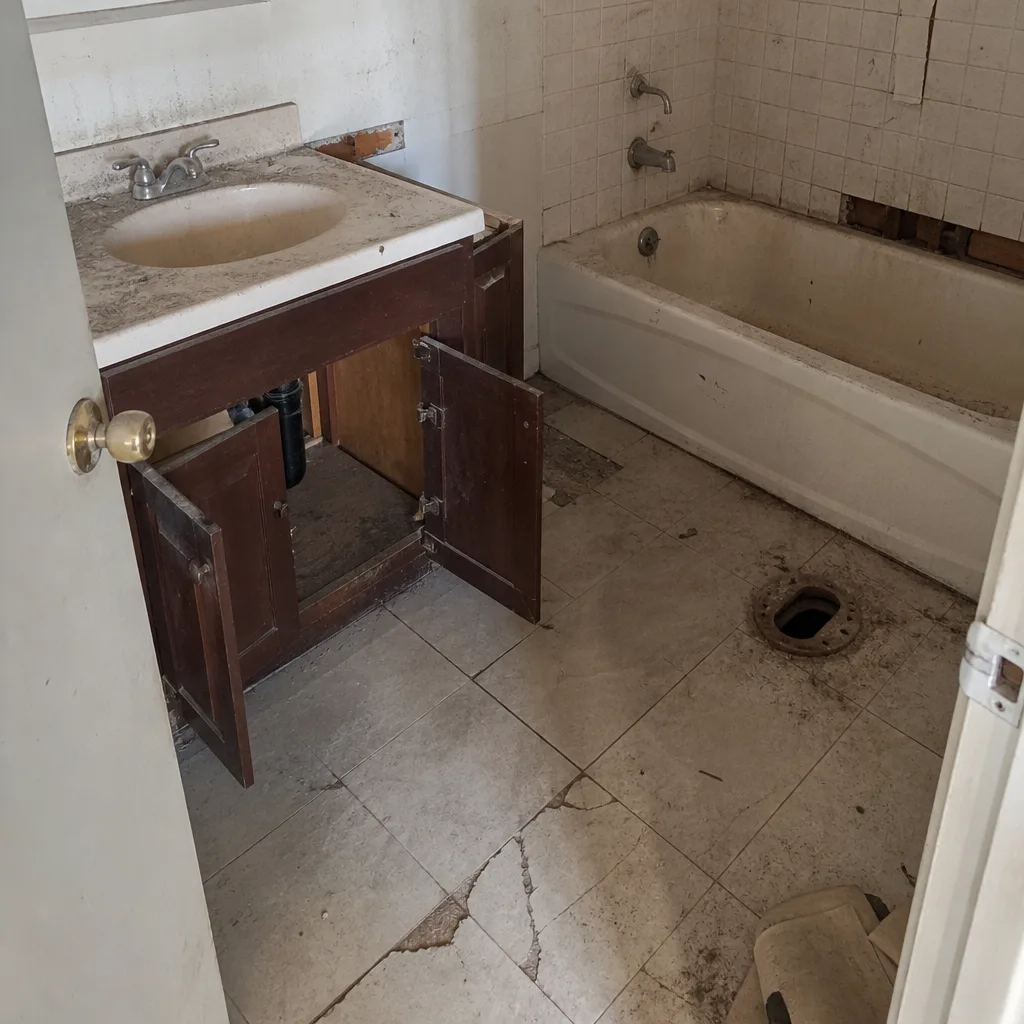 Before
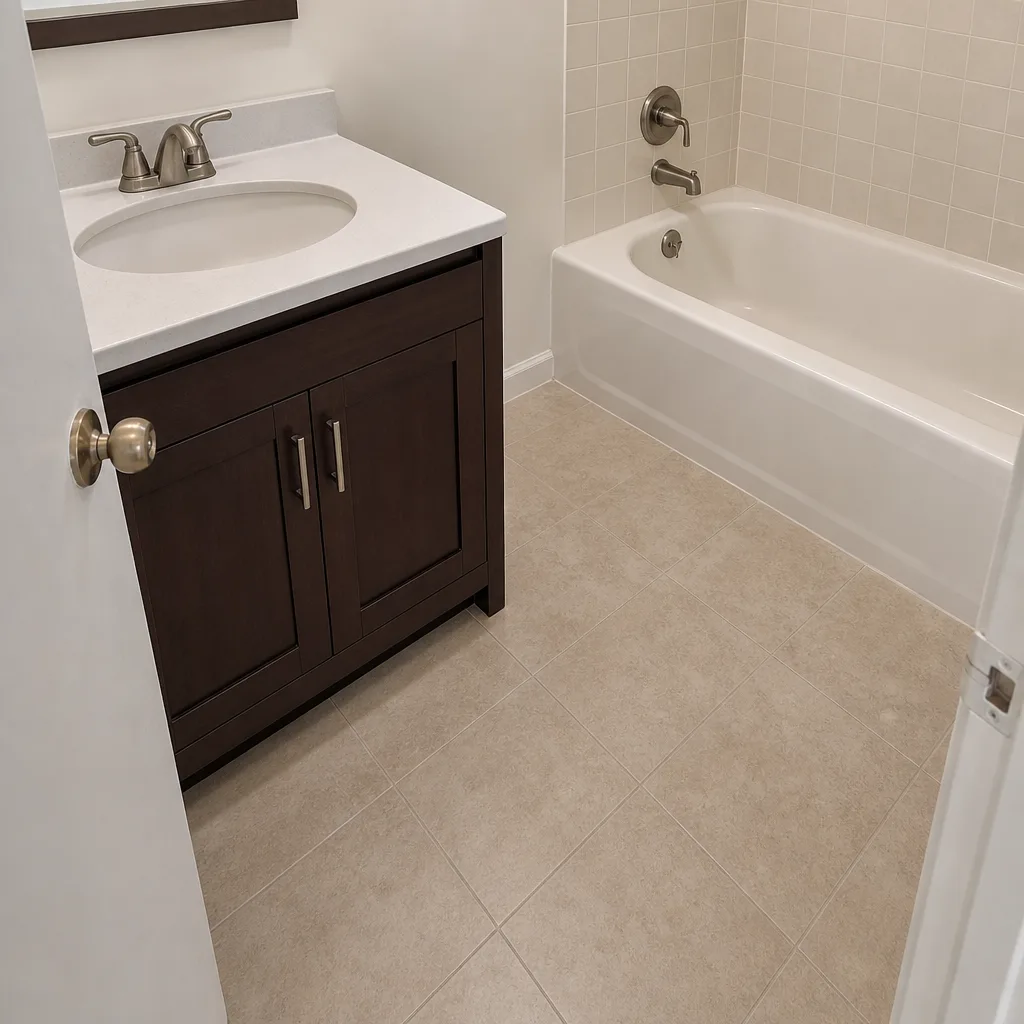 After
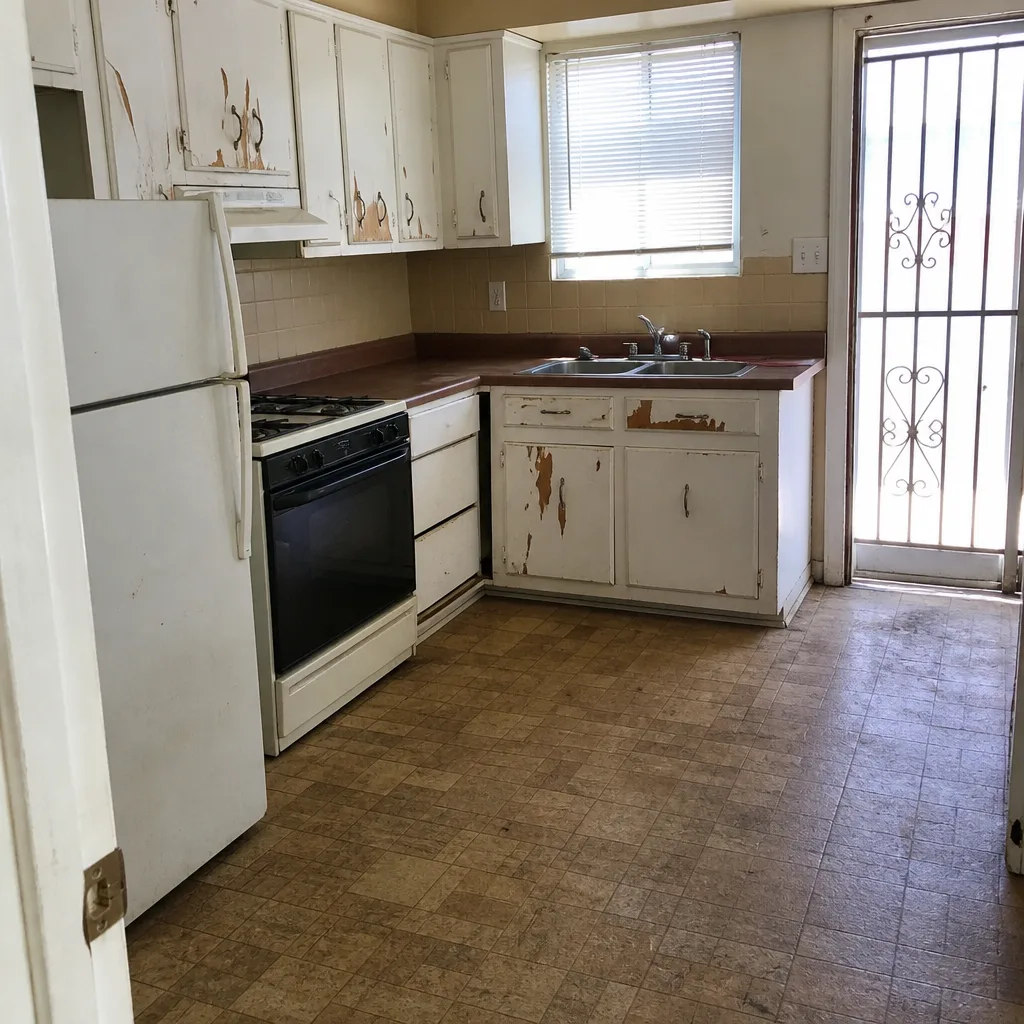 Before
 After
How to Spot Early Wood Rot at the Post Base

Catching rot at the post base before it means replacing the whole post is the single highest-value maintenance skill you can build. Here’s how to do it in about two minutes per post.
- Look first. Discoloration, dark staining, or a white fuzzy bloom at the base of the post means active moisture and likely fungal activity.
- Tap with a screwdriver handle. A hollow or soft sound is a warning sign; a solid thunk is healthy.
- Probe with a screwdriver. Push the tip into the wood at the base with moderate pressure. If it sinks in past an eighth of an inch and the wood feels spongy, rot has started.
- Check the post base on the downhill side. Water pools on the low side of a fence line. On sloped properties in Sunrise Manor, that’s almost always the side facing the street or the alley.
- Look for termite mud tubes. Small tan-colored tunnels running up the post base or along the bottom rail. Termites are less common in this climate than rot, but they show up in the older neighborhoods where irrigation keeps the soil damp.
If you catch rot when the post still holds a screwdriver tight, you can often treat the immediate area, prevent further moisture from reaching it, and get another several years. If the post is already loose and the base is hollow, replacement is the honest answer. That said, replacing a single post is a fraction of the cost of replacing a fence run, and if the rest of the fence is healthy, it’s usually worth doing.
On properties where we’re doing a broader Barrett & Sons Construction Sunrise Manor home project, gate and fence maintenance often gets folded into the plan. If you’re already thinking about a new or expanded yard layout, our Driveway & Pavers in Sunrise Manor page shows how hardscape and fencing materials work together visually.
Record-Keeping for Warranty and Long-Term Tracking
The single thing that separates people who get warranty coverage on their fence from people who don’t is a maintenance record. If you have to make a claim three years in, the first thing you’ll be asked is whether the fence was maintained per the manufacturer’s recommendation. If you can’t show a record, the claim gets denied and you’re on the hook.
Here’s what to keep, and it takes about fifteen minutes a year:
- Date-stamped photographs of the entire fence in March and again in October. Walk it in sections so you have full coverage.
- Close-up photos of every post base once a year. These are your proof that moisture management was handled.
- Stain and sealer receipts with the product name and date. Snap a photo of the label – you’ll never remember the exact product code three years later.
- Notes on any repair, replacement, or hardware swap with the date and what was done.
- The original install paperwork: contract, material specs, brand names, warranty documents. If you have a composite fence from a brand like Dvele or Plant Prefab, keep the manufacturer’s warranty sheet clipped to the contract.
Take the photos on your phone and drop them into a labeled album. That’s it. The fifteen minutes a year pays back many times over if you ever need to call for service.
Common Mistakes to Avoid
- Sealing wood in the summer heat. Stain cures too fast in 100-degree-plus temperatures and doesn’t penetrate, leaving you with a peeling film within a season.
- Sealing right after a monsoon storm. The wood is still full of moisture. You’re trapping water and asking for rot.
- Power-washing vinyl or wood at high pressure. Etches the surface, strips the finish, and drives water into wood grain. Stay under 1,500 PSI on wood and 2,000 on vinyl.
- Ignoring a small rotted post base because “the fence still stands.” A compromised post becomes a wind hazard in a Sunrise Manor dust storm. One $80 post replacement beats a $400 fence panel replacement.
- Skipping the spring inspection because it’s “still pretty.” A fence always looks fine right up until it doesn’t. The problems hide at the post base and behind the bottom rail.
- Hiring whoever answers the phone for a maintenance call without checking licensing. Fence maintenance is quick work, but bad repairs can void a manufacturer’s warranty. If you’re looking at a broader project, our Home Additions & ADU in Sunrise Manor page covers how we handle scope changes in writing – same principle applies to a fence repair.
- Not photographing the fence before a repair. A ten-second photo protects the record and any future warranty claim.
When to Call a Professional
Most maintenance you can handle yourself with a screwdriver, a hose, and a Saturday morning. But there are situations where a trained eye saves you real money. Call us when a post is loose enough to rock with hand pressure, when rot reaches past the first inch of the post base, when a gate has sagged and no amount of hinge adjustment gets it back, or when you’re seeing multiple boards cupping within a single season – that pattern often points to a bigger moisture or drainage issue underneath.
Barrett & Sons Construction Sunrise Manor offers free estimates in Sunrise Manor – call (844) 312-0069. We pull permits and pass inspections on every eligible job, put every price change in writing before work begins, and back our work with the 90-Day Done Right Promise. Our crews have up to 28 years of experience, and the same people who install a fence are the ones who come back to fix it.
Frequently Asked Questions
Every 18 to 24 months with a penetrating oil stain, or every 3 to 4 years with a film-forming solid stain. In Sunrise Manor, the timing matters more than the frequency – always seal in late September or October after monsoon moisture has dried out of the wood, never in summer heat. Call (844) 312-0069 for a free estimate on a full fence seal or repair.
Late September into mid-October. The monsoon moisture has dried out, the days are still warm enough for the stain to cure properly, and the winter winds haven’t started pulling residual moisture out of the wood yet. March and April are second best – after the worst of the cold and before the summer heat arrives.
Yes, on wood and vinyl, but keep the pressure under 1,500 PSI on wood and under 2,000 PSI on vinyl. Too much pressure etches the surface and drives water into the grain, which is exactly the opposite of what you want. Give the fence at least 72 hours to fully dry before staining.
Probe the base with a screwdriver. If the tip sinks in past an eighth of an inch and the wood comes off soft or dark on the tip, rot has started. Also look for dark staining or white fungal bloom at the soil line. A compromised post is a wind hazard – call us for a free assessment at (844) 312-0069.
Yes. Sunrise Manor sits in a monsoon corridor that delivers short, intense moisture events followed by extreme dry heat. Phoenix and Tucson don’t get quite the same moisture swings, and wood fence maintenance intervals that work there will fail here. That’s why we recommend two inspections a year – spring and post-monsoon – instead of the single annual walk-through most guides suggest.
Very possibly. Most manufacturer warranties on composite and premium wood fencing require documented maintenance. Date-stamped photos and receipts are your proof. If a claim comes down to “did you maintain it” and you can’t show a record, expect a denial. If your fence was installed by us, we walk you through the record-keeping at handoff.
The Bottom Line
Fence maintenance in Sunrise Manor is not about working harder – it’s about hitting the right windows. Inspect in March and again in late September. Never seal over monsoon moisture. Never seal in summer heat. Know the re-seal interval for your material and stick to it: every two years on oil-stained wood, every 12 to 18 months on wrought iron touch-up, once a year on vinyl. Keep dated photos and buy receipts. When a post base gets soft, call before it gets worse. If you take nothing else from this guide, take the fall timing rule – that alone will buy your fence a decade.
If you want a professional set of eyes on the fence this season, call (844) 312-0069 for a free estimate from the team at Barrett & Sons Construction Sunrise Manor. We’ll walk the fence with you, show you exactly what we see, and give you a written scope before anything moves.
Written by the team at Barrett & Sons Construction Sunrise Manor.