Last updated November 18, 2026




Free written scope consultation - allowances, timeline, and change-order rules on paper before a single trade is scheduled
Driveway & Pavers Maintenance Schedule: What to Do and When
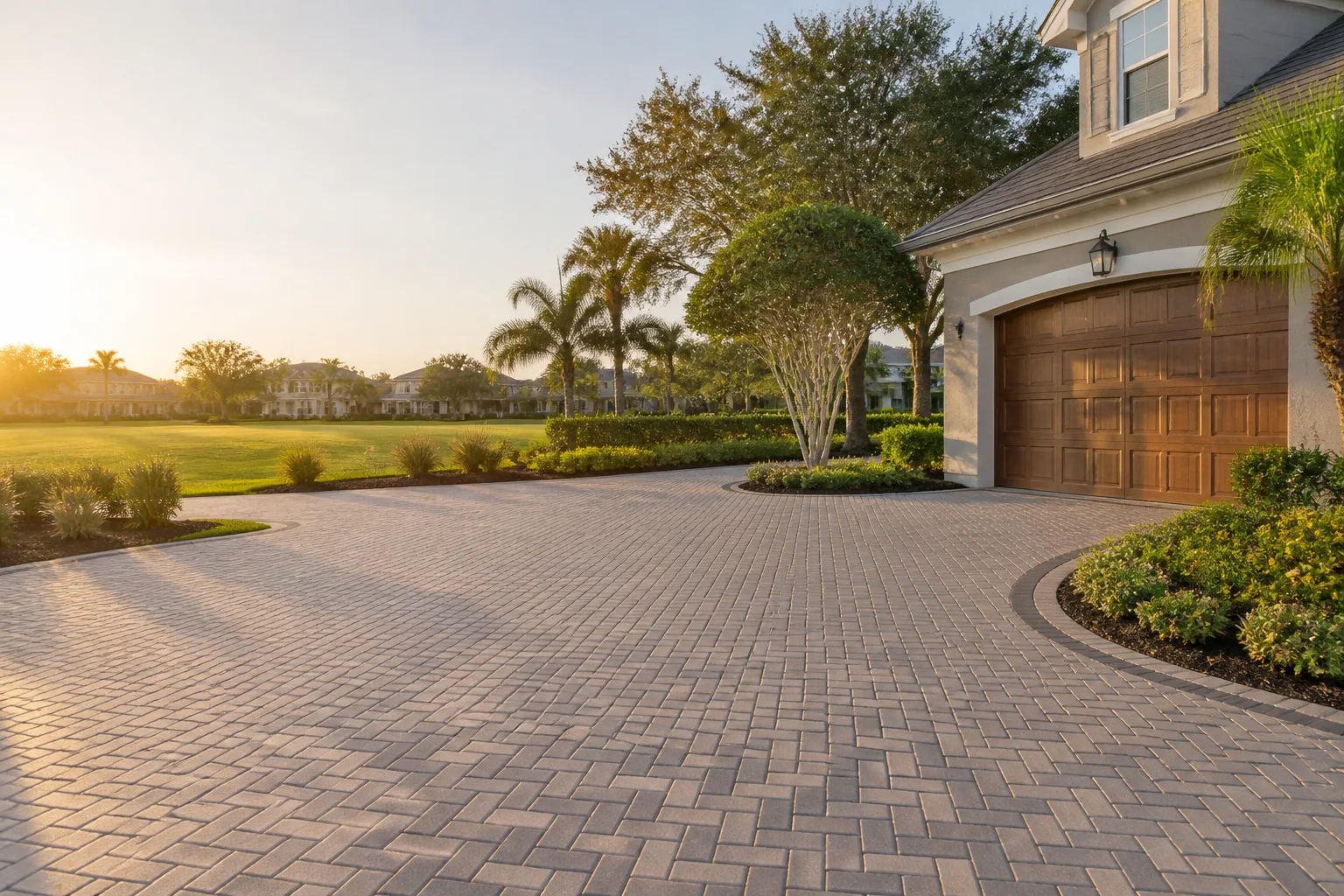
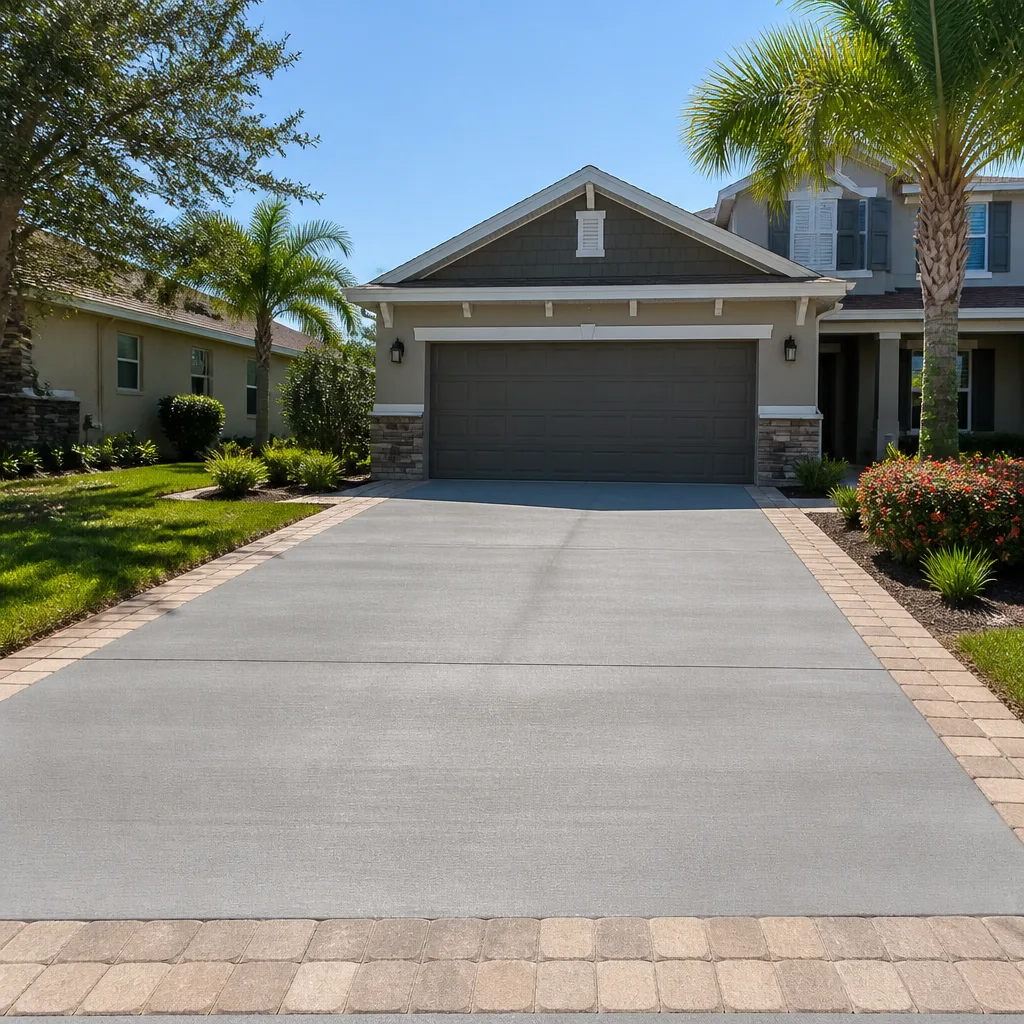
October and March are the two months that decide whether your Sunrise Manor paver driveway looks sharp in year fifteen or starts cracking apart in year six. That’s not a slogan. It’s the pattern we’ve watched play out across the east valley for years. Pavers themselves are tough – Belgard and Techo-Bloc products hold up to desert sun better than almost anything else you can put on a slab. What fails is everything around them: the joint sand, the edge restraint, the base, and the drainage that keeps the whole system sitting where it should. This guide lays out a two-times-a-year schedule built for our climate calendar, plus the honest line between what you can do yourself and what needs a trained eye.
Quick Answer
A paver driveway in a desert climate needs two focused checklists a year: a pre-summer pass in late March or early April (joint sand top-off, edge restraint inspection, sealer assessment before the heat peaks) and a post-monsoon pass in October (clear drainage channels, fix sand washout, check for soil undermining). Power washing once a year is not maintenance. Those two seasonal checklists are what add a decade or more to a driveway’s life.
Styles & brands we work with
- Kitchen remodeling
- Bathroom remodeling
- Home additions & ADU
- Roofing
- Windows & doors
- Driveway & pavers
- Fence
Table of Contents
- Why Sunrise Manor’s Climate Sets the Schedule
- The Pre-Summer Checklist (Late March to Early April)
- The Post-Monsoon Checklist (October)
- How Often to Reseal in a Desert Climate
- What You Can Do Yourself vs. What Needs a Pro
- Keeping a Maintenance Log That Protects Your Warranty and Resale Value
- Common Mistakes to Avoid
- When to Call a Professional
Why Sunrise Manor’s Climate Sets the Schedule
Most paver maintenance advice you’ll find online was written for a temperate climate with regular rain spread across the year. That template doesn’t fit here. Sunrise Manor runs two punishing seasons back to back. Summer bakes the ground at surface temperatures that can push past 150 degrees on exposed pavers, and the soil beneath expands and contracts with the swing from hot day to cool night. Then the monsoon rolls through from roughly July into September, dropping weeks of rain in sudden hard bursts that overwhelm whatever drainage the driveway has.
That combination does two things to a paver system. The heat dries out and shrinks the joint sand that locks each stone in place, so joints open up and pavers start to shift and rock. Then the monsoon water gets into those open joints and washes sand out from underneath, sometimes pulling the base material with it. If that cycle runs three or four years without anyone topping off the sand or clearing the drainage channel, you get settling, sunken corners, and a driveway that needs partial re-laying instead of a simple top-off.
We’ve seen this most often in the older tracts of Sunrise Manor where driveways were laid over compacted native soil rather than a deeper engineered base. Those homes can show joint sand loss within a single summer if the sand wasn’t topped off in spring. Newer construction with a proper base holds up better, but the two-season rhythm still applies. The point is simple: in Sunrise Manor, maintenance is timed to the climate, not the calendar year.
The Pre-Summer Checklist (Late March to Early April)
This is the pass that protects your driveway through the worst heat of the year. Get it done before daytime temperatures climb into the nineties and stay there, because joint sand and sealer both behave better when applied to a driveway that isn’t baking.
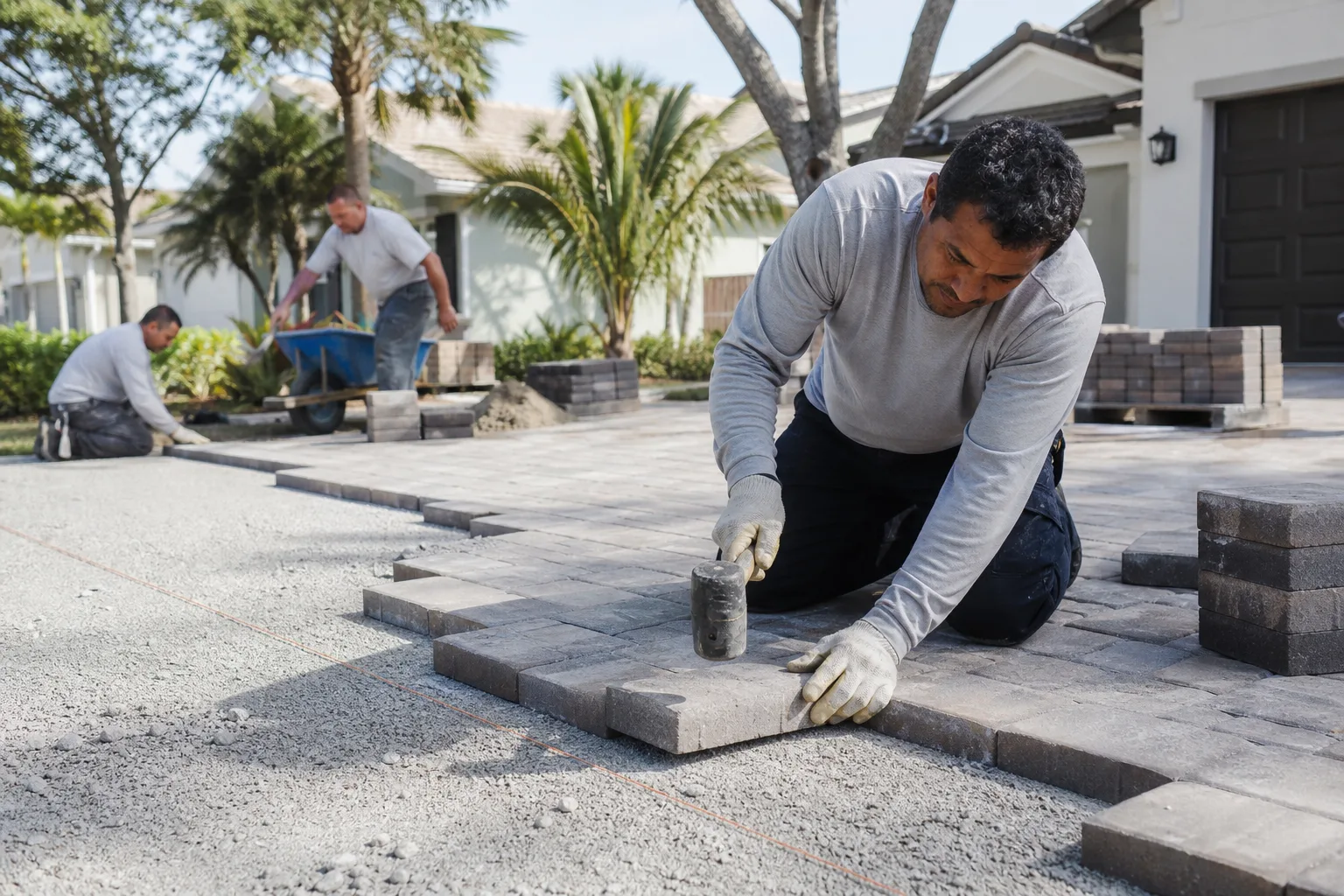
- Top off the joint sand. Pour a fine polymeric or kiln-dried sand across the driveway and sweep it into the joints until they’re filled to just below the paver surface. Open joints are the number one cause of paver movement in the valley. Fill them before summer, not after.
- Inspect the edge restraint. Walk the perimeter where the pavers meet the curb, the garage apron, and any planting bed. The edge restraint is what stops the whole field from spreading outward. Look for gaps, lifted spikes, or restraint that’s pulled away from the pavers. A failed edge lets the entire driveway creep.
- Check for rocking or sunken pavers. Step across the whole surface and note any that move underfoot or sit lower than their neighbors. A few loose stones in spring become a settled dip by fall.
- Assess the sealer. Pour a small cup of water on the surface. If it beads and rolls off, the sealer is still working. If it soaks straight in, you’re due. Do the assessment in spring so you can schedule the reseal before the summer sun, not in the middle of it.
- Clear the drainage path. Confirm water has somewhere to go – a channel drain, a swale, a slope away from the garage. Clear any debris so the first summer storm doesn’t pool against the house.
For homeowners thinking about a new driveway or a re-lay, our Driveway & Pavers in Sunrise Manor page covers base prep and material choices. Getting the base right on day one is what makes this spring checklist quick instead of expensive.
The Post-Monsoon Checklist (October)
October is the cleanup and repair pass. The monsoon is done, the worst heat has broken, and now you can see exactly what the summer and the rain did. This is where you catch the damage before it sets through winter.
- Clear the drainage channels. Monsoon rain carries silt, leaves, and grit into every drain and swale. Clear them out so the next rain has a clear path. A clogged channel is how water ends up under the pavers instead of around them.
- Repair sand washout. Look for joints that emptied out during the rain – usually on the downhill side of the driveway or near a downspout. Re-sand those areas, then check again after the next rain to see if it’s a maintenance issue or a drainage problem.
- Check for soil undermining. This is the one most homeowners miss. If a paver feels hollow when you tap it, or the surface dips near the edge, water may have washed out the base soil underneath. Undermining doesn’t fix itself and gets worse every rain. It needs a professional look.
- Re-inspect the edge restraint. Monsoon runoff is hard on edges. Re-check the perimeter for movement or washout.
- Note anything new. Photograph cracks, dips, or spreading. Write the date. That record matters later.
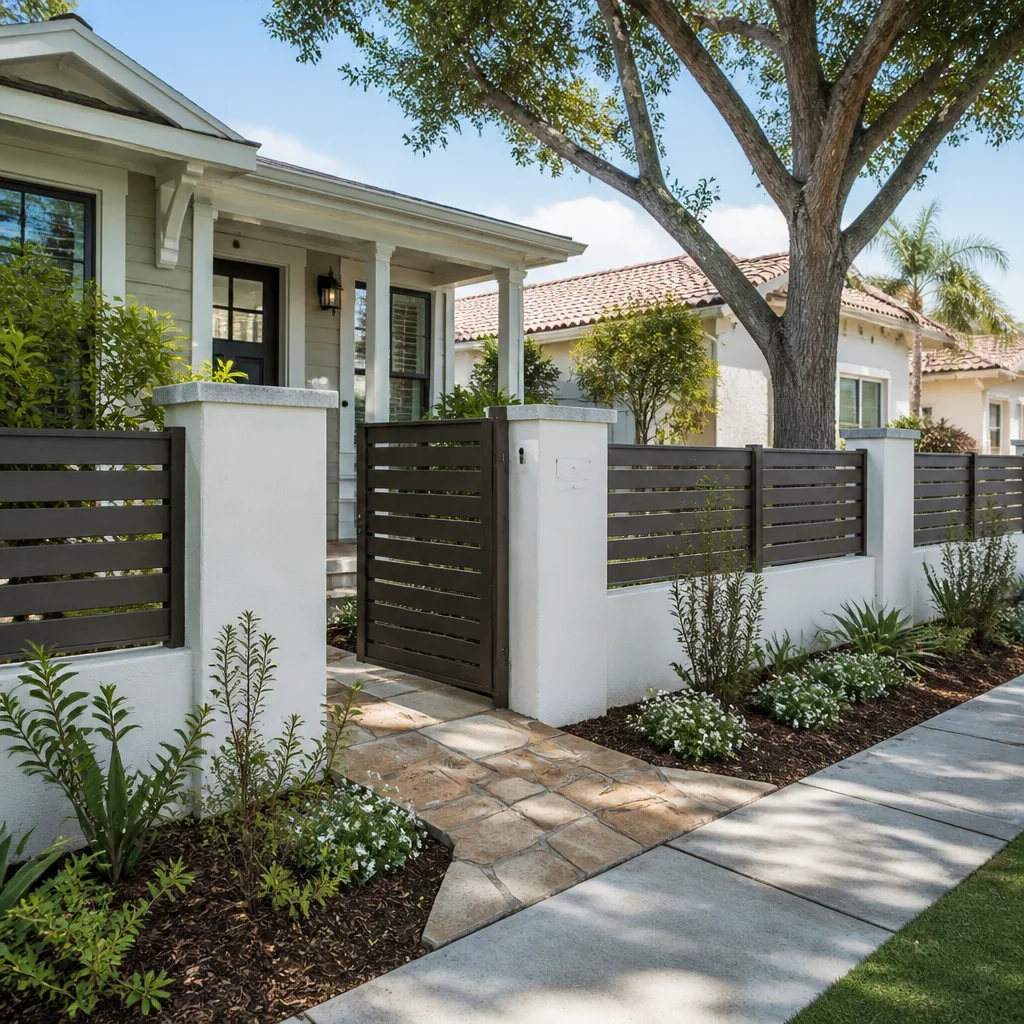
One thing worth knowing: the same water that undermines a driveway can wreck a fence line, since posts set in desert soil suffer the same washout. If your October walk turns up fence issues too, our Fence Installation in Sunrise Manor page covers how posts should be set to handle monsoon runoff.
How Often to Reseal in a Desert Climate
Here’s the gap nobody warns you about. Most sealer labels print a reseal interval of three to five years. In Sunrise Manor, that number is optimistic. Between the UV load, the surface heat, and the monsoon abrasion, a film-forming sealer on an exposed desert driveway often needs attention closer to every two to three years – and a high-traffic driveway facing full afternoon sun can show wear earlier.
The label interval assumes a temperate climate with mild sun. Our sun is not mild. We tell homeowners to judge by the water test, not the calendar: if water soaks in instead of beading, the sealer is done, whatever the label says. In our experience, that test tells the truth more reliably than a printed number.
There’s a real cost to resealing too often, though. Applying sealer over a driveway that doesn’t need it can trap moisture and cause a cloudy film. So the rule is: test first, reseal when it fails the test, and use a breathable penetrating sealer rather than a heavy film-forming product for desert conditions. If you’re not sure which product you have, that’s a good question for the crew that installed or last serviced the driveway.
What You Can Do Yourself vs. What Needs a Pro
A lot of paver maintenance is genuinely homeowner work, and we’d rather you save the money on the easy stuff and call us for the parts that actually need training. Here’s the honest split.
- Do it yourself: sweeping in joint sand, clearing drainage channels and swales, pulling weeds from joints, hosing off dirt, and running the water-bead sealer test. None of that requires special tools or risk.
- Do it yourself if you’re comfortable: re-sanding washed-out joints and light cleaning. These are straightforward if you take your time.
- Call a professional: anything involving undermining, settled or rocking pavers that need lifting and re-setting, edge restraint repair, base correction, and full resealing. Lifting and re-setting pavers means disturbing the base and the joint system – done wrong, it creates the next problem.
We’ve seen homeowners save real money handling the sweeping and clearing themselves, then waste it trying to reset a settled section by hand and making the dip deeper. The judgment call is simple: if the issue is on the surface, it’s likely yours to handle. If it’s under the surface, get a trained eye on it.
Keeping a Maintenance Log That Protects Your Warranty and Resale Value
A one-page maintenance log is the cheapest insurance a paver driveway has. It does two jobs: it proves you maintained the surface (which matters if a workmanship warranty ever comes into question), and it hands a buyer a documented history when you sell – which is worth real money on a home inspection.
Here’s what to track, and it takes about five minutes a year:
- Date and season of each spring and fall pass.
- What you did – sanded joints, cleared drains, resealed, repaired an edge.
- What you noticed – any new dip, crack, or hollow spot, with a photo.
- Who did the work – yourself or a contractor, with the invoice attached.
- Product names – the sealer and sand brands used, so you can match them next time.
Keep it in a folder with your home records, or snap photos into a phone album dated by season. When it’s time to sell, that log answers the buyer’s question before they ask it. It’s the same reason we hand over every written change order and permit record on a job – paper you can produce later is paper that protects you. If you’re planning a larger project like an addition or ADU that will change your driveway and drainage, our Home Additions & ADU in Sunrise Manor page covers how site work and drainage get handled.
Common Mistakes to Avoid
- Treating a power wash as maintenance. A yearly power wash makes the driveway look clean and does nothing for the joint sand or the base. The annual wash-and-nothing-else routine is exactly how a driveway fails in year six instead of year twenty.
- Resealing on the label schedule instead of the water test. Resealing too early in Sunrise Manor traps moisture and clouds the surface. Test before you seal.
- Ignoring open joints in spring. Open joints are how summer heat and monsoon water get under the pavers. Top off the sand before the heat, not after the damage shows.
- Skipping the fall drainage check. Monsoon silt clogs channels quietly. If you don’t clear them in October, the next rain pools against the house or the driveway edge.
- Assuming a hollow-sounding paver will settle on its own. It won’t. A hollow tap usually means undermined base, and it gets worse every rain.
- Letting pavers spread at the edge. If the edge restraint has failed, the whole field creeps outward. It’s a small repair early and a big one late.
- No records. Homeowners who can’t show a maintenance history have a harder time making a warranty or resale claim. Keep the log.
When to Call a Professional
Most of this schedule is yours to run. But some situations need a trained eye, and calling early saves money later. Call a professional when pavers are rocking or sinking underfoot, when you find hollow spots that suggest undermined base, when the edge restraint has failed or spread, when water pools against the house or garage after rain, or when you’re due for a full reseal and aren’t sure which product is already on the surface. Those are the jobs where doing it yourself can create the next problem.
Barrett & Sons Construction Sunrise Manor offers free estimates in Sunrise Manor – call (844) 312-0069. We’ve been owner-operated since 1998, Tom and his sons are on-site most days, and every job comes with the written 90-Day Done Right Promise. If it’s not done right, one call brings Tom back to make it right.
See the difference
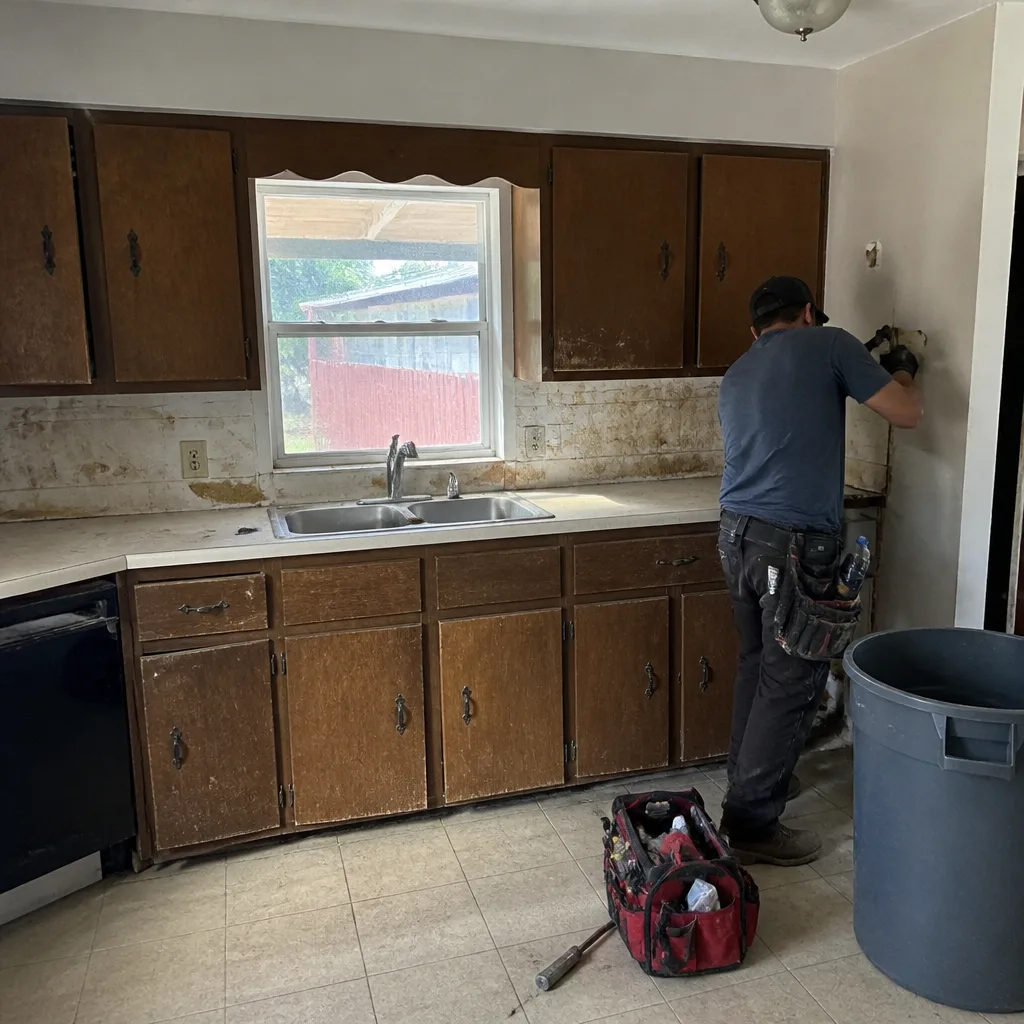 Before
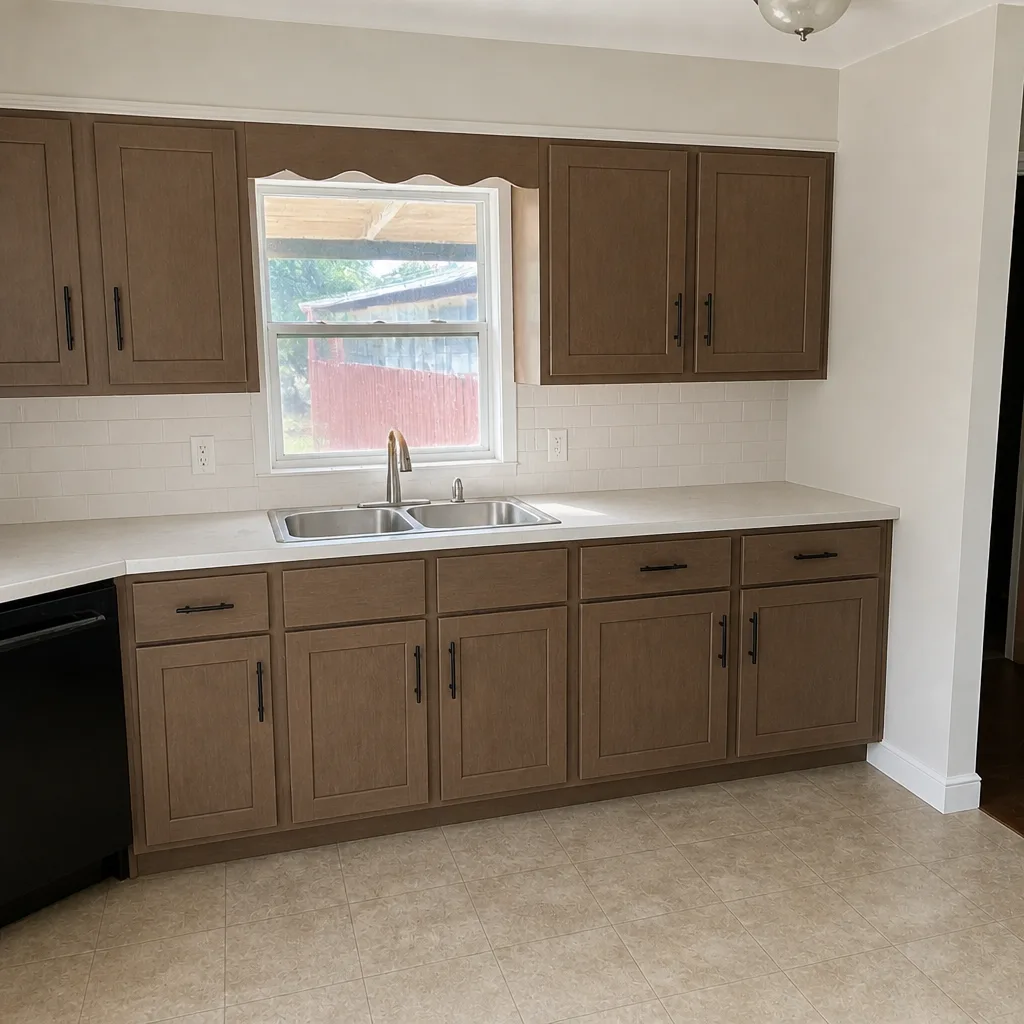 After
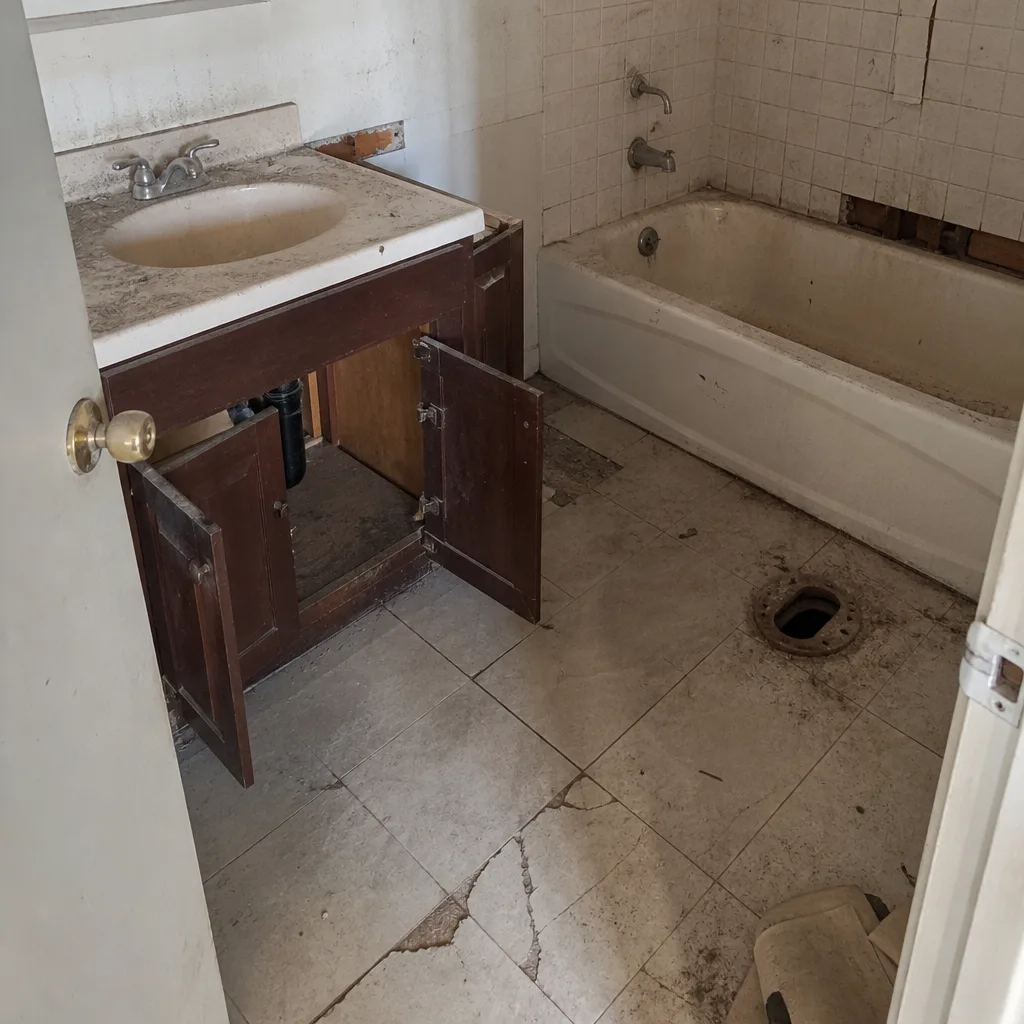 Before
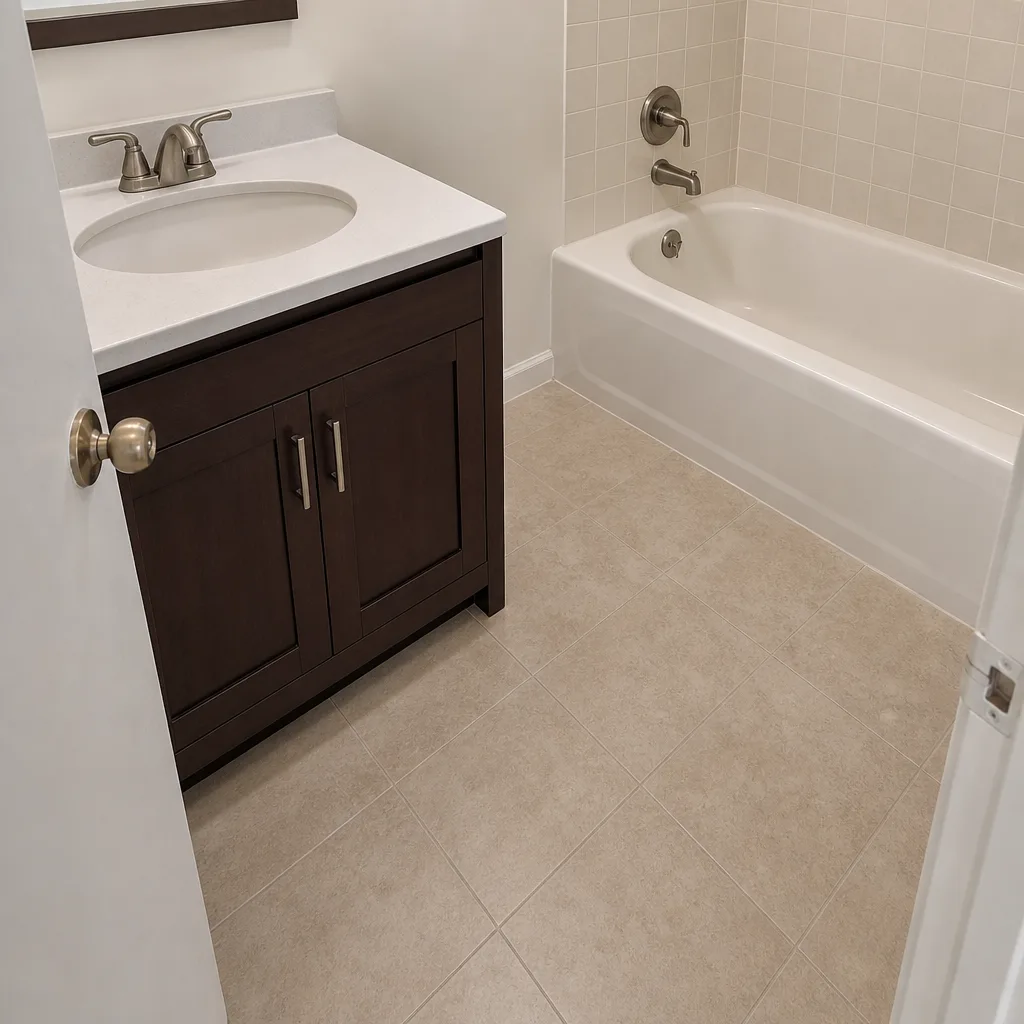 After
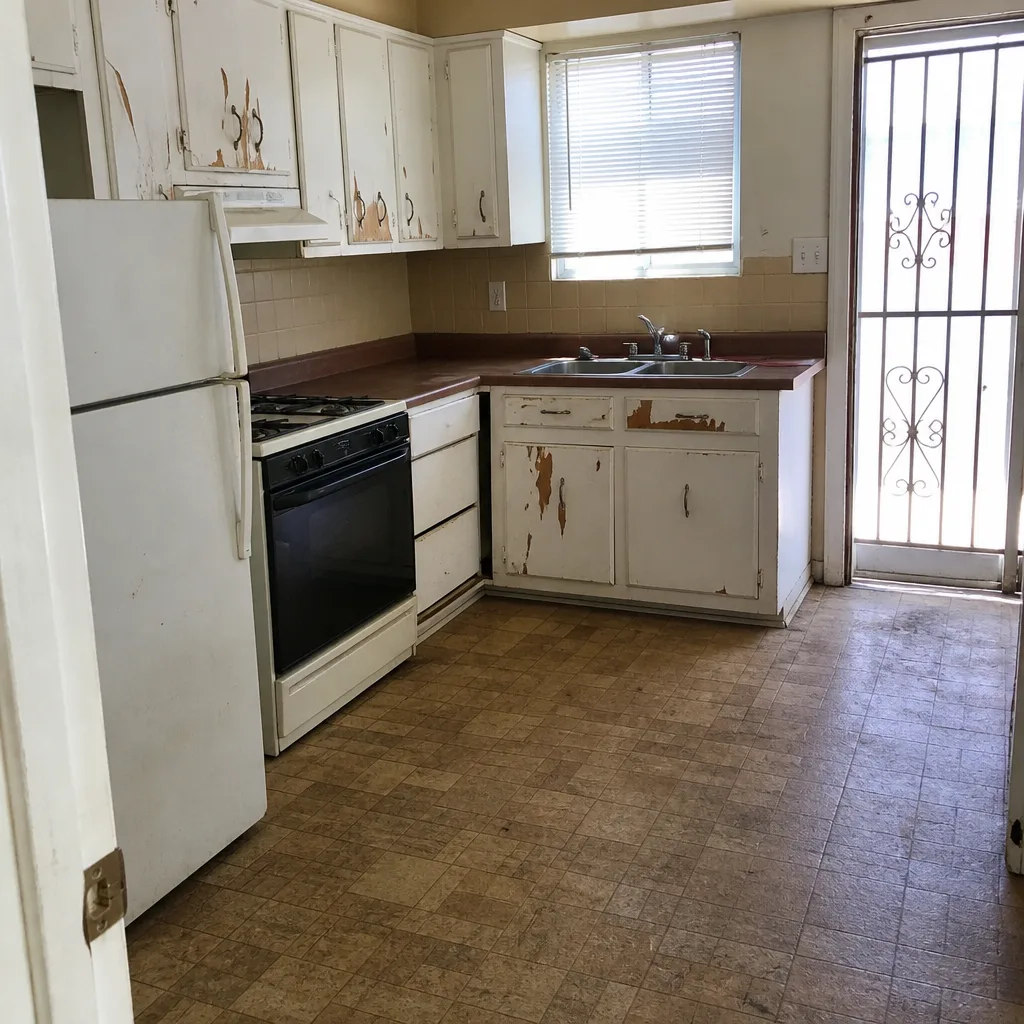 Before
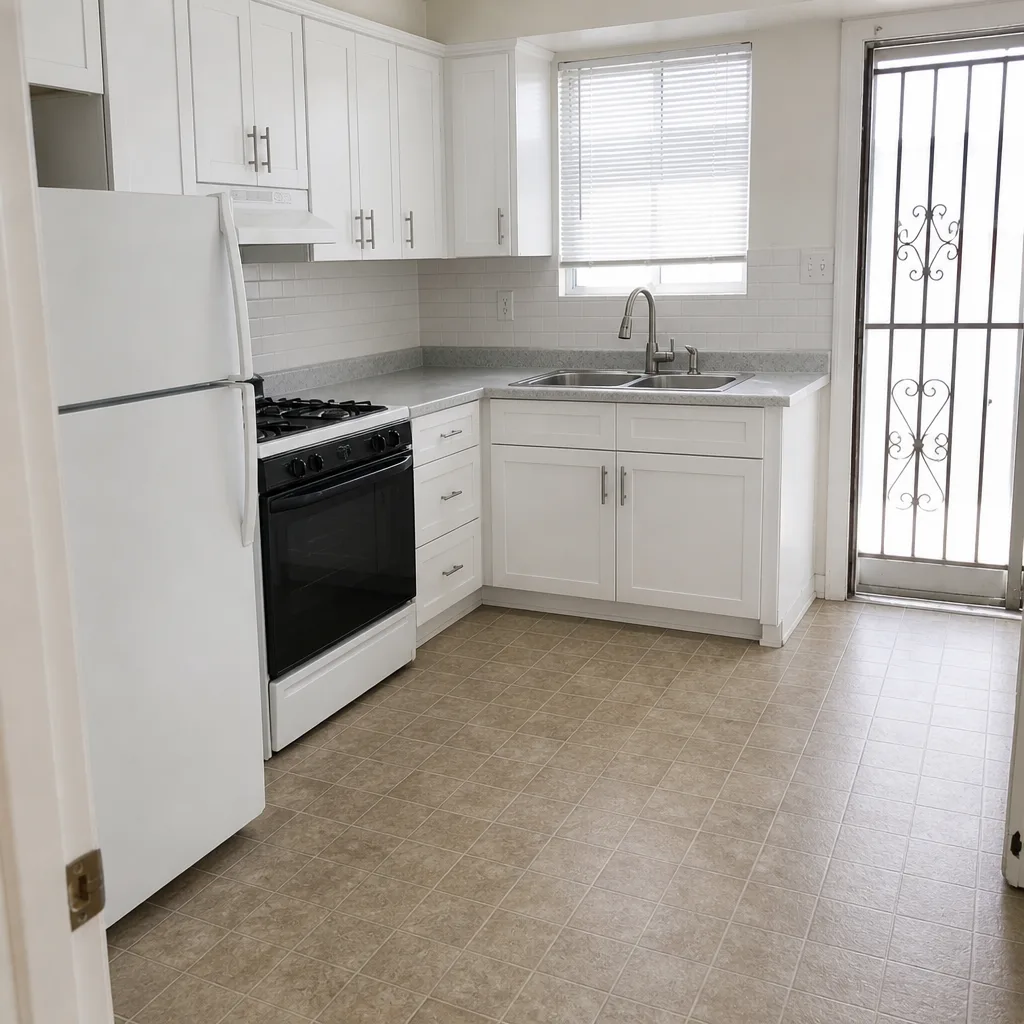 After
Frequently Asked Questions
Usually every two to three years in our climate, not the three to five years most sealer labels suggest. The desert sun and monsoon abrasion wear sealer faster than the label assumes. Test with a cup of water – if it soaks in instead of beading, it’s time. Call (844) 312-0069 for a free estimate on resealing.
Topping off the joint sand before summer. Open joints let heat and monsoon water reach the base, which is where real damage starts. Fill the joints in late March or early April and the rest of the schedule gets easier. When in doubt, call (844) 312-0069 and we’ll tell you what your driveway actually needs.
You can, but go easy. A high-pressure nozzle held close to the surface can blast joint sand right out of the joints, which defeats the purpose. Use a wide fan tip and moderate pressure, and plan to re-sand afterward. If the joints are already thin, call (844) 312-0069 before you wash.
Tap across the surface and listen. A solid paver sounds solid; a hollow tap usually means the base soil has washed out underneath. You may also see a dip near the edge after rain. Undermining doesn’t fix itself – call (844) 312-0069 for a free look before the next monsoon.
Yes. A documented history of spring and fall maintenance gives a buyer confidence and answers inspection questions before they’re asked. It also supports any workmanship warranty claim. Keep dates, photos, and product names. Call (844) 312-0069 if you want a professional to review what you’ve recorded.
October through early spring, before the heat sets in. Repairs involving lifting pavers, base correction, and resealing all go better when the ground isn’t baking. Spring and fall are also when our schedule fills, so call (844) 312-0069 early to book a free estimate.
The Bottom Line
Your paver driveway in Sunrise Manor doesn’t need a lot of fuss. It needs two focused passes a year: a spring checklist to lock the joints and check the edge before summer, and a fall checklist to clear drains and catch undermining after the monsoon. Judge resealing by the water test, not the label. Do the surface work yourself, get a trained eye on anything under the surface, and keep a simple log. That rhythm is worth more than fifteen years of annual power washing. If you want an honest look at your driveway, call (844) 312-0069 for a free estimate – we’re twenty minutes away and glad to take a look.
For everything else on the house, start at our Barrett & Sons Construction Sunrise Manor home page and see how we handle kitchen remodels, roofing, windows like CWS and ES Windows, and more across the east valley.
Written by the team at Barrett & Sons Construction Sunrise Manor.