Last updated November 18, 2026




Free written scope consultation - allowances, timeline, and change-order rules on paper before a single trade is scheduled
Driveway & Pavers Warning Signs Every Homeowner Should Know
That single paver that rocks slightly under your boot isn’t a loose paver. It’s your driveway telling you there’s a void forming underneath – and voids grow. Most homeowners ignore it for a season, then pay four figures for a job that would have run a few hundred dollars if they’d caught it in week two. We’ve watched this play out on block after block in Sunrise Manor, where wet winters and dry summers work pavers harder than most people realize. This guide walks through the five warning signs that show up a full season before the damage gets expensive, plus a few others worth watching, so you can price a small fix now instead of a large one later.
Quick Answer
The most common driveway paver warning signs are edge pavers creeping outward, joint sand disappearing between certain pavers, pavers lifting near the garage apron, uneven surface fading, and water pooling where it used to drain. Each one points to a base, restraint, or drainage problem underneath – not a cosmetic issue on top. Catching any of them early usually turns a major repair into a small one, and in Sunrise Manor’s desert climate the freeze-thaw swing after a wet winter is what speeds the damage along.
Styles & brands we work with
- Kitchen remodeling
- Bathroom remodeling
- Home additions & ADU
- Roofing
- Windows & doors
- Driveway & pavers
- Fence
Table of Contents
- Edge Pavers Creeping Outward
- Joint Sand Disappearing Between Specific Pavers
- Pavers Lifting Near the Garage Apron
- Uneven Surface Color: UV Wear, Sealer Failure, or Efflorescence
- Water Pooling Where It Used to Drain
- Five More Signs Worth Watching
- Common Mistakes to Avoid
- When to Call a Professional
1. Edge Pavers Creeping Outward
Walk to the outer edge of your driveway and sight down the line like you’re checking a fence post. If the pavers bow outward, or if the pattern line that used to run straight now wanders, your edge restraint has failed. Edge restraints – usually a concrete curb or a spiked plastic or aluminum channel – hold the whole field of pavers in compression. When one section gives way, the pavers have nothing to push against and they spread. It starts at maybe an eighth of an inch and compounds fast: every rain event nudges them more, and once the joints widen past a quarter inch, the sand starts washing out too.
What makes this urgent is the compounding. A single failed restraint can loosen an entire run of pavers in one season. In Sunrise Manor, we typically see edge failure on driveways that meet a soft dirt or decomposed granite shoulder, or where irrigation runoff has been saturating the edge ground. The fix is usually re-setting the restraint and tightening the field back before the joints open up. Left alone, the whole run has to come up.
2. Joint Sand Disappearing Between Specific Pavers
Joint sand that’s gone in one patchy spot isn’t normal wear – it’s a sign that water is channeling underneath that specific section. On a healthy driveway, sand settles evenly and the loss is gradual across the whole surface. When you see a single line of joints stripped clean while the rest of the driveway is holding sand, water has found a path. That path is usually a low spot in the base or a tiny crack in the slab beneath the pavers.
Why it matters: the sand isn’t just filler. It interlocks the pavers and keeps them from shifting under tire load. Once it’s washed out of a channel, the pavers above that channel start rocking – and the rocking grinds the bedding layer into dust. In Sunrise Manor’s desert climate, that channel stays wet longer than you’d expect after a rain because the surrounding soil drains fast but the low spot holds. We’ve pulled up paver runs where a joint-sand channel led us straight to a soft spot the size of a dinner plate that had been growing for two years. Re-sanding a healthy driveway is routine. Re-sanding a channeling driveway without fixing the drainage below just buys you one more season.
3. Pavers Lifting Near the Garage Apron
If the pavers right at the garage apron are lifting or rocking, the problem is moisture trapped against the house. The apron is the low corner of most driveways, and it’s where the grading either works or it doesn’t. When runoff from the driveway or the roof pours toward the garage instead of away, that corner stays wet, and in a desert climate the freeze-thaw cycle after a wet winter does real damage: moisture gets under the pavers, the night temps in the thirties freeze it, and the expansion pushes the pavers up. Repeat that over a couple of winters and the apron looks like a speed bump.
The trap is that homeowners see the lifted pavers and want them pounded back down. That works for a week. The real fix is redirecting the water and re-grading the apron so it sheds away from the house. A paver apron that isn’t draining properly is also a slow leak into your garage slab and your foundation, which is a much bigger bill than re-laying pavers.
4. Uneven Surface Color: UV Wear, Sealer Failure, or Efflorescence
Paver color goes one of three ways, and which one tells you what’s happening. Standard UV fade is even across the whole driveway – a slow lightening over years that’s just the sun doing its thing. Sealer failure looks different: you’ll see it flake or peel in patches, usually where tire traffic is heaviest, and the color underneath looks newer and darker than the faded areas around it. Efflorescence is a white, chalky bloom pushing up through the paver face, and it means moisture is migrating through the pavers from underneath, carrying salts up with it. Efflorescence starting underneath is a moisture problem, not a cleaning problem.
Here’s the tell: wipe the white patch with a wet rag. If it comes off easily and comes back in a few weeks, you have moisture. If it doesn’t budge, it’s mineral staining or sealer haze. In Sunrise Manor, efflorescence shows up most on driveways that sit next to irrigated lawns, because the irrigation keeps the base wet year round. The Belgard and Techo-Bloc lines we install hold color well, but no paver resists an undermoist base forever.
5. Water Pooling Where It Used to Drain
A puddle in a spot that drained fine two years ago is the loudest warning sign on the list, and the easiest to ignore because it disappears by noon. It’s telling you the base has compacted unevenly. The soil or aggregate under the pavers has settled in one area, and that area is now lower than the rest. Left alone, that low spot catches more water, the water softens the base more, and the sag gets deeper – which is exactly how a small settle turns into a sinkhole over a culvert or a failed utility trench.
We’ve seen this most often in Sunrise Manor on driveways that cross a utility line or an old irrigation sleeve: the backfill over the trench settles faster than the surrounding native soil, and a shallow puddle shows up a year or two later. A puddle that stays more than 24 hours after rain, or that shows up after every irrigation cycle, is a base compaction warning. It’s worth having someone probe the low spot before it becomes a hole you can lose a boot in.
Five More Signs Worth Watching
Those are the big five, but a few smaller tells are worth knowing:
- Pavers rocking underfoot. Any paver that moves when you step on it has lost its bedding support. That’s a void forming, not a loose brick.
- Weeds growing in the joints. Persistent weeds in a specific line of joints means the sand is gone and organic debris has filled the gap – a sign the joints have opened.
- Rust-colored staining. Orange or rust streaks usually come from a corroded edge restraint spike or rebar in the base. It’s a small fix now, a bigger one once the metal fails.
- Heaving after a cold snap. Pavers that popped up over a single cold night point to moisture in the base, not to bad pavers.
- Deck-o drain grates that won’t sit flat. If your drainage channel grates have gone crooked, the pavers around them have moved, and the channel underneath has probably shifted too.
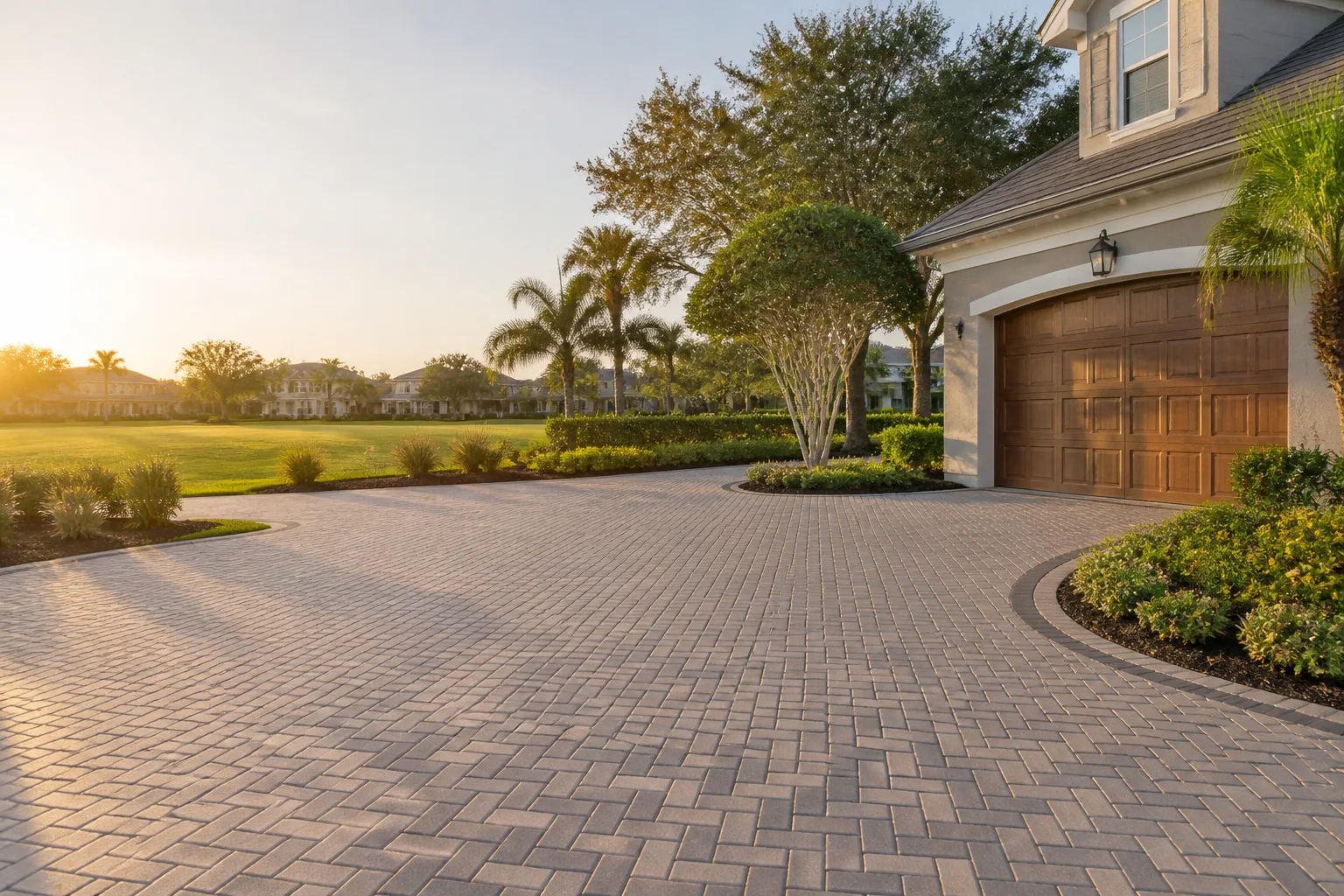
For a full picture of how a properly built paver driveway should look and drain, see our Driveway & Pavers in Sunrise Manor page, where we cover base prep, edge restraints, and drainage in detail.
Common Mistakes to Avoid
- Pounding a lifted paver back down. It looks fixed for a week. The moisture and base problem underneath is still there and gets worse with every rain.
- Re-sanding without finding the drainage channel. If you don’t fix the water path, the new sand washes out in the same place. We see this on Sunrise Manor driveways next to irrigated lawns all the time.
- Power-washing the joints. High-pressure water strips joint sand and drives it deeper into the base. It makes the problem you were trying to fix.
- Sealing over efflorescence. Sealing a white bloom traps the moisture underneath and makes it worse. The moisture has to be fixed first.
- Ignoring a puddle because it dries by noon. The puddle is the visible symptom of base compaction. The base doesn’t fix itself.
- Letting the edge creep because it’s “just a couple pavers.” Two creeping edge pavers become a loosened run in one season. It’s the cheapest fix on this list right now.
- Skipping the permit or inspection on a paver replacement. In Sunrise Manor, driveway changes that affect grading or drainage can trigger inspection requirements. Ask before you dig, especially on a full replacement.
When to Call a Professional
Some of these signs are a quick re-sand and a tightened edge. Others a trained eye needs to see in person. Call us if a paver rocks underfoot, if a puddle lingers more than a day after rain, if the pavers near your garage apron are lifting, or if the edge line is bowing outward. Those four patterns almost always point to a base or restraint fix that has to happen under the surface. If you’re not sure, probing the low or loose spot with a screwdriver will tell you quickly if the base has gone soft.
For a full driveway rebuild or a new installation, it’s worth comparing written estimates and asking about edge restraints, base depth, and drainage before anyone breaks ground. Barrett & Sons Construction Sunrise Manor offers free estimates in Sunrise Manor – call (844) 312-0069. Every scope and every price change arrives as a written change order before work starts, and every eligible job gets its permits pulled and inspections signed.
See the difference
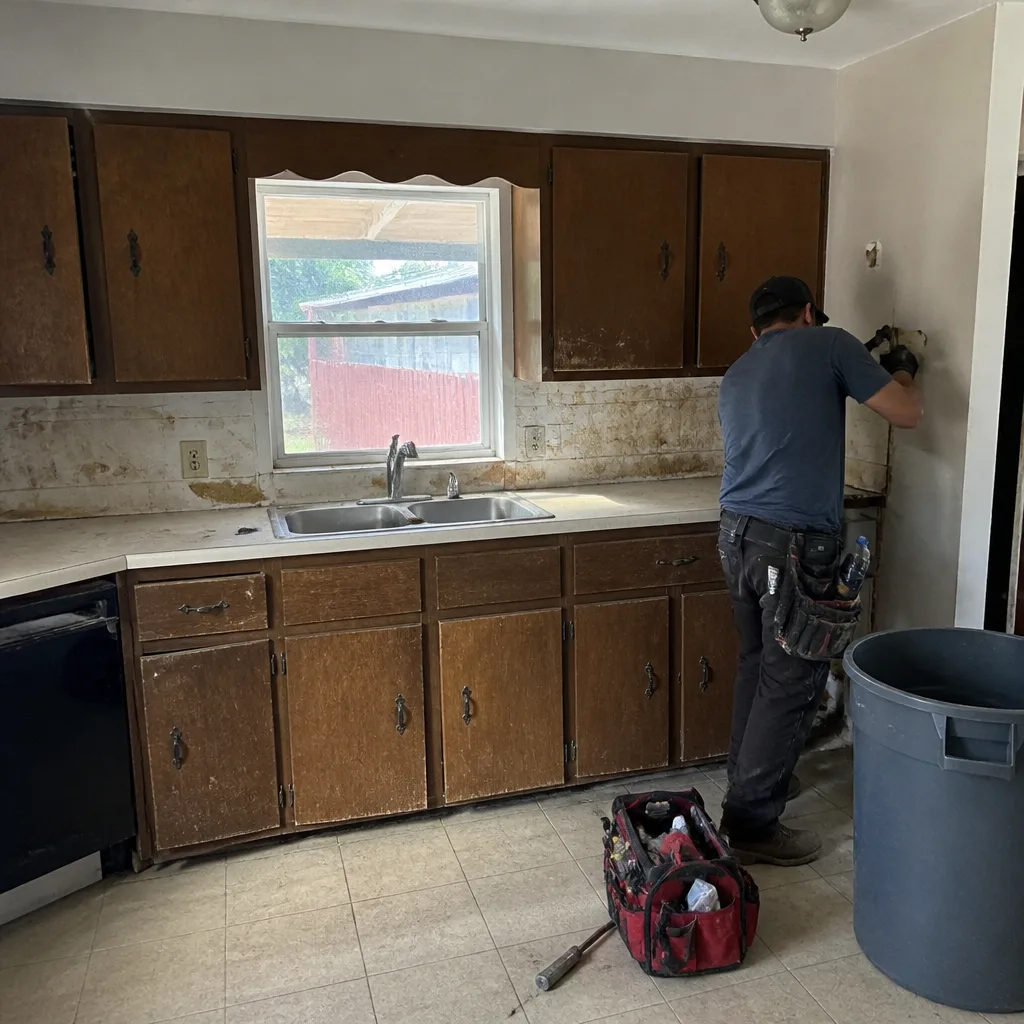 Before
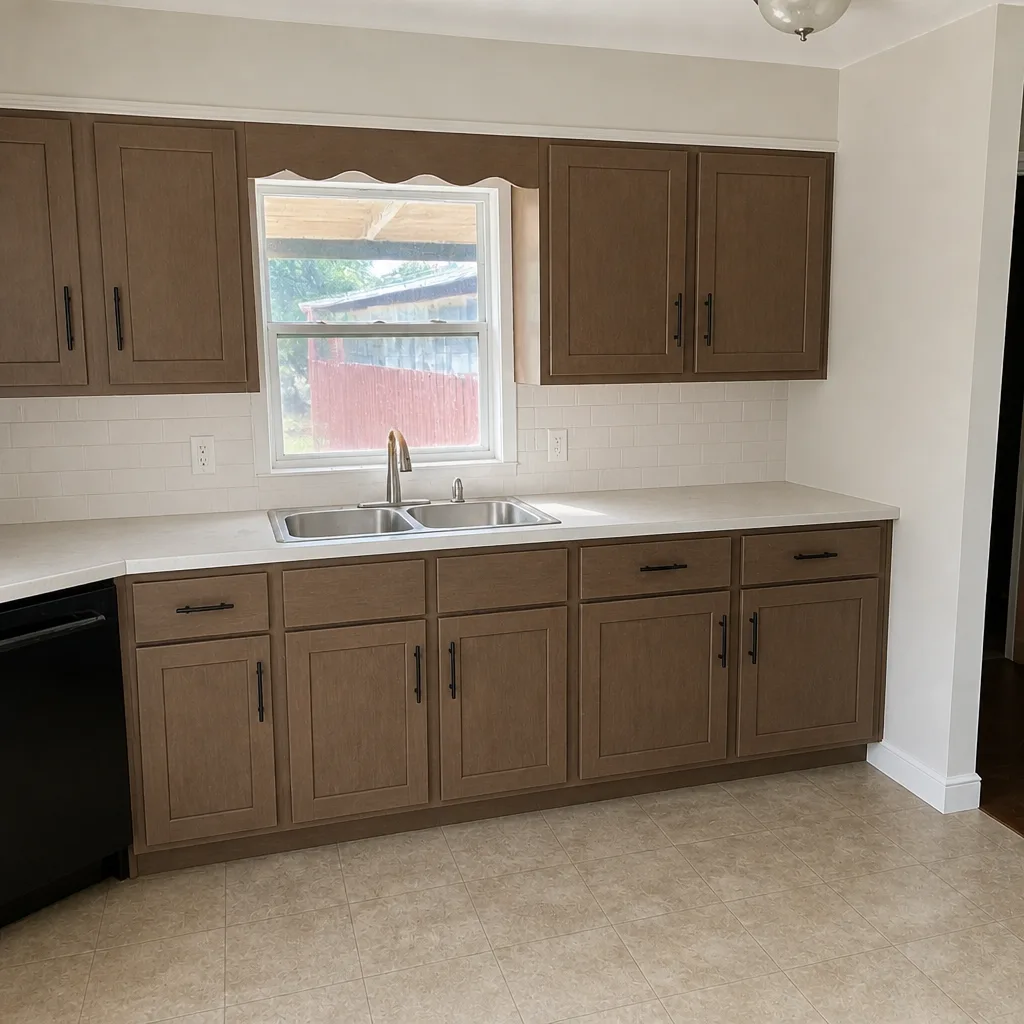 After
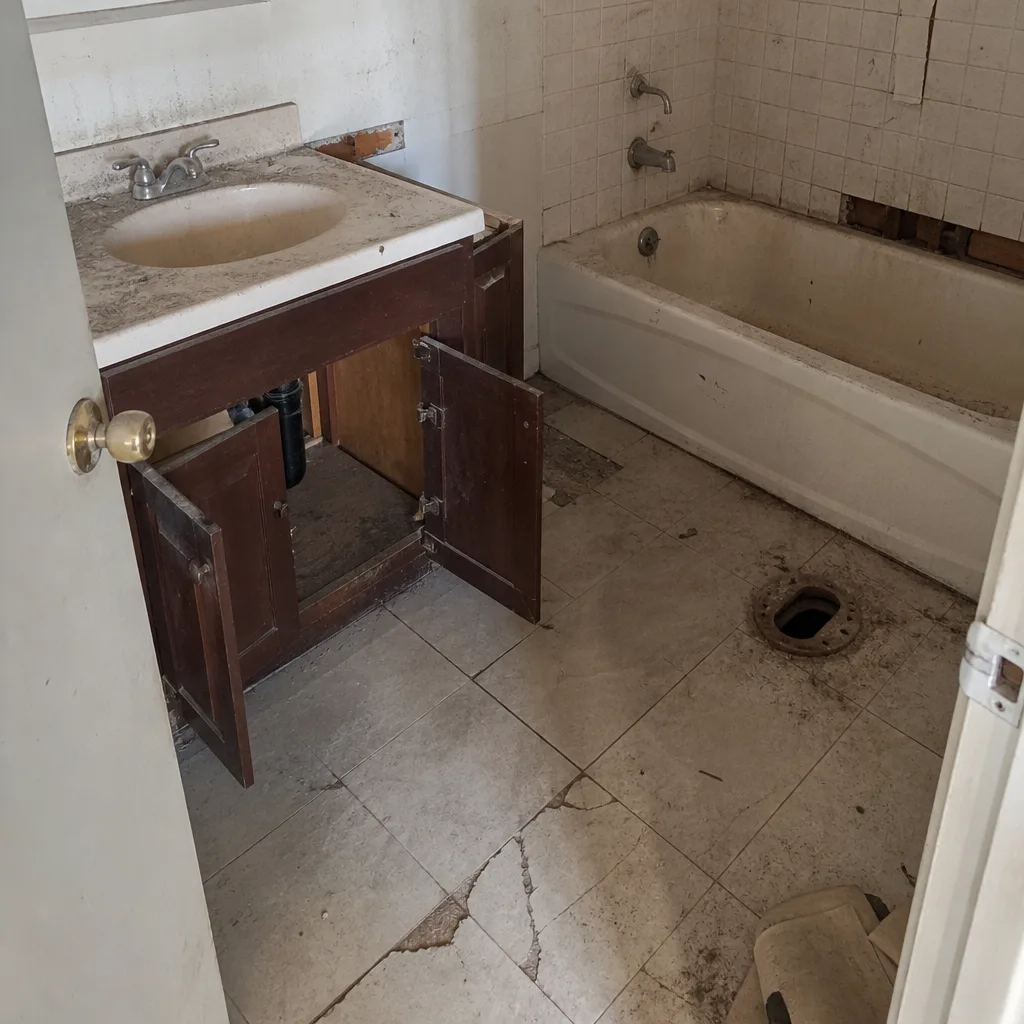 Before
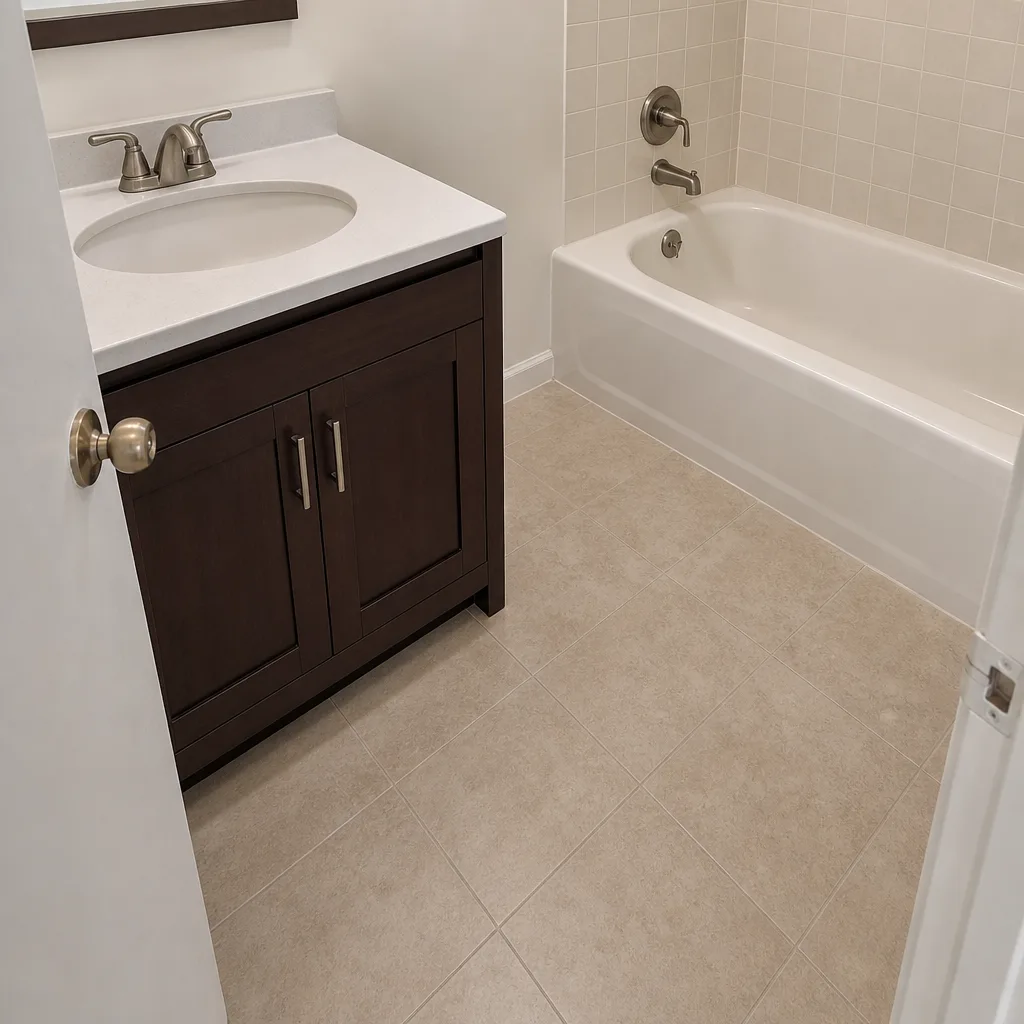 After
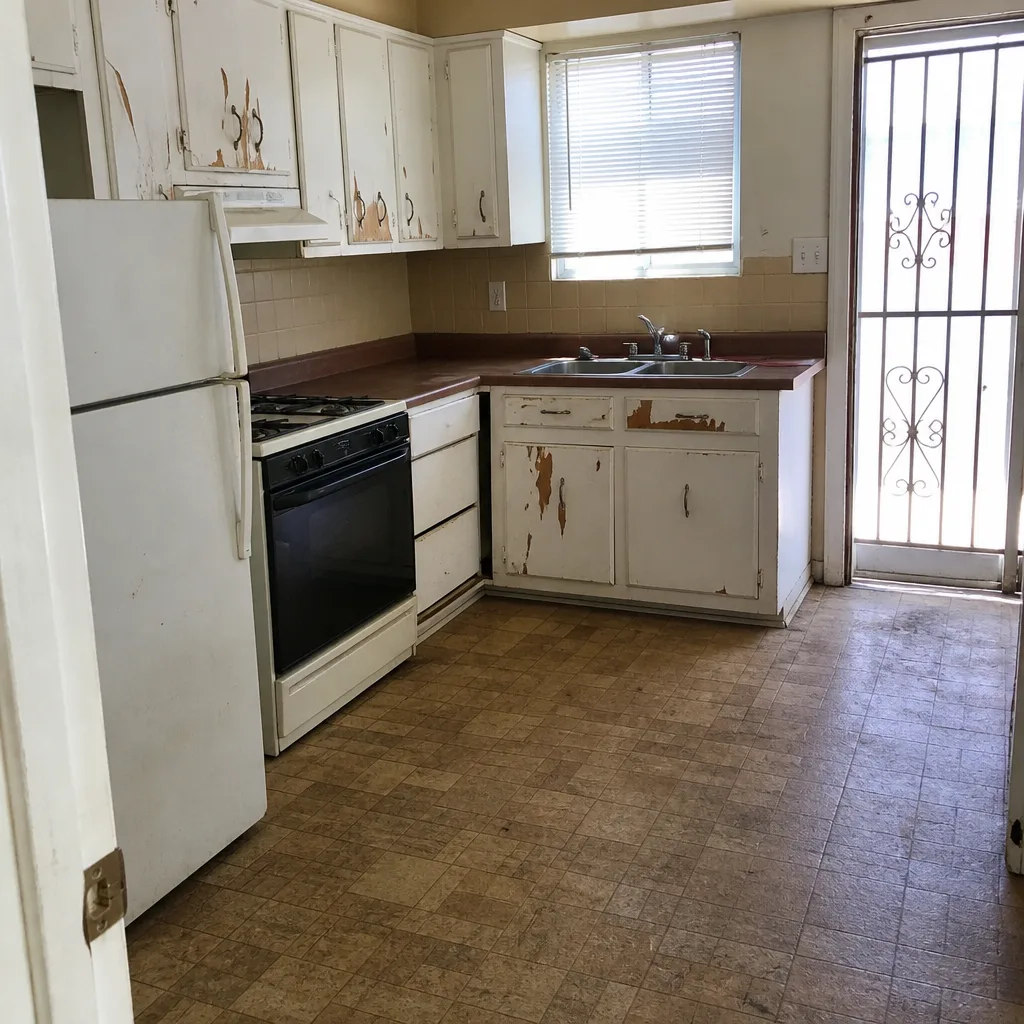 Before
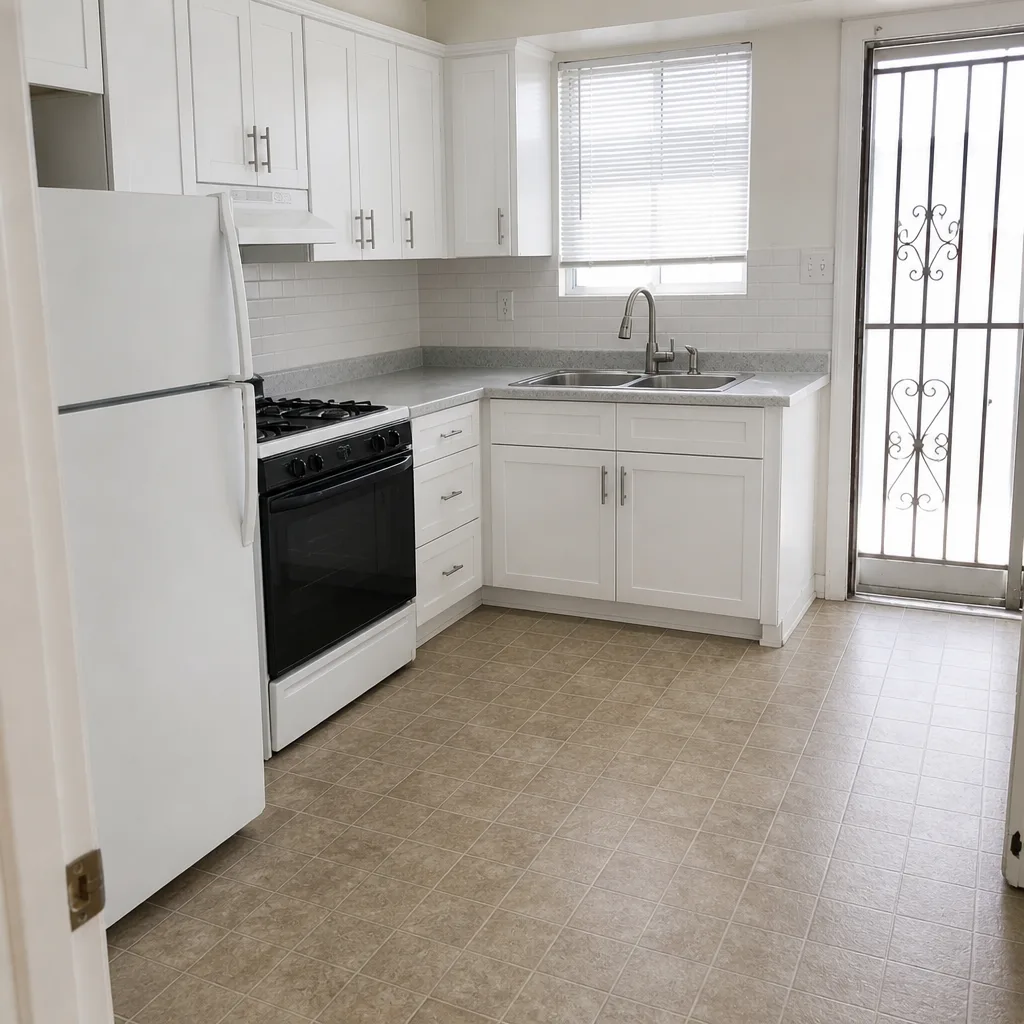 After
Frequently Asked Questions
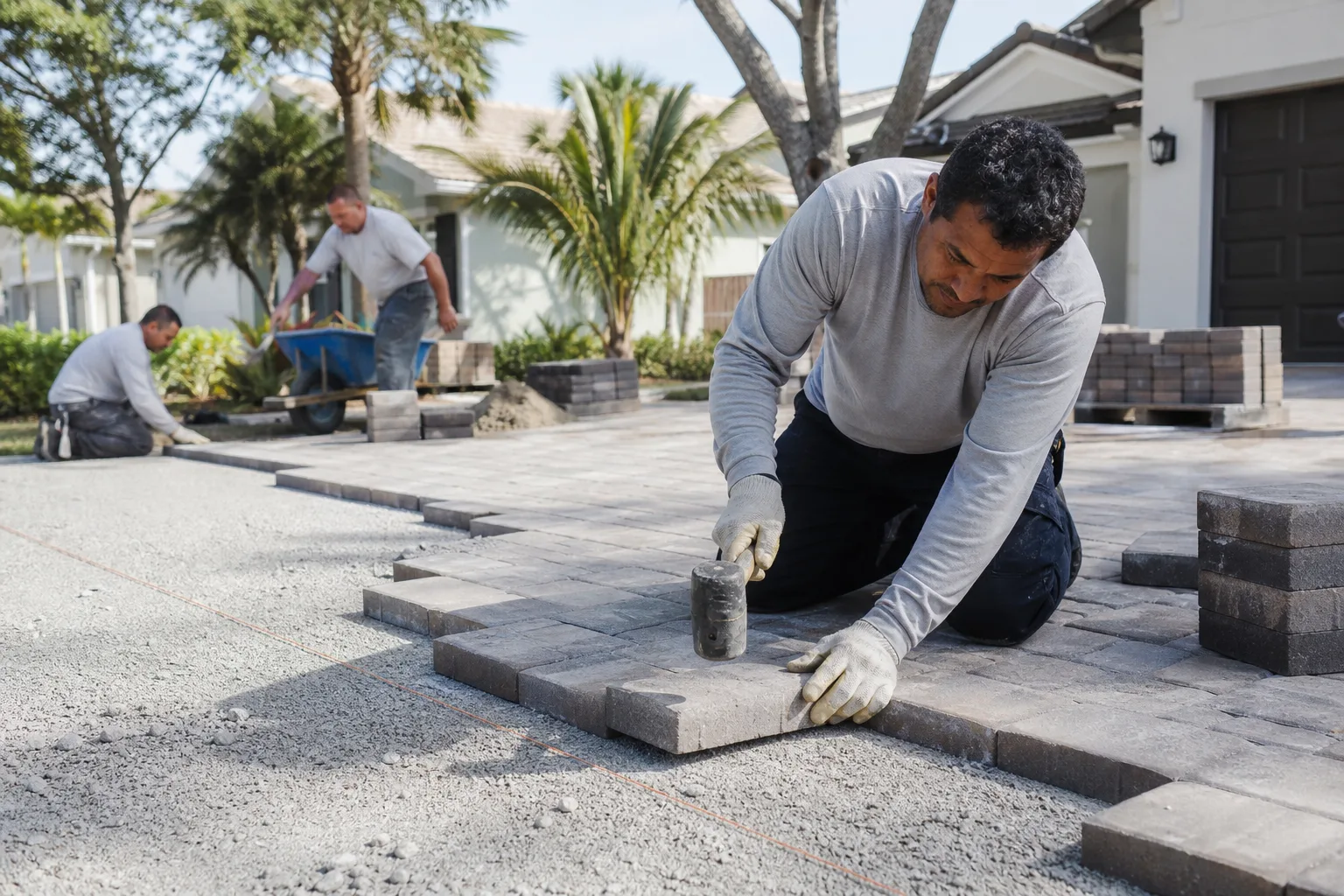
Edge paver creep is the most common by far. The desert climate is dry most of the year, but after a wet winter, the freeze-thaw cycle at night loosens the edge restraints and the pavers start spreading. Catching it early is usually a fairly small fix compared to waiting a full season.
Small fixes like re-sanding joints, re-setting an edge restraint, or re-laying a couple of pavers typically run a few hundred dollars. Base repair under a settled section, or a full re-lay of a run, is more. We give free written estimates with line-item pricing so you know exactly what you’re paying for. Call (844) 312-0069 for an exact quote – estimates are free.
For a few days, yes – which is what makes it tempting. The real fix is finding where the water is coming from and re-grading so it drains away from the house. If you don’t fix the water, the paver will lift again after the next wet winter.
Sometimes. A faint white bloom that wipes off easily and comes back is efflorescence, which means moisture is moving through the pavers from underneath. That’s a drainage or irrigation issue, not a cleaning issue. If it doesn’t wipe off at all, it’s likely mineral staining or sealer haze, which is cosmetic.
Most driveways need joint sand topped up every few years as it settles and washes out gradually. If you’re seeing sand loss in patches or channels, top it up and also have someone look at where the water is going – patchy loss is a drainage symptom, not normal wear.
If the work changes grading, drainage, or the driveway footprint, permits and inspections can apply. Smaller repairs usually don’t need one. We pull permits and sign inspections on every eligible job, so you don’t have to wonder. If you’re planning a full replacement, check before you start – a permit inspector works for you, not for the contractor.
The Bottom Line
The five signs that matter most – edge creep, patchy joint sand loss, lifting near the garage apron, uneven fading, and a new puddle – all point to problems underneath the pavers that get more expensive the longer you wait. Most of them show up a season before the damage becomes a major bill. If you walk your driveway once a month and catch the edge or the puddle early, you’re looking at a small fix. If you wait, you’re looking at a rebuild. For a free written estimate on paver repair or a full driveway replacement in Sunrise Manor, call (844) 312-0069. Live person, every time.
Related reading: Fence Installation in Sunrise Manor, Home Additions & ADU in Sunrise Manor, and Barrett & Sons Construction Sunrise Manor home.
Written by the team at Barrett & Sons Construction Sunrise Manor.